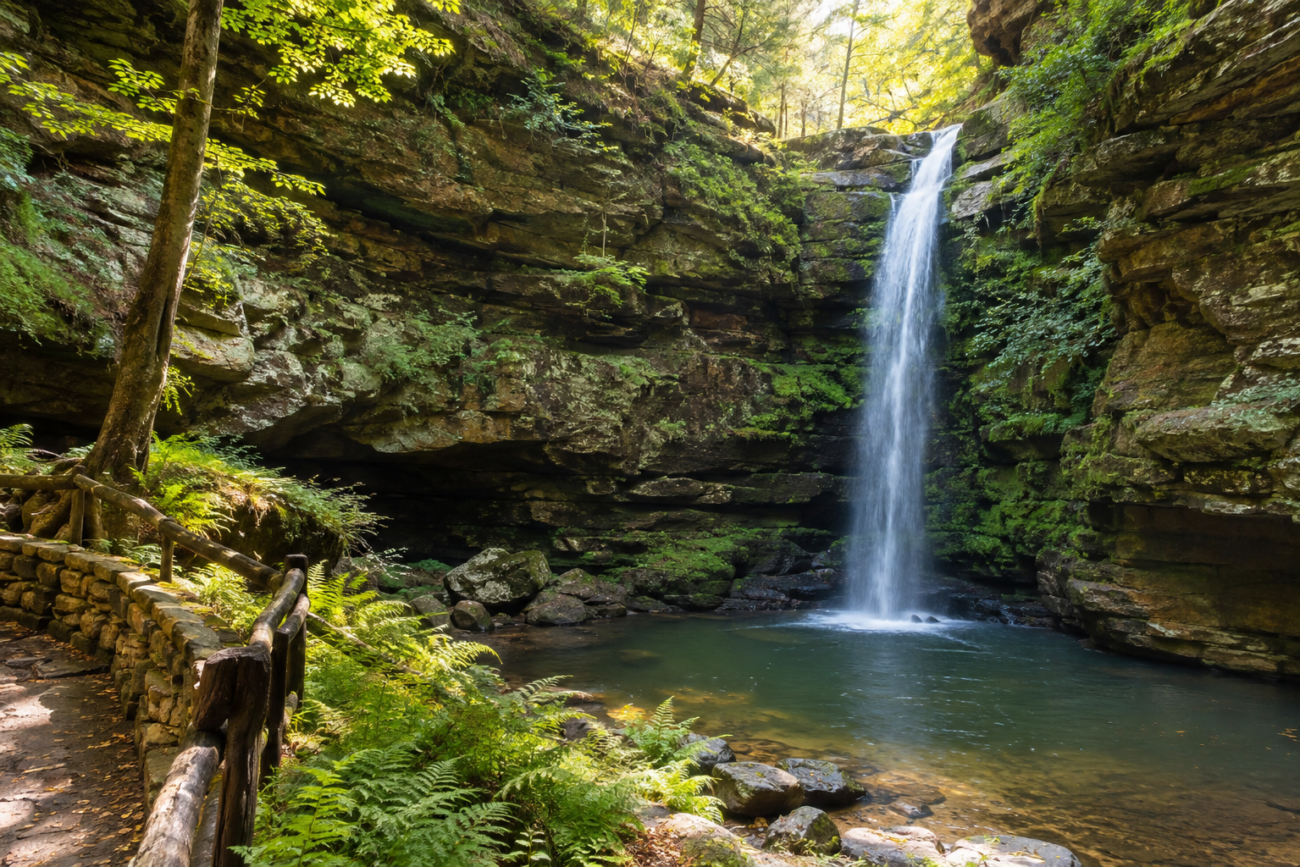
Alabama's outdoor adventures span far more diverse terrain than most travelers expect—towering waterfalls cascade through limestone canyons, rare glowworms illuminate underground caverns, and coastal estuaries wind through pristine marshes dotted with cypress forests. Whether you're seeking alpine-style ridge hiking in the northeast foothills or paddling through Gulf Coast waterways, Alabama delivers authentic outdoor experiences that rival destinations twice its size. From the highest peaks to sea-level paddling, these 14 destinations showcase why outdoor enthusiasts increasingly choose Alabama for hiking, water sports, and wilderness exploration.
1. Dismals Canyon
Phil Campbell, Alabama
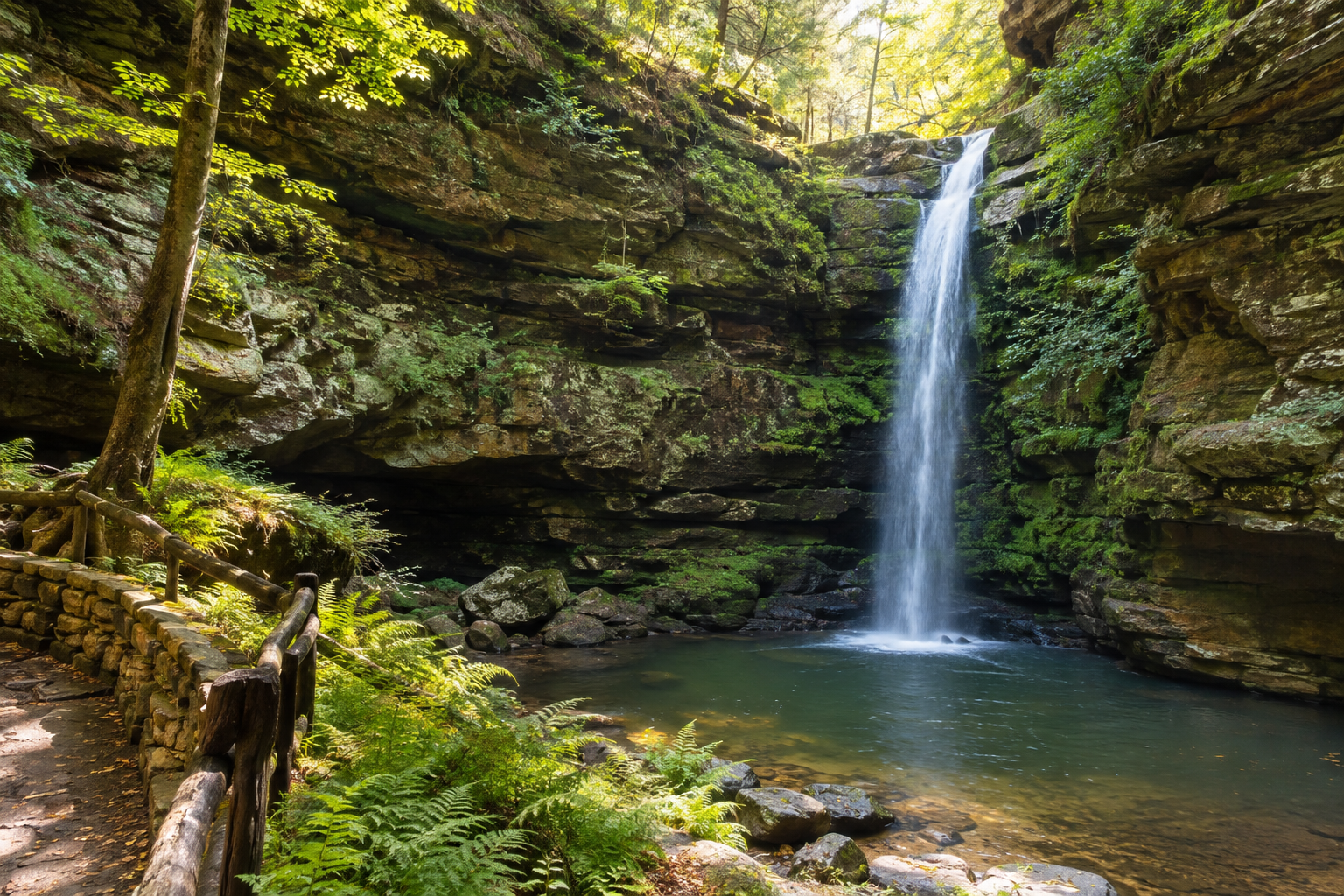
This stunning gorge near Phil Campbell features a 65-foot waterfall cascading down moss-covered limestone cliffs into a fern-lined valley where the air stays naturally cool year-round. The 1.5-mile hiking trail descends into lush undergrowth, and swimming holes at the base provide refreshing relief during summer hikes. Dismals Canyon offers one of Alabama's most unique outdoor experiences: a rare glowworm phenomenon that illuminates the canyon walls at night.
Fun fact: Dismals Canyon is home to one of the few populations of dismalid glowworms in North America—tiny creatures that create a starry light show on cave ceilings during twilight months (June–July).
Tip: Visit in June or July for the glowworm display. Wear water shoes as the trail gets muddy; admission is paid but parking is free on-site.
2. Cheaha State Park
Delta, Alabama
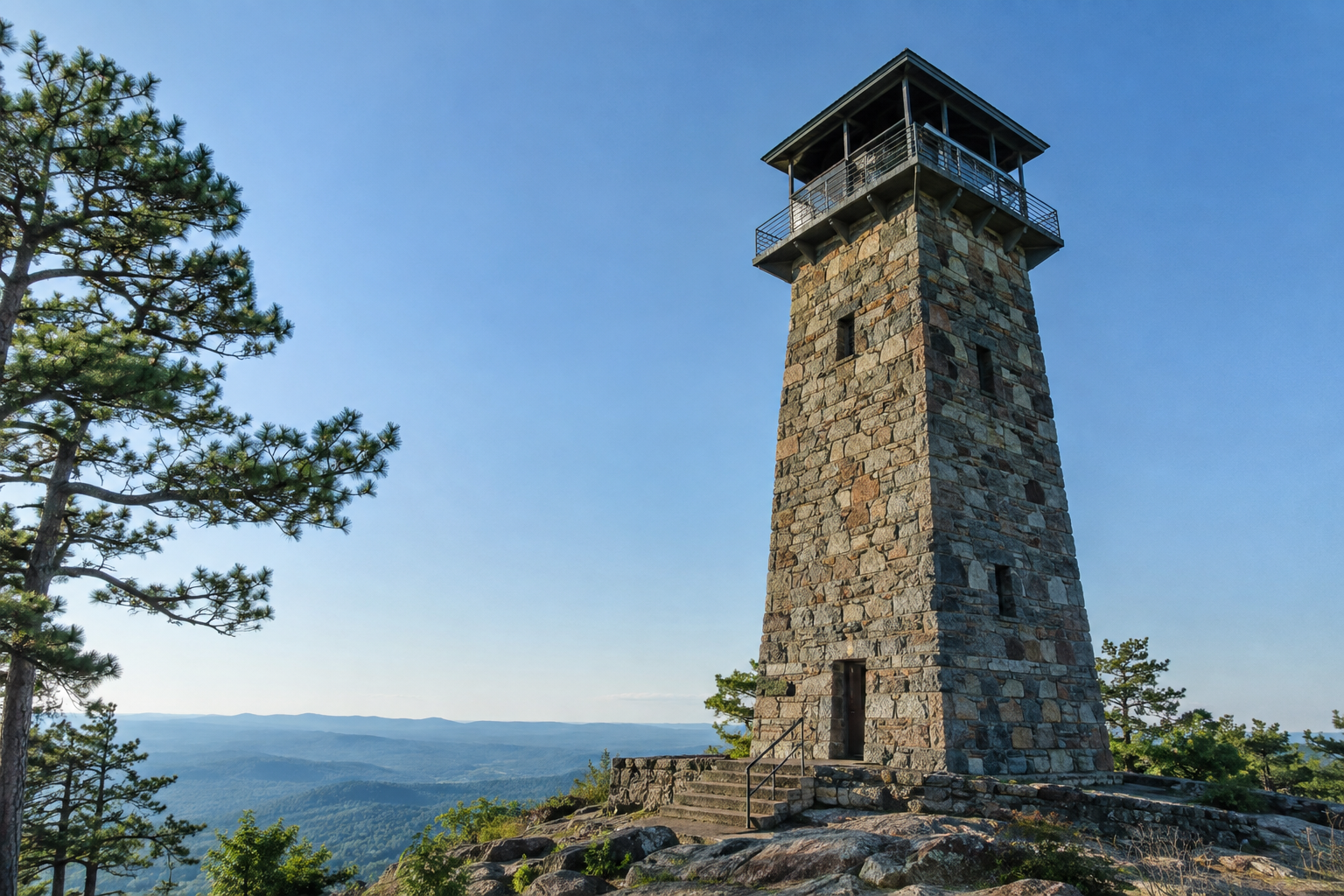
Alabama's highest point sits at 2,413 feet near Delta, offering panoramic views across Talladega National Forest and into Georgia and Tennessee on clear days. The park's observation tower rewards hikers with 360-degree vistas, and over 7 miles of well-maintained hiking trails connect diverse ecosystems from mountain ridges to valley floors. Cheaha State Park delivers alpine-style hiking experiences rare for the Deep South.
Fun fact: Despite being Alabama's highest elevation, Cheaha's peak gets snow more frequently than lower elevations in the state, creating rare winter hiking opportunities.
Tip: Hike early morning for the clearest views and to avoid afternoon clouds. The observation tower is free with park admission; parking is convenient and included.
3. DeSoto Falls
Rainsville, Alabama
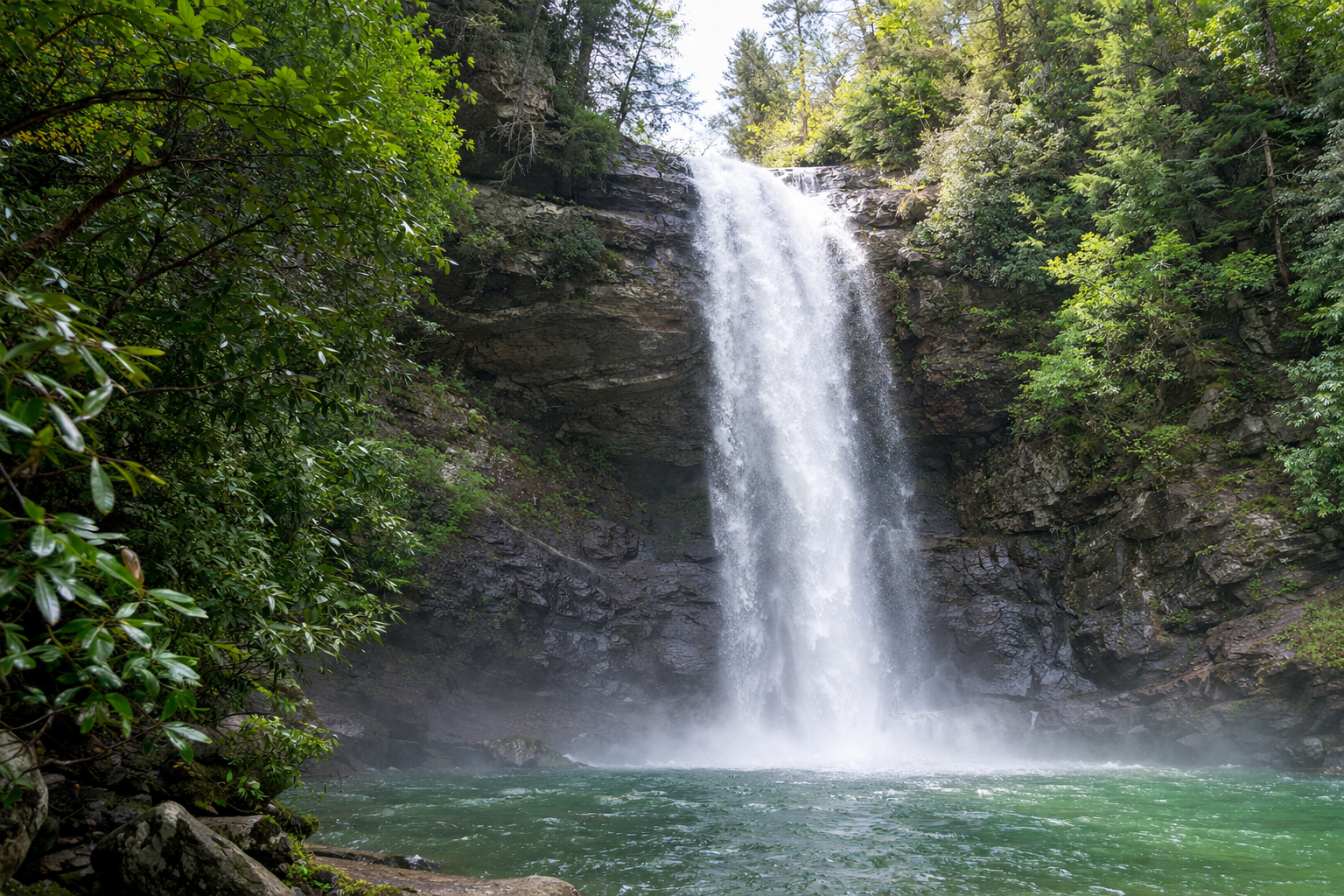
This 104-foot waterfall near Rainsville plunges into an emerald pool surrounded by hemlock and rhododendron thickets in the Appalachian foothills. The relatively short 2-mile round-trip hike makes it accessible for families while delivering impressive waterfall scenery, and the dramatic geology reveals ancient sandstone and shale formations along the creek bed. DeSoto Falls showcases some of Alabama's finest waterfall hiking.
Fun fact: The falls flow year-round from a spring-fed creek, making it one of Alabama's most reliable waterfalls even during dry seasons.
Tip: Water levels are highest in spring; visit March through May for the fullest cascade. It's free to visit; parking is in a small lot adjacent to the trailhead.
4. Cathedral Caverns State Park
Woodville, Alabama
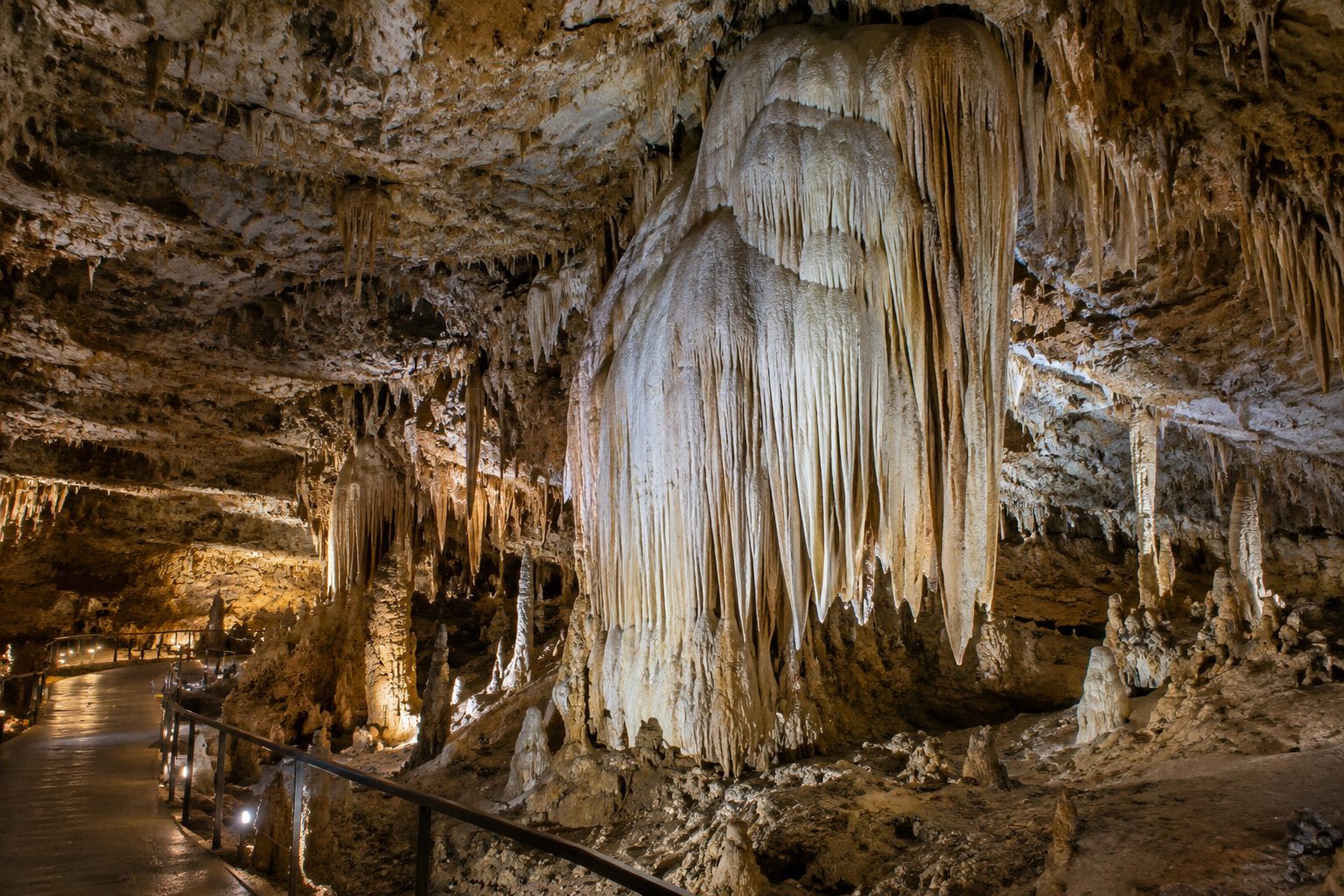
One of Alabama's most impressive cave systems near Woodville features massive stalactites, stalagmites, and flowstone formations accessible via guided underground tours. The 'Frozen Niagara' formation is among the largest stalactites in the eastern United States, and the cavern's constant 60-degree temperature provides relief on hot summer days. Above-ground hiking trails explore the surrounding woodland near Woodville.
Fun fact: Cathedral Caverns' Frozen Niagara stalactite is over 45 feet tall and took approximately 150,000 years to form from mineral-rich water drips.
Tip: Tours are guided and paid; book ahead during peak season. The cave temperature is cool year-round, so bring a light jacket even in summer.
5. Sipsey Swamp Canoe Trail
Brent, Alabama
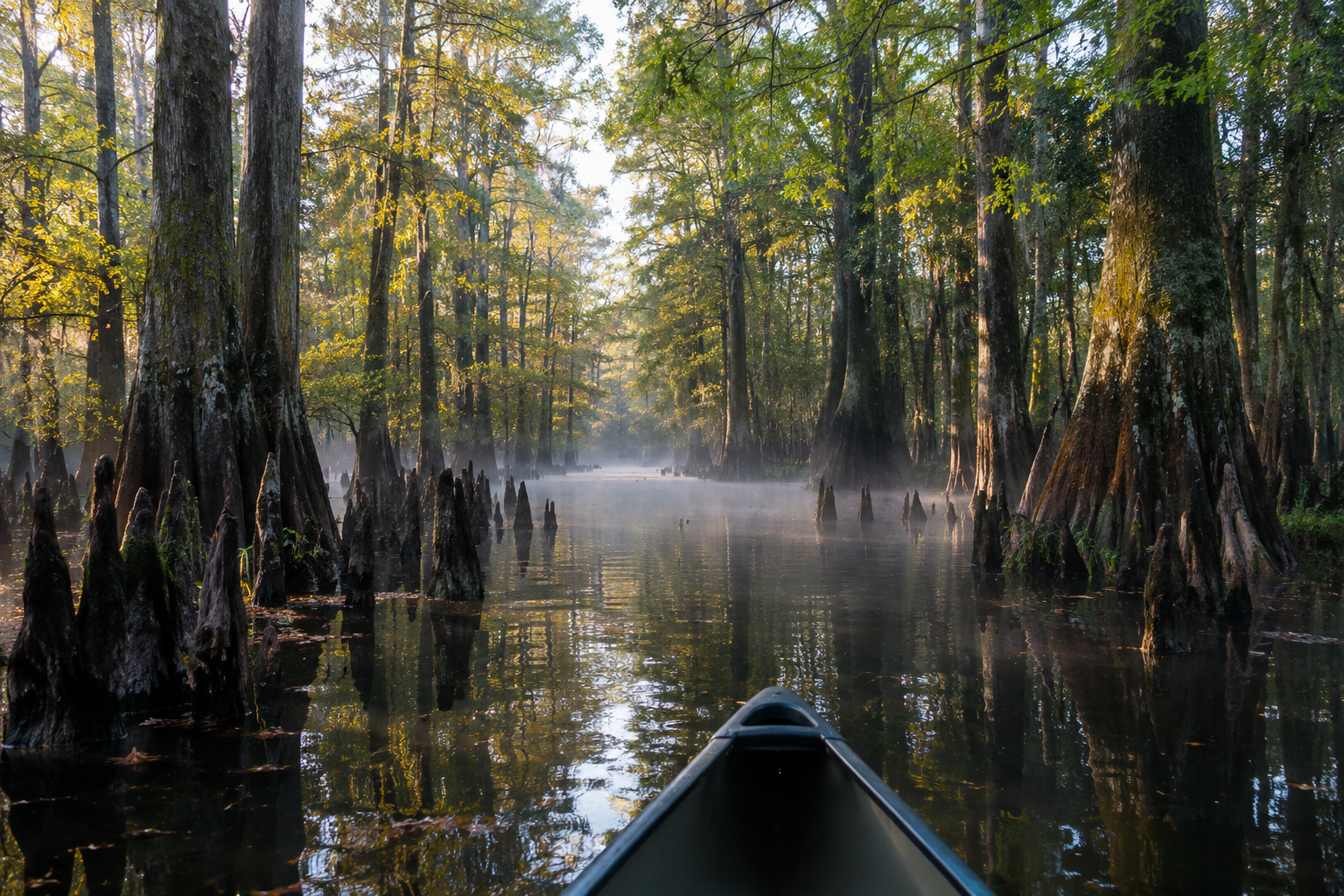
This 12-mile paddling trail near Brent winds through cypress-lined waterways where cypress knees jut from dark water amid wildlife-rich wetlands in the Sipsey Wilderness area. Kayaking and canoeing adventures here encounter turtles, wading birds, alligators, and occasional bald eagles while navigating narrow channels surrounded by towering bald cypress trees. The slow current and protected waterway make it suitable for intermediate canoeists exploring Alabama's best paddling destinations.
Fun fact: Sipsey Swamp's cypress trees can live over 1,000 years and remain largely unchanged for centuries, creating a primordial landscape that time seems to have forgotten.
Tip: Early morning paddles offer the best wildlife viewing and calmest water. Canoe rental is available at nearby outfitters; parking and shuttle service are typically provided.
6. Little River Canyon National Preserve
Fort Payne, Alabama
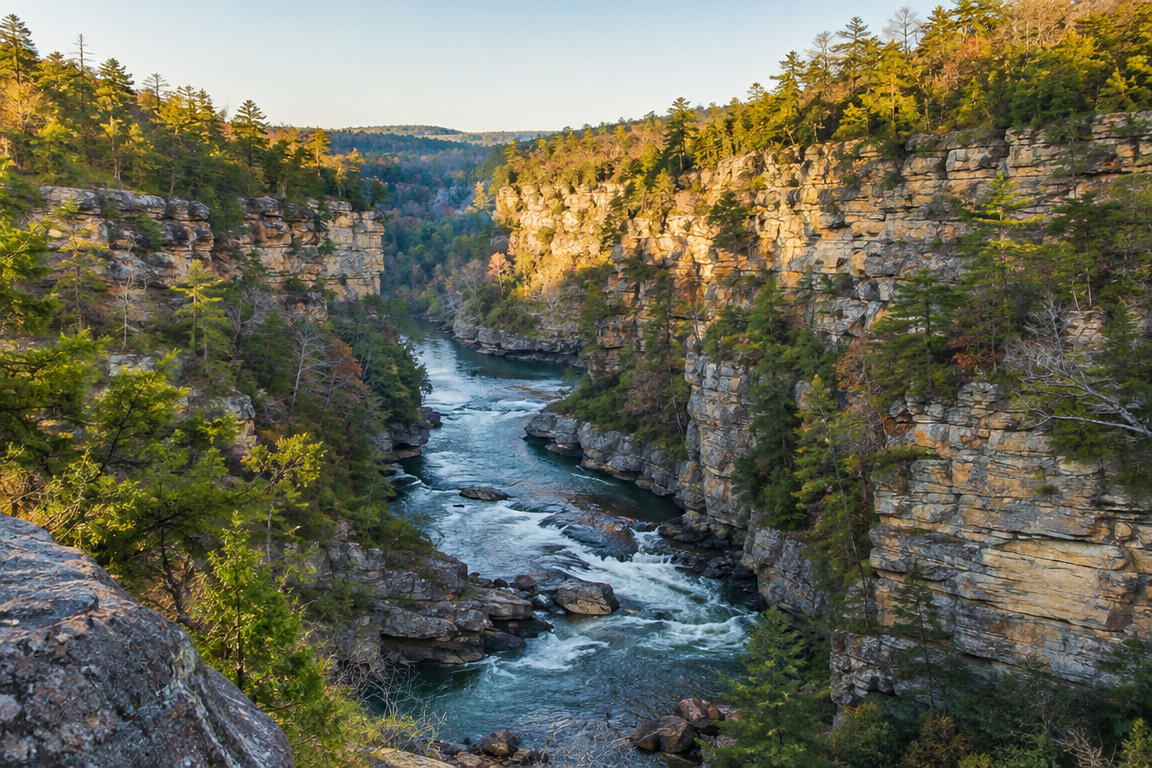
This 14-mile canyon carved by Little River near Fort Payne creates dramatic cliff walls up to 600 feet high and offers multiple access points for hiking, swimming, and rock climbing across 14,000 acres of protected land. The preserve encompasses scenic overlooks, riverside trails, and canyoneering opportunities for adventurous visitors, with multiple waterfalls cascading into the river. Little River Canyon showcases some of Alabama's most dramatic outdoor adventures.
Fun fact: Little River is one of the few rivers in North America that flows through—rather than around—a mountain, a geologic feature that required river scientists to reconsider their understanding of river formation.
Tip: Visit the preserve's visitor center first for trail recommendations and water conditions. Parking is free; many overlooks offer stunning views without strenuous hikes.
7. Gulf State Park
Gulf Shores, Alabama
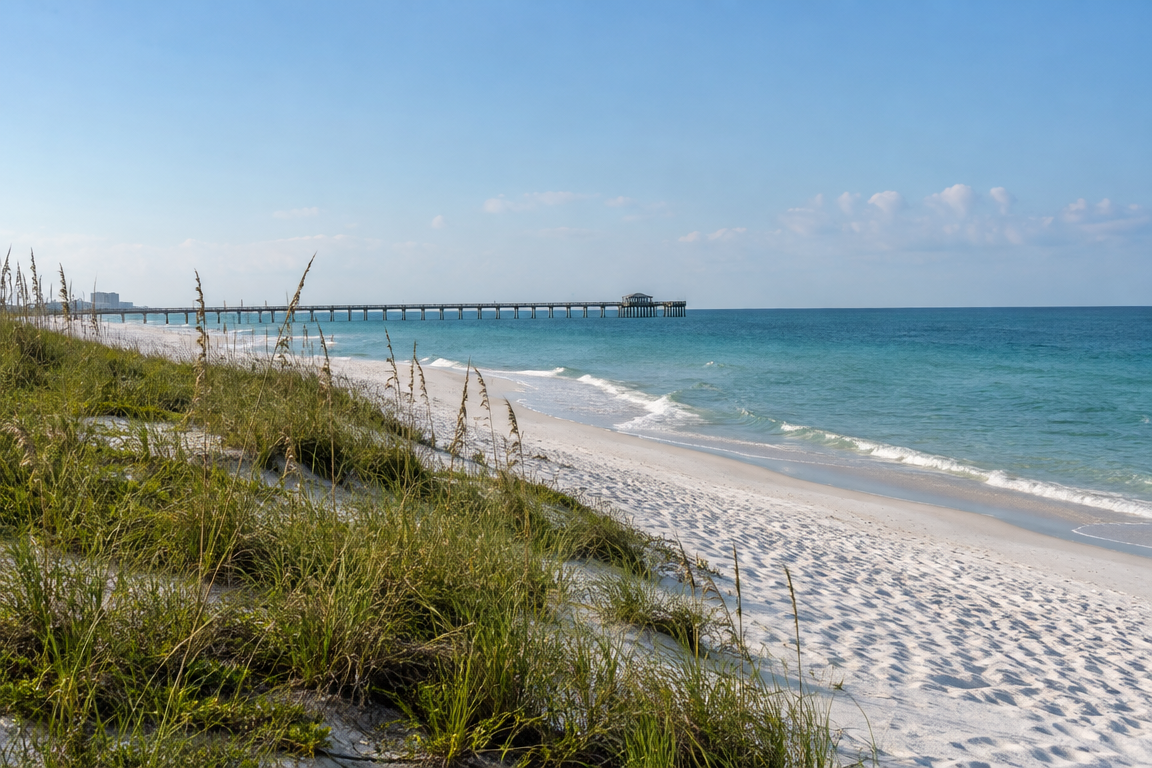
This sprawling coastal park near Gulf Shores stretches 6.5 miles along Alabama's Gulf Beach with pristine sand, turquoise water, and extensive trail systems through maritime forests and coastal dunes. The park features a 1.5-mile fishing pier, kayak launch areas, and access to tide pools rich with starfish and sea urchins. Boardwalks and nature trails connect different ecosystems from beach to inland forest, making it ideal for coastal outdoor adventures.
Fun fact: Gulf State Park's recent restoration after Hurricane Zeta in 2020 has actually created a healthier ecosystem, with native dune plants and wildlife rebounding stronger than before.
Tip: Early morning beach walks offer solitude and excellent shelling. The park is day-use accessible; parking is ample and nominal fee required.
8. Noccalula Falls
Gadsden, Alabama
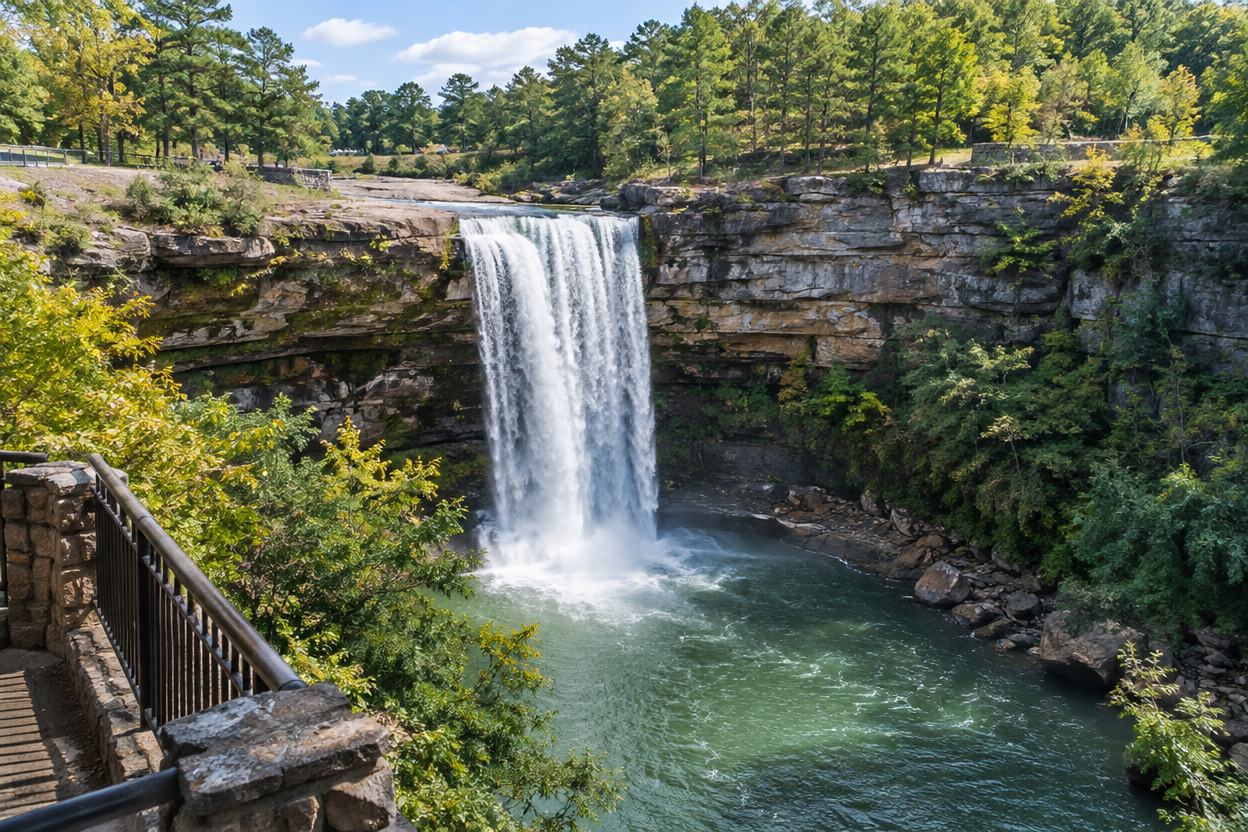
This 90-foot waterfall near Gadsden plunges into a scenic canyon at a city park that also features a historic homestead, walking trails, and picnic areas. The falls drop into a pool surrounded by steep canyon walls and mature hardwood forest, creating a dramatic natural feature within easy reach of downtown Gadsden. The park's moderate trails accommodate various fitness levels for accessible outdoor hiking.
Fun fact: Noccalula Falls is named after a legendary Cherokee princess, and the surrounding canyon was used as a filming location for multiple Hollywood productions due to its dramatic geology.
Tip: The park opens early and closes at dusk; visit mid-morning to avoid crowds and capture the best light on the falls. Parking and day-use admission are very affordable.
9. Talladega National Forest Hiking Trails
Talladega, Alabama
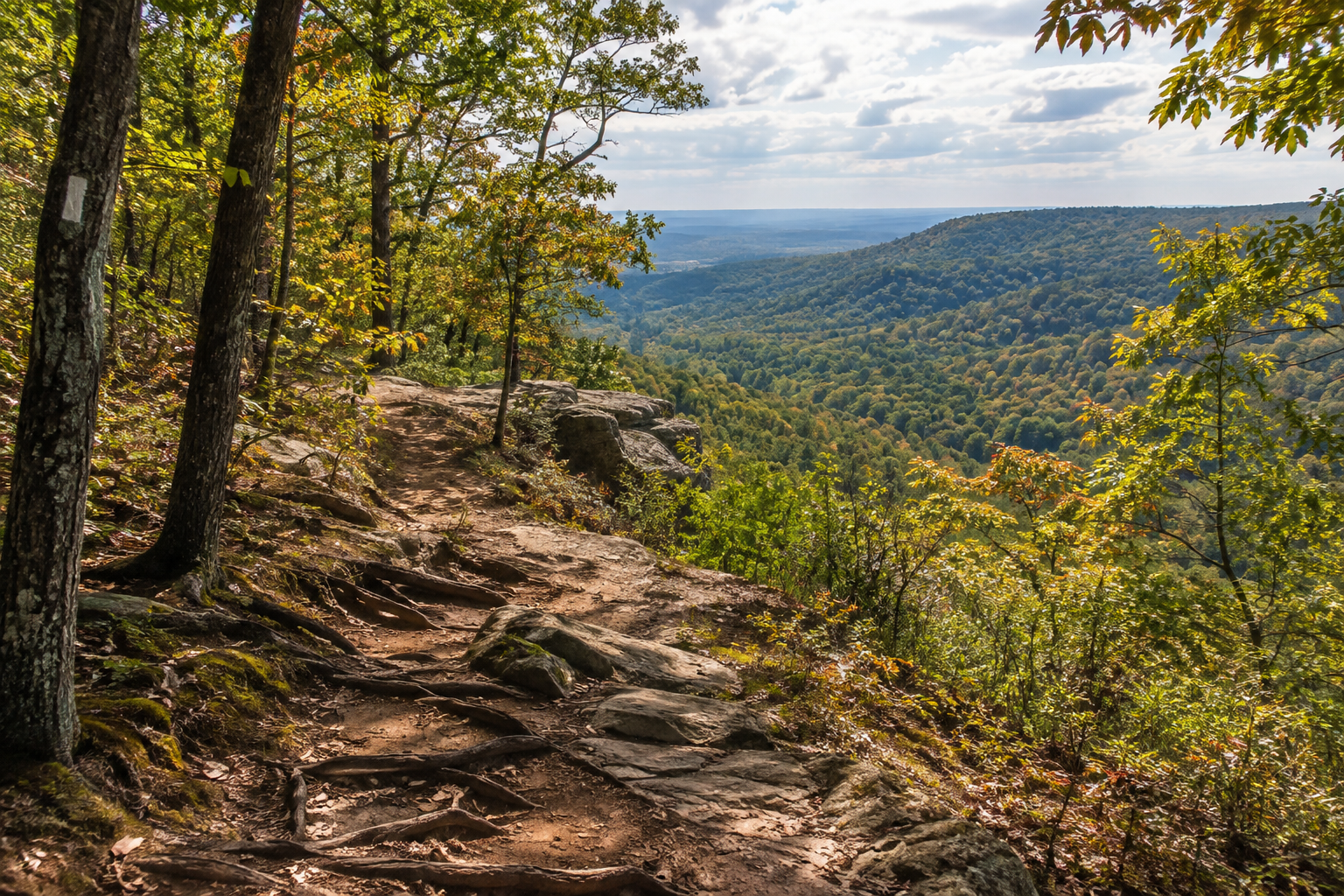
This 392,000-acre national forest near Talladega spans east-central Alabama and offers over 200 miles of hiking trails ranging from easy nature walks to challenging ridge treks. The Pinhoti Trail and Talladega Mountain Loop deliver scenic ridge-line vistas, rhododendron tunnels, and old-growth forest sections. Diverse elevations support varied plant communities and wildlife viewing opportunities across Alabama's most extensive hiking destination.
Fun fact: Talladega National Forest is home to the longest series of ancient mountains in the eastern United States, with ridgelines that rival the Appalachian mountains in age and complexity.
Tip: Pick up a detailed trail map at the visitor center; many trailheads lack clear signage. Parking is free at designated trailheads throughout the forest.
10. Lake Guntersville State Park
Guntersville, Alabama
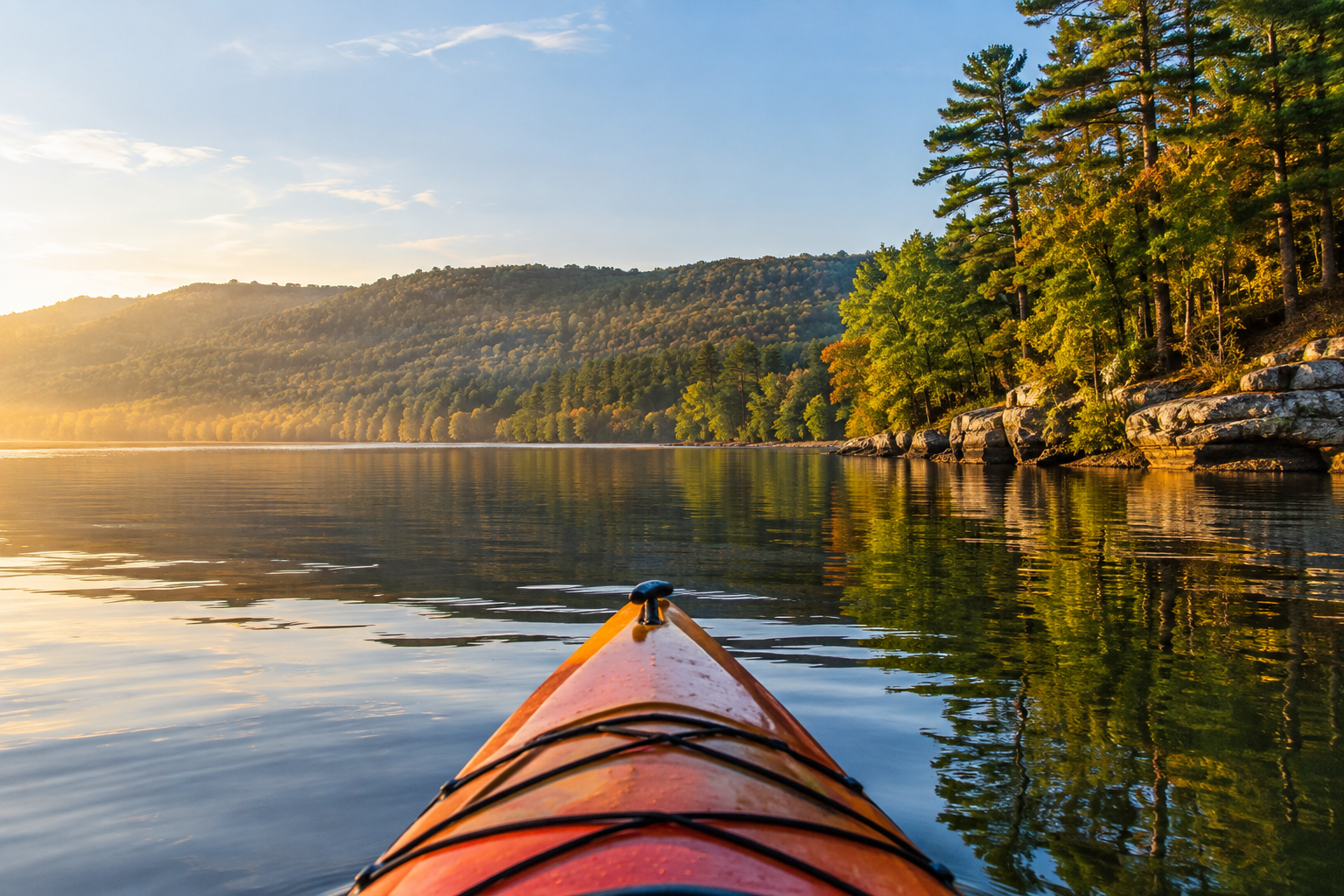
This 6,000-acre park near Guntersville encompasses a scenic Tennessee River reservoir with excellent kayaking, fishing, and lakeside hiking. The park's elevated trails offer water views, and the natural landscape transitions from open water to forested coves and hidden inlets. Multiple launch points and a scenic 6.5-mile paddle loop make it ideal for kayaking and water sports at various skill levels.
Fun fact: Lake Guntersville hosts one of the largest winter concentrations of bald eagles east of the Mississippi River, with over 100 eagles visible from November through February.
Tip: January through February offers peak eagle viewing; bring binoculars and visit early morning. Kayak rentals are available on-site; parking and boat launches are included in day-use fees.
11. Walls of Jericho
Grant, Alabama
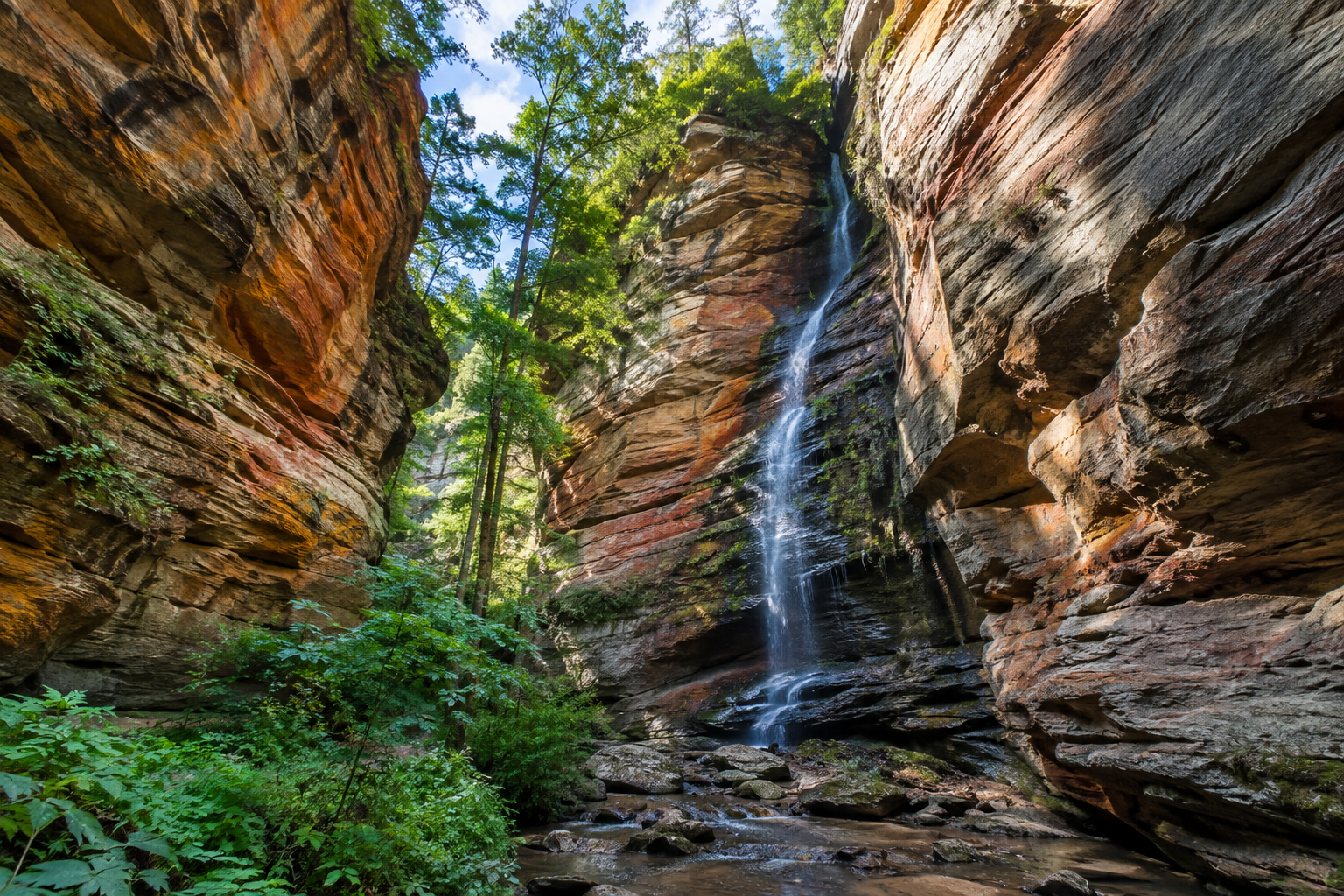
This narrow, 600-foot sandstone canyon near Grant features a perennial waterfall and creek at its base, accessible via a challenging 4-mile round-trip hike through the Walls of Jericho Wilderness. The dramatic geology reveals colorful rock layers—reds, yellows, and grays—that shift with changing light throughout the day. The creek provides welcome relief after the challenging climb in one of Alabama's most striking natural wonders.
Fun fact: Walls of Jericho's unique sandstone formations contain rare plants found nowhere else in Alabama, including species typically associated with southwestern desert ecosystems.
Tip: This hike is steep and rocky; wear proper hiking boots and bring plenty of water. The area is free to visit; parking is at a trailhead about 30 minutes outside town.
12. Blue Spring Wildlife Refuge
Clio, Alabama
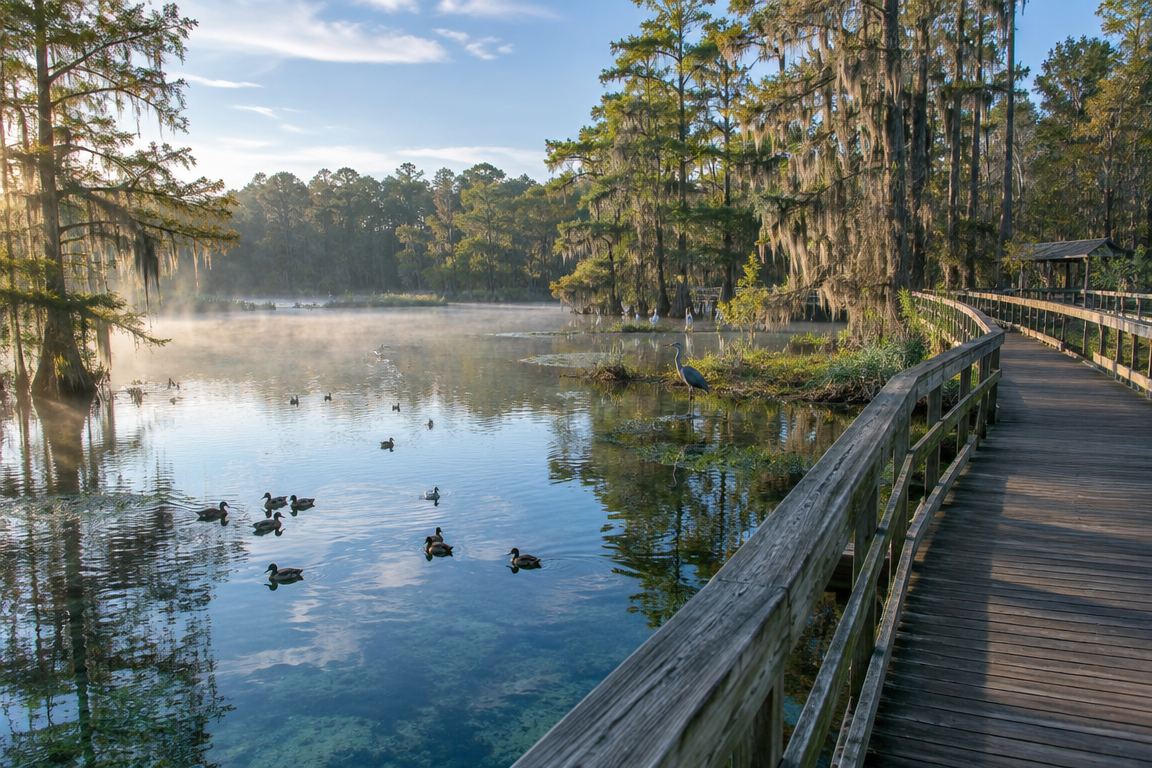
This spring-fed refuge near Clio protects critical habitat for migratory waterfowl, wading birds, and wood ducks along a pristine spring system and surrounding wetlands. A scenic 2-mile boardwalk trail loops through the refuge, offering excellent birdwatching opportunities without disturbing nesting areas. The spring water maintains 67 degrees year-round, creating a unique microclimate ideal for wildlife viewing and nature photography.
Fun fact: Blue Spring's constant 67-degree water temperature draws migratory birds traveling south for winter, making December through February peak birdwatching season.
Tip: Bring binoculars and field guides; early morning visits yield the best bird activity. Refuge access is free; parking is minimal but adequate.
13. Bucks Pocket State Park
Grove Oak, Alabama
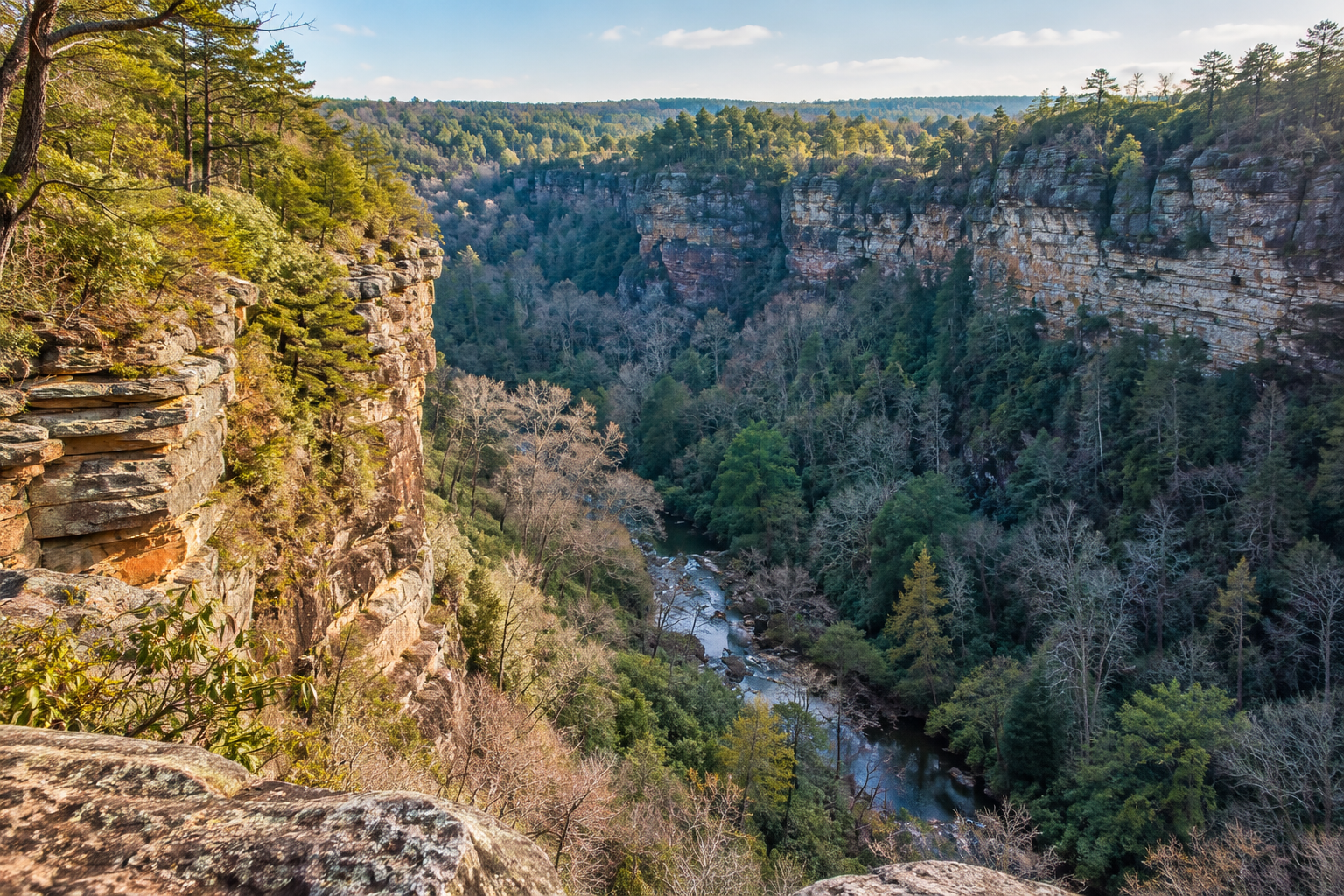
This rugged park near Grove Oak features steep canyon walls up to 300 feet high surrounding a scenic creek valley, with hiking trails that descend into the pocket-shaped canyon and follow the creek bed. The park's remote location and dramatic geology create a wilderness feel just minutes from civilization. Multiple trail options range from easy creek walks to challenging cliff-top scrambles.
Fun fact: Bucks Pocket was formed by a geological anomaly where a creek carved a 'pocket' into surrounding ridges, creating an enclosed valley that stayed isolated for centuries.
Tip: Water shoes are recommended as creek crossings are frequent. The park is free; parking is limited to a small lot, so arrive early on weekends.
14. Bankhead National Forest Waterfall Loop
Double Springs, Alabama
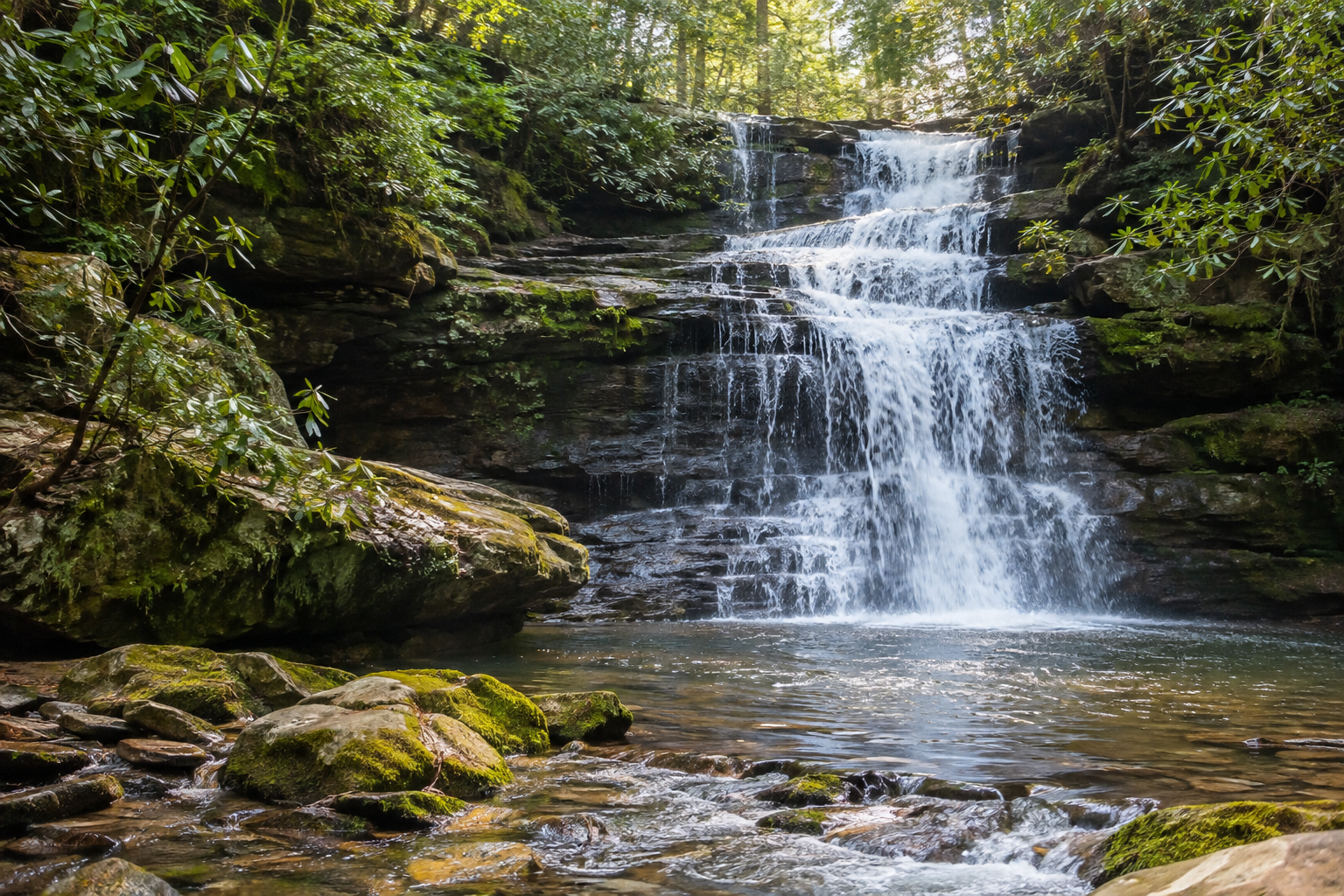
This scenic waterfall loop hike near Double Springs threads through the Bankhead National Forest, visiting multiple cascades, swimming holes, and old-growth forest sections across 6–7 miles of moderate terrain. The trail follows creek beds lined with hemlock, rhododendron, and mountain laurel, creating a lush, tunnel-like environment even in full summer. Each waterfall has distinct character, from wide plunges to delicate ribbons, making it one of Alabama's premier waterfall hiking destinations.
Fun fact: Bankhead National Forest's hemlock groves represent remnants of forests that thrived during the last ice age, making them living ecological museums.
Tip: Stream water is cold even in summer; bring swimsuit and water shoes if you plan to wade. The trailhead is remote; carry extra water and snacks. Parking is free.
Alabama's outdoor scene rewards explorers willing to venture beyond the beaten path, offering hidden gems alongside well-known state parks. Plan your next outdoor adventure in Alabama and discover why active travelers now rank this state among the Southeast's premier destinations for hiking, kayaking, and waterfall exploration.
Frequently asked questions
What's the best time of year to explore outdoor adventures in Alabama?
Spring (March–May) offers ideal hiking conditions with comfortable temperatures, flowing waterfalls, and blooming rhododendrons. Summer brings heat and humidity but is perfect for water activities like kayaking and swimming. Fall offers cooler temperatures and spectacular foliage, while winter is best for waterfall viewing and eagle watching at Lake Guntersville.
Do I need special permits or reservations for Alabama's outdoor sites?
Most state parks and preserves are day-use accessible without advance permits. However, some areas like Cathedral Caverns require guided tours with advance booking, especially during peak season. National forests are typically free and open, though some trailheads may have seasonal closures due to weather.
Are Alabama's hiking and water adventures suitable for families with young children?
Yes, many sites offer easy trails and accessible views. DeSoto Falls, Noccalula Falls, and Gulf State Park have family-friendly options. However, some hikes like Walls of Jericho and Bucks Pocket require experienced hikers. Always check trail difficulty ratings and water conditions before visiting.
What wildlife might I encounter on Alabama outdoor adventures?
Depending on location and season, you may see deer, wild turkeys, raccoons, and various bird species. Alligators inhabit swamps and some waterways. Bald eagles gather at Lake Guntersville in winter. Rattlesnakes exist but are rarely encountered on maintained trails.
Can I kayak or canoe in Alabama without previous experience?
Yes, beginner-friendly options like Sipsey Swamp and Lake Guntersville offer calm, protected waterways. Rental outfitters provide equipment and often offer beginner instruction. More technical paddling like canyoneering requires experience or guided tours.