Caves in Iowa reveal some of the Midwest's most dramatic geological features hidden beneath the state's surface. From the developed cave systems of northeast Iowa to remote limestone passages carved by ancient water, these underground destinations offer a steady 50-degree escape and a window into how limestone, sandstone, and groundwater have shaped Iowa's bedrock over millennia.
1. Decorah Ice Cave
Decorah, Iowa
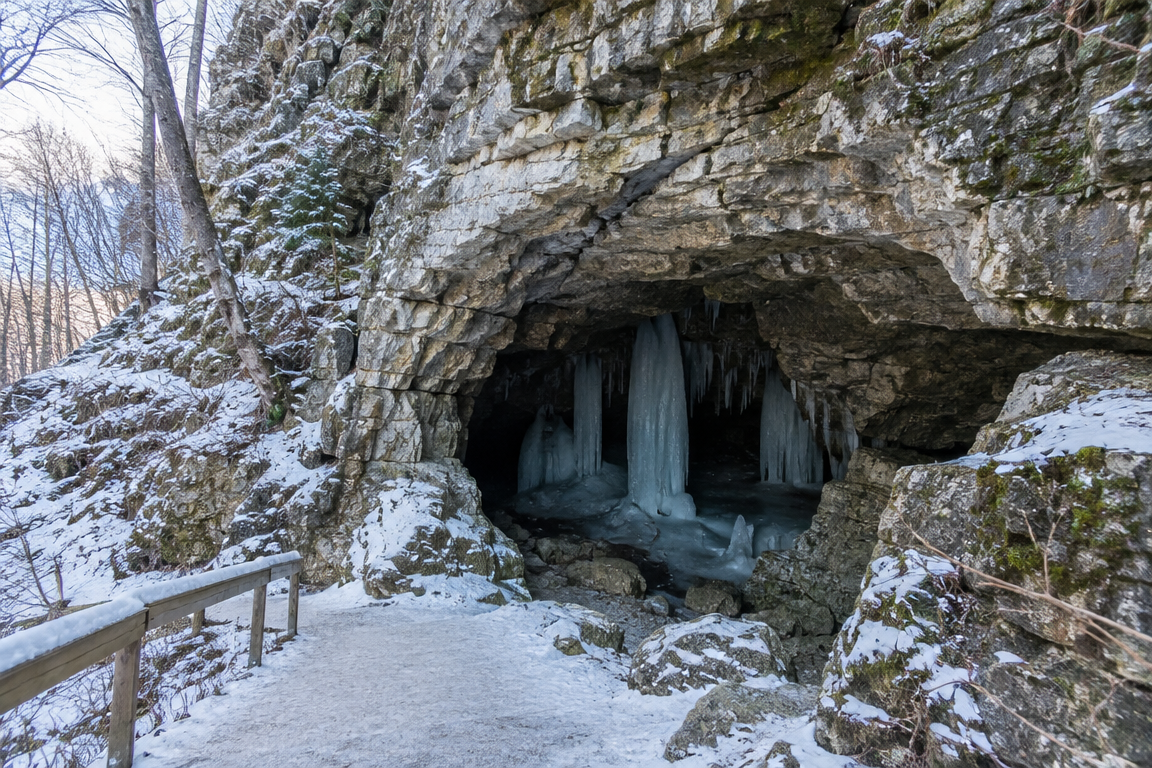
Located in northeast Iowa near the Upper Iowa River, Decorah Ice Cave is known for its cool temperatures that create ice formations even into spring months. The small cave sits within a scenic bluff landscape and attracts visitors curious about how groundwater temperature creates these natural ice sculptures. Access requires a short hike through forested terrain near Decorah's downtown area.
Fun fact: The cave maintains temperatures cold enough to preserve ice well into May, even as the forest around it leafs out and warms up.
Tip: Visit in late winter or early spring to see ice formations. Bring sturdy hiking boots; the approach is muddy and steep. No admission fee, but parking is limited.
2. Backbone State Park Caves
Dundee, Iowa
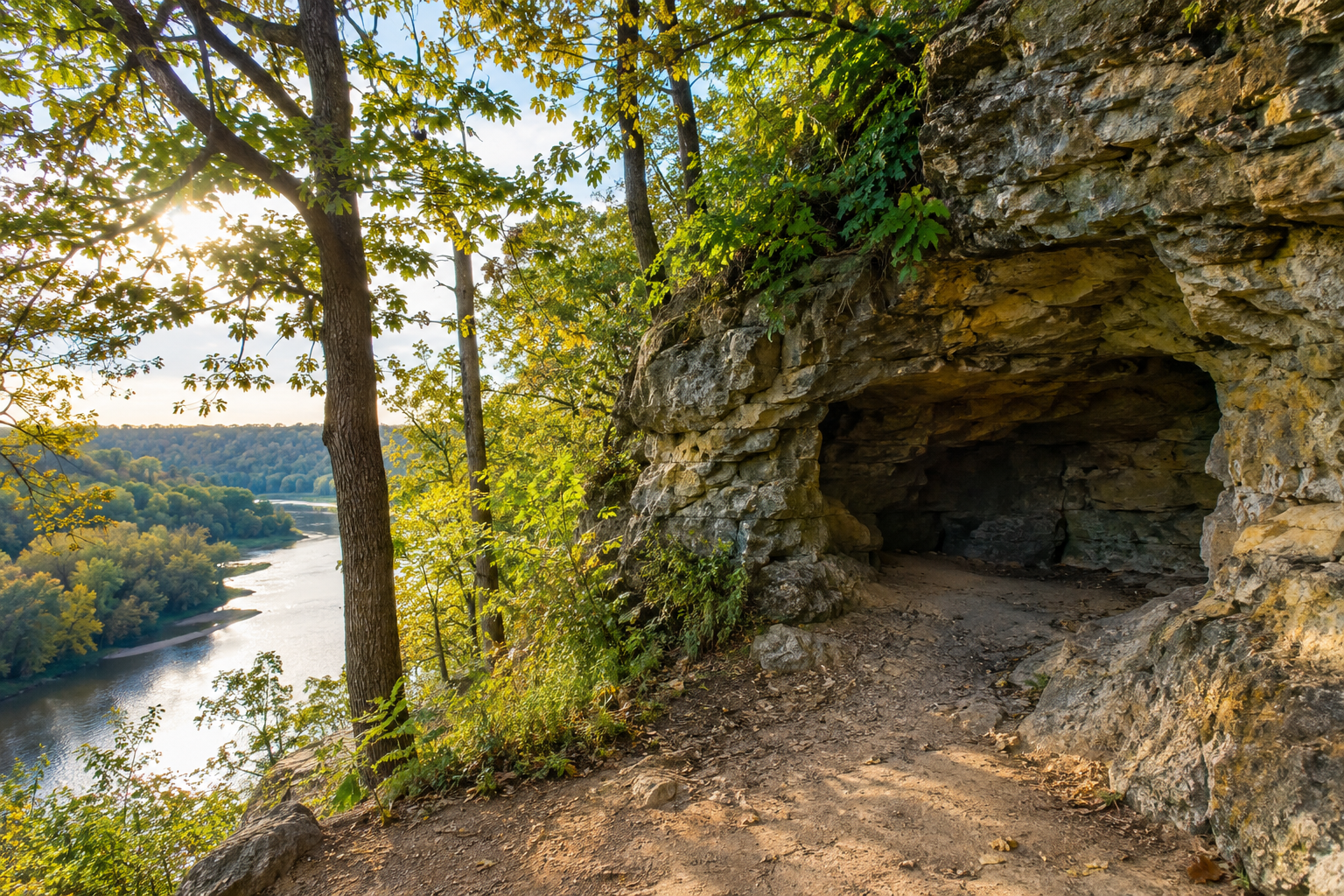
Backbone State Park, Iowa's oldest state park established in 1919, contains several small cave formations eroded into sandstone and limestone bluffs along the Maquoketa River near Dundee. The caves are modest in size but historically significant and beautifully situated within a park full of hiking trails and scenic overlooks. Most caves require no special equipment to view, though some exploration involves mild scrambling over uneven terrain.
Fun fact: Backbone State Park was established in 1919 and has been attracting cave explorers and naturalists for over a century.
Tip: Pack water and wear closed-toe hiking shoes. The park charges a vehicle entry fee. Combine your cave visit with the park's scenic loop drive for a full day outing.
3. Maquoketa Caves State Park
Maquoketa, Iowa
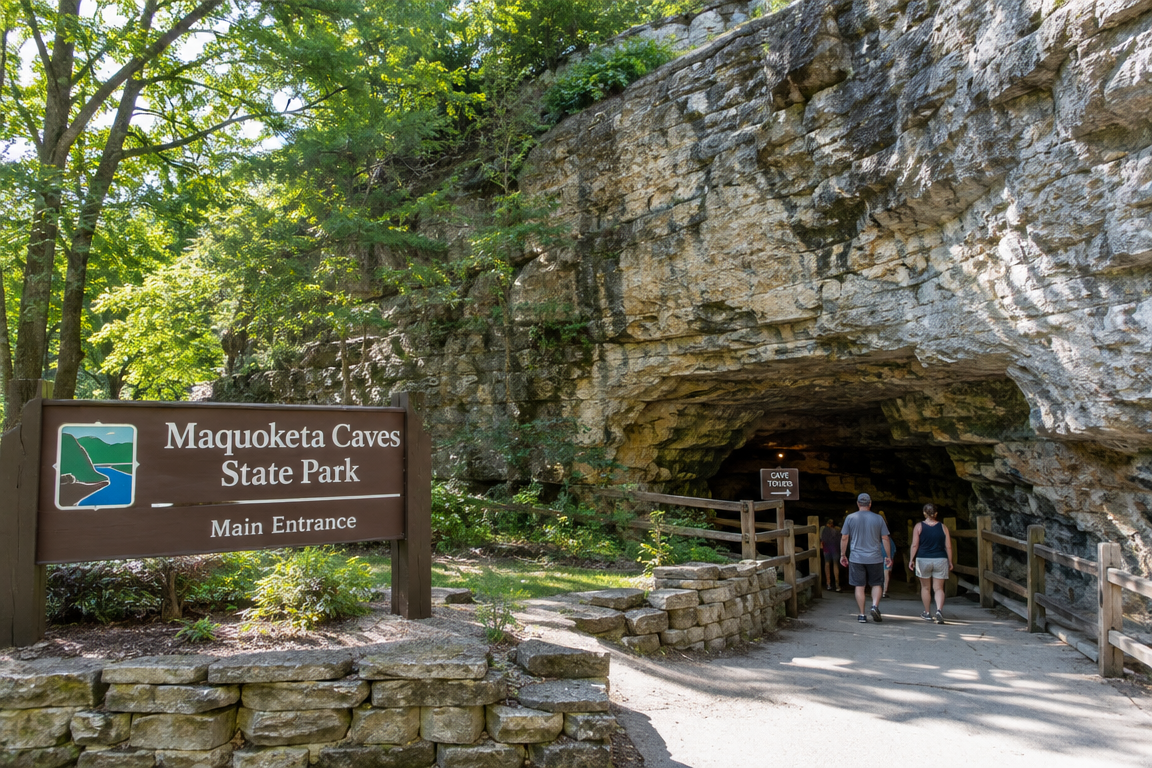
Maquoketa Caves State Park near Maquoketa features Iowa's most developed and accessible cave system, with guided tours through Wonderland Cave showcasing stalactites, stalagmites, and underground streams. The park includes multiple cave entrances and is home to several bat species, making it both a geological and ecological destination for cave exploration. The natural landscape above ground features hiking trails and scenic vistas over the Maquoketa River valley.
Fun fact: The cave system is home to several species of bats, including the federally endangered Indiana bat, which uses the caves for hibernation.
Tip: Book guided cave tours in advance during peak season (summer). Tours last about 40 minutes. The park charges a modest tour fee. Best time to visit is May through October.
4. Ledges State Park Caves
Boone, Iowa
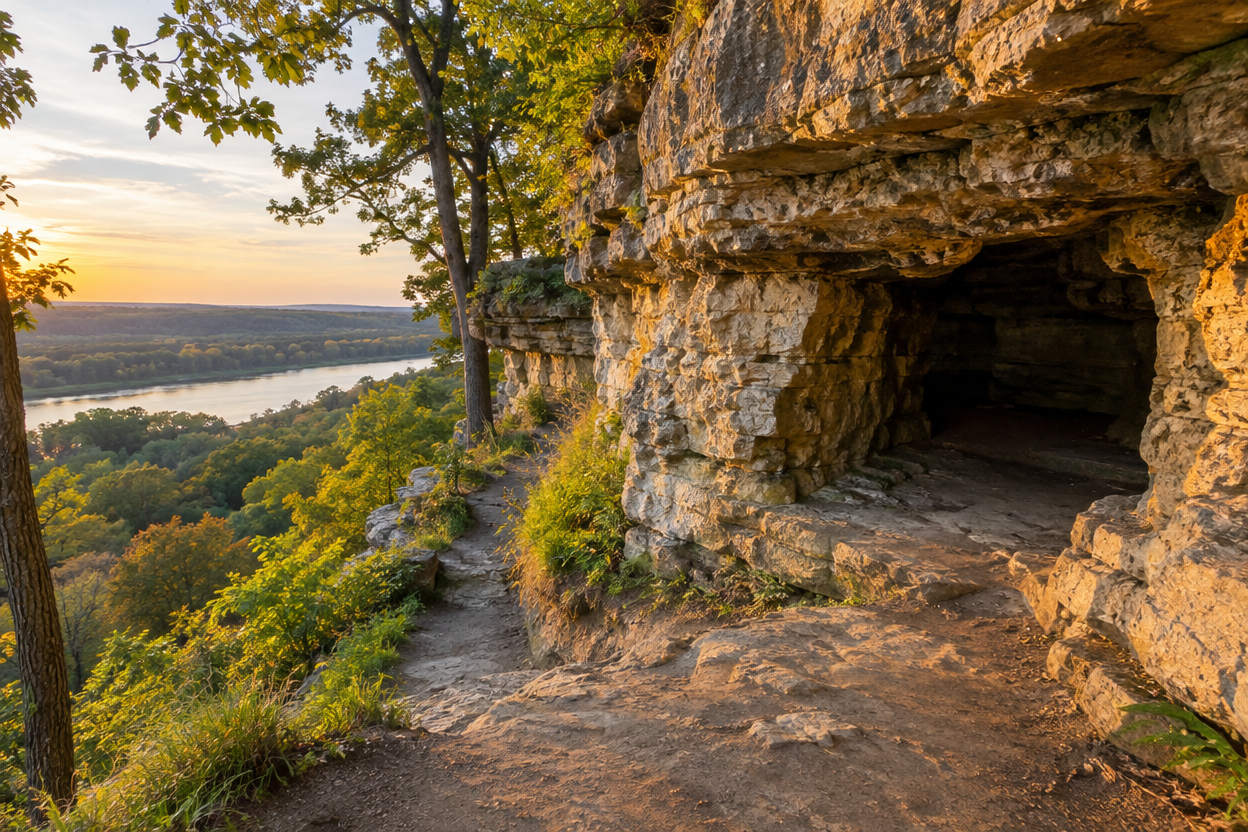
Ledges State Park near Boone contains several small cave formations within its dramatic river bluffs overlooking the Des Moines River. The caves here are less commercialized than those at Maquoketa, offering a quieter cave exploration experience for visitors who prefer off-the-beaten-path discovery. The park's scenic trails connect several cave entrances and offer sweeping valley views across Boone County.
Fun fact: The Des Moines River has carved these bluffs over millennia, creating numerous small cave alcoves that dot the park's 137-acre landscape.
Tip: Bring a flashlight or headlamp even for small caves. The park is less crowded in spring and fall. No special cave admission required beyond park entry.
5. Starved Rock State Park Caves
Near Boone, Iowa
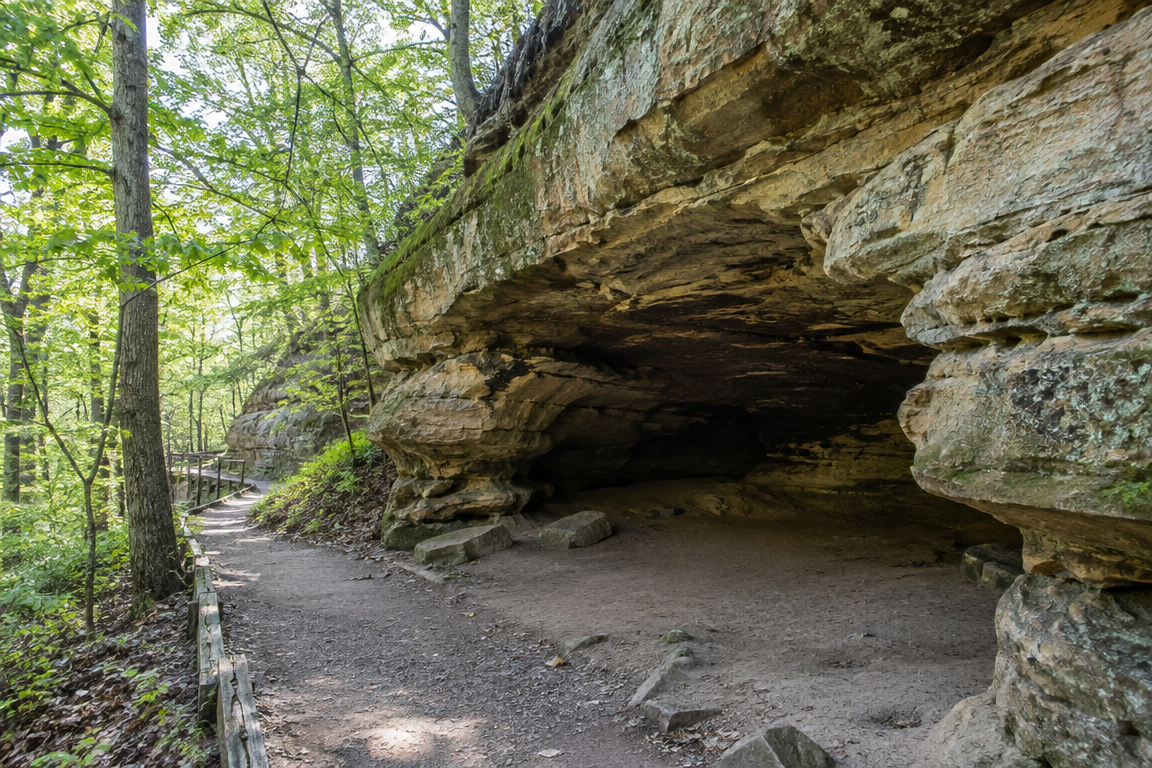
While better known for its canyon trails and scenic overlooks, Starved Rock State Park's bluffs near Boone contain several small cave formations and rock shelters carved by ancient water flow. These sheltered alcoves offer glimpses into how Iowa's geology creates natural gathering spaces and cave systems. The setting within the park's rugged terrain adds to the sense of discovery for cave explorers.
Fun fact: Native Americans used these rock shelters for thousands of years, making them not just geological features but archaeological sites as well.
Tip: Explore caves as part of a longer hiking excursion through the park. Sturdy boots are essential on uneven terrain. Spring wildflowers make April and May ideal visiting months.
6. Bixby State Park Caves
Independence, Iowa
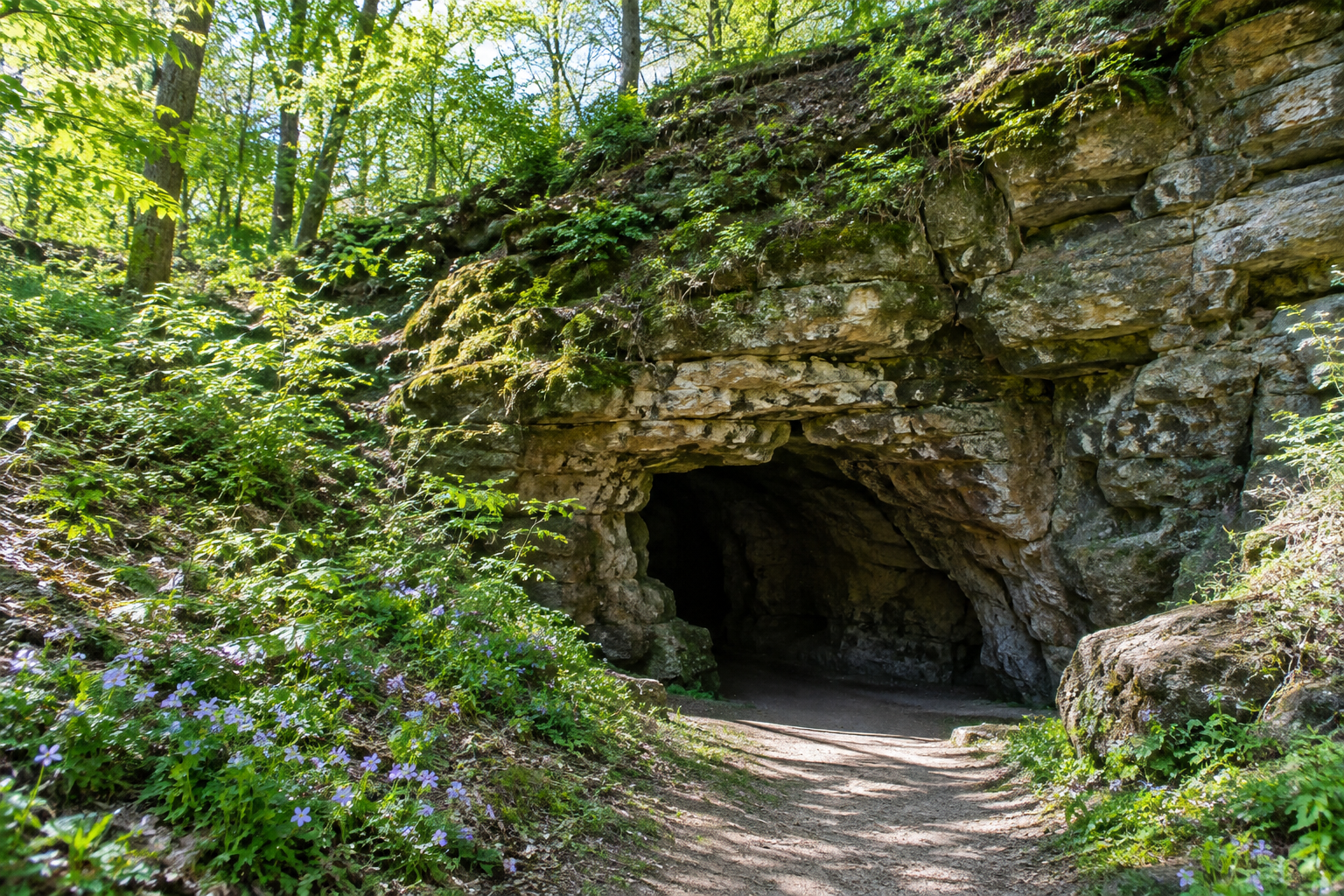
Bixby State Park in Independence preserves a series of small cave formations and rock shelters along scenic bluffs in northeast Iowa. The park emphasizes quiet nature study and offers trails that reveal the relationship between the park's limestone geology and its current landscape of native plants and wildlife. Cave exploration here combines well with bird watching and botanical interest.
Fun fact: The park sits atop some of Iowa's most biodiverse woodland, making it a hotspot for spring migratory birds that shelter in the same bluffs where caves form.
Tip: Visit in spring (April-May) for wildflowers and migrating songbirds. Bring binoculars. No entrance fee; it's a free state park.
7. Pilot Mound Caves
Pilot Mound, Iowa
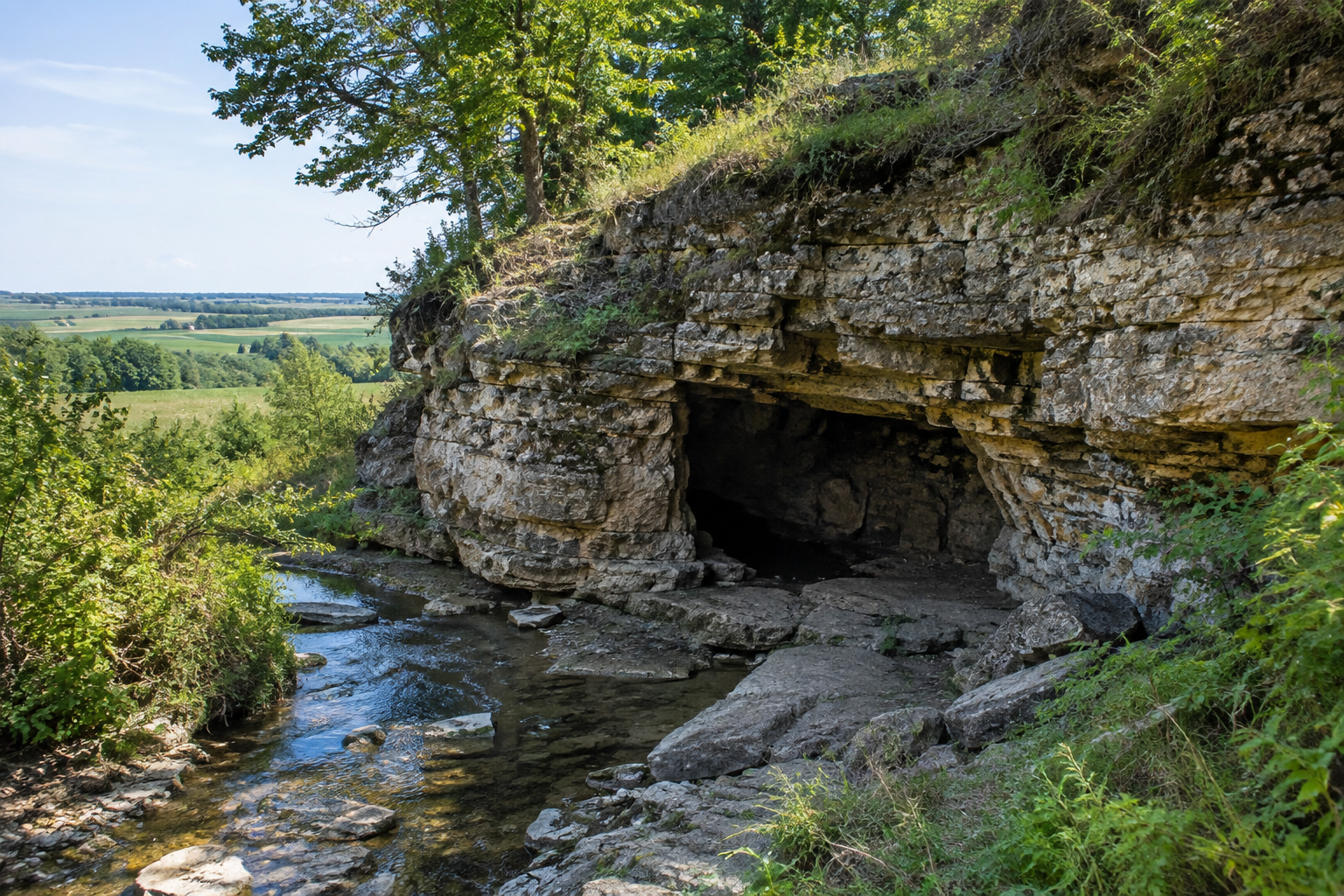
Pilot Mound is a small community in central Iowa near the Skunk River that features modest cave formations within its bluffs. These caves are rarely crowded and appeal to explorers seeking authentic, less-developed cave experiences away from state park infrastructure. The surrounding landscape is pastoral Iowa farmland interspersed with river valleys and wooded hillsides.
Fun fact: Pilot Mound sits on a slight geographic prominence that gives the settlement its name and creates the geological conditions for nearby cave formations.
Tip: These caves require more independent research and navigation than state park sites. Check with local county extension offices for access information. Best visited in dry weather when creek beds are manageable.
8. Geode State Park Caves
Muscatine, Iowa
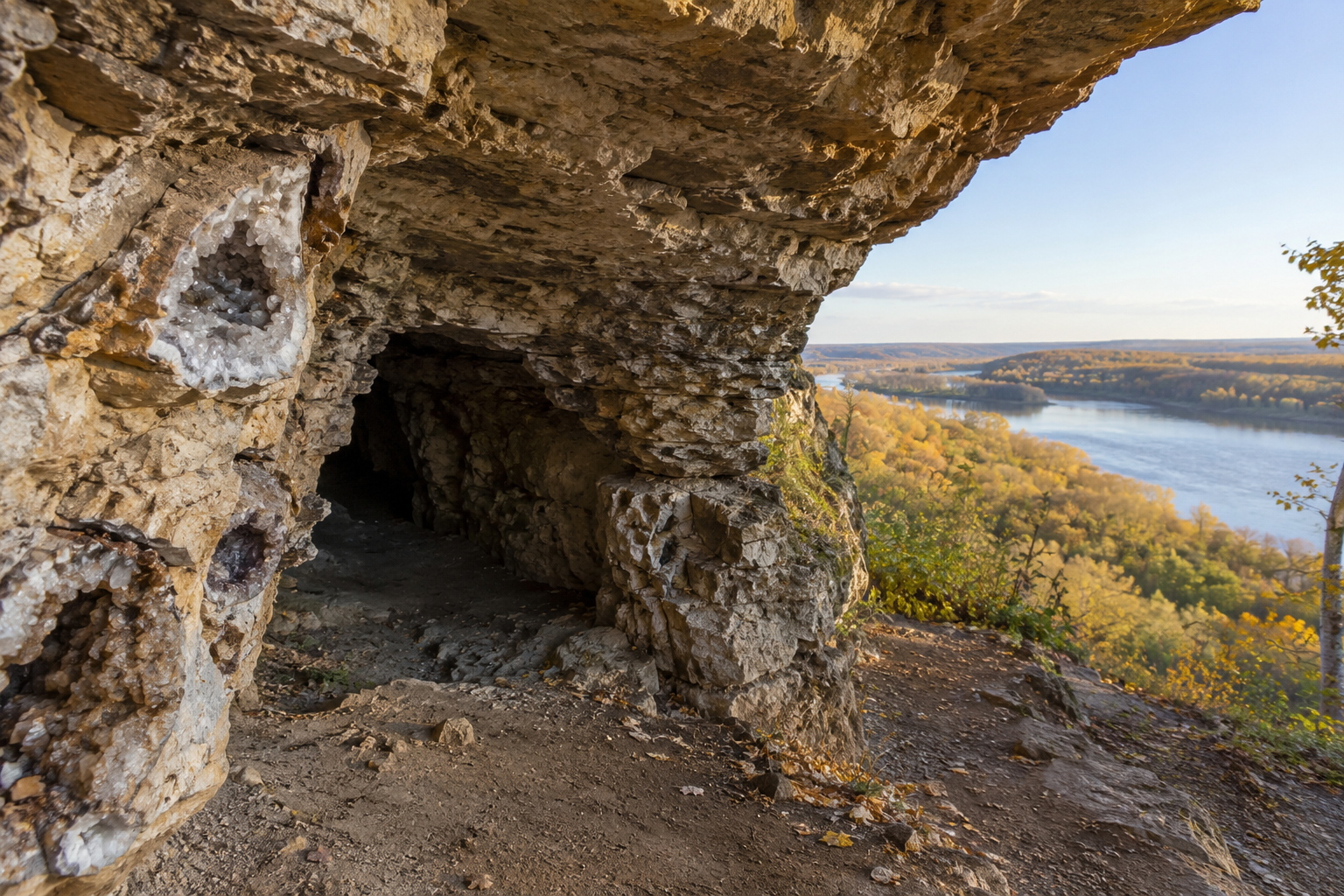
Geode State Park near Muscatine, named for the agate geodes found in its limestone, also contains small cave formations within its scenic bluffs above the Des Moines River. The park is less cave-focused than Maquoketa but offers a well-rounded natural area experience where geology, hiking, and water recreation blend together. Cave exploration here pairs well with fossil hunting among the park's exposed stone faces.
Fun fact: Geodes found in this park's limestone can contain perfectly formed quartz crystals inside hollow stone shells, making them prized by rock collectors.
Tip: Wear sturdy boots for uneven, rocky terrain. Bring a hand lens or magnifying glass to examine geode formations up close. Visit in fall for moderate temperatures and fewer crowds.
9. Yellow River Forest Caves
Allamakee County, Iowa
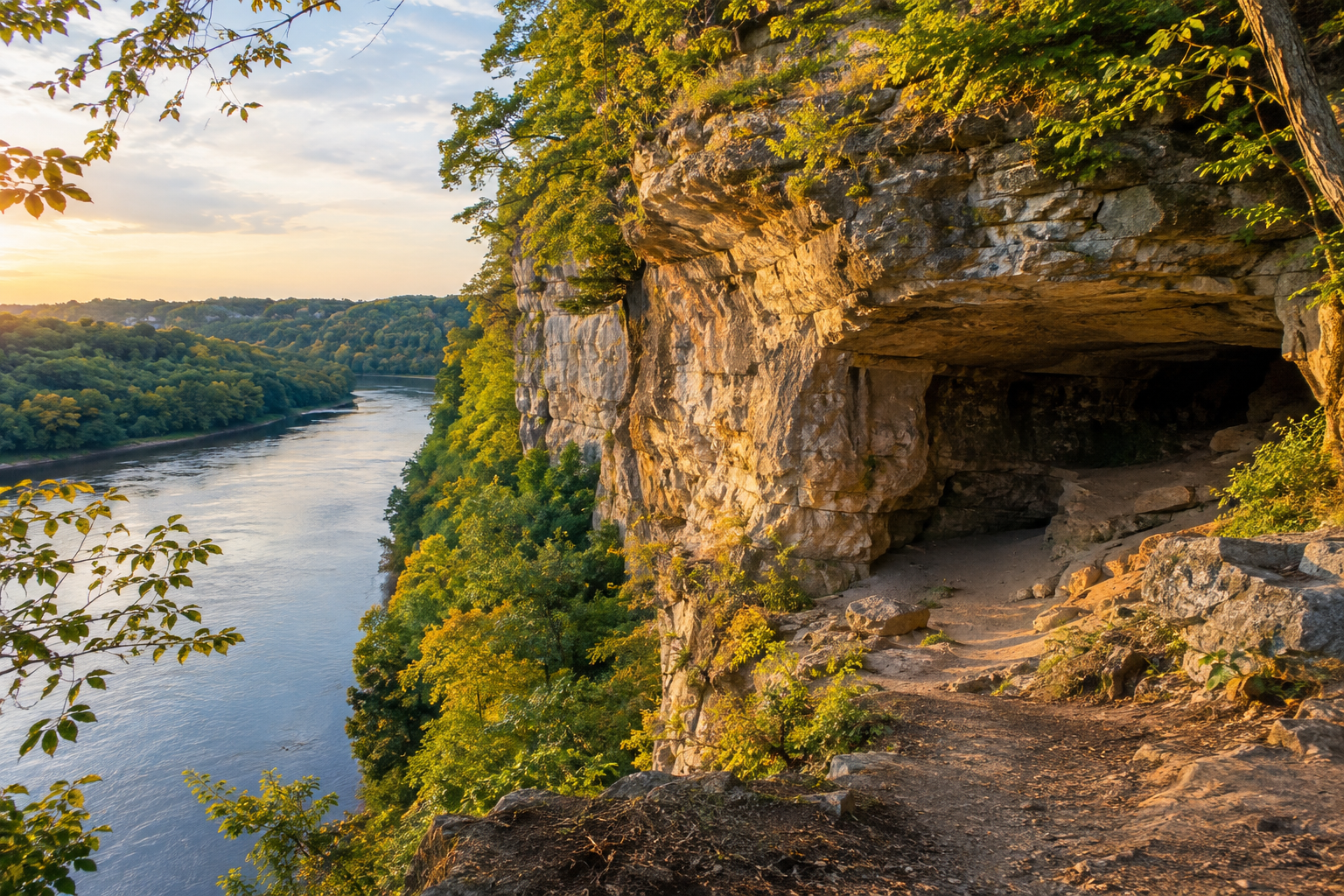
The Yellow River region in far northeast Iowa contains several small cave formations within mature forest along the scenic Yellow River. This area remains one of Iowa's least-developed cave regions, appealing to experienced explorers willing to do more research and on-the-ground investigating. The surrounding forest is pristine and the caves feel genuinely remote for true underground exploration.
Fun fact: The Yellow River itself has carved caves and alcoves into its banks, meaning some cave entrances are only accessible during low water periods.
Tip: Check water levels before visiting—high water can make caves inaccessible. Bring detailed topographic maps and a GPS device. This area is best for experienced explorers comfortable with minimal infrastructure.
10. Chimney Rock Caves
Near Lansing, Iowa
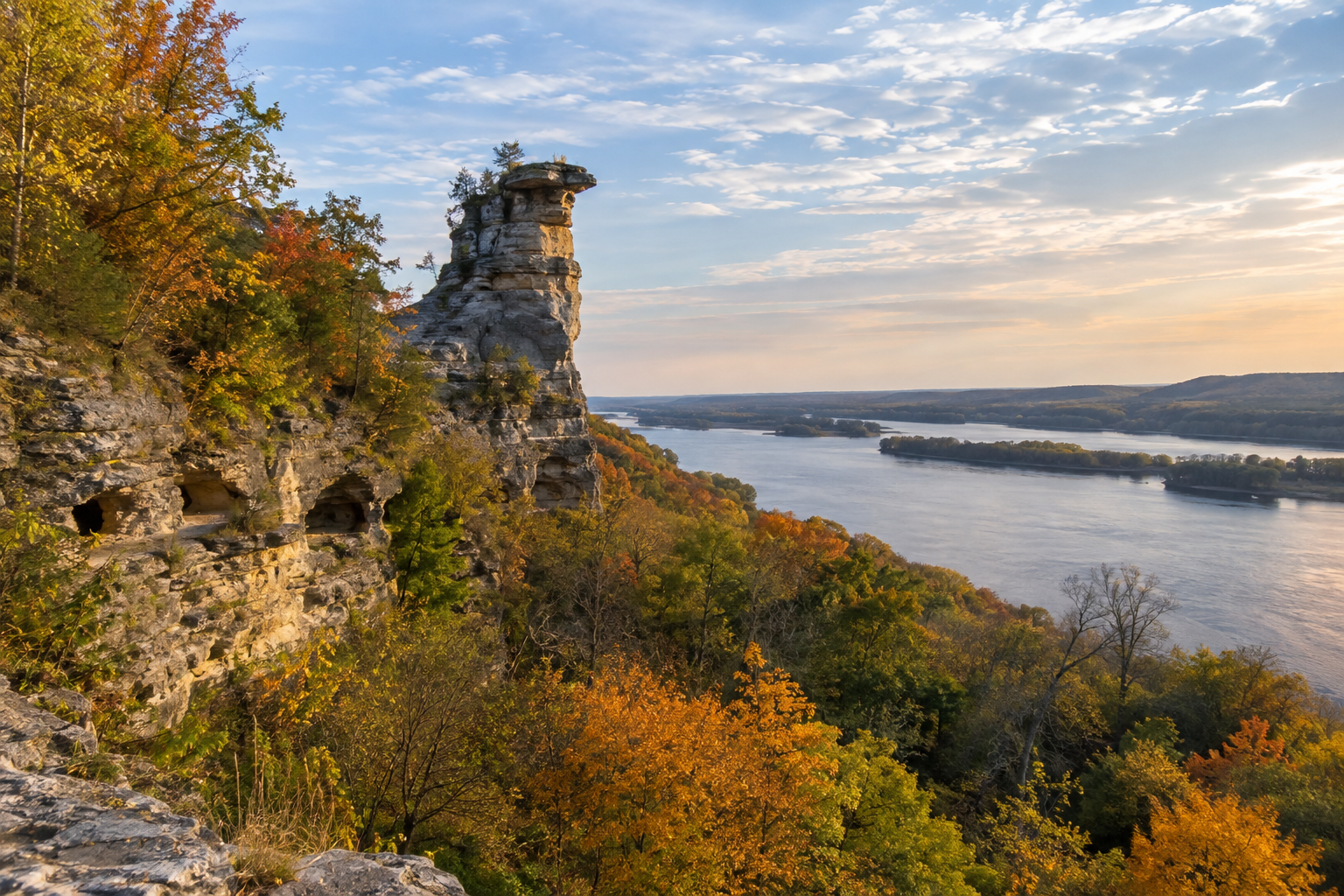
Chimney Rock, a distinctive natural formation near Lansing in northeast Iowa, sits atop bluffs containing several small cave alcoves and passages. The location offers both the curiosity of the prominent rock formation and the geological intrigue of the caves below. The setting overlooks the Mississippi River valley and combines dramatic topography with hidden underground spaces.
Fun fact: Chimney Rock has been a landmark for travelers for centuries—both Native Americans and early European explorers used it as a navigation reference point on the Mississippi River.
Tip: The approach requires permission from local landowners or use of marked public access routes. Check with Allamakee County visitor information before planning a trip. Best visited in fall when weather is mild and foliage is spectacular.
11. Lost Grove Lake Caves
Delaware County, Iowa
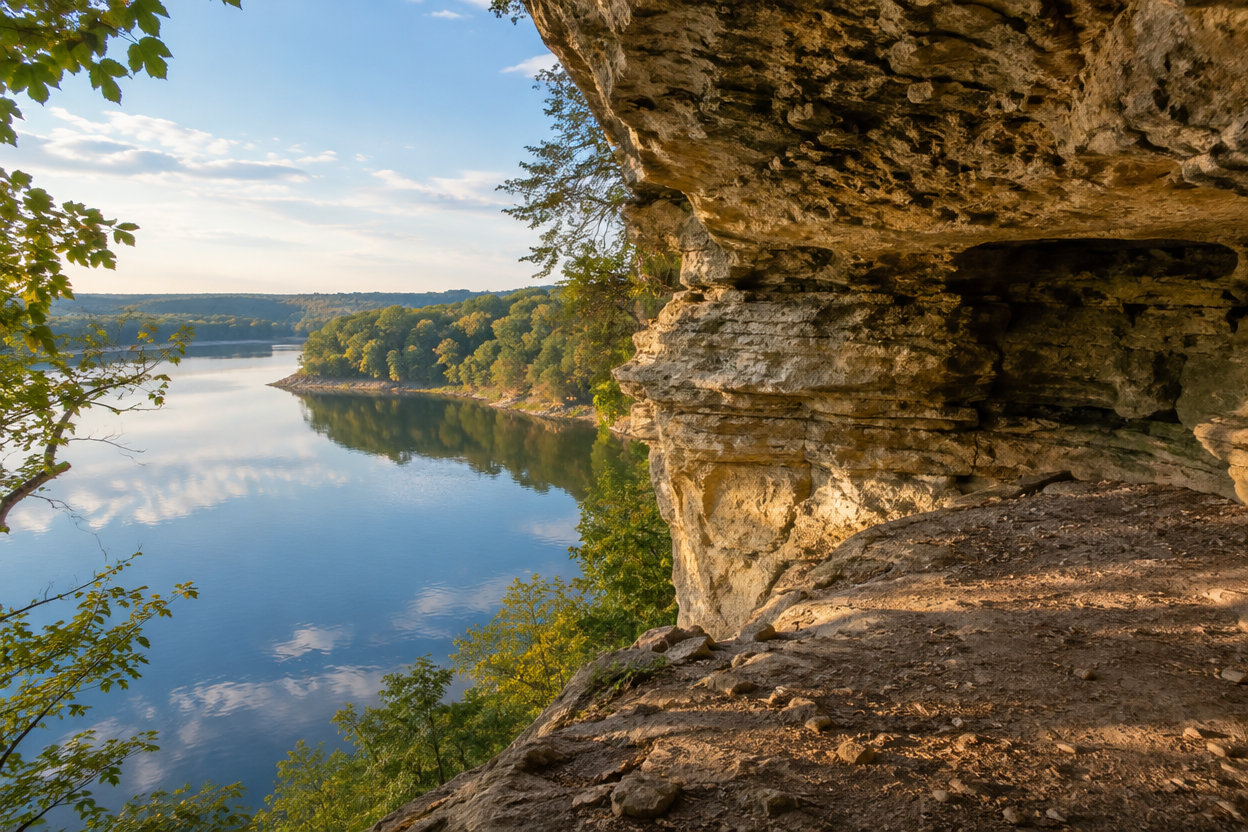
Lost Grove Lake State Park in Delaware County contains subtle cave formations and rock shelters within its scenic bluffs. The park is quieter than major cave destinations and combines water recreation with geological exploration, as visitors can hike to cave alcoves and then enjoy the lake itself. The landscape feels distinctly northeast Iowa with its wooded terrain and water features.
Fun fact: Lost Grove Lake was created by damming a small creek, inadvertently creating a reservoir that enhanced the natural drama of the surrounding limestone bluffs.
Tip: Pack a picnic and make a day of it combining cave exploration with lakeside relaxation. The park charges a vehicle entry fee. Spring and early fall are ideal for hiking comfort.
12. Trap Rock State Park Caves
Mahaska County, Iowa
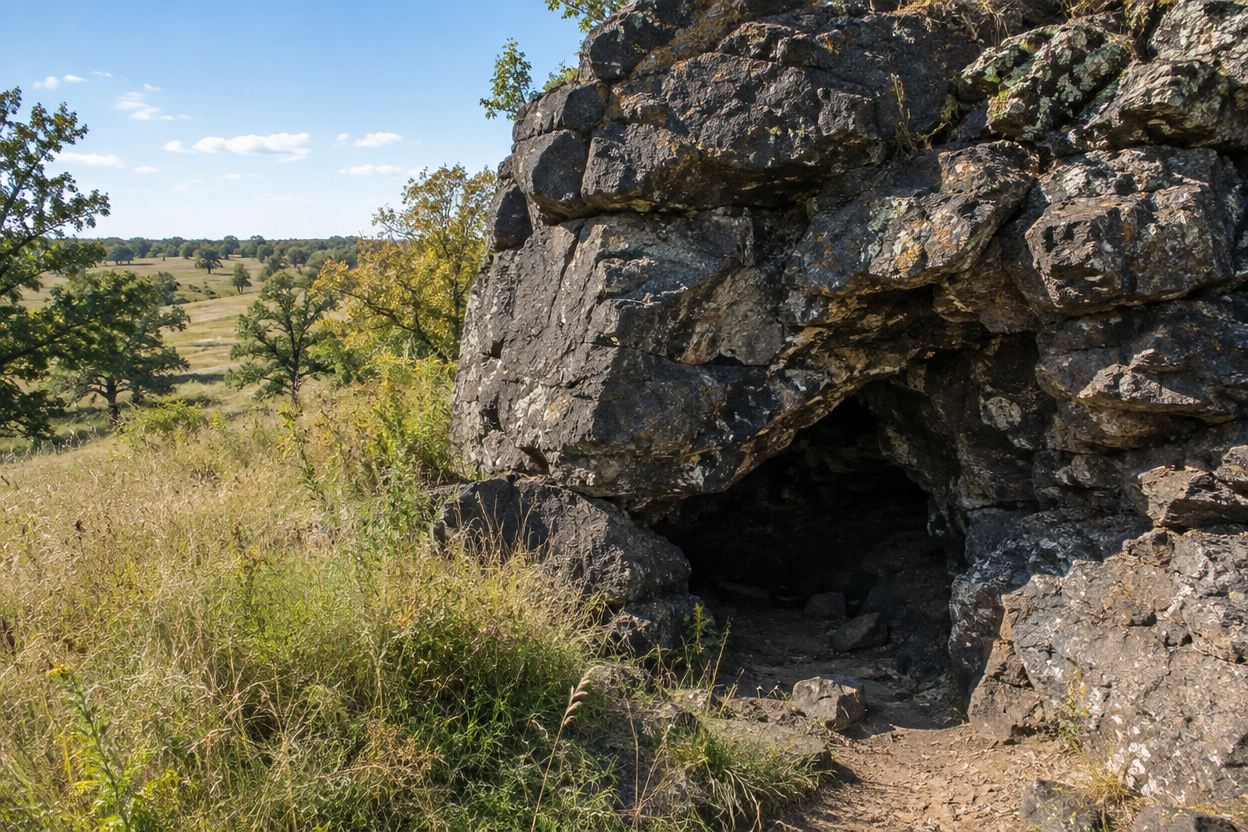
Trap Rock State Park in south-central Iowa features small cave formations within its volcanic trap rock formations—a geological oddity for Iowa that makes the caves here distinct from the state's more common limestone caverns. The park's caves are modest but represent a unique geological story of ancient volcanic activity. The surrounding landscape preserves native prairie and oak savanna.
Fun fact: Trap rock forms from ancient lava flows that cooled and hardened, making these Iowa caves geologically unique compared to the state's limestone-dominated cave systems.
Tip: The park has minimal infrastructure and sees few visitors. Bring water and a map. Visit in late spring or early fall when weather is mild. No entrance fee.
13. Fern Hill Caves
Washington County, Iowa
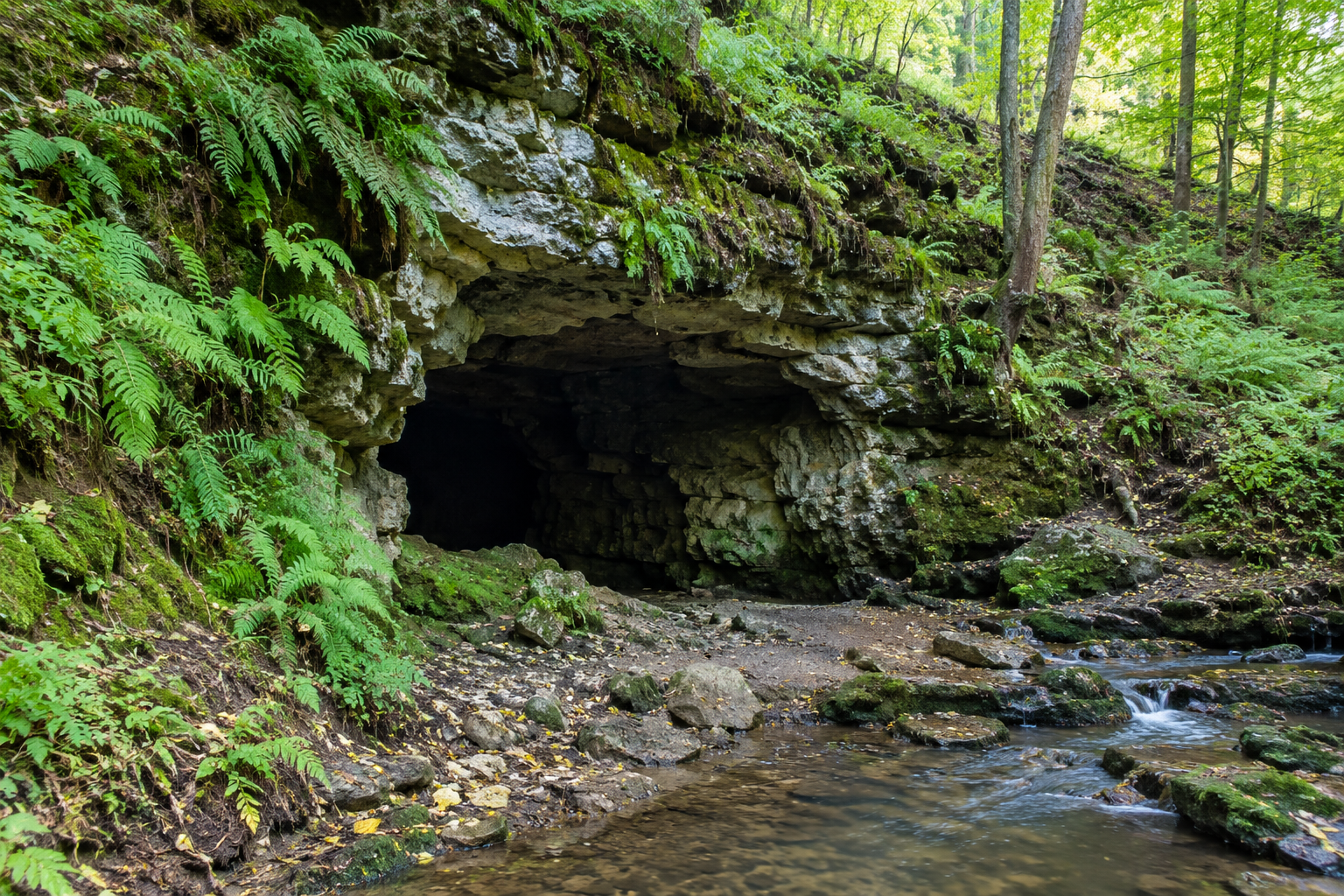
Fern Hill Caves in Washington County represent modest cave formations within southeast Iowa's rolling terrain. These caves are quiet and attract fewer visitors than northern Iowa's developed cave parks, making them suitable for explorers seeking solitude and authentic cave discovery. The setting is pastoral Iowa countryside with small waterways and wooded hillsides.
Fun fact: The name Fern Hill refers to the abundant fern species that grow near cave entrances, thriving in the cool, moist conditions created by groundwater seeping from the caves.
Tip: Access may require permission from private landowners; contact Washington County Parks and Recreation ahead of time. Bring sturdy boots and a flashlight. Late spring is ideal when ferns are lush.
Whether you're seeking guided cave tours at developed parks, scrambling through modest rock shelters, or investigating remote formations in northeast Iowa, the state's caves deliver geological wonder year-round. Plan your underground adventure and experience one of Iowa's most overlooked natural attractions.
Frequently asked questions
What is the best time of year to visit caves in Iowa?
Spring (April-May) and fall (September-October) offer mild temperatures and lower crowds. Summer is popular but can be hot above ground. Winter showcases ice formations at places like Decorah Ice Cave but brings unpredictable weather. Each season rewards different interests—spring features wildflowers, fall offers foliage, and winter reveals ice features.
Are Iowa caves safe to explore without a guided tour?
Many smaller caves on public land can be explored independently with proper precautions: bring a reliable flashlight or headlamp, sturdy closed-toe hiking boots, warm clothing (caves stay around 50°F year-round), and tell someone where you're going. For developed caves like Maquoketa, guided tours are safer and more informative. Never enter caves alone or during high water conditions.
Do I need to pay admission to visit Iowa's caves?
Many small caves on public land are free to access. State parks charge vehicle entry fees (typically $4-7 per day). Guided cave tours at developed sites like Maquoketa Caves State Park usually cost $10-15 per person. Some caves on private land may require landowner permission or a small fee.
Which Iowa caves are home to bats?
Maquoketa Caves State Park and several other developed caves shelter bat species, including the federally endangered Indiana bat. Visit during cooler months (fall through spring) when bats are hibernating if you want to observe them. Do not touch bats or disturb hibernation sites.
What equipment do I need for cave exploration in Iowa?
For most Iowa caves, you only need a reliable flashlight or headlamp, sturdy closed-toe hiking boots, and warm clothing (caves stay around 50°F year-round). More serious underground exploration requires additional equipment like helmets and rope, which guided tours usually handle.