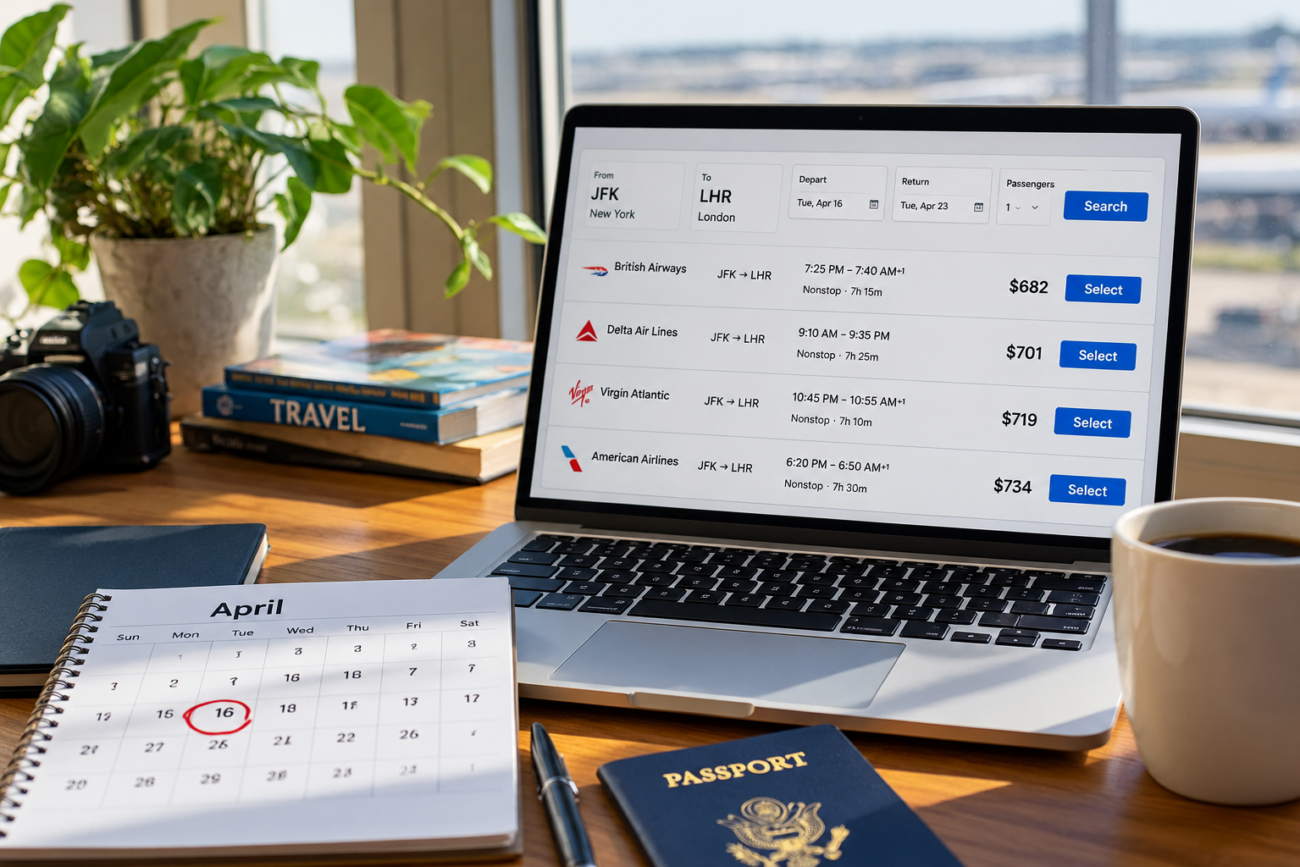
Finding cheap flights across America doesn't require a travel agent or insider connections—it requires strategy, timing, and the right tools. Whether you're booking a cross-country trip from New York to Los Angeles or a regional flight within the Southeast, knowing how to compare and book affordable domestic flights can save you hundreds per ticket. We'll walk you through proven methods travelers use to score the best deals on domestic U.S. airfare in 2026.
1. Book Tuesday Afternoons for the Lowest Fares
Online Booking Platforms
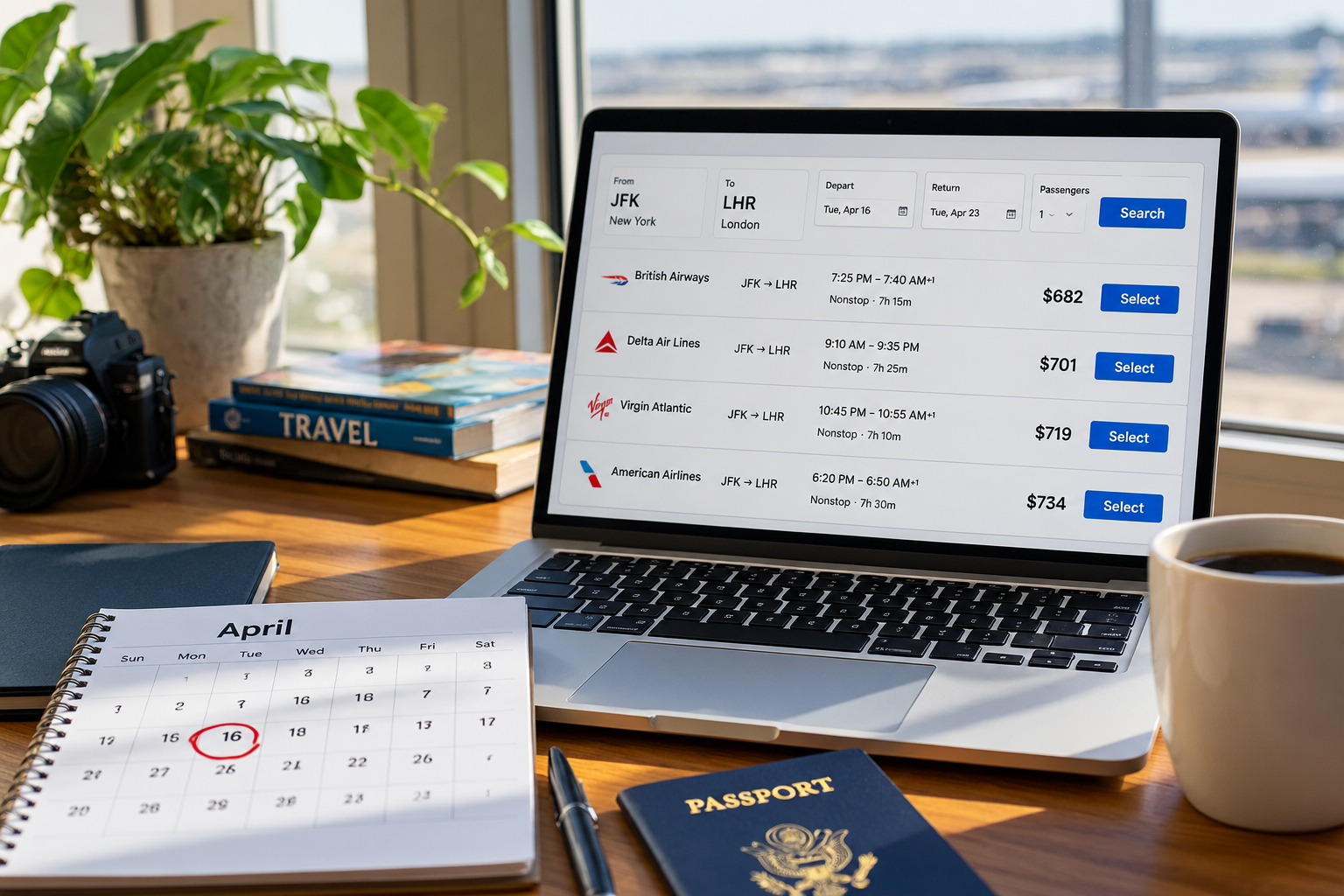
Airfare algorithms release deals and price updates throughout the week, with Tuesday afternoons (around 3 p.m. EST) historically offering some of the lowest prices for domestic flights. This pattern emerges because airlines adjust pricing in response to competitor moves, and Tuesday is when major carriers like Delta, United, and American Airlines make their weekly adjustments. The advantage shifts quickly as other travelers catch on, so booking that same day is critical. Price drops can appear suddenly across routes from Chicago to Miami, San Francisco to Denver, or Boston to Atlanta.
Fun fact: Airlines reportedly use psychological pricing—fares ending in .99 cents appear cheaper even when the actual savings are minimal, which is why $198.99 looks more appealing than $200 to most bookers.
Tip: Set browser notifications or price alerts for Tuesday mornings and be ready to purchase by 3 p.m. Avoid booking on Friday afternoons when prices typically spike as weekend travel plans finalize.
2. Use Flight Comparison Engines Strategically
Google Flights, Kayak, Skyscanner, Momondo
Comparison engines aggregate prices across airlines and booking sites, saving you from checking dozens of websites individually when searching for cheap flights on domestic routes. Google Flights offers a calendar view that highlights cheaper days to fly between U.S. cities, while Skyscanner and Kayak show nearby airport options automatically. Momondo includes budget carriers and alternative routing that sometimes offer surprising connections through hub cities like Dallas, Atlanta, or Chicago. These tools let you compare flights from major metros and secondary airports simultaneously.
Fun fact: Google Flights' price tracking feature can monitor thousands of domestic routes simultaneously, alerting you to price drops weeks before your planned trip, with historical data showing average price trends for your specific route.
Tip: Compare the same flight across at least three engines before booking—prices vary because each site negotiates differently with airlines. Incognito browsing helps avoid dynamic pricing that increases when you revisit the same route.
3. Embrace Flexibility on Travel Dates
Domestic U.S. Routes
Shifting your travel dates by just one or two days can reveal 20 to 40 percent price differences on the same route when booking cheap flights. Mid-week flights (Tuesday through Thursday) cost substantially less than weekend flights, and avoiding peak travel periods like spring break and summer holidays makes a dramatic difference. Airlines price seats based on demand patterns they've tracked for years across every domestic corridor from coast to coast.
Fun fact: A flight from New York to Los Angeles on Friday can cost $120 more than the same flight on Tuesday, even though the distance and fuel are identical—pure demand-based pricing.
Tip: Use flexible date calendars on Google Flights or set price alerts for a range of dates rather than a specific day. Traveling in shoulder seasons (April–May or September–October) consistently offers lower fares than peak summer or holiday periods.
4. Monitor Airline Sales and Newsletter Deals
Airline Websites and Email
Major U.S. carriers—Delta, United, American, Southwest, and Alaska—announce flash sales and email-exclusive deals for domestic flights that often aren't posted elsewhere. Southwest's Transfarency blog regularly lists fare sales across its network, while budget carriers like Frontier and Spirit advertise heavily discounted routes from hub cities. Being on these mailing lists costs nothing and can notify you of deals 24 hours before they sell out. These newsletters often feature limited-time promotions on popular domestic routes.
Fun fact: Southwest Airlines has a policy against hidden fees, and their 'Transfarency' program was created specifically to advertise low-cost routes, which means some of their advertised deals genuinely offer value without baggage surprises.
Tip: Subscribe to newsletters from at least three major airlines and set email filters to prevent inbox clutter. Check these emails during work breaks—popular flash sales often sell out within hours of announcement.
5. Consider Alternative Airports Near Your Destination
Major U.S. Metropolitan Areas
Flying into a secondary airport often saves 20 to 50 percent compared to flying into the primary hub when booking cheap flights to major cities. New York has Newark (EWR) and LaGuardia (LGA) alongside JFK; Los Angeles has Long Beach (LGB) and Ontario (ONT); and the San Francisco Bay Area includes Oakland (OAK) and San Jose (SJC). Budget airlines especially use these alternative airports for domestic service, and ground transportation costs are usually minimal. Comparing prices across all available airports in a metro area is essential for finding the best flight deals.
Fun fact: Oakland International Airport, just 35 miles from San Francisco, regularly offers fares $80 to $150 cheaper than San Francisco International for domestic flights, yet BART train, rideshare, and rental car options make the trip simple and affordable.
Tip: Always search for flights to nearby alternative airports when available. Factor in ground transportation costs before deciding—a $100 cheaper flight that requires a $40 rideshare ride is still a net savings, and regional airports often have shorter security lines.
6. Use Incognito or Private Browsing Mode
Web Browsers
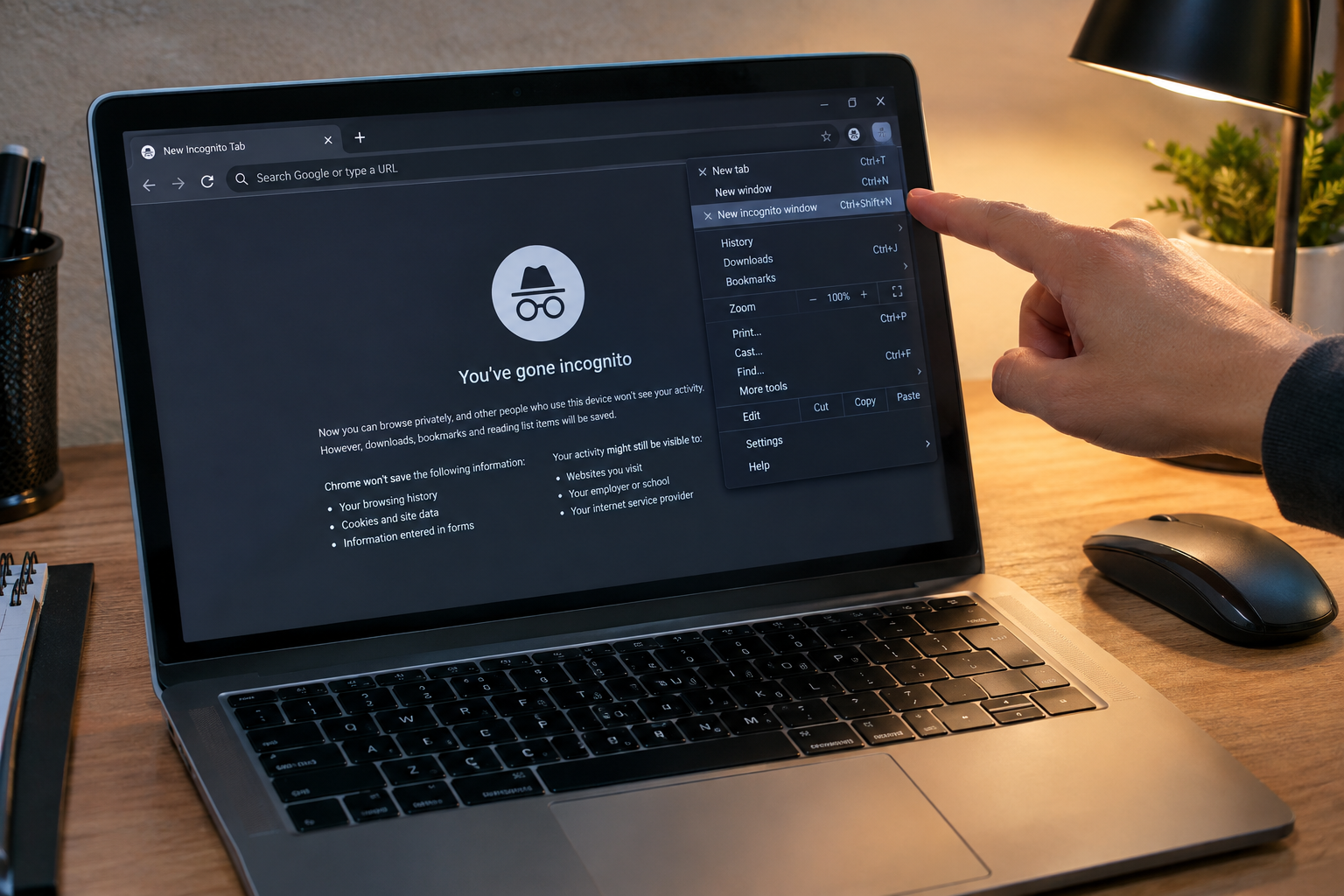
Websites track your browsing history and can show you inflated prices if you've repeatedly searched the same domestic flight route. Clearing cookies and searching in incognito mode prevents dynamic pricing algorithms from recognizing repeat customers and adjusting prices upward. This is especially important when you're comparing prices across multiple booking attempts for flights between U.S. cities.
Fun fact: Browser cookies can contain information about your device's price sensitivity—if you've clicked repeatedly on expensive tickets, some algorithms interpret this as willingness to pay more and adjust displayed prices accordingly.
Tip: Always clear cookies between searches or use incognito windows exclusively for airfare comparisons. Mobile apps sometimes bypass this tracking, so searching on both your desktop browser (incognito) and your phone can reveal price discrepancies.
7. Set Price Alerts Well in Advance
Google Flights, Hopper, Airfarewatchdog
Price alert tools monitor thousands of domestic routes and notify you the moment fares drop, allowing you to book cheap flights before prices recover. Google Flights, Hopper, and Airfarewatchdog specialize in this service and run the tracking automatically once you set parameters for your preferred destinations. Setting alerts 6 to 10 weeks before your trip gives you maximum lead time to catch price dips across major and minor U.S. routes.
Fun fact: Airlines often test lower prices on specific routes at specific times to gauge demand, and price-tracking algorithms identify these test prices within minutes, alerting subscribers before the test period ends.
Tip: Create alerts for flexible date ranges rather than specific dates—this captures more deals and lets you pivot travel plans around the cheapest available days. Check alert emails daily and book within 24 hours of significant price drops.
8. Book One-Way Flights Instead of Round-Trips
Major U.S. Routes
Booking outbound and return flights separately as one-way tickets can sometimes undercut round-trip pricing, especially when connecting through hub cities or using different airlines on domestic routes. One-way bookings give you full control over airline selection and routing logic without being forced into a single package. Budget airlines like Southwest and Spirit often price one-way flights competitively to build market share on routes from major hubs.
Fun fact: Round-trip pricing assumes you return on the same airline or alliance, but one-way bookings let you use cheaper carriers on each leg—you might fly Southwest outbound and Alaska return, maximizing your savings without penalties.
Tip: Always compare one-way totals against round-trip quotes using flight comparison engines. Be mindful of connection times if booking separate flights—a tight connection can derail your trip if your first flight is delayed.
9. Travel During Off-Peak Seasons
United States Domestic Routes
Peak travel seasons (summer, winter holidays, spring break) inflate airfare across virtually every domestic route by 30 to 60 percent compared to shoulder and off-peak seasons. Traveling in January, February, April, May, September, and October typically offers the lowest fares nationwide for cheap flights. These periods still offer excellent weather in most U.S. regions while avoiding the most expensive travel windows for both regional and cross-country trips.
Fun fact: Airfare demand follows school calendars precisely—the cheapest days nationwide are typically in late August and early September after summer travel peaks but before fall vacations, with fares 40 percent lower than mid-July.
Tip: Check your target destination's local event calendar before booking during shoulder seasons—some off-peak periods coincide with major conferences or regional festivals that spike local prices temporarily. Flexibility on your specific destination helps you avoid these hidden peak periods.
10. Check Award Flight Availability on Airline Loyalty Sites
Airline Frequent Flyer Portals
Loyalty program miles can stretch further on domestic flights than international ones, and checking award flight availability before redeeming is crucial since seat availability varies dramatically by route and date. Most major airlines allow you to search and compare award prices versus cash fares directly on their websites for domestic trips. Transferable points from credit card partners expand your options beyond single-airline programs across the U.S. network.
Fun fact: Award flight pricing is often based on fare buckets rather than distance, meaning a 200-mile flight might cost 25,000 miles while a 1,500-mile flight costs the same amount, making certain routes disproportionately valuable.
Tip: Accumulate miles through credit card sign-up bonuses and everyday spending—a single premium travel credit card bonus can cover one domestic flight entirely. Search award availability on multiple dates before committing to cash, since availability changes constantly.
11. Avoid Bag Fees with Strategic Airline Selection
Southwest Airlines, Alaska Airlines, Baggage Policy Comparison
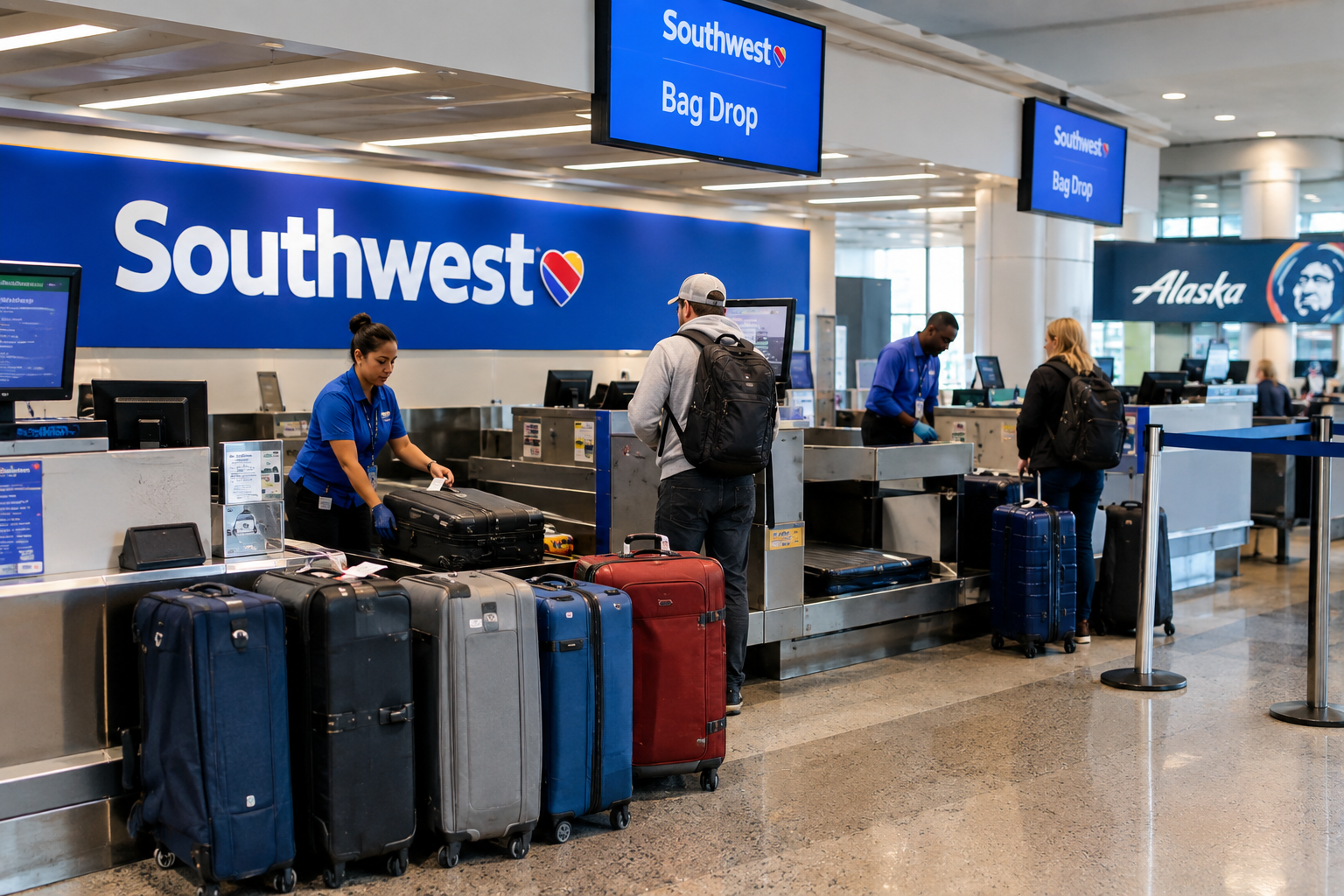
Southwest Airlines includes two checked bags free, while most competitors charge $35 to $45 per bag on domestic flights. Alaska Airlines includes one free checked bag for all passengers. Choosing your airline partially based on baggage policy can save $70 to $90 on a round-trip if you're checking luggage. Budget airlines like Spirit and Frontier charge for everything, so factor full fees into your fare comparison when booking cheap flights.
Fun fact: Southwest's free baggage policy originated from its early years competing against larger airlines—it became a permanent brand advantage that now saves families hundreds on vacations annually.
Tip: If you check bags, calculate the total cost including all fees before comparing fares. A ticket that appears $20 cheaper might cost $70 more once you factor in checked baggage on budget carriers.
Smart flight shopping combines flexibility, timing, and the right booking platforms. Start applying these strategies on your next domestic trip and watch your travel budget stretch further.
Frequently asked questions
What's the best day and time to book a cheap domestic flight?
Tuesday afternoon (around 3 p.m. EST) has historically offered lower fares, but this pattern is now widely known and the advantage is narrowing. The most important factor is setting price alerts and booking within 24 hours of a price drop on your preferred route, regardless of the day.
How far in advance should I book a domestic flight to get the best price?
Domestic flights typically reach lowest prices 1 to 3 months before travel, with the sweet spot around 6 to 8 weeks. However, if prices drop earlier due to a sale, book immediately—don't wait for an arbitrary 'perfect' timing window.
Do airline prices change based on my location or device?
Yes, websites can track your location and browsing history, potentially affecting displayed prices. Using incognito browsing mode, clearing cookies, and checking prices on both desktop and mobile apps helps avoid dynamic pricing algorithms.
Is it cheaper to book directly with the airline or through a third-party site?
Prices are typically identical across booking platforms, but third-party sites sometimes negotiate special deals or bundle options. Always compare the total cost including any booking fees—the cheapest total cost wins, regardless of booking platform.
What should I do if I find a lower price after booking a domestic flight?
Most airlines offer price matching within 24 hours of booking, and many travel insurance policies cover price drops. Contact the airline or booking site immediately if you spot a lower fare—many will refund the difference.