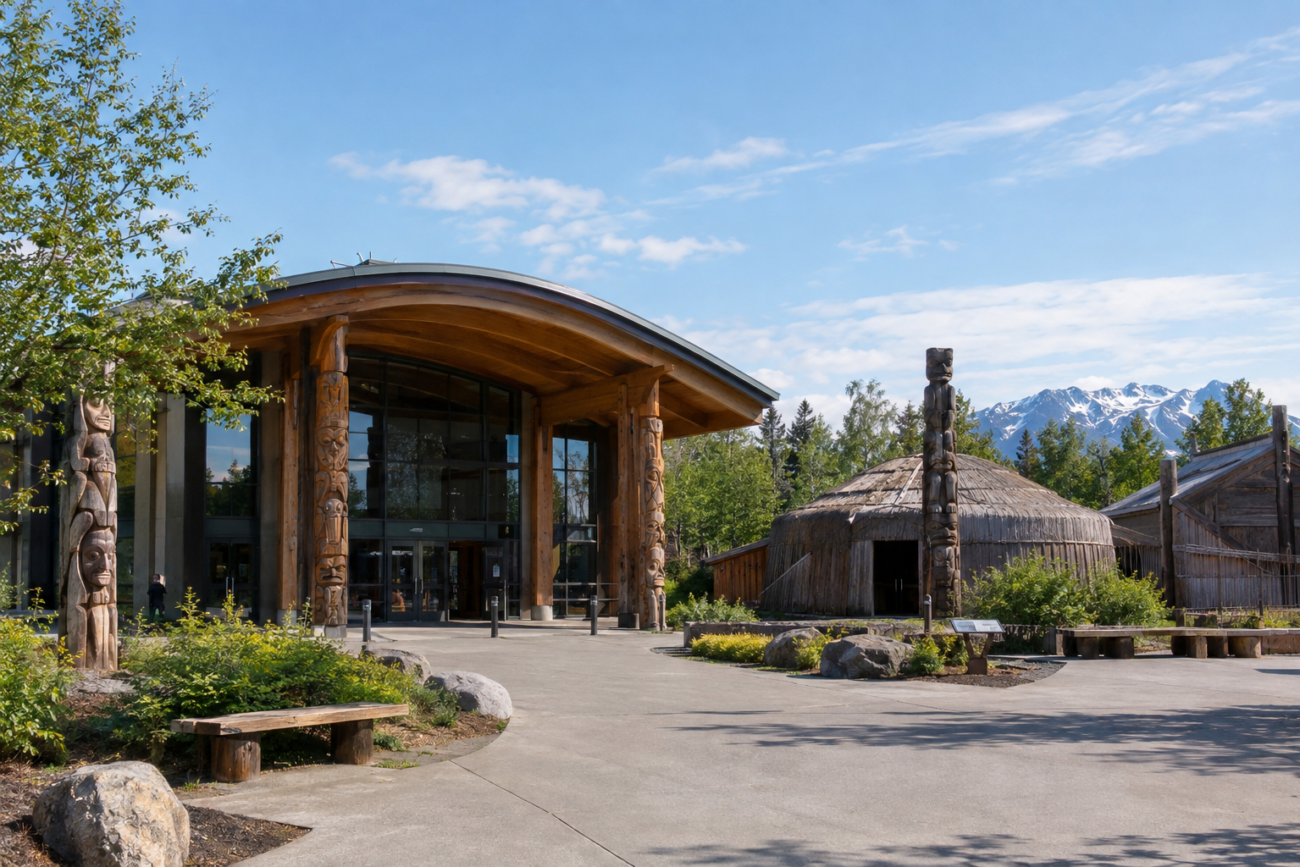
Alaska's museums offer far more than dusty displays—they're gateways to understanding glaciers, indigenous Tlingit and Inupiat cultures, gold rush history, and Arctic wildlife. From Anchorage to Juneau, these museums blend interactive exhibits with authentic storytelling that captivates young visitors and parents alike. Whether you're exploring a rainy afternoon or planning a museum-hopping road trip, these 13 stops deliver hands-on learning that connects kids to Alaska's remarkable heritage and ecosystems.
1. Alaska Native Heritage Center
Anchorage, Alaska
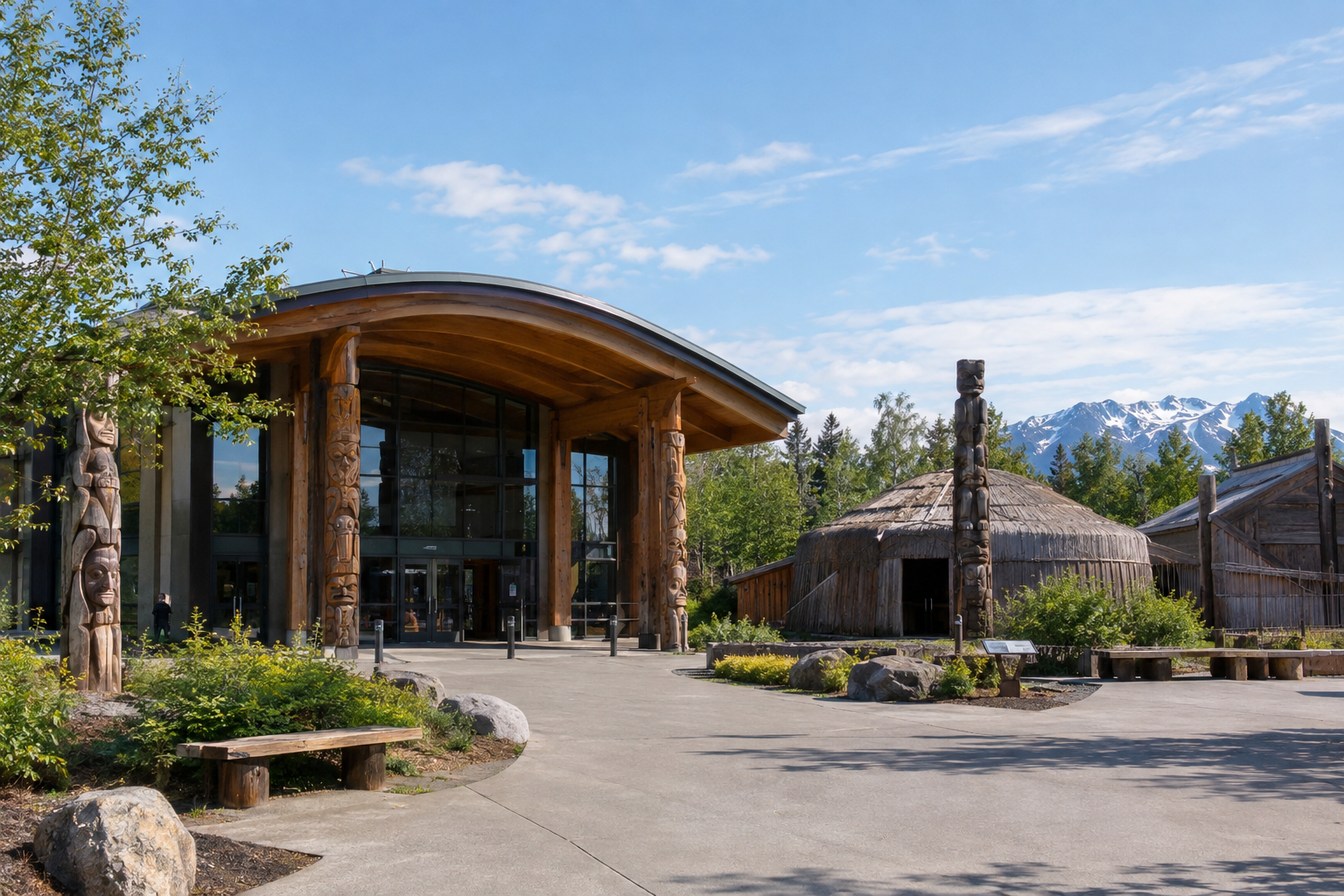
This 146,000-square-foot facility in Anchorage showcases the cultures, languages, and traditions of Alaska's 11 native groups, including the Tlingit, Haida, and Inupiat peoples. Kids explore authentic village reproductions designed by and representing actual communities, watch artists at work, and participate in hands-on crafts that teach traditional skills. The immersive galleries move beyond textbooks to reveal living cultures through storytelling, music, and interactive displays.
Fun fact: The center's village areas are designed by and represent actual communities, not generic museum recreations—each structure reflects real architectural styles and materials from each native culture.
Tip: Plan 3–4 hours for a full visit. Admission is paid; check for combo deals if visiting other Anchorage museums the same day. Arrive mid-morning to catch artist demonstrations.
2. Anchorage Museum
Anchorage, Alaska
One of Alaska's premier institutions, this Anchorage museum houses contemporary art, Alaska Native artifacts, natural history galleries, and a planetarium that captivates younger visitors. The North American Native Art section is particularly strong, with totem poles, masks, and carved objects that tell stories kids can grasp. The planetarium's immersive shows about Arctic stars and northern lights are a highlight for families exploring Anchorage attractions.
Fun fact: The museum's design includes natural light flooding through skylights, and its courtyard often hosts free outdoor installations and performances in summer.
Tip: Planetarium shows run on a schedule; arrive early to secure tickets for your preferred time. The café offers kid-friendly snacks, and the gift shop has reasonably priced books and crafts.
3. Tongass Historical Museum
Ketchikan, Alaska
Housed in the former Andrew P. Wigglesworth Building in downtown Ketchikan, this compact museum tells the story of Ketchikan's gold rush boom and native Tlingit heritage through artifacts, photographs, and period furnishings. Kids enjoy the reconstructed frontier saloon and the gallery of clan house treasures that spark curiosity about Alaska's indigenous past. The museum features Tlingit woven regalia and carved masks that illustrate the artistic mastery kids will find remarkable.
Fun fact: Ketchikan was once the 'Salmon Capital of the World' and still processes over 2 million pounds of salmon annually—kids can learn how the gold rush and fishing booms shaped the town's identity.
Tip: This museum is free to enter, making it a budget-friendly stop. It's located downtown in Ketchikan, just a short walk from the cruise ship docks and the famous Totem Pole Park.
4. Inside Passage Museum
Juneau, Alaska
This eclectic museum in Juneau celebrates Southeast Alaska's logging history, indigenous Tlingit and Haida cultures, and the colorful frontier characters who shaped the region. Kids are drawn to the maritime artifacts, Native art, and relics of the gold rush era, including an old-fashioned photographer's studio and vintage mining equipment. The compact layout makes it easy for younger visitors to explore Juneau's heritage without fatigue.
Fun fact: Juneau's capital building (Alaska State House) still uses a massive spruce tree that fell in Southeast Alaska as its main support beam—a testament to the region's timber heritage.
Tip: Admission is modest; combine this Juneau visit with a walk to nearby Totem Pole Park or a short bus ride to Mendenhall Glacier. The museum staff are knowledgeable and happy to answer kids' questions.
5. Sheldon Jackson Museum
Sitka, Alaska
Founded in 1895, this museum in Sitka holds one of the finest collections of Alaska Native art and artifacts in the state, with totem poles, Chilkat blankets, masks, and carved wooden objects that kids find visually stunning. The Russian colonial heritage of Sitka is evident throughout, reflecting the town's unique history as a former Russian-American capital. The museum's intimate size means kids don't feel overwhelmed, and the artifacts spark genuine curiosity about Sitka's complex past.
Fun fact: Sitka was the capital of Russian America before the U.S. purchased Alaska in 1867—you can still visit nearby Russian Orthodox churches in Sitka that date back to that colonial era.
Tip: Admission is charged but reasonable. The museum is small enough to tour in 1–2 hours; pair it with a visit to Sitka's historic downtown or a scenic walk around the town's waterfront.
6. Alaska Museum of Science and Nature
Anchorage, Alaska
This hands-on science museum in Anchorage features interactive exhibits about Alaska's ecosystems, geology, glaciers, and wildlife that resonate with curious young minds. Kids can touch ancient fossils, explore a recreation of a glacial valley, and learn about the animals that thrive in Alaska's extreme environments. The museum's focus on real Alaskan science and nature—rather than generic exhibits—makes learning feel authentic and locally rooted.
Fun fact: Alaska contains more glaciers than any other state in the nation, and this museum's glacier exhibits explain how these massive ice formations shape the landscape and climate.
Tip: Admission is charged; the museum is ideal for children ages 3–12. Plan 2–3 hours. The on-site café is small, so bring snacks or plan to eat elsewhere.
7. University of Alaska Museum of the North
Fairbanks, Alaska
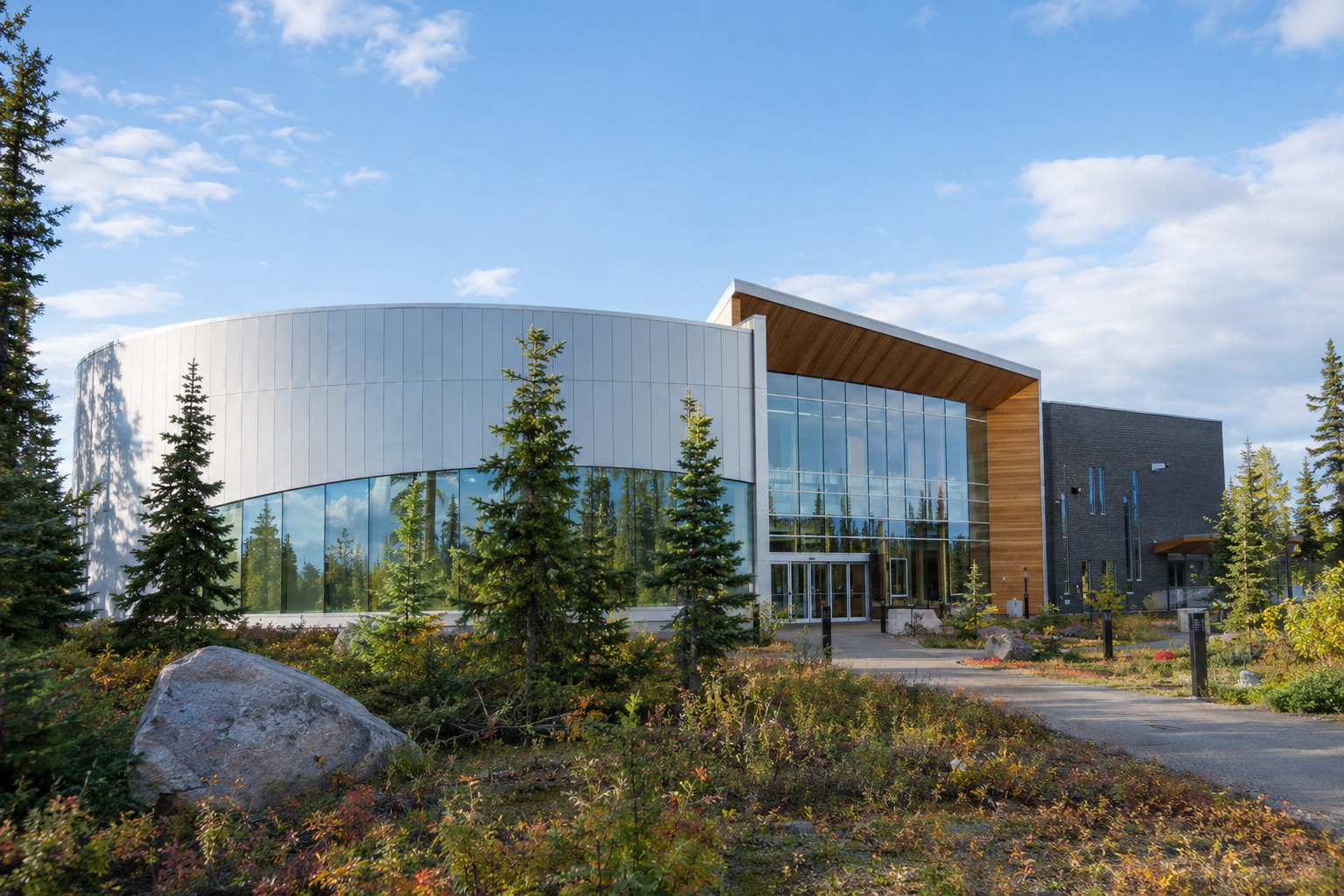
Located on the university campus in Fairbanks, this museum houses one of the largest collections of Alaska Native art and cultural artifacts, including an awe-inspiring display of totem poles and ceremonial regalia. The natural history galleries showcase fossils, including a world-class display of prehistoric mammoth remains found in Alaska's permafrost. Older kids especially appreciate the breadth of the collection and the scholarly context explaining cultural and ecological significance in Fairbanks's museum landscape.
Fun fact: The museum's Rose Berry Gallery houses over 600 totem poles and Alaska Native objects—one of the most comprehensive collections of indigenous art in North America.
Tip: Admission is charged but moderate. The museum is located on campus in Fairbanks, roughly 5 miles from downtown; plan to drive or take a taxi. Allow 2–3 hours for a thorough visit.
8. Valdez Museum
Valdez, Alaska
This multi-gallery museum in Valdez explores the city's history as a terminus for the gold rush, an oil industry hub, and a resilient Alaskan community that rebuilt after the devastating 1964 earthquake and 1989 Exxon Valdez oil spill. Kids are engaged by the exhibits about frontier life, indigenous Athabascan heritage, and the museum's extensive Native art collection. The museum features vintage photographs and artifacts that bring Valdez's dramatic past into sharp focus.
Fun fact: Valdez experienced the second-most powerful earthquake ever recorded in North America on March 27, 1964, triggering a tsunami that devastated the town—yet the community rebuilt from the ashes.
Tip: Admission is paid but affordable. The museum is located downtown in Valdez near the harbor; combine your visit with a scenic walk along the waterfront or a trip to nearby Bridal Veil Falls.
9. Pratt Museum
Homer, Alaska
This Kenai Peninsula museum in Homer celebrates the town's identity as the 'Halibut Fishing Capital of the World' through exhibits on commercial fishing, homesteading, and the region's natural beauty. Kids enjoy the maritime artifacts, vintage photography, and displays about the native Dena'ina Athabascan people who have lived in the region for millennia. The museum's accessible layout and storytelling approach make it engaging for families visiting this charming coastal town.
Fun fact: Homer's harbor can dock thousands of halibut fishing boats during peak season, and the museum's fishing exhibits explain how the industry shaped Homer's identity and culture.
Tip: Admission is modest. Homer is a scenic 3.5-hour drive from Anchorage; combine a museum visit with time exploring the Homer Spit, a unique 4.5-mile-long natural bar that juts into Kachemak Bay.
10. Carrie McLain Memorial Museum
Nome, Alaska
This small but fascinating museum in remote Nome showcases the town's gold rush heritage, Inupiat culture, and Arctic wildlife through photographs, artifacts, and taxidermied specimens. Kids are captivated by the stories of prospectors who arrived in the Bering Sea wilderness seeking fortune, and the museum's exhibits about modern Inupiat life and subsistence hunting offer an authentic window into Arctic Alaska. The museum's intimate scale makes it perfect for families wanting depth without overwhelming detail.
Fun fact: Nome's gold rush in 1899 was triggered by the accidental discovery of gold on a beach—within months, over 3,000 prospectors descended on the remote coastal town.
Tip: Admission is charged but minimal. Nome is only accessible by air or sea; most visitors arrive via fly-in or cruise ship. The museum is small enough to tour in 1–2 hours.
11. Russian Orthodox Cathedral and Museum
Sitka, Alaska
This extraordinary 1848 cathedral in Sitka, the oldest operating Orthodox cathedral in the continental U.S., is both an active place of worship and a museum where families can explore Russian-American colonial heritage. Kids are struck by the ornate icons, intricate woodwork, and the sense of history emanating from the wooden structure. Adjacent to the cathedral, a small museum offers context about Sitka's Russian period and the cultural legacy that persists today.
Fun fact: The cathedral is one of the few remaining structures from Russian America—most Russian colonial buildings were dismantled after the 1867 Alaska Purchase, making Sitka's cathedral exceptionally rare.
Tip: The cathedral in Sitka is still an active place of worship, so visit respectfully and check hours ahead of time. No admission fee for the cathedral itself; donations are welcome. Tours by knowledgeable docents can be arranged.
12. Talkeetna Historical Society Museum
Talkeetna, Alaska
This quirky and charming museum in the mountain town of Talkeetna celebrates the region's homesteading, mining, and aviation heritage. Kids enjoy the eclectic collection of frontier memorabilia, vintage aircraft artifacts, and stories of colorful Talkeetna characters. The museum captures the spirit of Alaska's wilderness culture and offers a window into how settlers adapted to remote, extreme conditions in Talkeetna.
Fun fact: Talkeetna is the jumping-off point for Denali climbing expeditions, and the town's quirkiness (it once elected a cat named Stubbs as honorary mayor) makes it a beloved destination for Alaskans seeking authentic Alaskan character.
Tip: Admission is minimal. Talkeetna is roughly 2 hours north of Anchorage by road; it's an ideal stop on a drive toward Denali National Park. The town itself is walkable and offers good restaurants and local shops.
13. Sitka Raptor Center
Sitka, Alaska
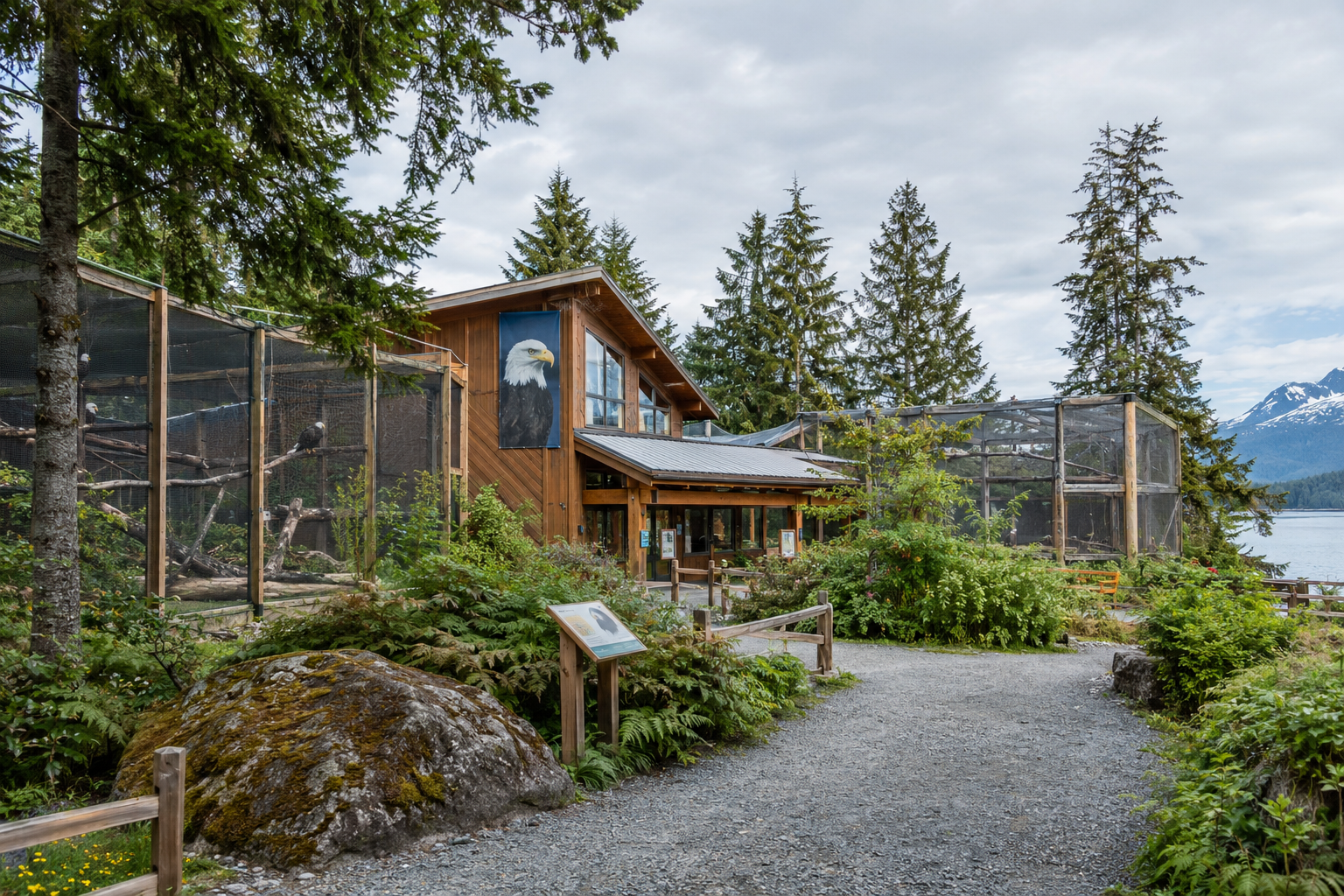
While technically a wildlife rehabilitation facility and educational center rather than a traditional museum, the Raptor Center in Sitka offers an unforgettable hands-on experience where kids learn about Alaska's raptors—eagles, owls, hawks—and the conservation efforts that protect them. Kids can observe recovering birds up close and hear educational talks about their behavior, hunting adaptations, and ecological roles. The outdoor aviaries and indoor exhibits create an immersive learning environment unique to Southeast Alaska's wildlife.
Fun fact: Sitka is home to the world's largest concentration of nesting bald eagles; during autumn months, hundreds of eagles gather along nearby streams to feast on salmon runs.
Tip: Admission is charged; allow 1–2 hours for a visit. The center in Sitka operates year-round, but summer months offer the most active wildlife viewing. Dress in layers—Sitka's weather can be cool and damp even in summer.
Whether your family is drawn to dinosaur fossils, native art, or frontier history, Alaska's museums deliver hands-on learning that turns a rainy day into an unforgettable adventure. Start planning your museum-hopping Alaskan road trip today.