Delaware may be small, but its museums reveal a surprising depth of cultural heritage—from maritime museums tracing the state's seafaring legacy to decorative arts collections spanning centuries. These 12 cultural stops across Delaware tell interconnected stories of colonial settlement, industrial innovation, and regional artistic traditions that shaped American history.
1. Delaware History Museum
Wilmington, Delaware
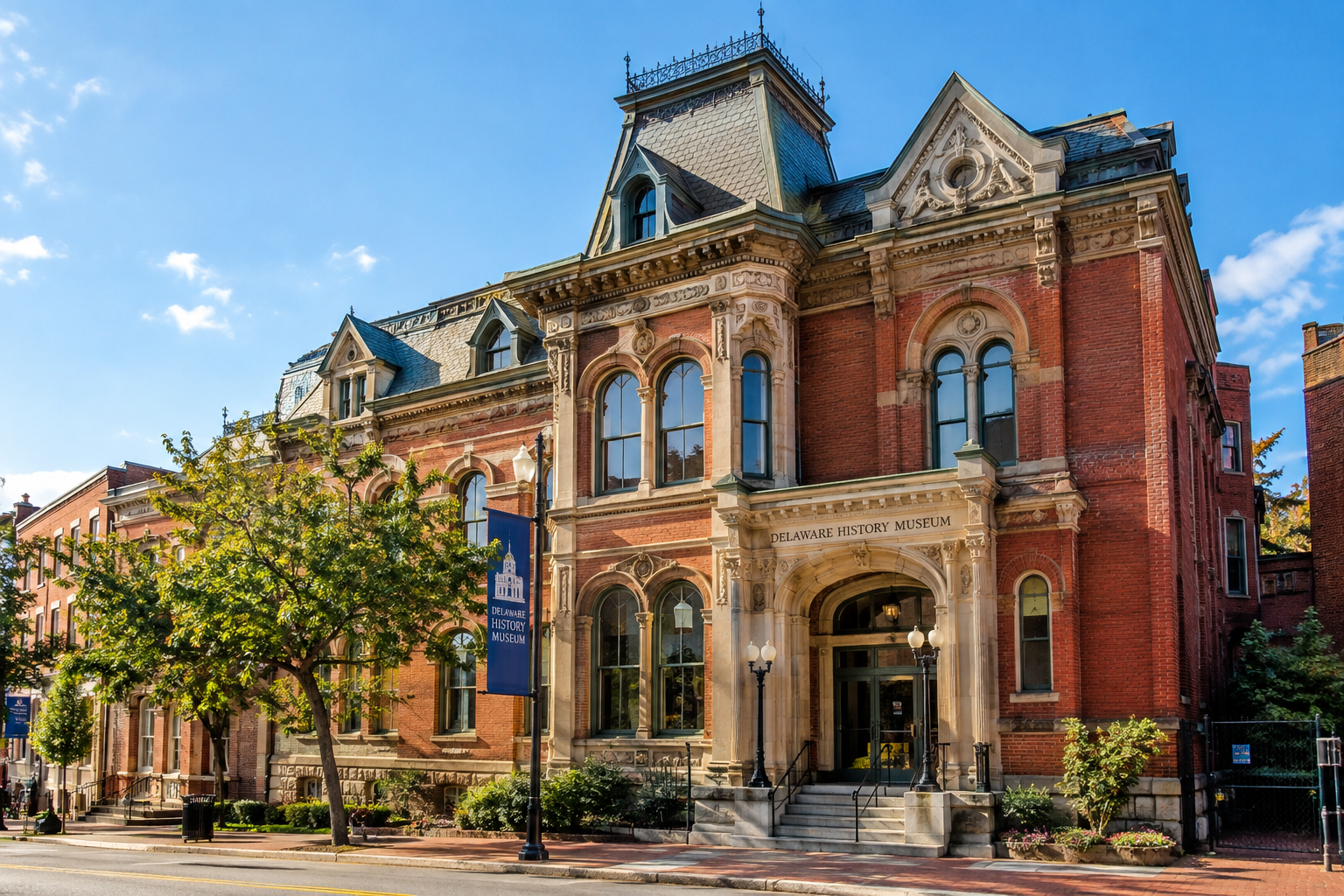
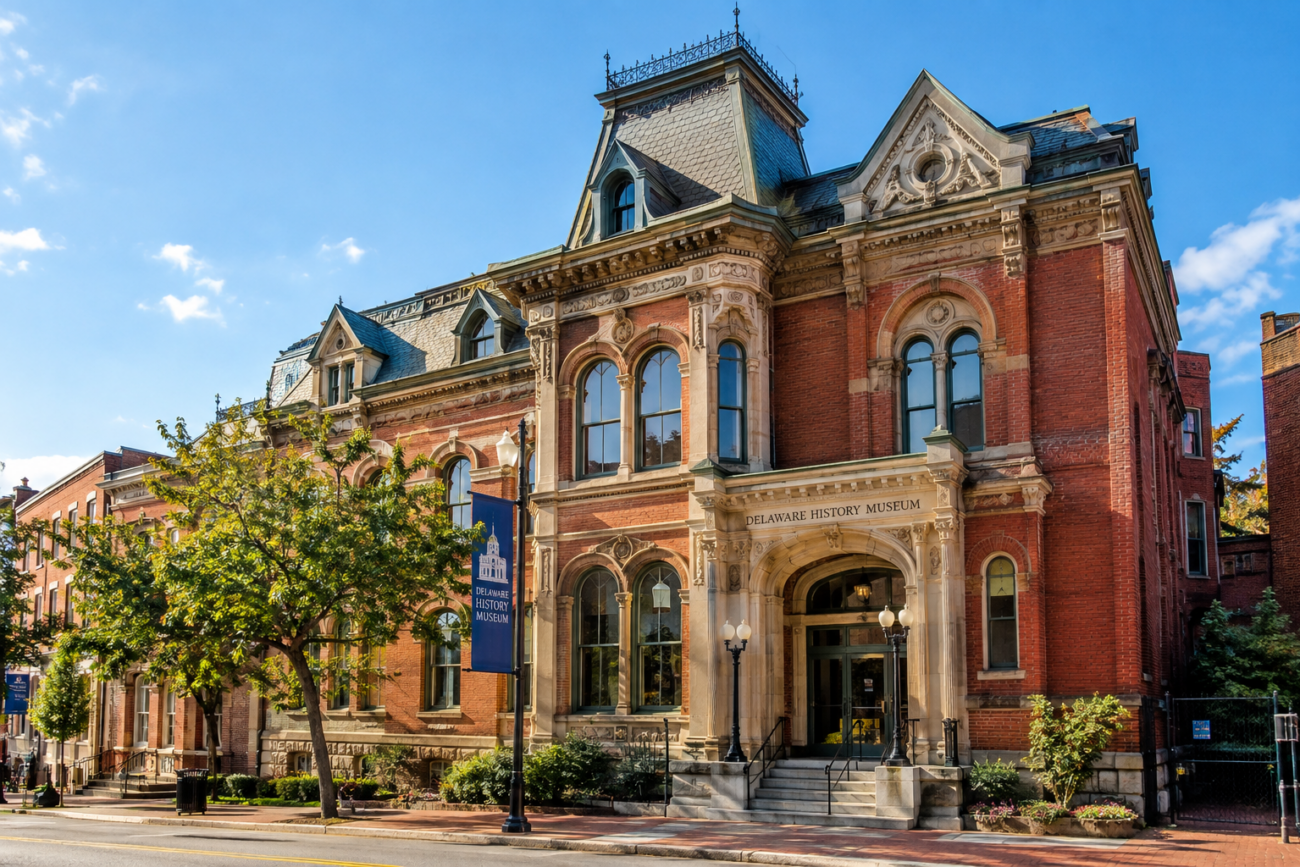
Housed in a restored 1859 Victorian townhouse in downtown Wilmington, this history museum traces Delaware's cultural evolution from indigenous peoples through the 20th century using artifacts, photographs, and immersive displays. The museum emphasizes everyday life in Wilmington and how ordinary Delawareans experienced the colonial period, industrial revolution, and modern era.
Fun fact: The building itself witnessed 160 years of Wilmington's transformation—it served as a private residence, then housed the Wilmington Library before becoming a dedicated history museum.
Tip: Admission is affordable and includes three floors of exhibits; allow 90 minutes for a thorough visit. Parking is available on nearby Market Street in downtown Wilmington.
2. Winterthur Museum, Garden & Library
Winterthur, Delaware
This sprawling estate museum near Wilmington features one of America's finest decorative arts collections displayed within a 175-room mansion, complemented by period rooms spanning the 1640s to 1860s. The surrounding 980-acre garden near Winterthur offers naturalistic landscapes, woodland trails through mature forests, and seasonal plantings that invite extended exploration of the grounds.
Fun fact: Collector Henry Francis du Pont named the estate after a Swiss town; the mansion grew from 12 rooms to 175 through decades of careful acquisitions and architectural expansion that shaped American decorative arts preservation.
Tip: Plan a full day if possible; entry includes both museum and garden access. Spring visits reward you with blooming gardens, while fall showcases vibrant foliage. Free on-site parking makes it convenient for families.
3. Hagley Museum & Library
Wilmington, Delaware
Perched on 235 acres along the Brandywine River, Hagley preserves the du Pont gunpowder works that launched America's industrial legacy near Wilmington. Walking trails connect restored mills, worker cottages, and the elegant Eleutherian Mills mansion, revealing how a single industrial family shaped manufacturing innovation and the Delaware landscape.
Fun fact: The Eleutherian Mills mansion was built directly above the mill works—du Pont family convenience with both operational oversight and a commanding industrial view.
Tip: Wear comfortable shoes and check weather conditions before visiting; this outdoor-intensive experience features both guided tours and self-guided routes along the Brandywine River. Free parking on-site supports admission.
4. Delaware Art Museum
Wilmington, Delaware
Located in a charming Beaux-Arts building in Wilmington's Kentmere Park neighborhood, this art museum highlights American art with particular strength in illustration, realism, and Delaware regional painters. The collection spans pre-Columbian artifacts to contemporary works, with special attention to Delaware-connected artists and the Wyeth family's artistic legacy in the state.
Fun fact: The museum's comprehensive illustration collection features original Golden Age artwork by N.C. Wyeth, Howard Pyle, and illustrators who maintained studios and deep ties in Delaware.
Tip: Admission is free on Thursday evenings after 5 p.m.—weekday visits to this Wilmington institution tend to be quieter overall. The café offers light refreshments, and Kentmere Park outside is perfect for a post-visit stroll.
5. Fort Delaware State Park
Pea Patch Island, Delaware
Accessible only by seasonal ferry from Delaware City, this Civil War-era fort on a small island in the Delaware River reveals the stories of Union forces and Confederate prisoners held during wartime. Ranger-led tours bring the fort's strategic and human history to life, while the island setting offers river views and encounters with nesting colonial bird species.
Fun fact: Fort Delaware held over 2,500 Confederate prisoners during the Civil War, making it one of the largest Union-controlled military prisons—yet many soldiers survived and some chose to remain in Delaware communities after the war.
Tip: Ferry rides depart seasonally from spring through fall; make reservations in advance as departures fill quickly. Fort tours are included with ferry admission. Wear sun protection and sturdy shoes; shade is limited on Pea Patch Island.
6. Zwaanendael Museum
Lewes, Delaware
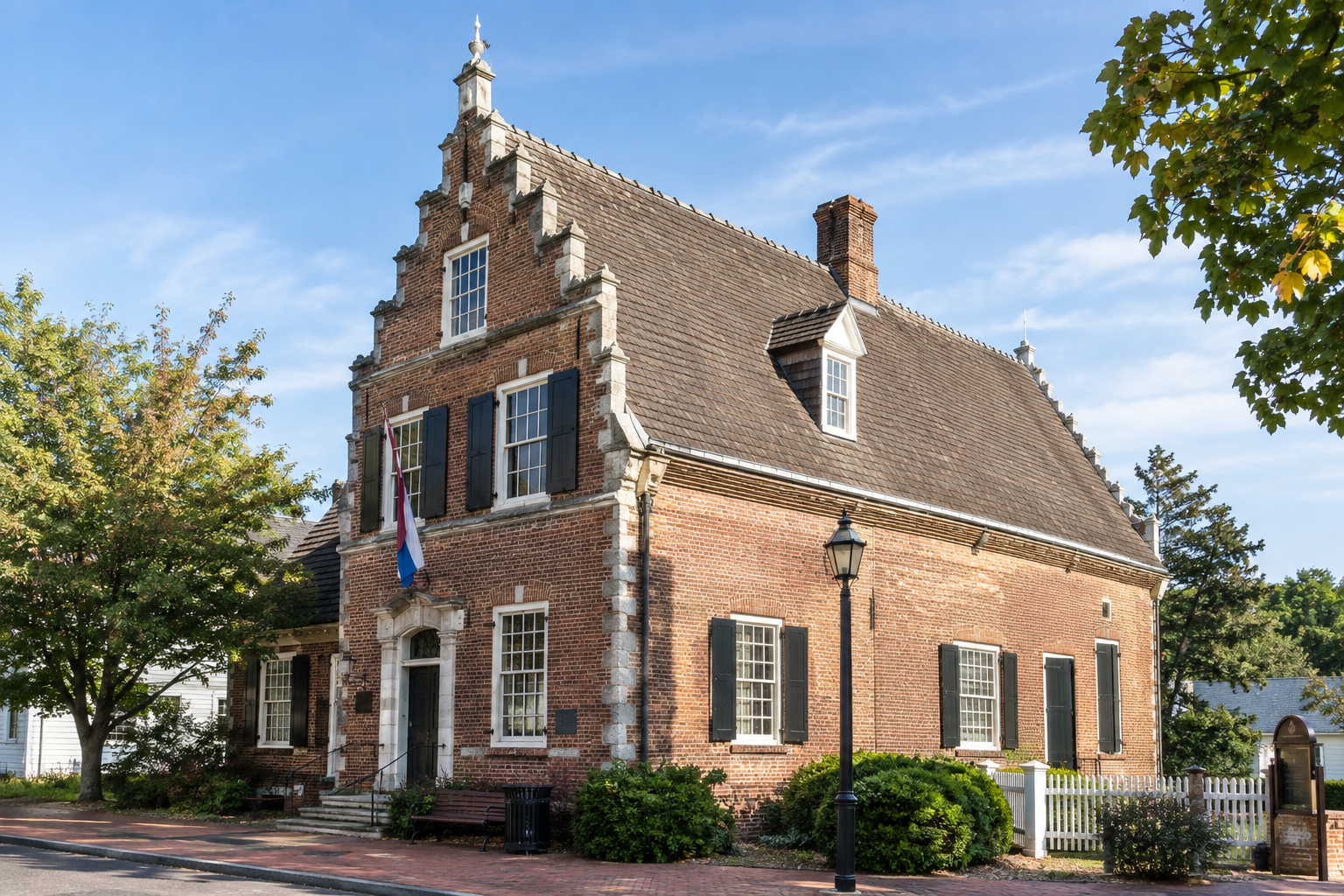
This distinctive Dutch colonial-revival building in Lewes commemorates Delaware's first European settlement in 1631 and the maritime traditions that followed, including whaling and shipbuilding heritage in the Lewes area. Exhibits cover Native American history, maritime artifacts, and wrecks discovered off the Delaware coast.
Fun fact: The museum's Dutch colonial architecture mirrors buildings in the Netherlands—designed as a replica of the town hall in Hoorn to honor Lewes's 1631 colonial origins.
Tip: Entry fees are minimal; this compact Lewes museum takes roughly an hour to explore. Combine your visit with a walking tour of the historic downtown district and waterfront near Lewes for a full morning.
7. Rehoboth Beach Boardwalk & Museum Experience
Rehoboth Beach, Delaware
Beyond the boardwalk's amusements and food vendors, heritage exhibits and Funland tell the story of Rehoboth Beach's evolution from a Methodist camp meeting site in 1873 to a beloved family beach destination on Delaware's coast. The seasonal character reflects both Victorian summer culture and modern beach tourism traditions in Rehoboth Beach.
Fun fact: Rehoboth Beach was founded as a Methodist religious retreat—the name derives from the biblical Rehoboth, meaning 'room enough,' reflecting organizers' hopes for spiritual expansion and physical space in 1873.
Tip: Visit during shoulder seasons (May or September) for smaller crowds and better parking along the Rehoboth Beach boardwalk. Boardwalk museums have varied hours; call ahead. Free parking is available off-season.
8. CAMP Rehoboth Welcome Center & Museum
Rehoboth Beach, Delaware
This LGBTQ+ community center and museum space in Rehoboth Beach celebrates Delaware's inclusive beach culture and queer heritage through exhibits and events highlighting contributions of LGBTQ+ individuals and families to the state's social fabric and progressive character.
Fun fact: Rehoboth Beach has been a longstanding LGBTQ+ destination for decades—CAMP Rehoboth's formalization of this legacy celebrates the community's historical and ongoing cultural importance in Delaware's identity.
Tip: Admission is free; donations support programming. The Rehoboth Beach center hosts seasonal events and pride celebrations. Stop by to learn about local LGBTQ+ history and community initiatives in Delaware.
9. Stratford Hall Plantation & Gardens
Odessa, Delaware
Set on 23 acres of preserved grounds near Odessa, this National Historic Landmark features a Federal-era mansion built in 1804 and surrounded by period gardens, reconstructed historic structures, and landscapes revealing early-19th-century Delaware agricultural and social life.
Fun fact: Stratford's elaborate period gardens reflect contemporary European aesthetics and horticultural knowledge—the property's layout reveals how wealth shaped the landscape during the early American republic near Odessa.
Tip: Guided and self-guided tours are available; entry includes garden access. May through September features the most vibrant gardens near Odessa. Free on-site parking; allow 2–3 hours for complete exploration.
10. Dover Air Force Base Heritage Museum
Dover, Delaware
Located at one of the world's largest cargo airlift bases, this Dover museum tells the story of American military aviation and strategic airlift operations. Interactive exhibits, historic aircraft displays, and restored hangars illustrate Delaware's critical role in U.S. military history and global operations.
Fun fact: Dover Air Force Base houses the largest C-5 Galaxy transport aircraft fleet in the military—these massive planes have carried humanitarian aid and presidential delegations since the 1970s.
Tip: Base security requires ID verification; U.S. citizens without military ID visit through the main gate. Free admission and parking. Tours run Tuesday through Saturday; confirm hours ahead of your Dover visit.
11. The Caravel Theatre & Delaware Theatre Company
Wilmington, Delaware
While serving as active theater venues, the Caravel and Delaware Theatre Company occupy historic buildings in downtown Wilmington that reflect the city's cultural tradition and performing arts legacy. Theater programs and walking tours reveal Wilmington's development as a mid-Atlantic cultural hub alongside its industrial history.
Fun fact: Wilmington earned dual recognition as the 'Powder Keg of America' for du Pont gunpowder mills and as a performing arts center—the city's artistic and industrial identities developed in tandem.
Tip: Check performance schedules and tour availability; most shows run evenings and weekends. Parking is available in nearby Wilmington lots. Pre-show dining options in downtown Wilmington make cultural evenings convenient.
12. Nemours Estate & Gardens
Wilmington, Delaware
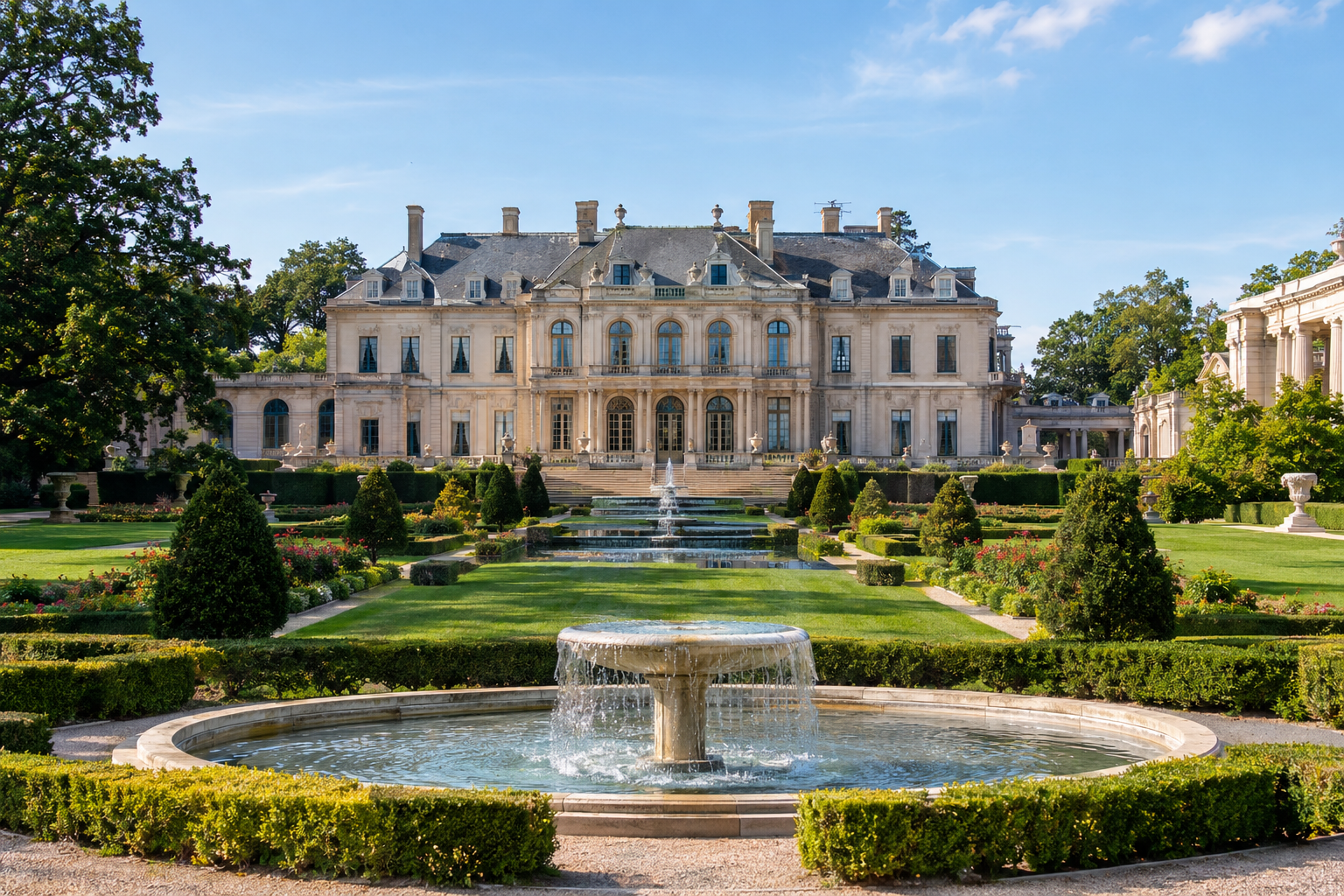
This opulent 102-room Gilded Age mansion near Wilmington sits surrounded by 300 acres of formal French gardens designed to rival European estates. The du Pont family estate showcases furniture, art, and automotive collections alongside meticulously maintained gardens that reveal turn-of-the-century aesthetic ambition and wealth.
Fun fact: Built with the latest 1910s technology, Nemours featured hidden mechanical systems powering fountains, heated greenhouses, and an early elevator system that was state-of-the-art for the era near Wilmington.
Tip: Tours are by reservation only and fill quickly, especially spring and fall. Admission includes guided tour and garden access. Comfortable walking shoes are essential; allow 3–4 hours minimum for the Wilmington-area estate.
Delaware's museum landscape rewards visitors who venture beyond the beaches. Weekday morning visits typically offer shorter lines, and checking ahead for seasonal hours and special exhibitions ensures you won't miss expanded displays or themed events.
Frequently asked questions
What is the best time to visit Delaware's museums?
Spring (April–May) and fall (September–October) offer pleasant weather and smaller crowds than summer peak season. Many museums stay open year-round, though seasonal exhibits typically run spring through fall. Check individual websites for holiday hours and closures before planning your visit.
Are Delaware's museums family-friendly with activities for children?
Yes. Many offer interactive exhibits, outdoor spaces, and educational programs designed for children. Fort Delaware, Hagley Museum, and Nemours feature extensive grounds perfect for families. Some provide discounts for family groups or free admission on select weekdays or community days.
How should I plan my time visiting multiple Delaware museums?
Allocate 1–2 hours for smaller museums like Zwaanendael or Delaware History Museum, 2–3 hours for Delaware Art Museum or Winterthur's house tour, and a full day for Winterthur or Nemours if exploring both buildings and gardens. Consider geographic clustering: Wilmington-area museums (Delaware History, Delaware Art, Hagley, Nemours, Winterthur) work well together; coastal museums (Zwaanendael, Rehoboth Beach) form another cluster.