If the idea of a vacation centered on forced conversations and group activities makes you cringe, you're not alone—and America has plenty of introvert travel destinations designed for explorers who prefer solitude and introspection over crowded tourist experiences. From remote national parks to quiet coastal villages, these locations let you explore at your own pace without pressure to engage in endless small talk or structured group activities.
1. Acadia National Park
Bar Harbor, Maine
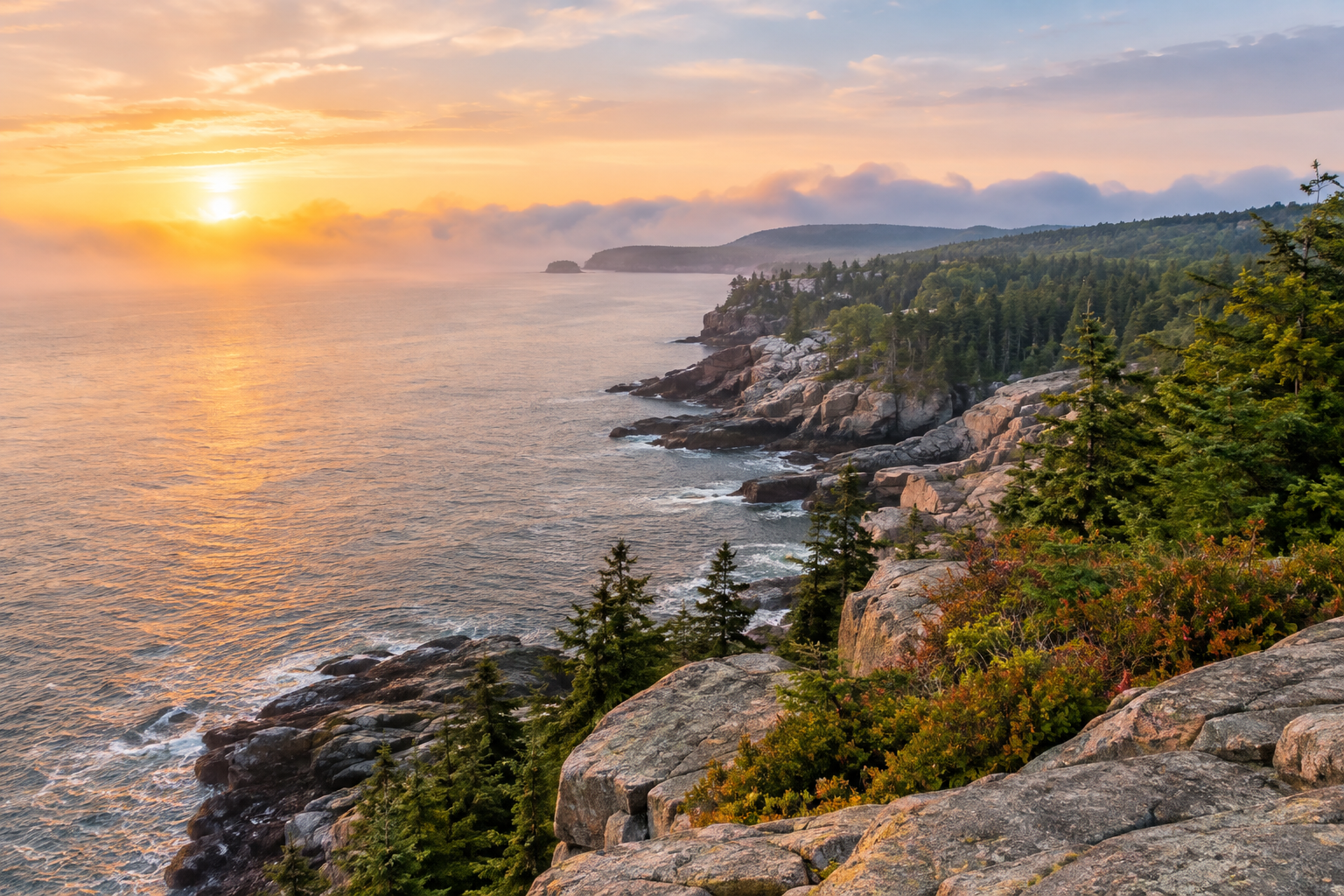
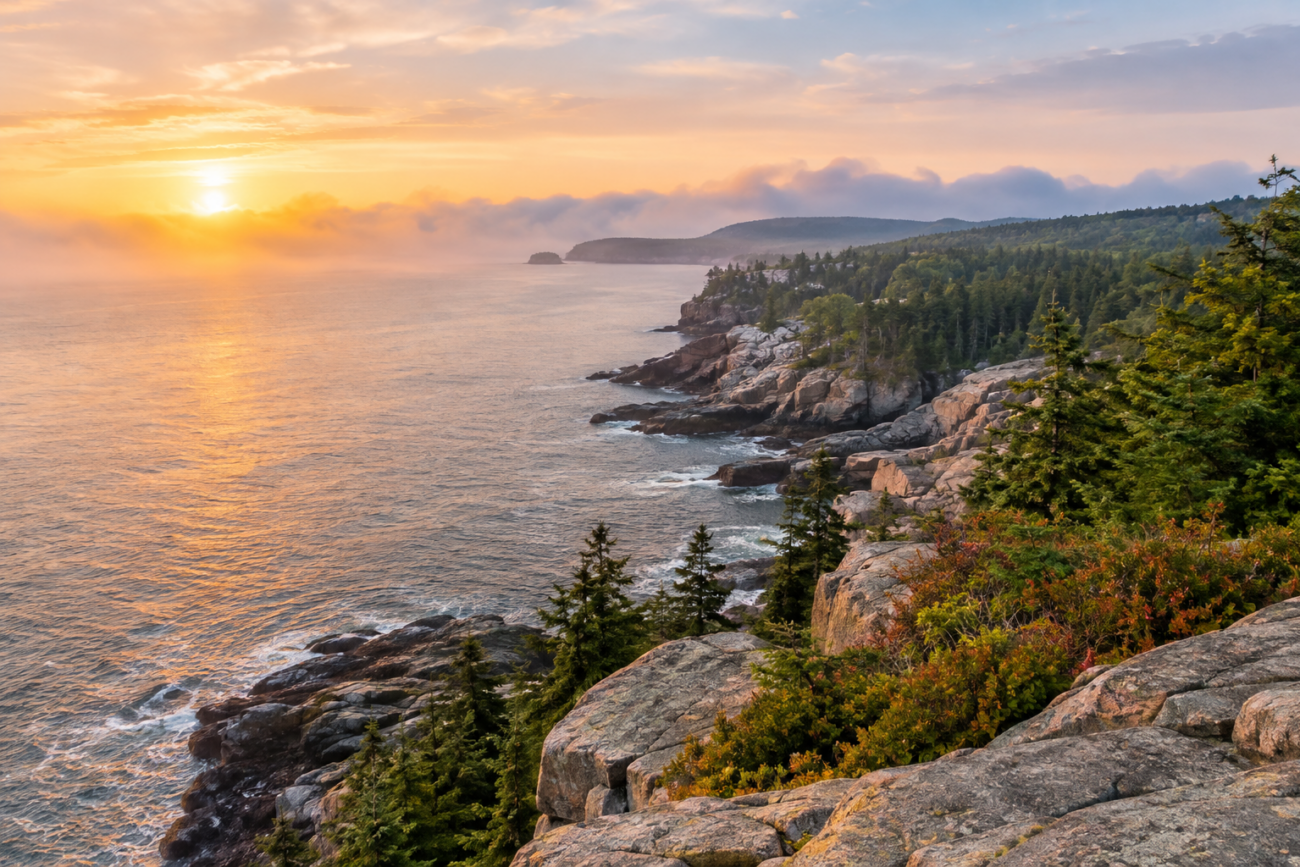
Acadia spans roughly 49,000 acres of rocky coastline, pine forests, and granite peaks on Mount Desert Island near Bar Harbor. The park's extensive trail system allows visitors to experience dramatic ocean vistas and wilderness solitude, especially on lesser-known paths away from main carriage roads. Early morning visits and the quiet months of September and October virtually guarantee peaceful exploration time away from summer crowds seeking things to do in Maine's most visited park.
Fun fact: Acadia's Cadillac Mountain is the first place in the United States to see sunrise, drawing thousands of visitors annually—but arriving at dawn means you'll often have the view nearly to yourself.
Tip: Visit in September or October for fall foliage without summer crowds. Parking fills quickly; arrive before 8 a.m. or use the free shuttle buses. Admission is $30 per vehicle for a seven-day pass.
2. White Sands National Park
Alamogordo, New Mexico
This otherworldly landscape of 275 square miles of pristine gypsum dunes near Alamogordo offers a surreal, almost lunar environment where sounds carry differently and crowds naturally disperse across vast terrain. The stark white dunes create natural solitude—hiking just fifty yards off main trails often means you won't see another person for hours, making this one of the best places for introverts seeking uninterrupted meditative time. The rhythm of walking through endless white sand has a calming, deeply restorative effect.
Fun fact: White Sands is one of the largest gypsum dune fields on Earth, and the sand never gets hot underfoot despite desert conditions because gypsum reflects rather than absorbs heat.
Tip: Bring sunscreen and sunglasses—the reflection is intense. Visit early morning or late afternoon for best light and fewest visitors. Admission is $25 per vehicle; the park is typically quietest from November through March.
3. Great Smoky Mountains National Park
Gatlinburg, Tennessee
Though popular overall, the Great Smoky Mountains contain over 800 miles of trails and 272,000 acres where silence and solitude are absolutely achievable if you venture beyond Cades Cove and main roads near Gatlinburg. Misty mountain valleys, old-growth forest sections, and high-elevation trails offer profound quietude and the kind of natural immersion that allows introverts to truly reset. The hidden gems and lesser-known paths reward those willing to hike past the crowds on this quiet escape through Appalachian wilderness.
Fun fact: The Smokies are named for the bluish haze caused by isoprene emissions from dense vegetation—a phenomenon visible for hundreds of miles and particularly striking at sunrise and sunset.
Tip: Skip peak season (summer and fall foliage). Winter and spring offer equal beauty with 80% fewer visitors. Admission is free. Park at trailheads before 9 a.m., and hike early or choose less-publicized trails like Laurel Falls or Abrams Falls.
4. Death Valley National Park
Furnace Creek, California
Death Valley's 3.4 million acres of remote desert, salt flats, and canyon systems near Furnace Creek provide unmatched solitude and vast open spaces where human presence feels genuinely insignificant. The park's extreme landscape demands respect, which naturally keeps crowds manageable, making it a premier destination for introverts seeking complete isolation. Many visitors never venture beyond main roads—leaving backcountry areas and hidden gems completely quiet for those willing to explore deeper into this vast wilderness.
Fun fact: Death Valley holds the record for the highest reliably recorded temperature on Earth: 134°F (56.7°C) on July 10, 1913 at Furnace Creek.
Tip: Winter (November-February) is ideal—temperatures range from 50-70°F and the park is 70% quieter than summer. Admission is $30 per vehicle. Bring plenty of water (2 gallons per person minimum) and tell someone your planned route. Cell service is unreliable or nonexistent throughout most of the park.
5. Congaree National Park
Hopkins, South Carolina
This often-overlooked park near Hopkins protects one of America's most pristine intact old-growth bottomland forests, where a network of waterways and hiking trails offers profound quiet and genuine sense of primordial wilderness. The park averages fewer than 150,000 annual visitors compared to millions at more famous parks, making it a true hidden gem and genuine retreat for those seeking solitude in nature away from typical weekend trip crowds. Paddling slow waterways or hiking through untouched forest creates a meditative, almost transcendent experience.
Fun fact: Congaree's Champion Tree Grove contains some of the tallest trees on the U.S. East Coast, with loblolly pines and other species creating a cathedral-like canopy over 150 feet high.
Tip: Visit weekdays year-round for manageable crowds. Canoe or kayak rentals are available nearby; paddling at dawn is particularly peaceful. Admission is free. The 2.4-mile Boardwalk Loop is accessible and remains quiet even during peak hours.
6. The Outer Banks
Nags Head, North Carolina
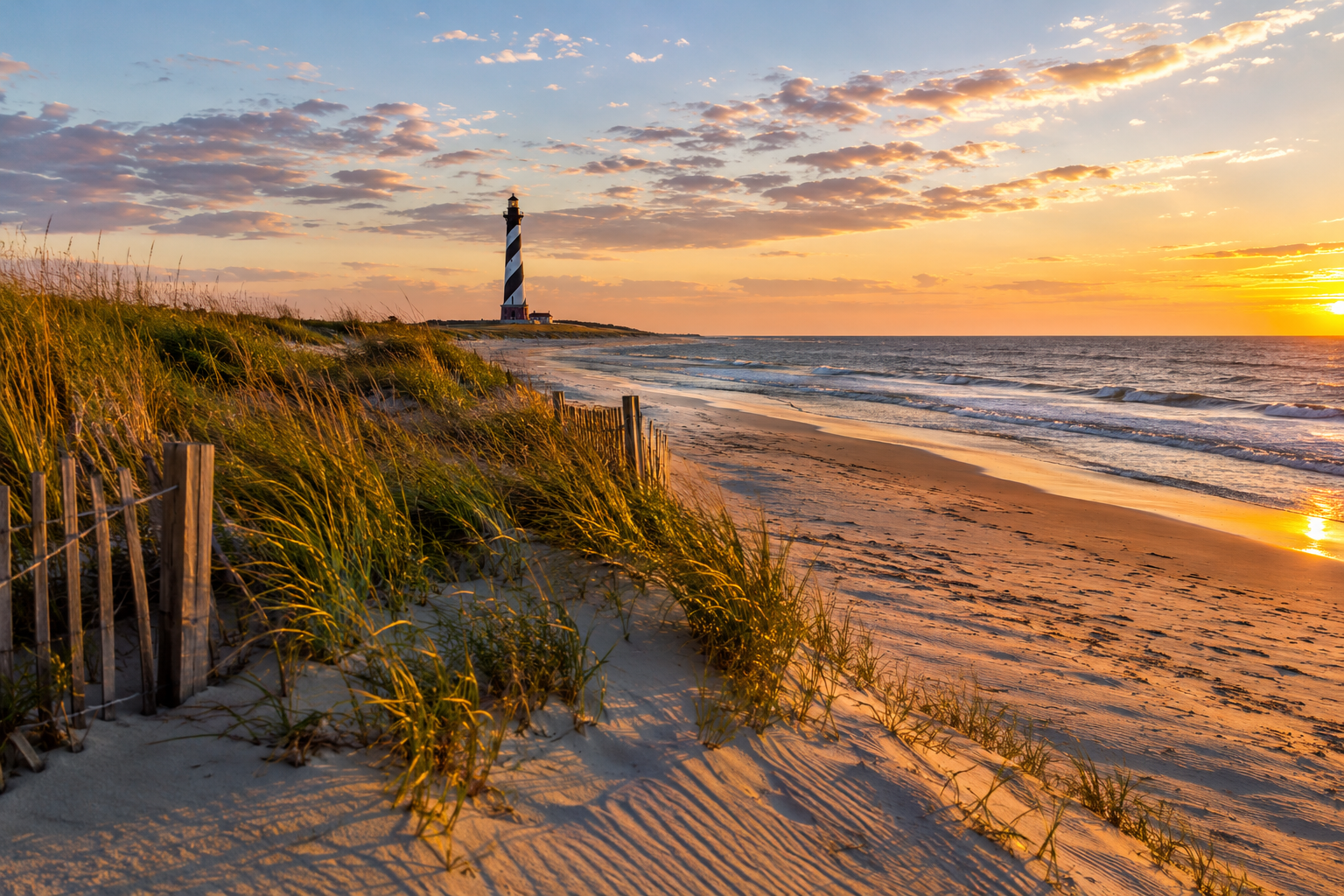
While the Outer Banks attract families, the barrier island chain stretches 200 miles with abundant quiet beaches, small villages, and undeveloped sections where you can walk for hours and encounter few people. Off-season visits from September through May transform the coast into a contemplative, wind-swept landscape perfect for introspective travelers seeking peaceful getaways near Nags Head. Lighthouses, wild horse reserves, and empty shorelines offer both visual interest and genuine psychological reset from crowded destinations.
Fun fact: The Outer Banks are home to wild horses that are descendants of Spanish colonial horses, roaming freely on several islands and accessible year-round without entry fees.
Tip: Visit October or April for comfortable weather without summer crowds. Beach access and wild horse viewing are free. Parking varies by location but is generally affordable ($5-15 daily). Stay in smaller villages like Manteo or Duck rather than Nags Head for quieter experiences.
7. Shenandoah National Park
Luray, Virginia
Shenandoah's 105-mile Skyline Drive and over 500 miles of hiking trails offer unlimited options for quiet exploration of the Blue Ridge Mountains near Luray, ancient Appalachian terrain, and deciduous forests. The park receives over two million visitors annually, yet quiet solitude is absolutely achievable on weekday visits and lesser-known trails that reveal hidden gems throughout the region. Overlooks and viewpoints are often empty outside peak season, providing the exact contemplative mountain experience introverts seek as a perfect weekend trip or extended escape.
Fun fact: Shenandoah was one of the first national parks to practice active forest management, allowing visitors to witness forest regeneration and change across decades.
Tip: Visit November through April for 60-70% fewer visitors and excellent weather. Admission is $30 per vehicle (seven-day pass). Arrive at trailheads before 9 a.m., and choose hiking routes that start from less-publicized overlooks rather than main visitor centers.
8. Cape Hatteras National Seashore
Buxton, North Carolina
This 70-mile stretch of undeveloped barrier island near Buxton offers some of the Atlantic Coast's most pristine and quiet beaches, with minimal commercial development and abundant open sand creating ideal conditions for solitude. The Cape Hatteras Lighthouse area and surrounding seashore provide dramatically shifting sand bars, wild Atlantic views, and genuine solitude even in warmer months—making it a top hidden gem for peaceful getaways. Kayaking through sound-side waters or walking empty beaches at dawn creates pure meditative escape away from typical vacation crowds.
Fun fact: Cape Hatteras is known as 'The Graveyard of the Atlantic' due to the numerous shipwrecks along its constantly shifting sandbars, and it remains one of the most dynamic coastal ecosystems in North America.
Tip: Visit September through May for calm waters and minimal crowds. Beachfront parking is free and abundant even at the lighthouse. No entrance fee. Bring binoculars for bird watching, which is exceptional during spring and fall migrations.
9. Sipsey Wilderness
Bankhead National Forest, Alabama
This 25,000-acre remote forest preserve in Bankhead National Forest near the town of Sipsey remains largely undiscovered by mainstream tourism, offering pristine creek systems, old-growth forest, and genuine wilderness solitude. The 11-mile Sipsey Creek trail delivers authentic hidden gems and quiet exploration where silence and birdsong dominate completely. This is one of the best places for introverts seeking completely isolated outdoor experiences without any commercial development or crowds whatsoever.
Fun fact: Sipsey Wilderness contains some of the oldest remaining bottomland hardwood forest in the Southeast, with trees that have never been logged and exist in nearly pristine ecological condition.
Tip: Best visiting seasons are fall (September-October) and spring (March-April). Parking and hiking are completely free. The creek crossing is typically waist-deep; wear water shoes or pack a change of socks. Cell service doesn't exist—tell someone your itinerary before heading out.
10. Great Basin National Park
Baker, Nevada
One of America's least-visited national parks, Great Basin near Baker offers high desert landscape, ancient bristlecone pine groves, and the stunning Lehman Caves system—all with genuine solitude and minimal crowds year-round. At 13,000 feet, the Wheeler Peak area provides mountain silence and expansive desert views that create profound mental rest away from busy destinations. With fewer than 150,000 annual visitors compared to millions at popular parks, this is among the most peaceful and quiet destinations for introverts seeking true wilderness escape.
Fun fact: Great Basin's bristlecone pines are among Earth's oldest living organisms—some exceed 5,000 years old—with gnarled, sculptural shapes that seem to defy time itself.
Tip: Visit May through September for road and trail accessibility; expect temperatures 20-30°F cooler at higher elevations. Admission is $15 per vehicle. The Lehman Caves tour ($10) requires reservation and provides cool respite in summer. Cell service is nonexistent in most areas.
11. Big Bend National Park
Terlingua, Texas
Big Bend's 801,163 acres of remote desert, canyon, and river terrain near Terlingua in southwest Texas offer almost complete solitude and genuine wilderness experience with minimal infrastructure or commercial development. The park sees fewer than 500,000 annual visitors spread across an enormous area, meaning many trails, campsites, and hidden gems remain completely empty and undiscovered. Rio Grande views, dramatic desert sunsets, and the profound silence of Texas desert create unmatched contemplative space for weekend trips or extended escapes.
Fun fact: Big Bend contains portions of the Chisos Mountains, which are almost a sky island ecosystem—rising to 7,832 feet with unique plant and animal species found nowhere else in North America.
Tip: Visit October-April to avoid extreme summer heat (120°F+ possible). Admission is $30 per vehicle. Fill gas and water in Terlingua or Study Butte before entering; facilities inside the park are minimal. The Lost Mine Trail offers dramatic mountain views without extreme crowds even in peak season.
12. Pictured Rocks National Lakeshore
Munising, Michigan
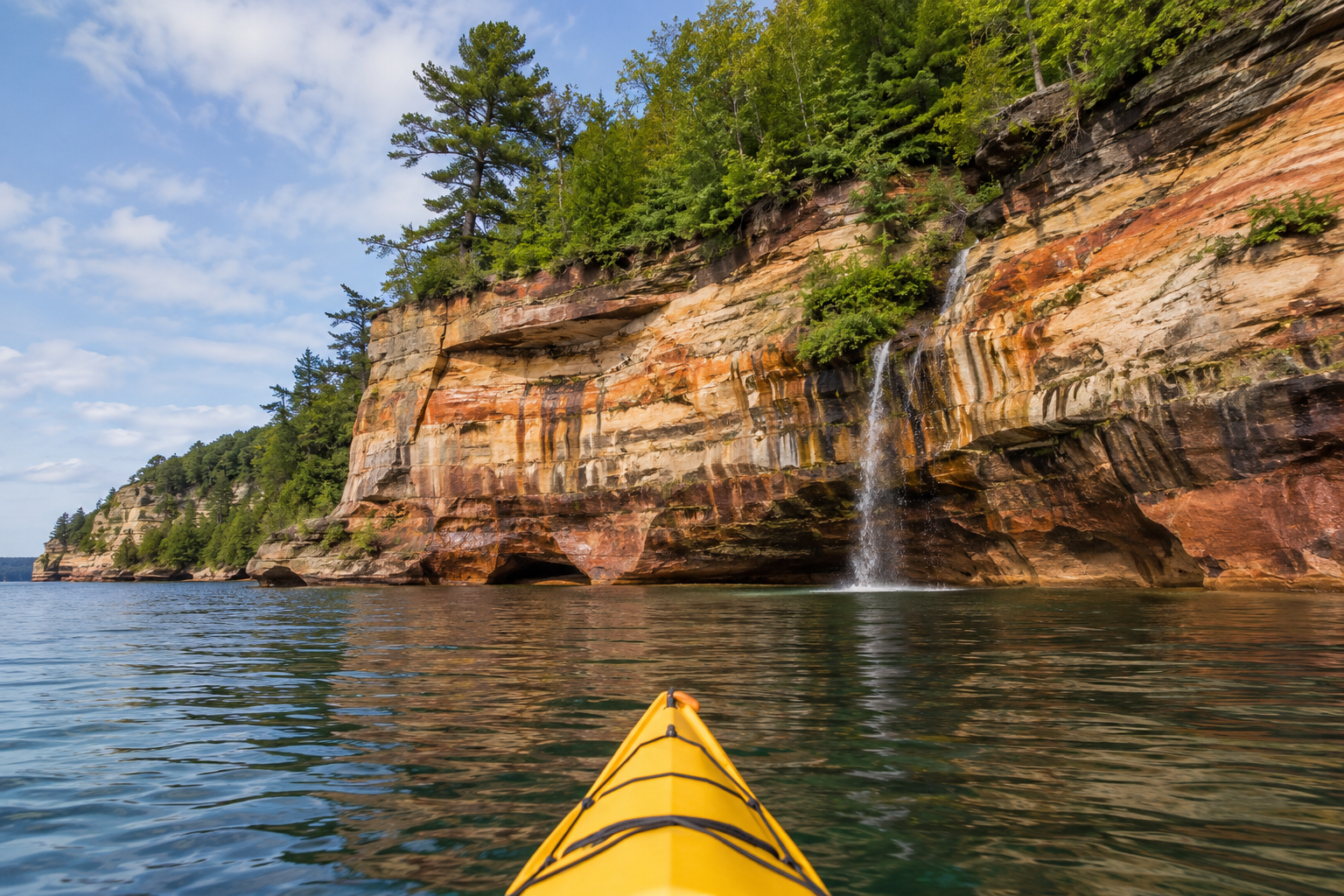
This 42-mile stretch of Lake Superior shoreline near Munising in Michigan's Upper Peninsula features dramatic sandstone cliffs, waterfalls, and pristine sand beaches with substantially fewer visitors than famous Great Lakes destinations. Kayaking along the base of colored cliffs or hiking the shoreline trail provides genuine solitude, profound connection with freshwater lake wilderness, and access to hidden gems typically missed by casual tourists. The rugged terrain and cool water naturally limit crowds while maximizing the meditative experience perfect for quiet escapes.
Fun fact: Pictured Rocks' colorful sandstone cliffs are created by mineral-rich water seeping through the rock face, creating natural iron oxide bands of red, yellow, and orange that paint the cliff walls—a process ongoing for thousands of years.
Tip: Visit June through September for accessible conditions; water temperatures remain cold (55-60°F) year-round. Admission is free. Kayak rentals are available in Munising; paddling at dawn provides unmatched quiet and close-up cliff views. Parking is ample and free except at popular waterfall areas.
Whether you're seeking mountain silence, coastal contemplation, or desert solitude, American introvert-friendly destinations offer genuine rest and personal renewal without compromise. Each location rewards early morning visits and off-season travel with authentic wilderness experiences that restore both body and mind. Start planning your quiet escape today.
Frequently asked questions
What makes these destinations good for introverts seeking quiet travel?
These locations offer natural solitude, minimal forced social interaction, and spaces large enough that you can avoid crowds or easily find quiet areas away from typical tourist experiences. Most feature extensive trails, waterways, or viewpoints that allow self-directed exploration without group activities or structured social experiences that demand constant engagement.
When should solo introverts visit these quiet destinations to avoid crowds?
Off-peak seasons—generally November through April—dramatically reduce visitor numbers at most American parks and natural destinations. Weekday visits (Monday-Thursday) are substantially quieter than weekends, and arriving early morning (before 9 a.m.) or visiting in shoulder seasons (September-October, March-May) balances good weather with manageable crowds while preserving solitude.
Are introvert-friendly destinations free to visit, and what are typical costs?
Many national parks charge entrance fees ($15-30 per vehicle for 7-day passes), but numerous state parks, seashores, and public lands offer free access. Hiking, beach walking, and scenic driving are completely free. Budget $15-30 per vehicle for park admission, plus optional activities like cave tours ($10), kayak rentals ($30-50), or guided experiences. Plan accordingly based on your budget and interests.