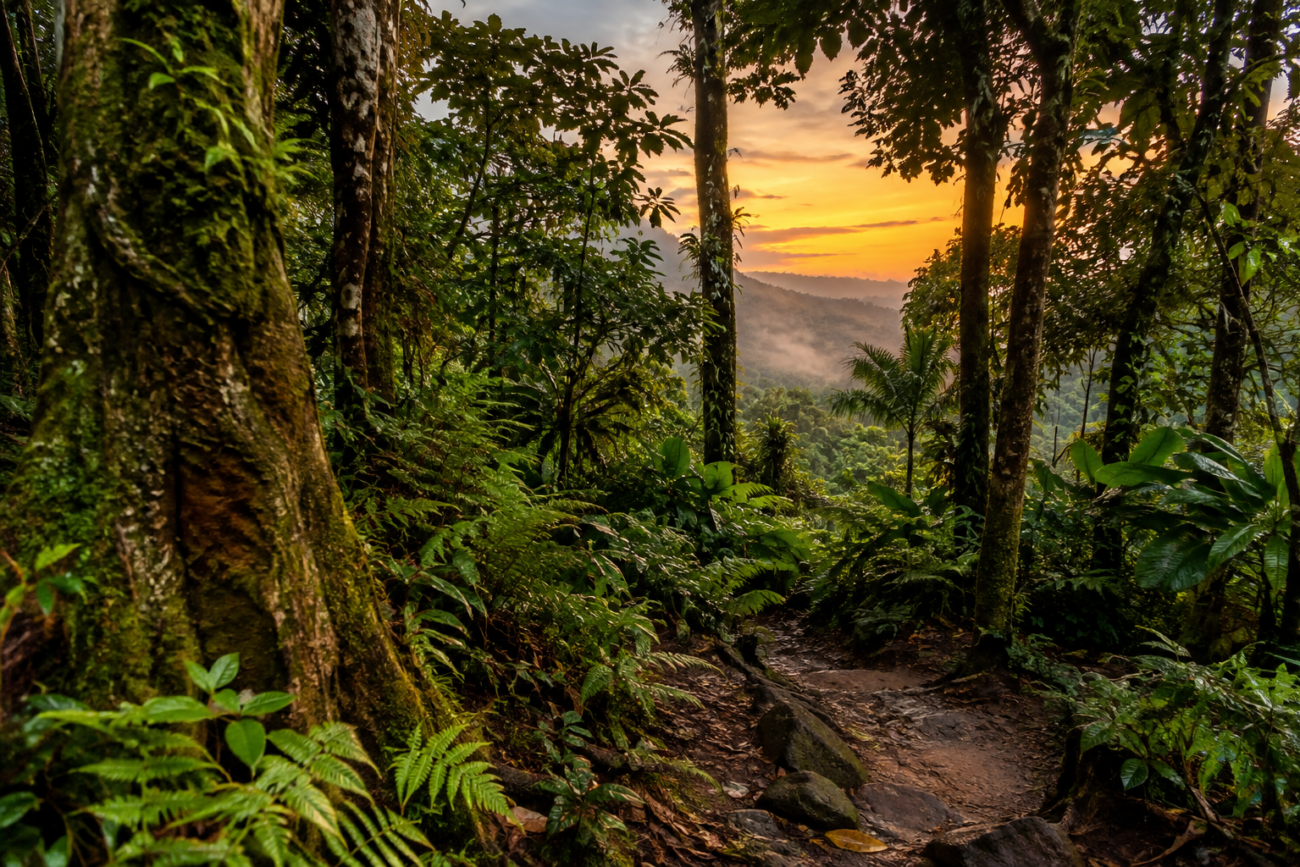
El Yunque National Forest transforms after sunset into a completely different world, where tree frogs chorus, fireflies flicker through the canopy, and the humid tropical air thrums with life. Night hikes in El Yunque reveal ecosystems that come alive when darkness falls—yet most visitors to this UNESCO Biosphere Reserve never venture into the park after dusk. Just 45 minutes from the beachfront resorts of San Juan, El Yunque's only tropical rainforest hosts hidden nocturnal wildlife and bioluminescent fungi that daylight explorers miss entirely. We surveyed several after-dark trails and discovered why nocturnal exploration in Puerto Rico reveals the truest character of this remarkable landscape.
1. Big Tree Trail Night Hike
Rio Grande, Puerto Rico
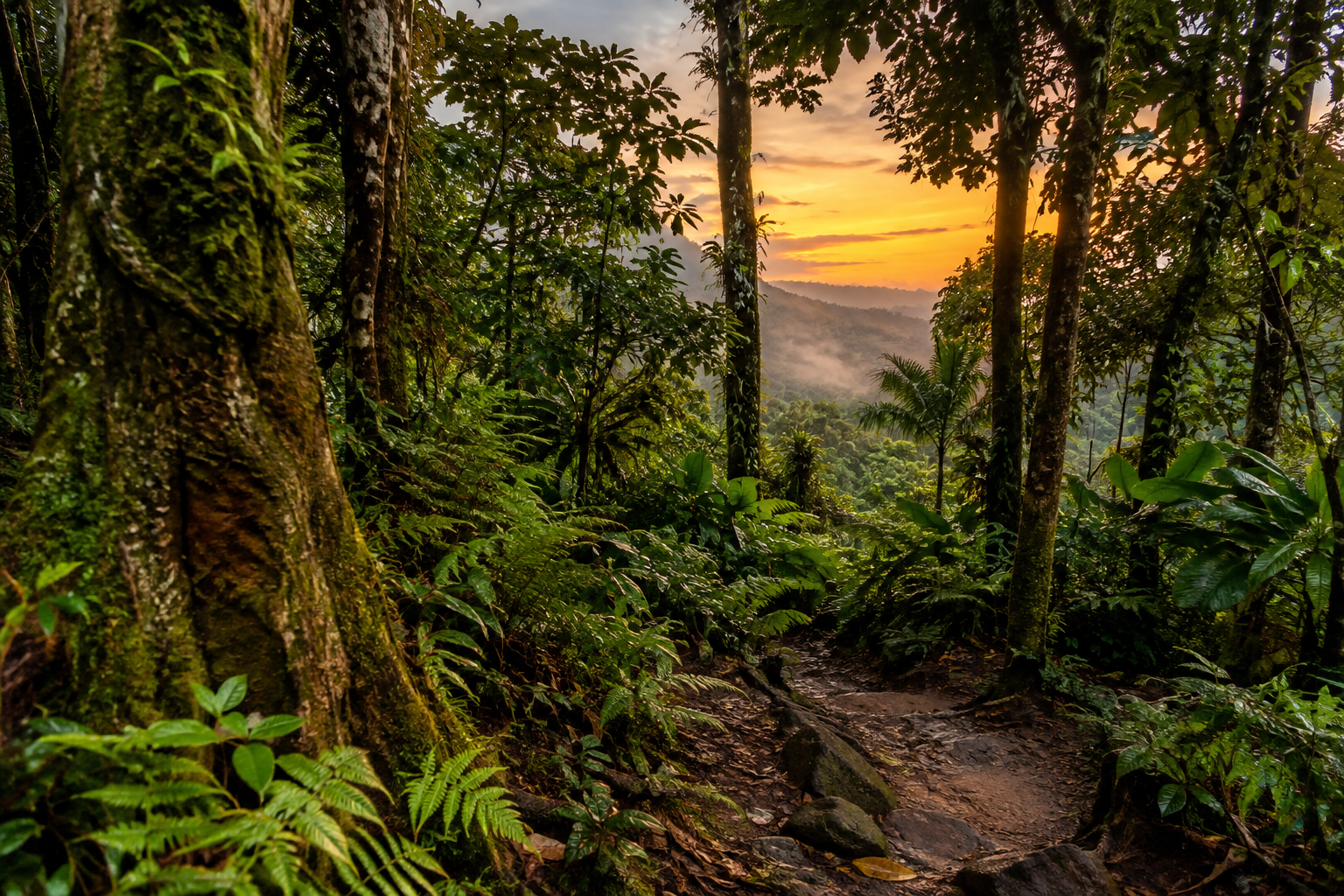
This moderate 2-mile loop through old-growth forest near Rio Grande becomes hauntingly alive at night, with the canopy overhead blocking most starlight and the trail floor alive with rustling movement. Your guide will use red-light flashlights to preserve the night vision of the native coquí frogs, whose sharp "ko-KEE" calls fill the darkness from branches and leaf litter. Luminescent fungi glow faintly on rotting logs if conditions are right, adding an ethereal quality to the walk. The thing to do here is observe the rainforest's nocturnal shift in real time as diurnal species retreat and night-active creatures emerge.
Fun fact: The tiny coquí frog calls so loudly that a single frog can reach 100 decibels—as loud as a chainsaw—yet each frog weighs less than a penny.
Tip: Tours depart at dusk; book in advance through the El Yunque visitor center. Wear closed-toe shoes with good grip, insect repellent, and bring a headlamp with a red-light filter. No independent night hiking is permitted; all nighttime exploration requires a certified guide.
2. Bano de Oro (Gold Bath) Night Observation Point
Rio Grande, Puerto Rico
This refreshing pool and surrounding area near Rio Grande become a gathering spot for nocturnal wildlife as the day shift of animals retreats and night-active species emerge. The waterfall feeding the pool creates white noise that masks human presence, allowing visitors to observe frogs, freshwater crabs, and the occasional eel in their natural behavior. The rocky banks and shallow water make this an accessible spot for night-time wildlife watching and bioluminescence observation without deep jungle trekking, ideal for best places to experience Puerto Rico's hidden ecosystems after dark.
Fun fact: The freshwater crabs found in El Yunque streams are a species found nowhere else on Earth and have adapted to survive in fast-moving mountain water.
Tip: Visit during the rainy season (May-November) when water flow is highest and wildlife is most active. Arrive at least 30 minutes before sunset to acclimate and find a good vantage point. The water is cool year-round, so wade carefully and watch your footing on slippery rocks.
3. Catalina Trail Nocturnal Canopy Walk
Rio Grande, Puerto Rico
This 2.5-mile trail winds through multiple canopy levels near Rio Grande, from the open understory near the trailhead to the denser mid-story vegetation where most nocturnal activity concentrates. At night, the trail becomes a corridor of sound and movement, with insects chirping, frogs calling, and the occasional rustle of a small mammal in the leaf litter. The trail's gradual elevation gain makes it moderately challenging but manageable for reasonably fit visitors with a good guide, offering one of the best things to do for serious rainforest night exploration in Puerto Rico.
Fun fact: El Yunque's rainforest receives an average of 230 inches of rain annually in some areas, making it one of the wettest places in the continental United States, and the moisture fuels explosive nocturnal insect activity.
Tip: The trail can be muddy and slippery after rain; wear hiking boots with deep treads. Bring bug spray rated for tropical insects and reapply frequently. Tours typically last 3-4 hours, so budget your time accordingly and bring water.
4. El Yunque Visitor Center Evening Programs
Rio Grande, Puerto Rico
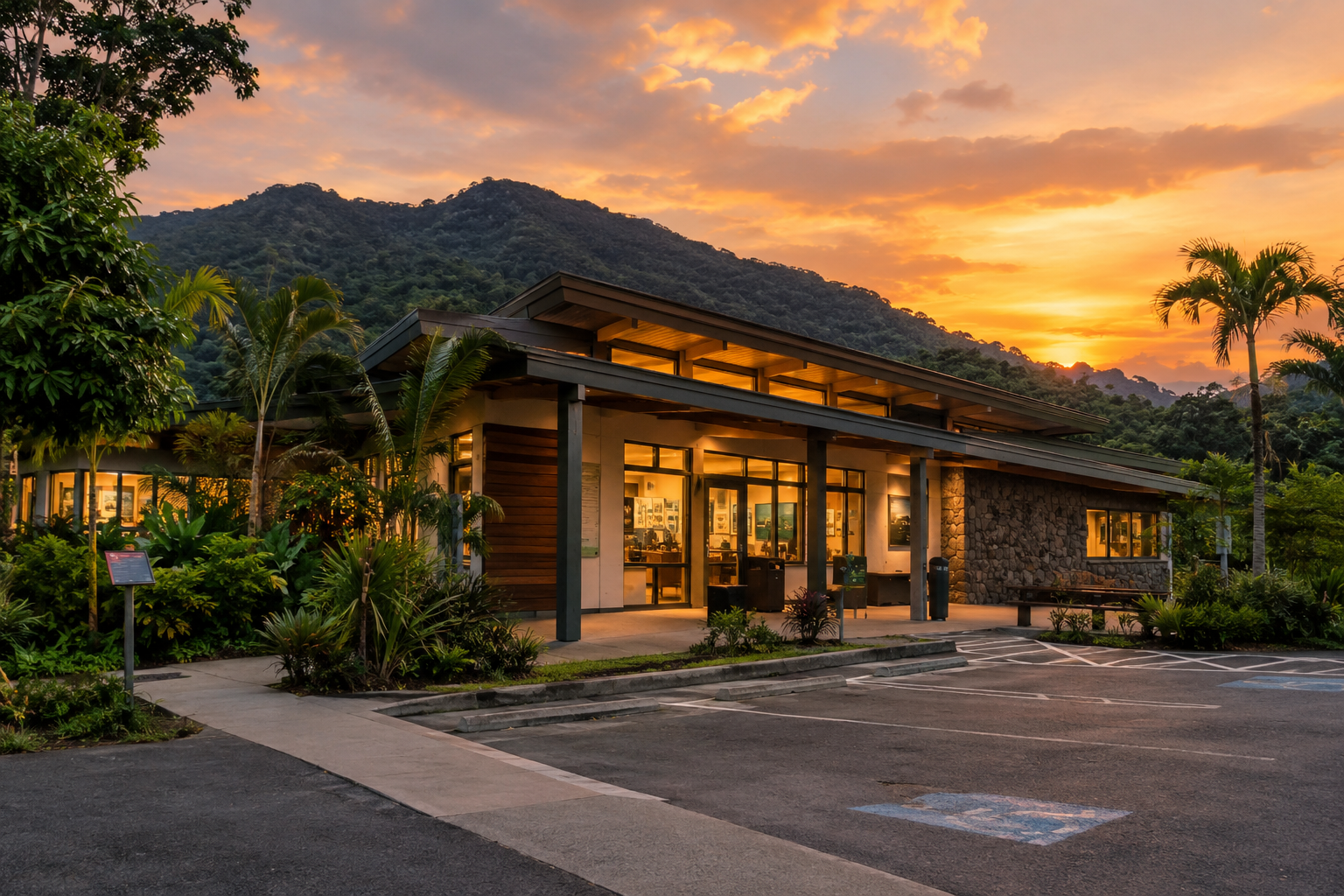
The official visitor center in Rio Grande offers ranger-led evening lectures and short twilight walks that introduce visitors to nocturnal species identification and rainforest ecology before heading deeper into the forest. These programs combine indoor education with outdoor observation, often concluding with a 20-30 minute guided walk where rangers point out active wildlife and explain the science behind nighttime adaptation. It's an ideal starting point for families or those hesitant about solo night exploration, making it one of the best places to learn about Puerto Rico's nocturnal wildlife in a structured setting.
Fun fact: The coquí frog's call is so strongly associated with Puerto Rico's identity that it appears on local currency, postage stamps, and in Puerto Rican folklore and music.
Tip: Check the visitor center website or call ahead for the evening program schedule, as offerings vary seasonally. These programs are typically free or low-cost ($5-10) and require no advance booking. Evening programs are offered most days during peak tourist season (November-March).
5. Cascada La Mina Twilight Access
Rio Grande, Puerto Rico
While the waterfall itself is less dramatic at night, the 2.5-mile approach trail near Rio Grande becomes an immersive sensory experience as nocturnal frogs, insects, and occasional land crabs emerge along the creek. The walk follows a rocky stream bed, making footing tricky after dark but creating opportunities to spot aquatic species by headlamp and observe the hidden gems of Puerto Rico's rainforest ecology. The waterfall basin at night offers a peaceful endpoint where you can sit and listen to the night chorus of the forest, experiencing things to do that few tourists encounter.
Fun fact: The waterfall and surrounding area are home to the Puerto Rican tree frog (Polychrus guianensis), which glows slightly under ultraviolet light and is actively hunting for insects during night hours.
Tip: Night visits to Cascada La Mina require a guide; the trail is technical and difficult to navigate safely in darkness alone. Arrive early in the afternoon to scout the path if possible. Bring a strong headlamp and extra batteries, as the trail is challenging and the walk takes longer at night than during daylight.
6. Yunque Peak Sunset Transition Hike
Rio Grande, Puerto Rico
This strenuous 3.5-mile hike to the 3,495-foot summit near Rio Grande begins in afternoon light and reaches the peak just as darkness falls, offering a unique transition experience where you witness the entire rainforest shift into night mode from an elevated vantage point. The temperature drops noticeably at elevation, and the view shifts from distant blue ocean to a sea of black forest punctuated by town lights on the horizon. The descent is strictly daylight-only for safety, so timing is critical—but the payoff is an unmatched perspective on the forest's rhythm, making this one of the best things to do for adventurous travelers seeking Puerto Rico nature experiences.
Fun fact: Yunque Peak is named for the Taíno word 'yuque,' meaning white clouds, and the summit is frequently shrouded in mist that glows ethereally under starlight on clear nights.
Tip: Start your hike at least 3 hours before sunset to reach the peak with time to acclimate and enjoy the transition. The descent must begin while some twilight remains; do not attempt to descend in full darkness. Bring a strong headlamp anyway for the final sections, extra water, and snacks. The trail is exposed near the summit; wind can be strong and temperatures cool quickly.
7. Bano Grande Pool Night Observation
Rio Grande, Puerto Rico
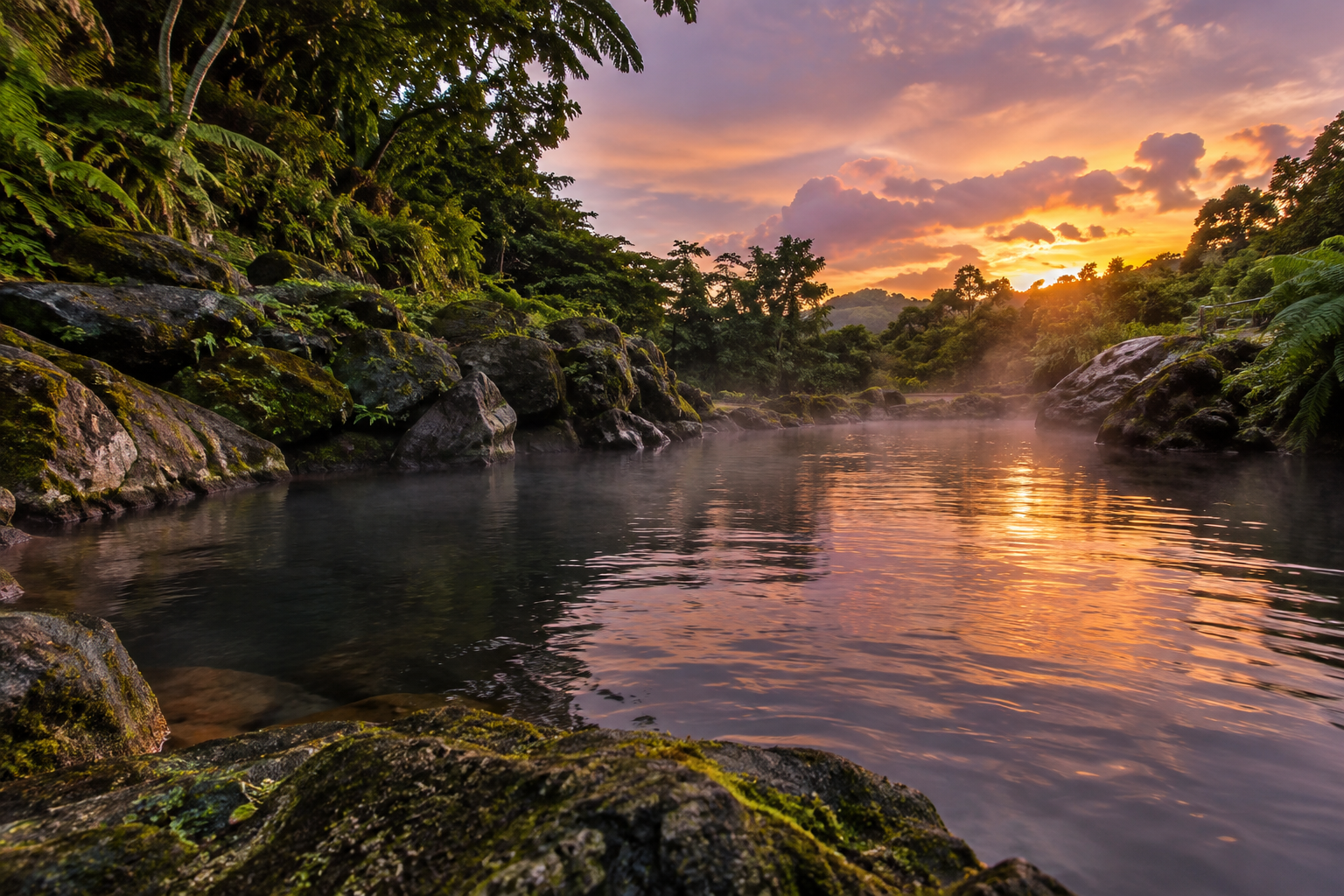
This larger, deeper pool accessed by a short trail from the main park road near Rio Grande becomes a focal point for nocturnal wildlife activity, with frogs calling from overhanging vegetation and small fish visible in the shallows under headlamp. The surrounding rocks provide safe sitting areas where observers can remain still and watch the forest's night shift fauna adjust to full darkness. The short walking distance makes this accessible for visitors with limited mobility who still want to experience nighttime rainforest and discover hidden gems of Puerto Rico's ecosystem, perfect for a weekend trip component.
Fun fact: The pools and streams of El Yunque support multiple endemic frog species found nowhere else in the world, and their night calls are essential for species identification and territorial marking.
Tip: Visit during the start of the rainy season (May-early June) when amphibian activity peaks and the frogs are most vocal and visible. Stay at least 15-20 minutes in one spot to allow the wildlife to settle and resume normal activity. The pool's water can be chilly; bring a light jacket or sweater for sitting time.
Night hiking through El Yunque offers an unforgettable perspective on Puerto Rico's natural heritage that daylight visitors miss entirely. Book a guided nocturnal tour or plan your own twilight adventure during your next island trip to experience the rainforest's most active and mysterious hours.
Frequently asked questions
Is it safe to hike El Yunque at night?
Night hiking in El Yunque is safe only with a certified guide. Independent night exploration is prohibited by the National Forest Service due to trail difficulty, wildlife, and lack of lighting. Guided tours use proven routes and guides trained in nocturnal navigation and wildlife behavior.
What's the best time of year for nocturnal El Yunque hikes?
The rainy season (May-November) offers peak amphibian and insect activity, making night exploration more rewarding. Frogs are loudest and most visible after evening rains. However, trails can be slippery and muddy. November through March is drier with clearer skies for stargazing above the canopy.
How far is El Yunque from San Juan resorts?
El Yunque National Forest is approximately 30-50 minutes by car from downtown San Juan and most major resort areas along the north coast. The drive follows PR-191 highway directly to the forest entrance, making it an easy day trip or evening outing from most accommodations.
Can I book a night hike directly with El Yunque?
El Yunque itself does not run commercial tours, but the visitor center provides contact information for authorized private guides and tour operators. Many San Juan hotels and resorts can book night tours, or contact local eco-tourism companies directly in advance.
What wildlife will I actually see on a night hike?
You'll definitely hear coquí frogs, insects, and possibly small mammals rustling in leaf litter. Actual sightings depend on weather, season, and luck—guides may point out frogs, land crabs, or bioluminescent fungi. The experience is as much about sound and atmosphere as visual wildlife encounters.
Do I need special equipment for night hiking in El Yunque?
Wear sturdy closed-toe hiking boots, bring insect repellent, and use a headlamp with a red-light filter to preserve night vision. The red light is essential to avoid disrupting coquí frogs and other nocturnal animals during their active hours.