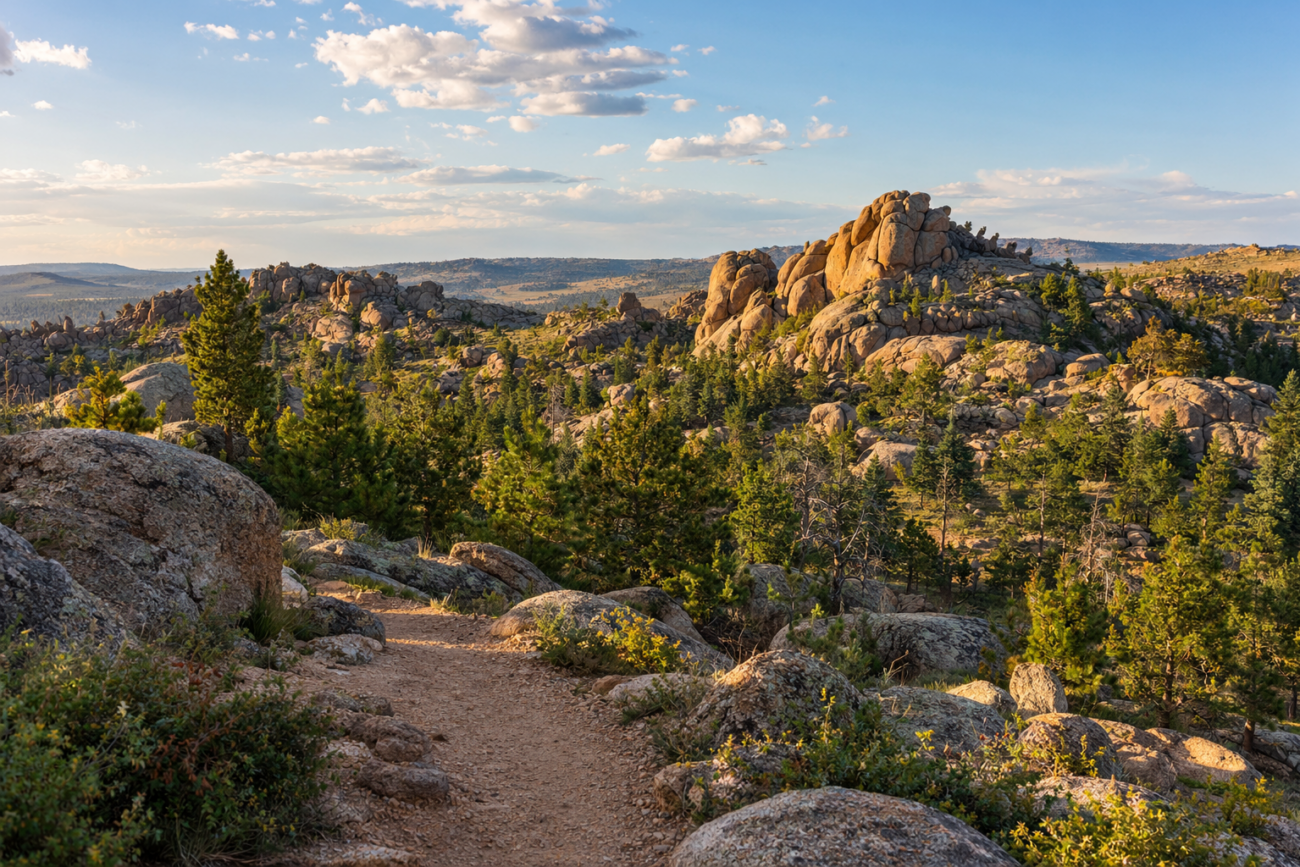
Wyoming's most famous attractions like Yellowstone and Grand Teton draw millions of visitors annually, but the state's lesser-known state parks offer equally striking scenery with a fraction of the crowds. From dramatic canyons and alpine lakes to badlands and world-class wildlife viewing, these 13 underrated state parks showcase the diverse natural beauty that makes Wyoming a true outdoor destination worth exploring.
1. Vedauwoo Recreation Area
Laramie, Wyoming
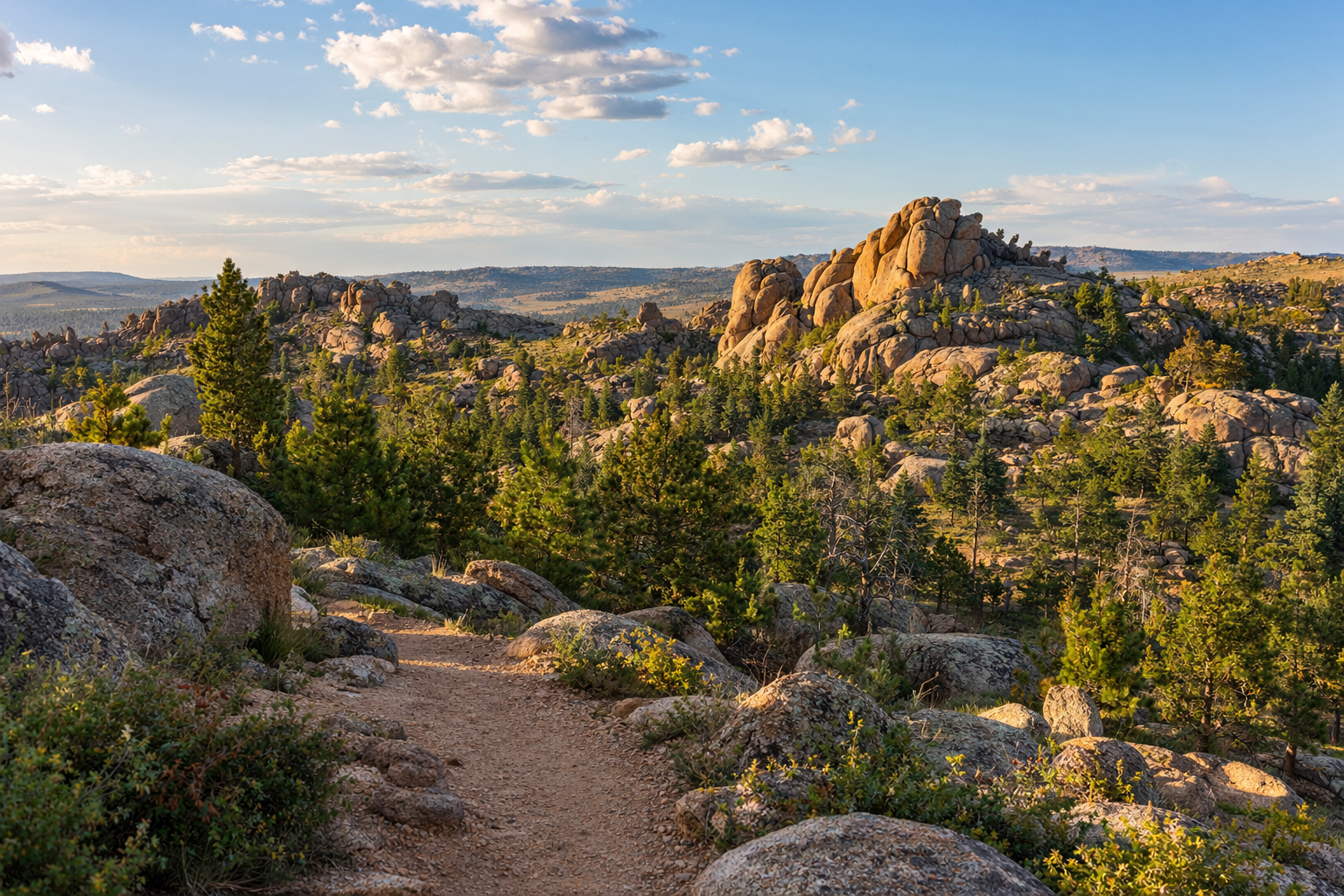
Nestled in the Medicine Bow Mountains near Laramie, Vedauwoo features distinctive granite rock formations that rise dramatically from the landscape, creating an otherworldly setting for hiking, rock climbing, and picnicking. The area's accessibility from Laramie and relatively compact trail system make it ideal for a half-day adventure. Wildlife sightings of mule deer and elk are common throughout the day, especially during early morning and evening hours when animals are most active.
Fun fact: Vedauwoo's name comes from a Native American word meaning 'land of pasture,' and the area was historically used as summer grazing ground for indigenous peoples and their livestock herds.
Tip: Visit in late May through September for best conditions. Parking is free at the main trailhead. The scenic loop trail is under 2 miles and perfect for families exploring this hidden gem near Laramie.
2. Seminoe State Park
Sinclair, Wyoming
Located on the shores of Seminoe Reservoir in south-central Wyoming near Sinclair, this park combines water recreation with high-desert landscapes and mountain views. Anglers flock here for walleye and northern pike fishing, while hikers and wildlife enthusiasts explore the surrounding terrain. The park's relative remoteness from Sinclair means you'll often find solitude even during peak summer months, making it ideal for a quiet getaway.
Fun fact: Seminoe Reservoir was created in 1939 by damming the North Platte River, and it's named after a Shoshone chief who lived in the area during the 1800s.
Tip: Best for camping from May through October. Day-use is free; camping runs about $10 per night. Bring your own provisions—the nearest town services are 30+ miles away from this remote reservoir park.
3. Keyhole State Park
Moorcroft, Wyoming
Built around a man-made reservoir in the Black Hills foothills northeast of Gillette near Moorcroft, Keyhole State Park is a quiet escape for camping, fishing, and water sports. The park's ponderosa pine forests provide shade and shelter, contrasting with the open water views that dominate the landscape. Walleye, northern pike, and perch make it a favorite for serious anglers seeking excellent fishing opportunities.
Fun fact: The reservoir was named for its distinctive keyhole shape when viewed from above, a geographic quirk that gave the entire park its identity and makes it recognizable from aerial views.
Tip: Open year-round with camping available April through November. Day-use is $5; camping is about $17 per night. The park has modern amenities including showers and boat rentals for exploring the entire keyhole-shaped body of water.
4. Bighorn Canyon National Recreation Area
Lovell, Wyoming
Straddling the Wyoming-Montana border near Lovell, Bighorn Canyon showcases dramatic 1,000-foot limestone cliffs rising above the Bighorn River and Bighorn Lake. The park offers scenic drives, short hikes, and boat access for exploring the canyon's hidden alcoves and Native American petroglyphs. Bighorn sheep—the canyon's namesake—can often be spotted on the cliff faces, making this an exceptional wildlife viewing destination.
Fun fact: Bighorn sheep were hunted to near-extinction in the early 1900s, but reintroduction efforts in the canyon have restored a healthy population that visitors can see today throughout the year.
Tip: Visit in spring or fall for moderate temperatures and clearer views of the limestone formations. The scenic drive and overlooks are free. Boat tours and rentals are available for exploring deeper into the canyon but cost extra.
5. Boysen State Park
Shoshoni, Wyoming
Situated around an expansive reservoir in central Wyoming near Shoshoni, Boysen State Park combines water recreation with access to Wind River Range views and high-desert scenery. The park's five campgrounds offer varied experiences from lakefront to canyon settings, and fishing for walleye and smallmouth bass attracts anglers year-round. Hikers will find trails that connect to the broader Wind River backcountry, making this an ideal basecamp for extended explorations.
Fun fact: Boysen Reservoir was completed in 1952 and named after Ames Boysen, a rancher and early promoter of irrigation development in the Wind River Valley.
Tip: Best visited May through October. Day-use costs $5; camping ranges from $12–$20 per night depending on amenities and proximity to water. The visitor center offers seasonal interpretive programs about local history and geology.
6. Guernsey State Park
Guernsey, Wyoming
Built around a scenic reservoir in the North Platte River valley near Guernsey, Guernsey State Park is a peaceful oasis for fishing, boating, and camping in southeast Wyoming. The park's Lakeside Scenic Area features a unique red stone amphitheater and sandy beach, making it one of the state's most visually distinctive parks. Wildlife viewing opportunities include mule deer, antelope, and occasional bald eagles soaring above the red rock formations.
Fun fact: The park's signature red sandstone bluffs were formed over 300 million years ago and contain fossils from ancient inland seas that once covered Wyoming during prehistoric times.
Tip: Open year-round with peak season May through October. Day-use is $5; camping costs $15–$20 per night. The sandy swimming beach and picnic areas are excellent for families exploring the North Platte River valley.
7. Hot Springs State Park
Thermopolis, Wyoming
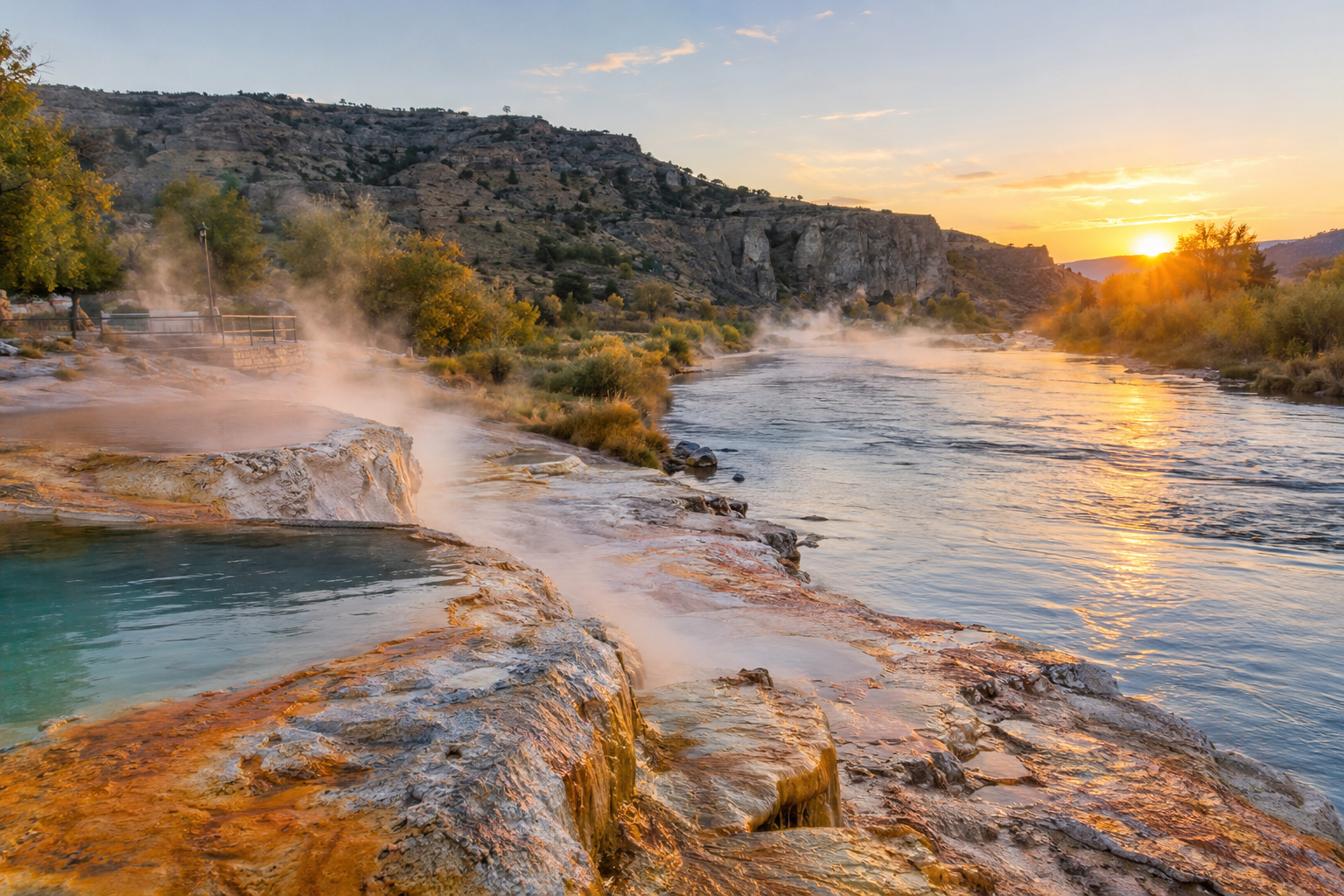
Named for the naturally hot springs that flow through the park in Thermopolis, Hot Springs State Park is a geothermal wonder where you can hike, soak, and explore thermal features in a compact setting. The park straddles the Big Horn River and features both the natural State Bath House and private thermal pools nearby in Thermopolis. The landscape shifts from canyon walls to open meadows as the river flows through town.
Fun fact: The hot springs deliver approximately 3,600 gallons of 135-degree water per minute, making it one of the largest free-flowing hot spring systems in the United States and a unique geothermal feature.
Tip: Day-use is free. The State Bath House costs about $5 for a soak in the naturally heated mineral waters. Visit in shoulder seasons (April–May or September–October) for comfortable spring-fed bathing temperatures.
8. Curt Gowdy State Park
Cheyenne, Wyoming
Located just 30 minutes west of Cheyenne in the Laramie Range, Curt Gowdy State Park offers mountain lakes, dense lodgepole pine forests, and excellent camping and fishing within easy reach of the state capital. The park's three lakes—Granite, Nagel, and Sloan—each offer distinct fishing and recreation opportunities. Hiking trails range from short lakeside walks to more challenging ridge climbs with panoramic views of the surrounding mountains.
Fun fact: The park was renamed in 1989 to honor Curt Gowdy, the legendary sports broadcaster who was a passionate outdoor enthusiast and Wyoming native dedicated to preserving the state's wild spaces.
Tip: Best visited May through October for reliable weather and full access to facilities. Day-use is $5; camping is $15–$20 per night. Arrive early on weekends, as the park fills quickly due to its proximity to Cheyenne.
9. Flaming Gorge National Recreation Area (Wyoming Side)
Manila, Wyoming
This spectacular red-rock canyon carved by the Green River straddles the Wyoming-Utah border near Manila and features towering sandstone formations in brilliant reds, oranges, and yellows. The Wyoming side offers scenic overlooks, boat access, and hiking trails that descend into the canyon's colorful depths. The cool waters of Flaming Gorge Reservoir provide striking contrast to the warm desert hues of the surrounding landscape.
Fun fact: Major John Wesley Powell named Flaming Gorge in 1869 when he witnessed the canyon walls glowing like flames at sunset during his pioneering river expedition down the Green River.
Tip: Visit in spring or fall to avoid extreme heat. The scenic drives and overlooks are free. Boat tours and rentals cost extra; backcountry camping requires a free permit from the recreation area office.
10. Sinks Canyon State Park
Lander, Wyoming
This striking park in the Wind River Range foothills near Lander features the Popo Agie River, which mysteriously disappears into a cave called 'the Sinks' and reappears a quarter-mile downstream at 'the Rise.' The canyon walls tower above the river, creating scenic hiking trails and exceptional geological interest. The park's visitor center explains the region's unique limestone hydrology and mountain ecology around Lander.
Fun fact: The river's disappearance into the Sinks and reappearance at the Rise was long a mystery to local Native Americans and early settlers; modern hydrogeology has traced the underground path through limestone formations.
Tip: Open year-round; best for hiking May through October. Day-use is free. The visitor center is staffed seasonally with excellent interpretive displays about geology and the mysterious underground river.
11. Alcova Reservoir State Park
Casper, Wyoming
Just 40 miles southwest of Casper, Alcova Reservoir offers a picturesque mountain valley setting with granite outcrops, ponderosa pines, and clear water perfect for fishing and boating. The park's multiple access points and quieter atmosphere compared to larger Wyoming reservoirs make it ideal for solitude seekers near Casper. Walleye and northern pike fishing are excellent, and the surrounding sagebrush steppe supports mule deer and occasional bighorn sheep.
Fun fact: Alcova Reservoir was completed in 1938 as part of the North Platte River reclamation project, transforming an arid landscape into a scenic water recreation destination near Casper.
Tip: Best visited May through October for optimal conditions. Day-use is $5; camping costs $12–$17 per night. The park has multiple boat launch areas, making access convenient for different starting points and fishing locations.
12. Buffalo Bill State Park
Cody, Wyoming
Overlooking the North Fork of the Shoshone River in the Absaroka Range near Cody, Buffalo Bill State Park combines backcountry access with scenic lake recreation near the iconic town of Cody. The park's reservoir offers fishing and boating while trails lead into high alpine terrain and wilderness. The dramatic mountain backdrop and proximity to Yellowstone make it a natural basecamp for exploring northwest Wyoming.
Fun fact: Named after William F. Cody (Buffalo Bill), the park sits in the same valley where Cody established his original dude ranch and hunting operations in the 1890s near the town that bears his name.
Tip: Best for camping June through September when roads and facilities are fully accessible. Day-use is $5; camping costs $15–$20 per night. The nearby Cody town offers full services and museums worth visiting during your stay.
13. Laramie Peak State Park
Wheatland, Wyoming
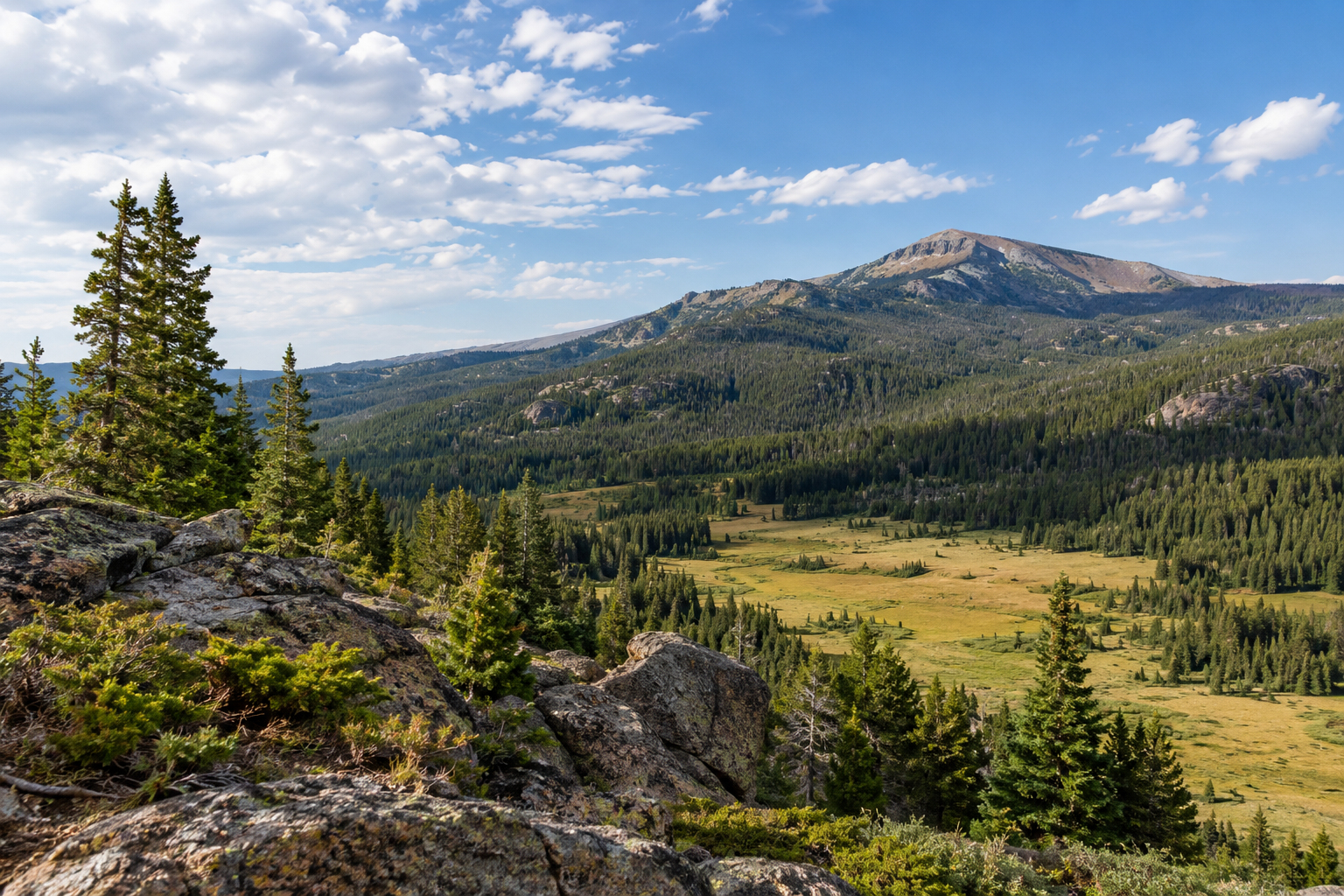
Perched high in the Laramie Range near Wheatland, this small but scenic park offers alpine meadows, lodgepole pine forests, and sweeping views across the High Plains. The park's hiking trails connect to the broader Medicine Bow National Forest system, offering extended backcountry options for adventurous visitors. Wildlife sightings of mule deer, elk, and occasional black bears are possible, especially in early morning hours near Wheatland.
Fun fact: Laramie Peak, visible from the park at 10,272 feet, was a significant landmark for Oregon Trail emigrants and remains one of Wyoming's most recognizable mountain summits from the High Plains.
Tip: Best visited June through September due to high elevation and winter snow. Day-use is free. Primitive camping is available but facilities are minimal; carry water and supplies for extended backcountry stays.
Wyoming's underrated state parks deliver authentic wilderness experiences and solitude that many travelers overlook. Whether you're seeking fishing on pristine reservoirs, hiking through alpine meadows, or camping under star-filled skies, these hidden gems offer the adventure and tranquility that keep locals returning year after year. Start planning your next trip to one of these extraordinary landscapes and discover why Wyoming's state parks rival the famous parks that draw crowds from across the country.
Frequently asked questions
What is the best time to visit Wyoming's underrated state parks?
May through October offers the most reliable weather and access to all parks. Spring (May–June) and fall (September–October) provide moderate temperatures and fewer crowds than peak summer. Winter visits are possible at lower-elevation parks near Casper and Thermopolis, but many facilities close seasonally.
How crowded are Wyoming's state parks compared to Yellowstone?
Most of Wyoming's state parks remain far less crowded than Yellowstone and Grand Teton. Even popular parks like Boysen and Guernsey see manageable crowds except on peak summer weekends. Visiting midweek or in shoulder seasons significantly reduces congestion and provides a more solitary outdoor experience.
Do I need reservations to camp at Wyoming's state parks?
Reservations are recommended but not always required. Many parks offer first-come, first-served camping, but popular spots fill quickly during summer weekends. Contact individual parks or check wyoparks.wyo.gov for current reservation policies and advance booking options.