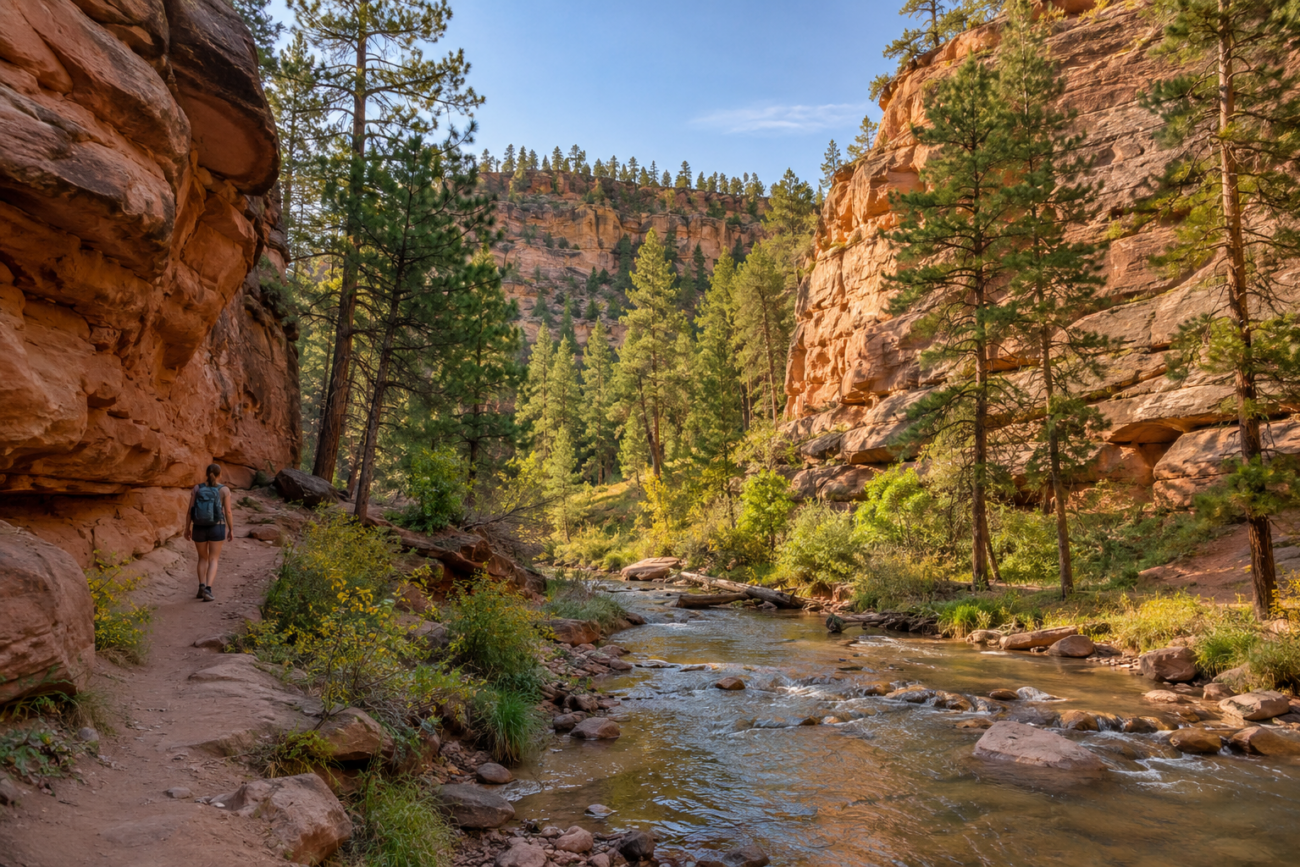
Nebraska's state parks offer some of the Great Plains' most rewarding outdoor experiences for hikers, campers, and nature lovers, yet they remain far less crowded than their national park neighbors. From dramatic sandstone canyons in the west to pristine sandhills lakes and native tallgrass prairies, these underrated destinations showcase Nebraska's diverse landscapes with genuine solitude and excellent recreation opportunities. Whether you're planning a weekend trip from Omaha or Lincoln, you'll discover authentic prairie and canyon experiences waiting in these 10 hidden gems across the state.
1. Ash Canyon State Park
Lodgepole, Nebraska
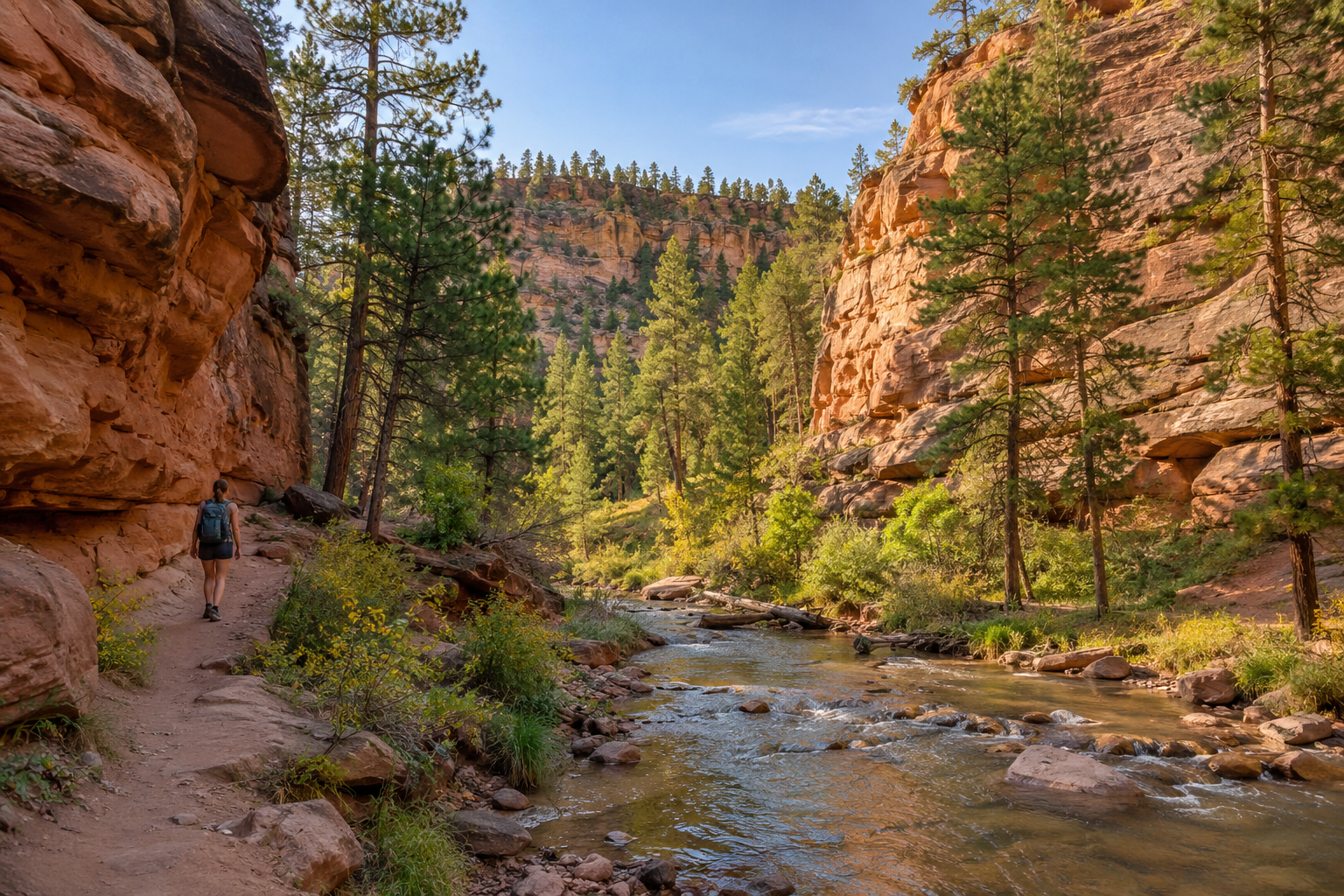
This scenic canyon park in western Nebraska near Lodgepole features dramatic red-rock bluffs, clear streams, and some of the best hiking trails in the state. The park's trails wind through ponderosa pine forests and past waterfall formations that make it feel worlds away from the Great Plains. Visitors can explore several canyon loops ranging from easy to moderate difficulty, discovering hidden pools and geological formations around every bend.
Fun fact: Ash Canyon sits at the edge of the Pine Ridge region, where unusual geological formations create a landscape more reminiscent of the Black Hills than typical Nebraska terrain, featuring rock formations rarely seen elsewhere in the state.
Tip: Visit in spring or early fall for the best weather and wildflower displays. The park has limited facilities, so pack water and snacks. Free day-use admission.
2. Medicine Creek State Recreation Area
Cambridge, Nebraska
Nestled in southwestern Nebraska near Cambridge, this quiet recreation area wraps around a scenic reservoir surrounded by sandhills and grasslands. The park is ideal for fishing, boating, and wildlife observation, with excellent opportunities to spot deer, pheasants, and numerous bird species. Scenic picnic areas and camping facilities make it a peaceful retreat for those seeking things to do in Nebraska's quieter corners.
Fun fact: The reservoir was created in 1969 and has become an unexpected oasis for migratory waterfowl, hosting thousands of birds during spring and fall migrations as part of the Central Flyway.
Tip: Bring binoculars for birdwatching—the park is particularly impressive during spring migration. Day-use admission is free; camping has modest fees. Moderate boat launch fees apply.
3. Harlan County State Recreation Area
Alma, Nebraska
This sprawling recreation area centers around a large reservoir in southern Nebraska near Alma, offering diverse outdoor activities including fishing, boating, and hiking through natural prairie landscapes. The surrounding landscape features rolling prairie and sandhills, with several scenic overlooks and nature trails throughout the park. It's a favorite among anglers and wildlife photographers exploring Nebraska's underrated destinations.
Fun fact: Harlan County Reservoir is known for excellent walleye and catfish populations, making it a serious destination for anglers who know about it—despite being overshadowed by other Great Plains fishing spots.
Tip: Best fishing is early morning or dusk. Day-use admission is free; camping and boat launch fees are very reasonable. Check water levels in late summer before visiting.
4. Chimney Rock National Historic Site Adjacent Prairie
Bayard, Nebraska
While Chimney Rock itself is managed as a historic site near Bayard in western Nebraska, the surrounding prairie landscape offers excellent hiking and geological exploration. The distinctive 325-foot stone formation rises dramatically from the North Platte River valley, and nearby trails provide views of this iconic landmark from multiple perspectives. The visitor center provides historical context about Oregon Trail heritage and the landmark's significance to westbound travelers.
Fun fact: Chimney Rock was a critical navigation point for over 400,000 Oregon Trail emigrants traveling west; many scratched their names into the rock, creating a historical record that's still visible today as a testament to this journey.
Tip: Free admission to the scenic area. Visit spring or fall to avoid summer heat. The main parking area has facilities; bring water for the surrounding hiking trails.
5. Walgren Lake State Recreation Area
Hay Springs, Nebraska
This remote sandhills park near Hay Springs in northwestern Nebraska features a pristine natural lake surrounded by tallgrass prairie and jack pine forests. The area is relatively unknown even to many Nebraskans, making it an excellent choice for solitude and wildlife observation. Fishing, camping, and hiking trails provide plenty of recreation options for those seeking genuine escape and natural beauty.
Fun fact: Walgren Lake is one of the few natural lakes in Nebraska's sandhills region; the lake formed in a glacial depression and supports unique plant and animal communities found nowhere else in the state.
Tip: The park has minimal commercial services nearby, so bring everything you need. Free day-use admission. Best visited in summer and early fall. Insect repellent is essential.
6. Johnson Lake State Recreation Area
Lexington, Nebraska
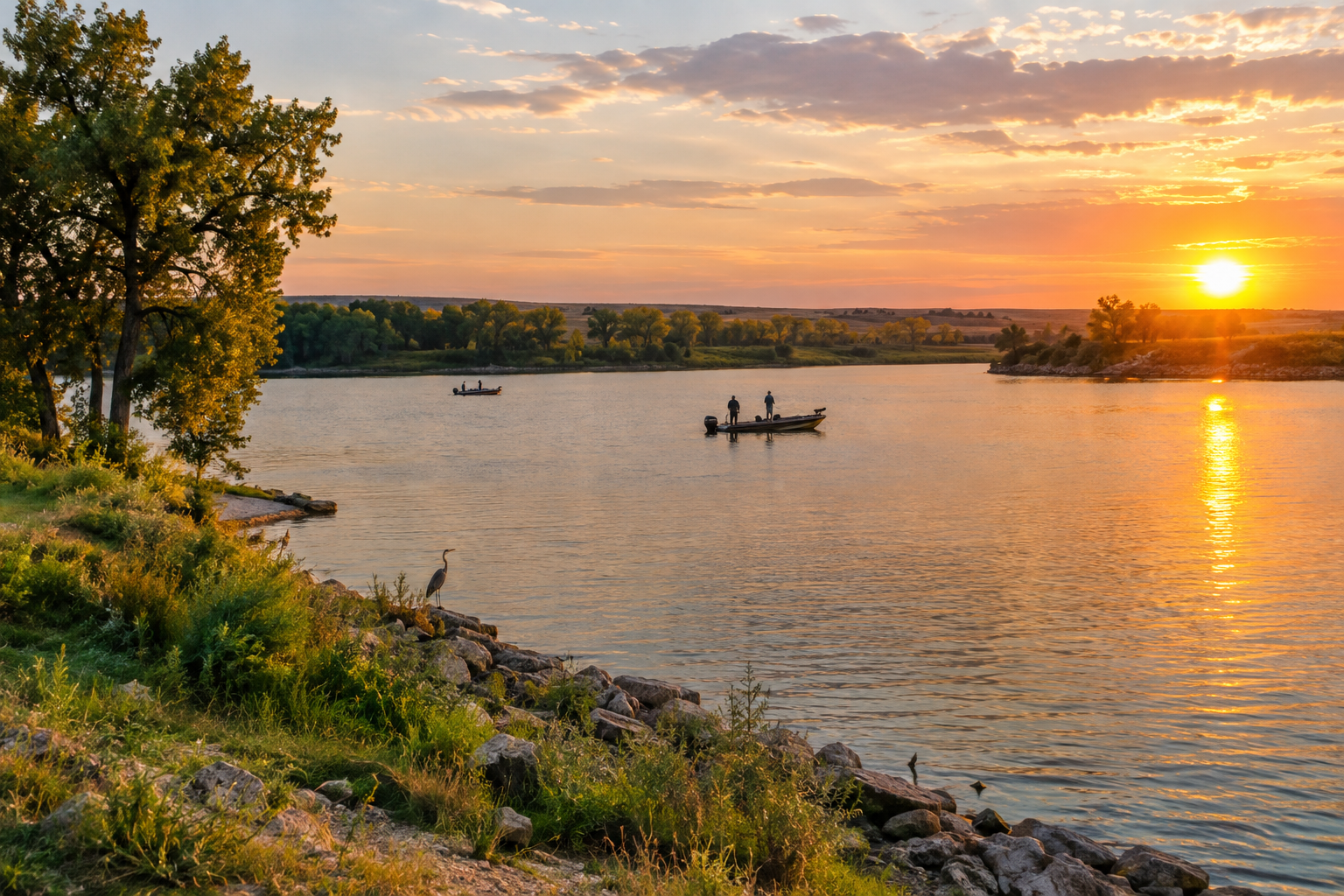
Located along the Platte River in south-central Nebraska near Lexington, Johnson Lake offers a quiet alternative to more crowded reservoirs in the region. The park features excellent fishing for walleye and catfish, scenic camping areas, and a nature trail system winding through cottonwood groves and along the shoreline. The landscape captures the character of the central Platte valley and provides ideal weekend trip opportunities.
Fun fact: Johnson Lake sits within the Platte River's historic floodplain, and the dynamic lake levels during spring snow melt create temporary habitat islands that attract nesting birds and wildlife throughout the season.
Tip: Walleye fishing is excellent in spring. Day-use admission is free; camping fees are modest. Bring insect repellent in summer. The park has full facilities including accessible picnic areas.
7. Merritt Reservoir State Recreation Area
Burwell, Nebraska
Nestled in the heart of Nebraska's sandhills near Burwell, Merritt Reservoir is surrounded by rolling prairie hills and clear water that's perfect for swimming, boating, and fishing. The park has several campgrounds with shaded sites, scenic overlooks, and hiking trails that showcase the unique sandhills ecosystem. It's a genuine hidden gem that feels remote despite reasonable road access from central Nebraska.
Fun fact: Merritt Reservoir was created in 1947 specifically to provide irrigation and flood control for the Calamus River system, but it's become more valuable as a recreation and ecological resource than originally intended by its developers.
Tip: Summer weekends get moderate crowds, but weekdays remain quiet. Day-use admission is free; camping is inexpensive. The water is clean and cold—perfect for swimming in July and August.
8. Riverside State Recreation Area
Port, Nebraska
This secluded park in north-central Nebraska near Port sits along the Niobrara River, offering a combination of water recreation and scenic bluff hiking. The river winds through canyons with mixed-grass prairie above, creating dramatic landscape contrasts perfect for photography and exploration. Canoe access and riverside camping make it ideal for a quiet water-based getaway and outdoor adventure.
Fun fact: The Niobrara River is known as the "Loopiest River in America" because it makes numerous tight meanders; the river sometimes comes within yards of itself, creating natural loops visible from the bluffs and scenic overlooks.
Tip: Canoe the river for a unique perspective of the bluffs and canyon formations. Day-use admission is free. Best visited May through September. Check river conditions before canoeing.
9. Windmill State Recreation Area
Ashby, Nebraska
Located in the remote sandhills of northwestern Nebraska near Ashby, Windmill Lake offers genuine solitude and excellent birdwatching opportunities for nature enthusiasts. The area is named for the historic windmill structures that still dot the landscape, remnants of ranching heritage. Small lakes and wetlands attract diverse bird species and provide scenic photography opportunities throughout the seasons.
Fun fact: The sandhills windmills once powered critical water pumping systems for cattle ranches; many of these antique structures are being preserved as cultural heritage landmarks that represent Nebraska's ranching history and pioneer ingenuity.
Tip: Bring binoculars and a bird guide—this is premier birdwatching territory. Free day-use admission. The park is quite remote; pack water and supplies. Best visited during bird migration periods in spring and fall.
10. Medicine Creek State Park Natural Area
Stockville, Nebraska
This lesser-known natural area in southwestern Nebraska near Stockville protects native prairie and provides access to scenic canyon hiking along Medicine Creek. The park preserves important tallgrass prairie ecosystem and offers excellent interpretive trails that explain the ecology and history of the Great Plains. Wildlife viewing and photography are exceptional here for those seeking authentic prairie experiences.
Fun fact: The prairie here represents one of Nebraska's largest remaining tracts of native tallgrass, where plants can root over 15 feet deep and create a living soil structure that's nearly impossible to replicate once destroyed by development.
Tip: Visit in summer to see wildflowers in bloom. Day-use admission is free. Trails are well-maintained but can be muddy after rain. No facilities—pack water and wear sturdy hiking boots.
11. Nebraska National Forest Scenic Area
Halsey, Nebraska
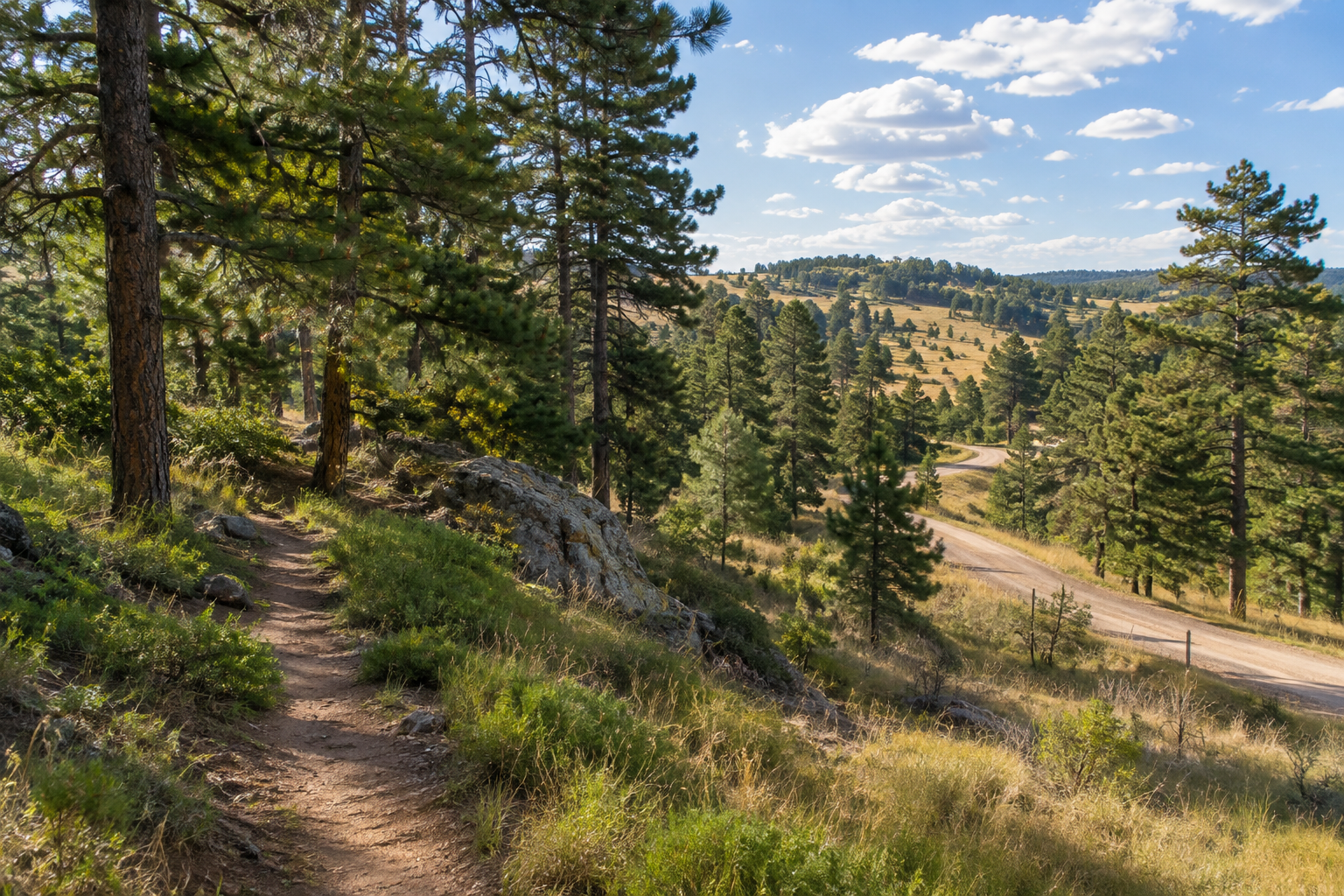
This unique managed forest in the sandhills near Halsey represents the largest hand-planted forest in the United States, created as a restoration project beginning in 1891. Ponderosa pines, junipers, and native prairie blend to create varied hiking terrain and scenic drives through unexpected forest landscape. The landscape offers an uncommon forest experience in the heart of the sandhills, perfect for weekend road trips.
Fun fact: Nebraska National Forest was originally planted as an experimental project to test whether trees could survive on the sandhills; over 130 years later, it has become a thriving ecosystem that demonstrates successful large-scale restoration on marginal land.
Tip: The scenic loop drive is excellent and can be done in 2-3 hours. Hiking trails range from easy to moderate difficulty. Day-use admission is free. Best visited spring through fall.
Nebraska's state parks deserve a place on your outdoor travel itinerary, offering authentic prairie and canyon experiences without the crowds found at more famous destinations. Start planning your next Nebraska adventure today and experience why these lesser-known parks are becoming favorites among serious outdoor enthusiasts.
Frequently asked questions
What is the best time to visit Nebraska's underrated state parks?
Spring (April-May) and fall (September-October) offer the most pleasant weather, wildflower displays, and wildlife activity. Summer is warm and ideal for water recreation and camping, though it can be hot. Winter is generally not recommended for outdoor activities, though some parks remain accessible for hardy visitors seeking solitude.
What are the typical admission fees for Nebraska's state parks?
Most Nebraska state parks have free day-use admission for scenic areas and trails. Camping fees are very reasonable, typically $10-20 per night depending on facilities. Specific activities like boat launches may charge modest fees ($5-10). Always check individual park websites for current fee information before visiting.
Are Nebraska's state parks suitable for families with young children?
Yes, these parks offer excellent facilities for families. Most have easy, short trails suitable for children, picnic areas, swimming beaches, and visitor centers. Many parks offer camping with full amenities. Bring water, sunscreen, insect repellent, and check trail difficulty ratings before planning activities.