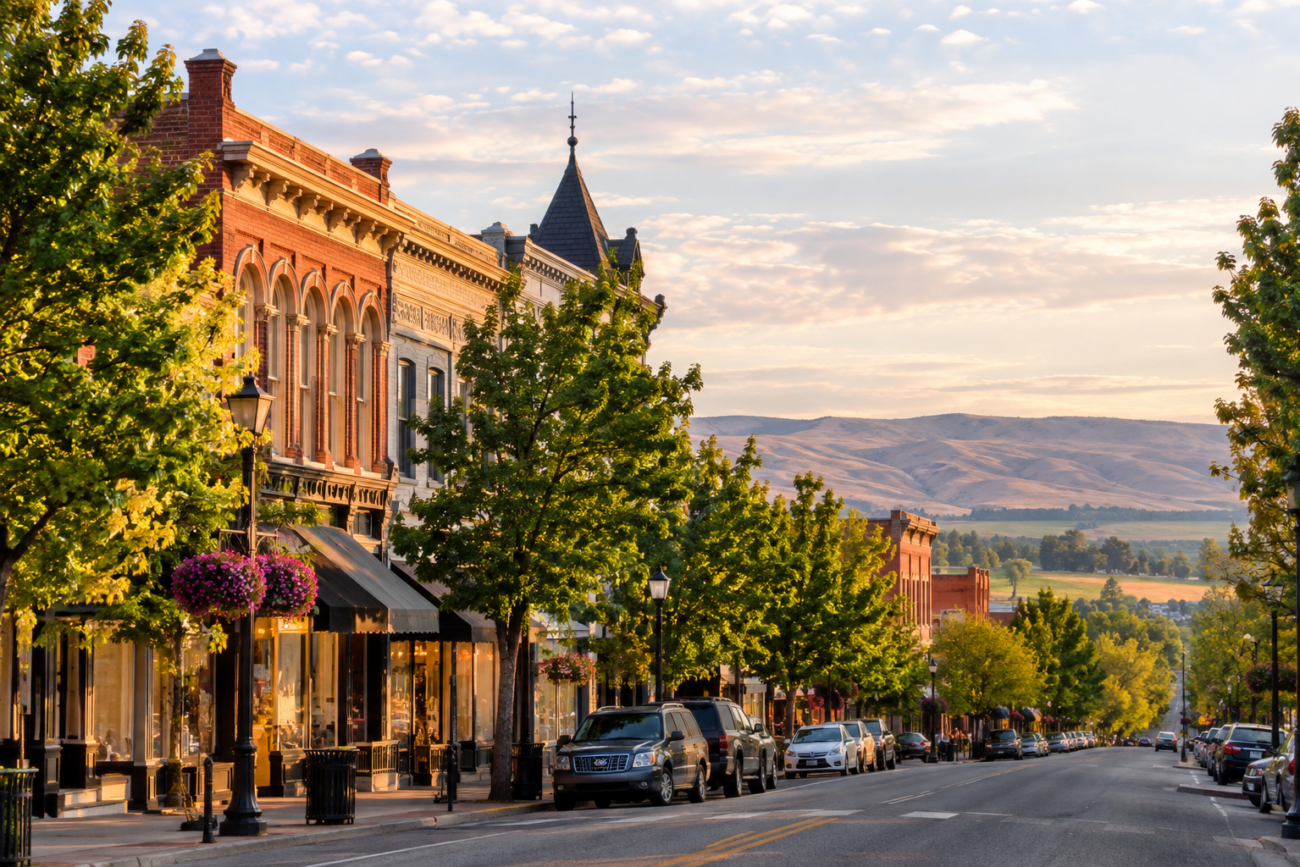
Washington's reputation rests on Seattle's skyline and the Cascades, but the state's real character emerges in its smaller towns. When looking for things to do in Washington beyond the major cities, these nine communities—scattered across the Puget Sound, the Columbia River Gorge, and the foothills—offer genuine local flavor, outdoor access, and the kind of slow pace that makes a weekend actually restorative.
1. Walla Walla
Walla Walla, Washington
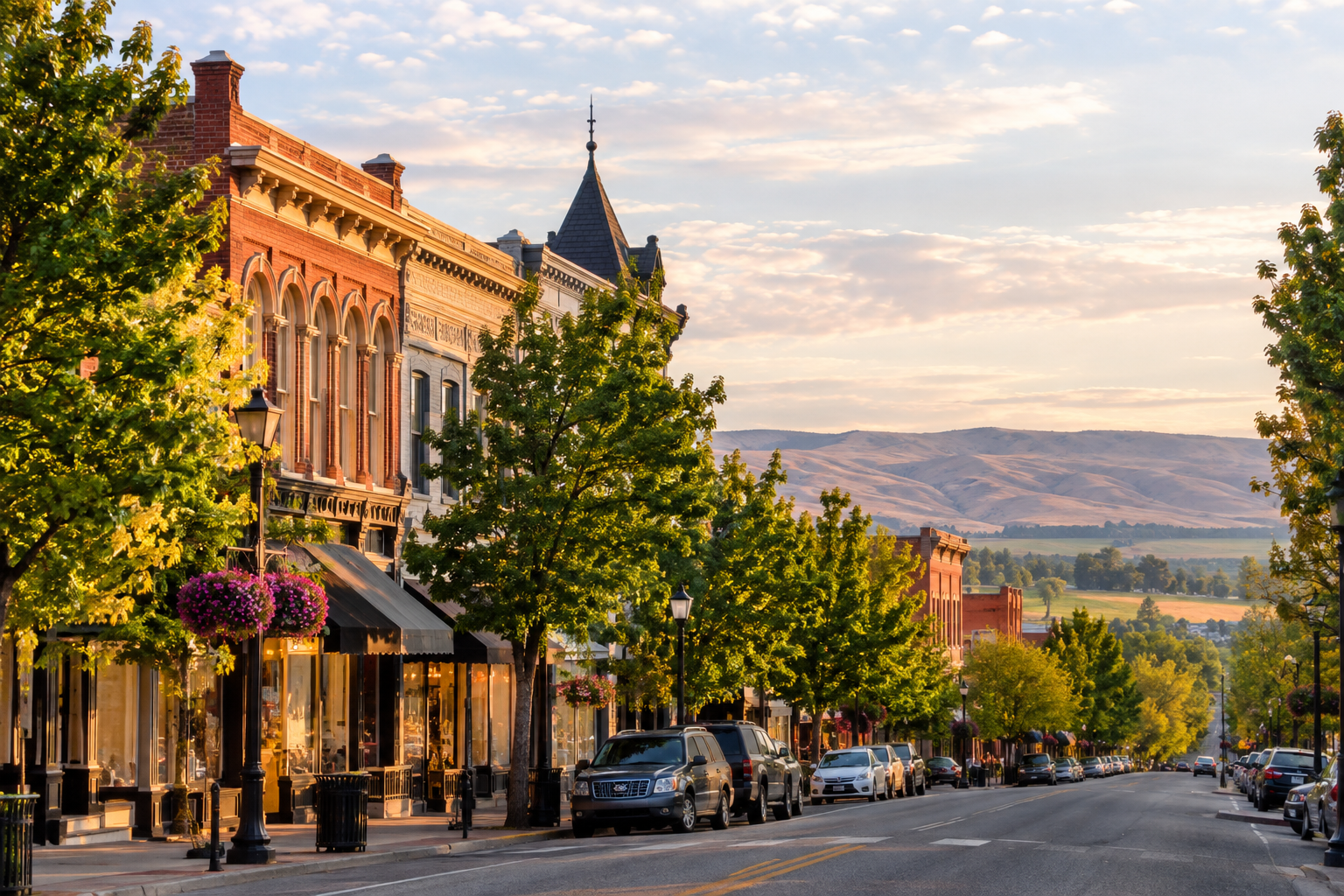
This southeastern Washington gem sits at the heart of one of America's premier wine regions, with tasting rooms and vineyards dotting the downtown and surrounding valleys. Walla Walla's historic Main Street hosts galleries, cafes, and the renowned Whitman College campus, making it one of the best places to visit for wine lovers and arts enthusiasts. The town balances agricultural heritage with a thriving arts scene that punches above its 32,000-person population, offering things to do from wine tasting to cultural events year-round.
Fun fact: Walla Walla is famous for its sweet onions—so mild they can be eaten raw—and the area celebrates them annually with the Walla Walla Onion Festival each summer.
Tip: Visit in late summer or early fall for harvest season at local vineyards and peak onion season; most tasting rooms charge no fee but may require purchases.
2. Port Townsend
Port Townsend, Washington
Perched on the Quimper Peninsula overlooking the Strait of Juan de Fuca, Port Townsend is one of the best preserved Victorian seaport towns in America, with 70-plus well-preserved historic buildings and a working waterfront. This maritime heritage town remains alive through its wooden boat culture and annual festivals that draw sailors and craftspeople. Victorian mansions sit alongside contemporary galleries, independent bookstores, and restaurants serving fresh local seafood—ideal things to do for history buffs and culture seekers.
Fun fact: Port Townsend was once expected to become Washington's main port city, but the railroad chose Tacoma instead, leaving the town in economic stasis that accidentally preserved its Victorian architecture intact.
Tip: Explore the Historic District on foot; parking is abundant and free along the waterfront. The Wooden Boat Festival in September is packed but worth planning around.
3. Snoqualmie
Snoqualmie, Washington
Best known for Snoqualmie Falls—a dramatic 270-foot cascade that thunders year-round—this valley town offers hiking, the historic Snoqualmie Pass, and quick access to outdoor recreation just 30 miles east of Seattle. The surrounding Snoqualmie Valley is dotted with farms, orchards, and farm stands selling berries and produce, making it ideal for a weekend trip focused on nature and local food. Visitors can combine waterfall views with hiking trails, local dining, and the nearby Snoqualmie Casino for a diverse range of things to do.
Fun fact: Snoqualmie Falls was featured in the opening credits of the TV series Twin Peaks, bringing unexpected fame to this quiet corner of Washington in the 1990s.
Tip: Visit the falls viewpoint early morning or after rain when water volume peaks; the drive from Seattle takes under an hour, making it ideal for a half-day trip.
4. Leavenworth
Leavenworth, Washington
This Cascade gateway town embraces Bavarian-themed architecture and Alpine aesthetics, hosting year-round festivals and serving as a basecamp for hiking, rock climbing, and cross-country skiing. Leavenworth's main street resembles a storybook village, with shops, restaurants, and breweries housed in faux-chalets, making it feel like a quirky alternative to resort towns and one of Washington's best places to visit for families. Winter transforms the area into a snowy wonderland, while summer offers direct access to nearby wilderness and endless things to do for outdoor enthusiasts.
Fun fact: Leavenworth reinvented itself in the 1960s by adopting the Bavarian theme; the transformation saved the struggling railroad town and turned it into one of Washington's top tourist destinations.
Tip: Avoid summer weekends and holidays for parking; visit in spring or fall for fewer crowds and mild weather. The Wenatchee River runs through town and offers rafting access.
5. Langley
Langley, Washington
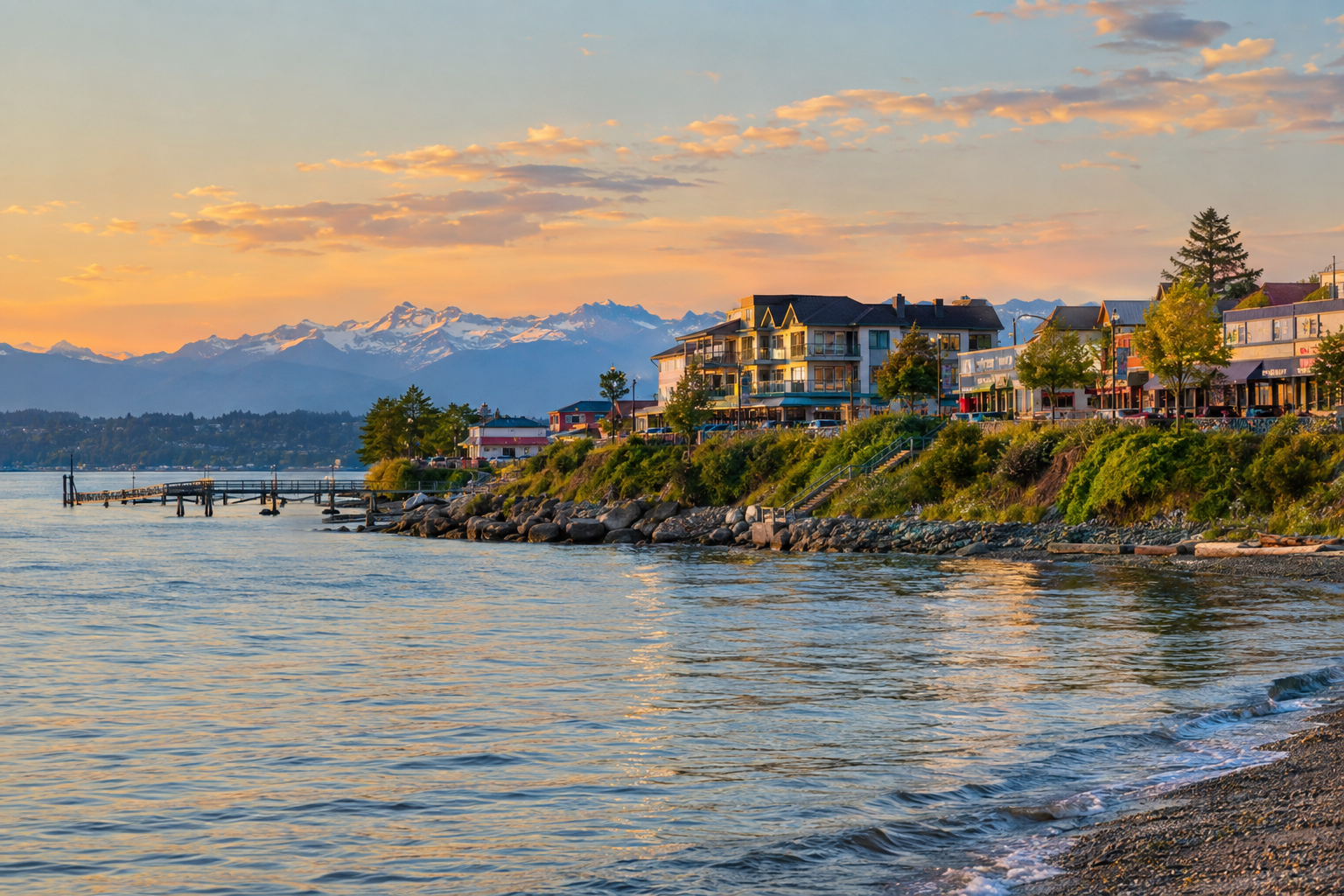
This charming Whidbey Island town overlooks the Saratoga Passage with a walkable downtown of galleries, cafes, and antique shops concentrated in a handful of blocks. Langley is one of the best places to visit for art lovers and those seeking a quieter waterfront escape, offering bluff-top location with water views, nearby state parks for hiking and beach access, and a village atmosphere that attracts artists and retirees. Farm-to-table restaurants showcase local ingredients, making things to do here focus on culinary experiences and cultural exploration.
Fun fact: Langley has been a muse for Northwest artists and writers for decades, with the town serving as inspiration for regional art movements and home to numerous working studios.
Tip: Park in the public lot near the waterfront and walk the entire downtown in under an hour. Visit Tuesday through Thursday for the lightest crowds; bring cash for smaller galleries and shops.
6. Manzanita
Manzanita, Washington
Located on the Long Beach Peninsula along the Washington coast, Manzanita is a quiet oceanside hamlet known for its seven-mile stretch of sandy beach and low-key beach-town vibe perfect for a coastal weekend trip. The village itself is tiny—just a few blocks—with local restaurants, a market, and access to nearby hiking in the surrounding coastal hills. Razor clam digging, beachcombing, and storm watching are seasonal things to do that keep visitors returning to this hidden gem on the Pacific Northwest coast.
Fun fact: Manzanita sits on the Long Beach Peninsula, one of the widest and longest sandy beaches on the American coast, yet remains far less crowded than beach towns in Oregon or California.
Tip: Winter months (November–February) offer best razor clam digging season and dramatic storm-watching conditions. Parking is available near the beach pavilion; bring layers as coastal wind is constant.
7. Index
Index, Washington
Tucked into the Cascade foothills along the North Fork Skykomish River, Index is a former gold-mining town reduced to a few dozen buildings that now house artists, craftspeople, and river enthusiasts. This mountain town's scattered buildings tell stories of late-1800s boom-and-bust prosperity, with remnants of its mining past visible in old structures, making it one of the best places to visit for history buffs. Access to hiking, river kayaking, and mountain scenery makes Index a basecamp for outdoor adventure and things to do focused on nature and frontier heritage.
Fun fact: Index was a thriving gold rush town in the 1890s with a population of over 1,500; today, fewer than 100 people live there year-round, giving it a ghostly, authentic frontier atmosphere.
Tip: Bring cash—services are minimal and no ATM exists in town. The drive from Seattle takes about two hours; combine with nearby hiking on the Skykomish River trails.
8. Concrete
Concrete, Washington
Situated along the Skagit River in the North Cascades corridor, Concrete serves as a gateway to backcountry hiking, river sports, and mountain scenery without the crowds of more tourist-oriented towns. The small downtown has cafes, an RV park, and outdoor outfitters supporting visitors heading to nearby trails, waterways, and peaks, offering practical things to do for outdoor adventurers. This mountain town's identity is rooted in logging and outdoor access rather than tourism aesthetics, making it ideal for those seeking an authentic weekend trip focused on nature.
Fun fact: Concrete's name comes literally from its past as a cement-producing center; the Skagit River provided limestone used in early 20th-century cement plants that supplied the Pacific Northwest.
Tip: Stay overnight to fully enjoy the surrounding Cascade hiking and river recreation; the town has basic but clean lodging. Spring snowmelt swells the Skagit River, offering class II–III rafting.
9. Roslyn
Roslyn, Washington
This former coal-mining town on the eastern slope of the Cascades is now known as a jumping-off point for skiing, hiking, and exploring the Cascade alpine environment. Roslyn's compact downtown retains frontier character with saloons, diners, and local businesses catering to outdoor enthusiasts, providing things to do year-round. The high-elevation location (3,000+ feet) provides cooler summers and reliable winter snow, making Roslyn one of the best places to visit for seasonal recreation and a genuine mountain town weekend trip experience.
Fun fact: Roslyn was founded as a coal mining town and still has one of the largest cemeteries for a population its size, reflecting waves of immigration and mining labor from the 1880s–1920s.
Tip: Visit in winter for skiing at nearby Snoqualmie Pass or cross-country trail access; summer hikers should arrive early as trail parking fills quickly. The town has character but limited restaurant options, so plan meals ahead.
10. Anacortes
Anacortes, Washington
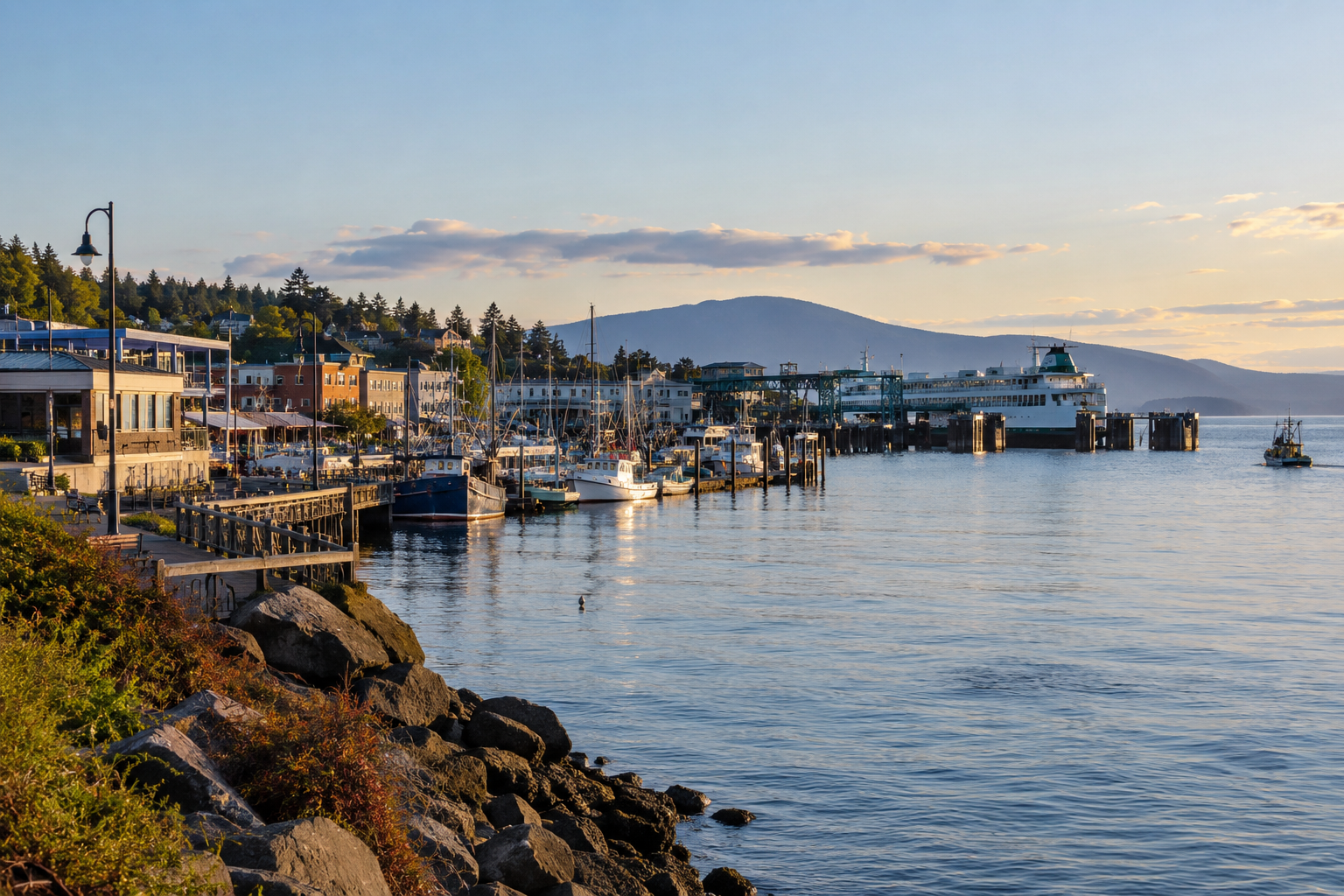
As the primary departure point for San Juan Islands ferries, Anacortes itself deserves a half-day or overnight stay for its waterfront charm, maritime history, and local art scene. This working waterfront community features galleries, breweries, and seafood restaurants, with nearby parks offering ocean views and beach access for visitors seeking things to do beyond ferry travel. Anacortes' economy and identity revolve around the ferry terminal, making it a genuine maritime town rather than a resort destination and an ideal stop for a Puget Sound weekend trip.
Fun fact: Anacortes sits on an island (Fidalgo Island) connected to the mainland by bridges; the town's deep maritime heritage includes a historic cannery district and active fishing fleet visible from downtown.
Tip: Arrive early if planning a same-day ferry to San Juan Islands; parking can be tight during peak summer months. Explore the downtown on foot while waiting for ferry departure; several waterfront parks offer views of the Salish Sea.
Each of these nine small towns in Washington reveals a different side of the Pacific Northwest, whether you're chasing maritime history, farm-to-table dining, wine country exploration, or mountain views. Plan your next weekend trip from Seattle and discover why locals keep returning to these quieter corners of Washington state.
Frequently asked questions
What's the best time to visit small towns in Washington for a weekend trip?
Spring (April–May) and fall (September–October) offer mild weather and fewer crowds than summer. Winter is ideal if you enjoy snow, skiing, or storm-watching on the coast. Summer is busiest but provides long daylight for hiking and water activities across all regions.
How far are these Washington towns from Seattle?
Most are within 1.5–2 hours of Seattle by car, making them ideal for weekend trips. Snoqualmie and Leavenworth are closest (under 1.5 hours), while Index, Concrete, and Roslyn range from 1.5–2 hours depending on traffic and weather conditions.
Which small towns in Washington are best for families?
Snoqualmie Falls, Leavenworth, and Langley offer family-friendly activities and dining options. Smaller towns like Index and Manzanita suit families seeking outdoor adventure and quiet exploration. Winter activities in Leavenworth and Roslyn appeal to families with older children interested in skiing and mountain recreation.
Do I need to book accommodations in advance for Washington weekend trips?
During peak summer months and holiday weekends, booking ahead is recommended, especially in Leavenworth and Langley. Spring and fall travel allows more flexibility, though popular properties may still fill quickly on weekends.
What outdoor activities are available year-round in these towns?
Hiking is accessible most of the year in lower-elevation towns like Langley and Anacortes. Winter offers skiing near Leavenworth and Roslyn, while river activities (rafting, kayaking) peak in spring and early summer. Beachcombing and storm-watching are best in winter along the coast at Manzanita.