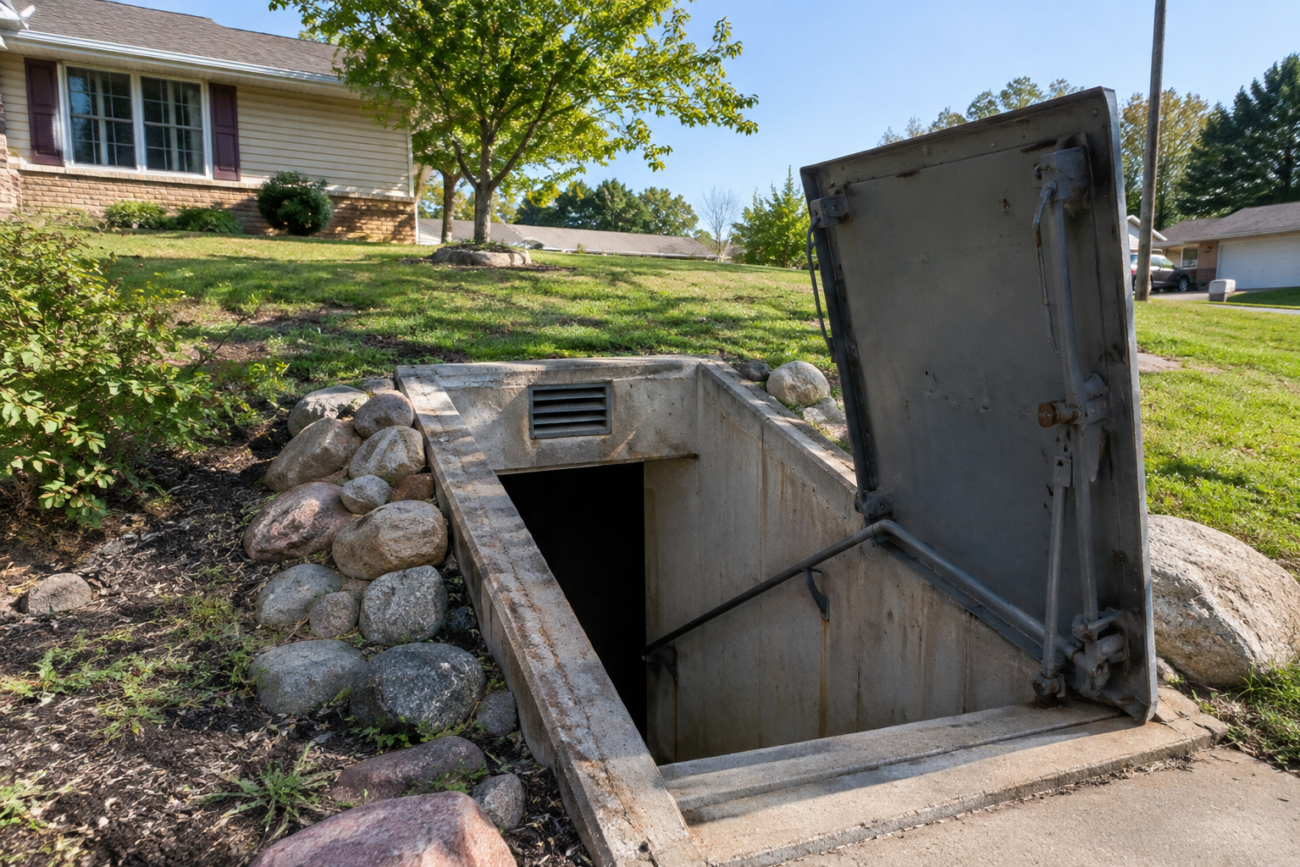
Minnesota's best-known draws tend to overshadow some truly remarkable places with fascinating backstories worth exploring. Things to do in Minnesota extend far beyond the usual tourist stops—from a preserved Cold War fallout shelter beneath an Anoka suburban home to an underground iron mine 2,341 feet deep near Tower, these nine destinations reveal unexpected depth and character throughout the state. Pack your curiosity; these Minnesota stops aren't just worth visiting; they're worth understanding why they exist and what they reveal about the people who built them.
1. The Elmer and Frances Meyer Fallout Shelter
Anoka, Minnesota
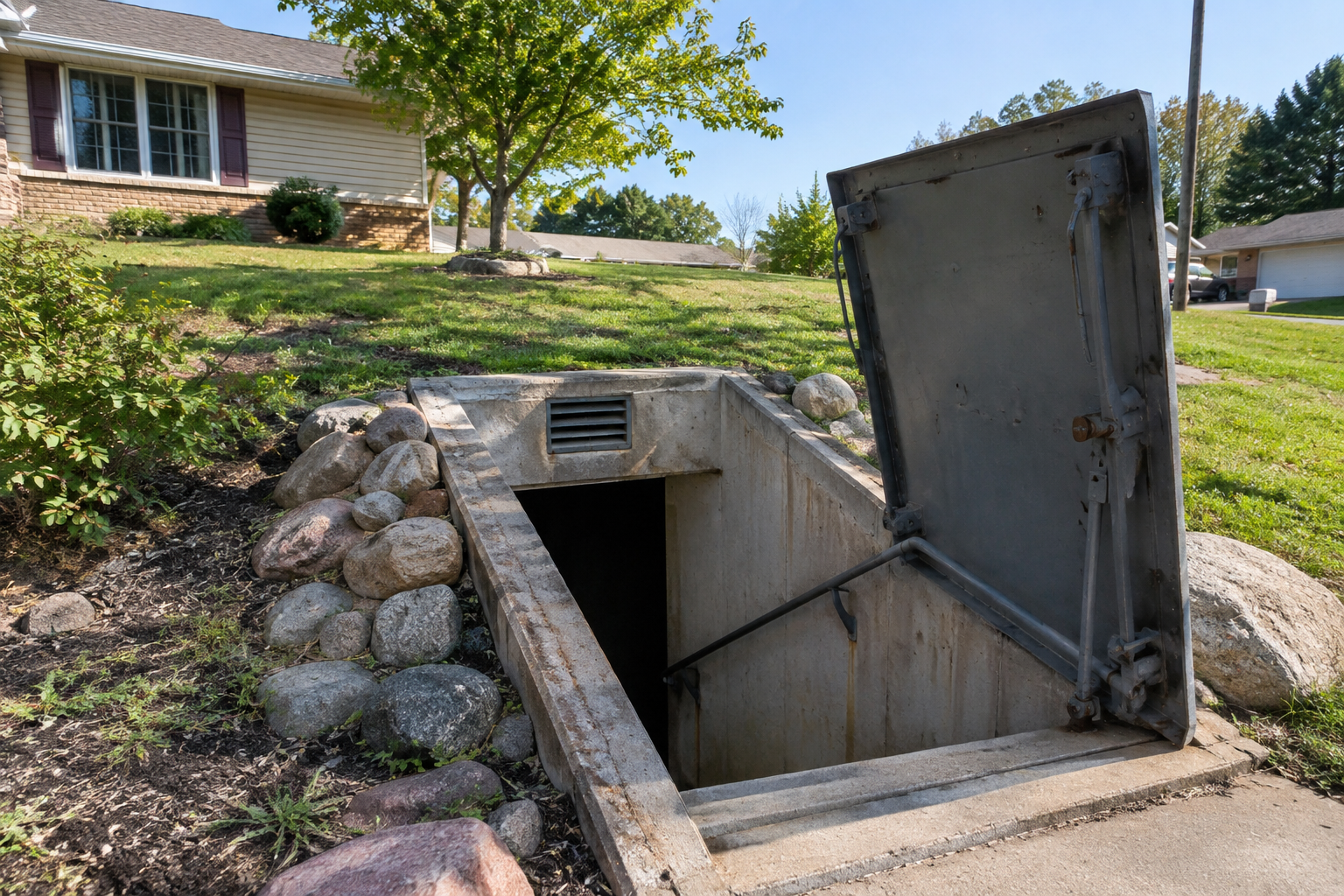
Built by a Minnesota couple during the height of Cold War anxiety in the 1960s, this underground bunker sits beneath a modest suburban home in Anoka, about 20 minutes north of Minneapolis. Today, it stands as a fully furnished time capsule showing what an average American family believed they needed to survive nuclear war. The shelter is preserved almost exactly as it was left, complete with original supplies, canned goods, and period-appropriate furnishings that tell the story of Cold War-era fears.
Fun fact: The Meyers spent $20,000 on the shelter in 1963—equivalent to roughly $200,000 today—and lived upstairs in their regular home while leaving the bunker untouched for decades.
Tip: Tours are by appointment only and require booking in advance. The shelter is small and fills quickly, so plan ahead. This hidden gem offers insight into mid-century American anxiety that few visitors expect.
2. The Spam Museum
Austin, Minnesota
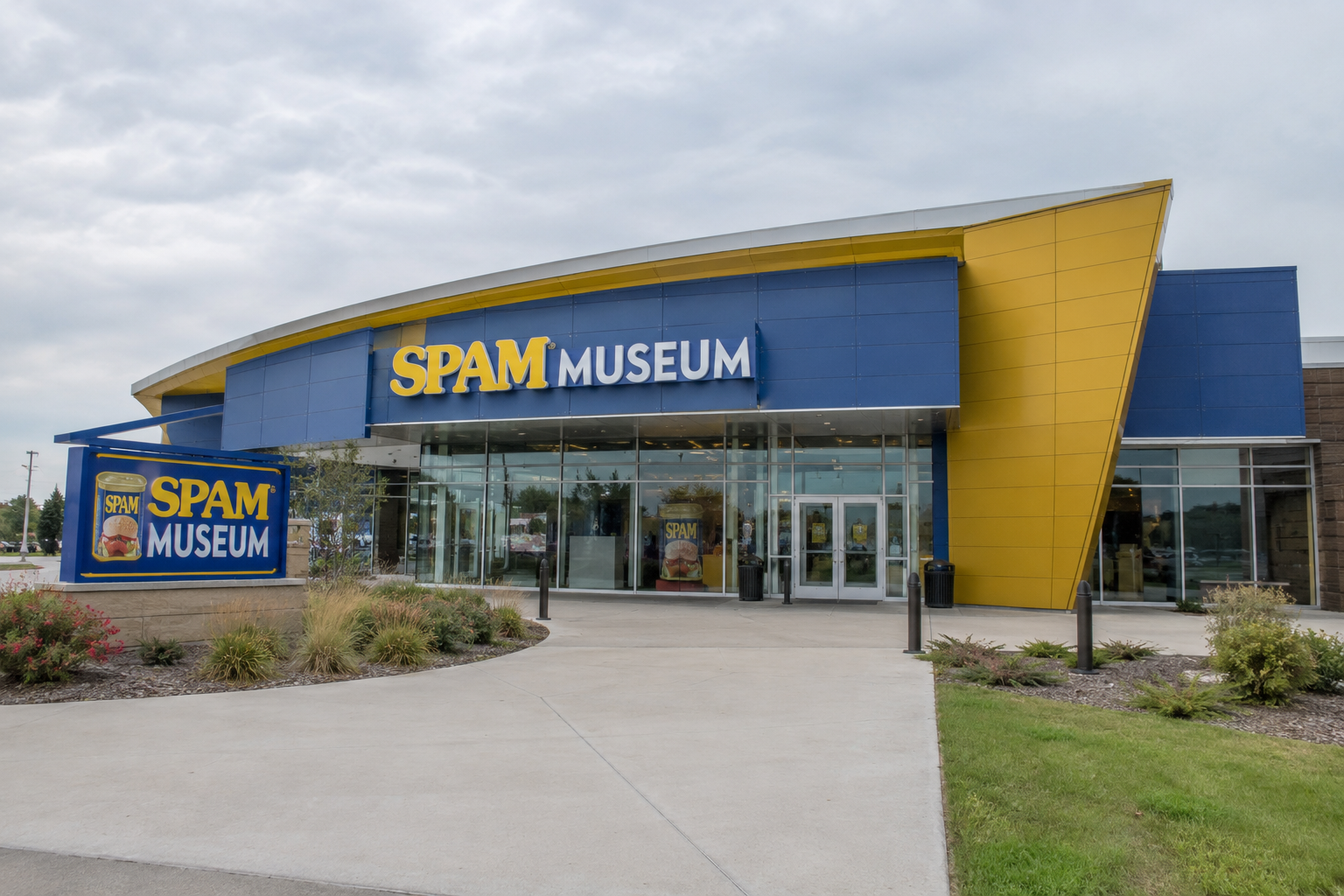
Housed in a sleek building in Austin, southern Minnesota, this museum celebrates the history of SPAM canned meat in all its unexpected dimensions. The exhibits trace the product from its 1937 invention to its global cultural phenomenon status, complete with tasting room, vintage advertisements, and interactive displays. What begins as quirky Americana becomes genuinely enlightening about food innovation and American manufacturing history in a small Midwestern town.
Fun fact: SPAM has been produced continuously since 1937 and is now sold in over 100 countries; South Korea and the Philippines are among the top consumers per capita, making this Austin museum a window into global food culture.
Tip: Admission is around $12–15 for adults. The museum gift shop offers SPAM products you won't find elsewhere. Plan 1–2 hours for a thorough visit. Combine with the Hormel Historic Home nearby for a full day exploring Austin's industrial heritage.
3. The Soudan Underground Mine State Park
Tower, Minnesota
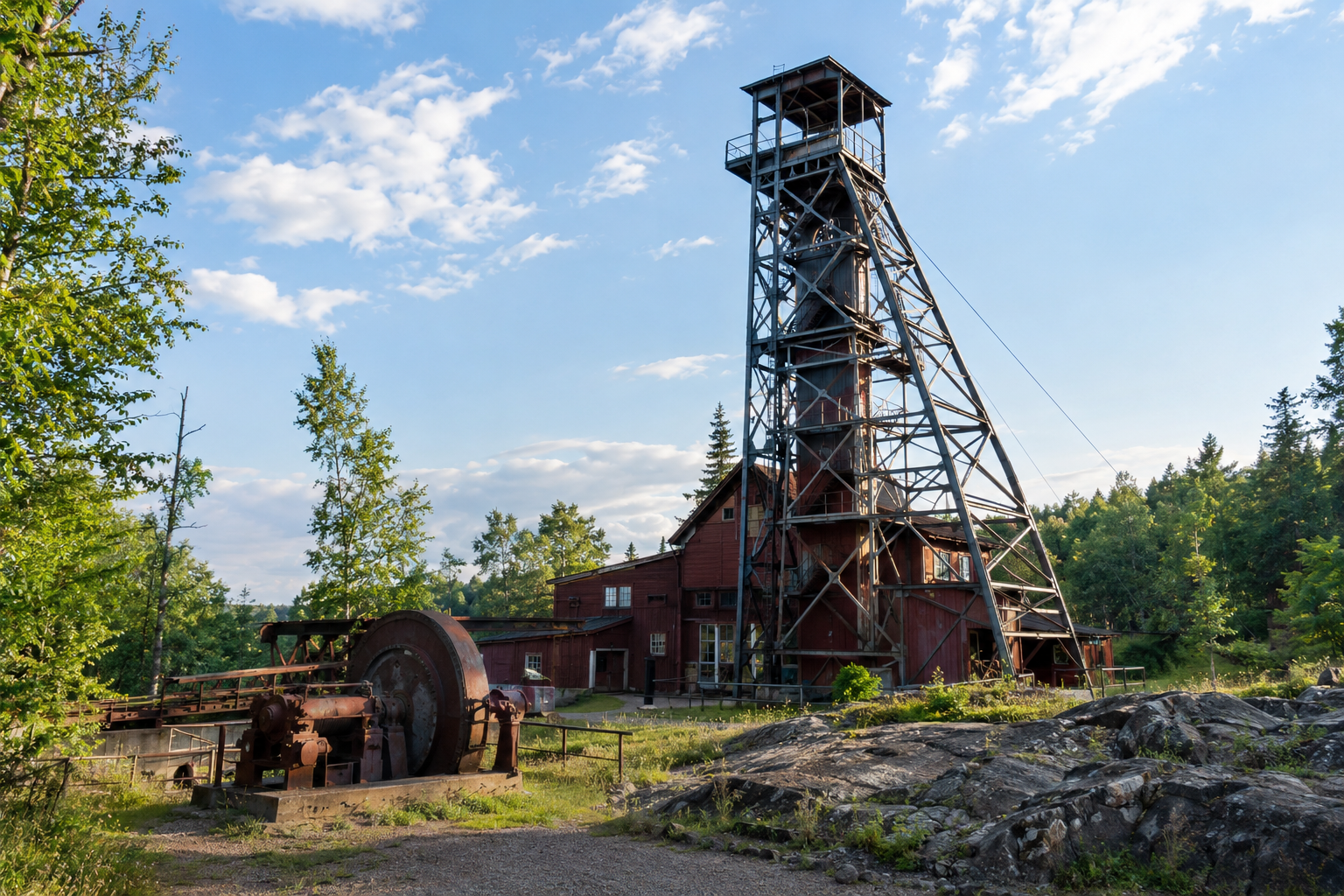
A former iron ore mine plunging 2,341 feet below the surface near Tower, Minnesota, Soudan offers visitors a chance to descend into one of the deepest mines in the nation. The mine operated from 1882 to 1962 and today maintains its original equipment and structure as a state park attraction. Tours guide visitors 700 feet down a mine shaft into cavernous chambers where iron was extracted for over eight decades, revealing Minnesota's mining heritage.
Fun fact: At the deepest levels, the temperature stays around 52°F year-round due to geothermal heat, and the mine is so deep it once housed a neutrino research experiment conducted by scientists studying particle physics.
Tip: Tours are seasonal (May through October) and tickets are purchased at the surface visitor center. Wear sturdy shoes and bring a light jacket—the mine is cold. Entry is around $14 for adults. This is one of Minnesota's most unique underground attractions.
4. The Glensheen Historic Mansion
Duluth, Minnesota
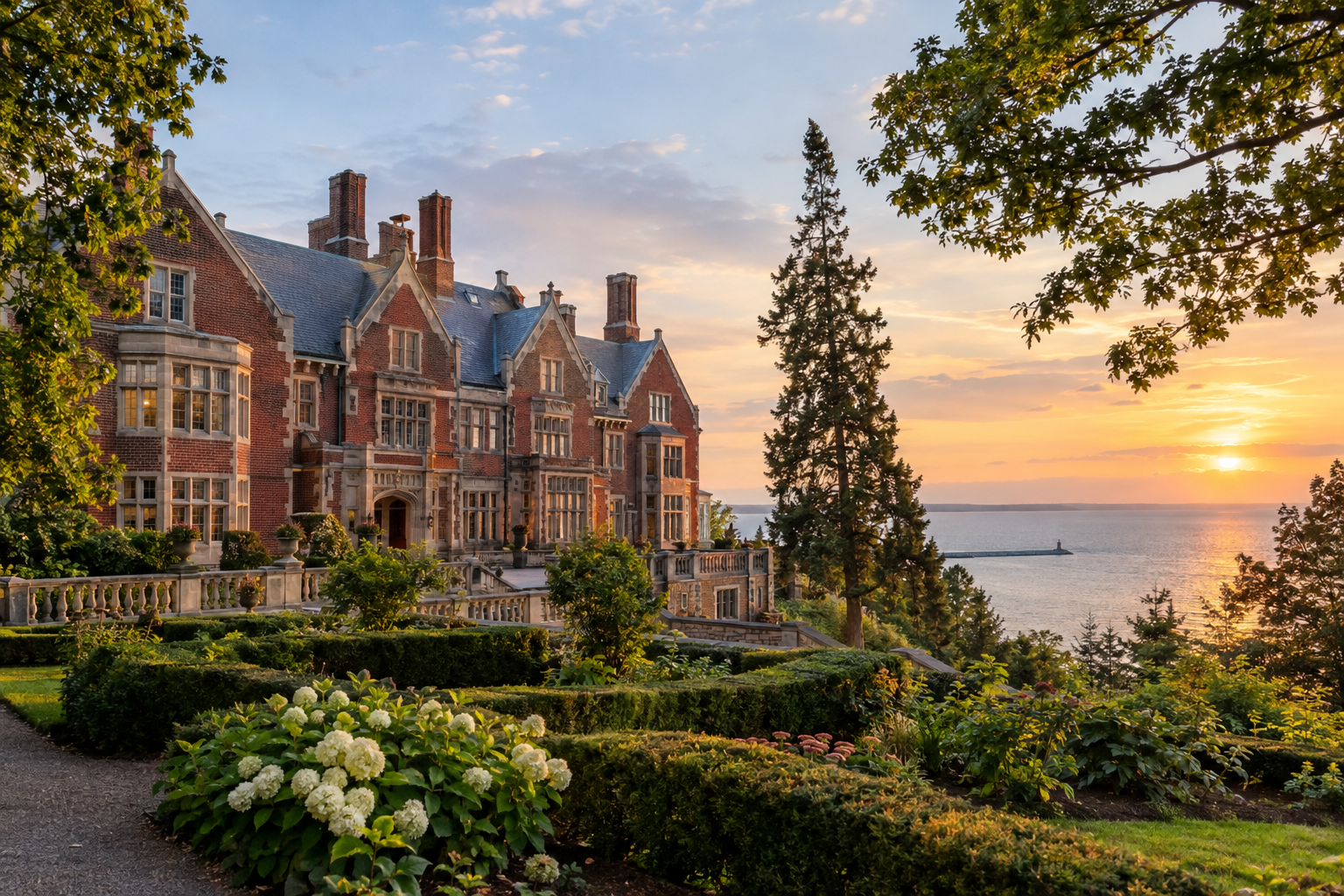
This 39-room Tudor Revival mansion in Duluth overlooks Lake Superior and represents the opulence of Gilded Age Minnesota. Built in 1908 by a wealthy mining magnate, the estate sprawls across 22 acres and features period rooms, formal gardens, and modern amenities that were revolutionary for its time. The mansion is also the site of an unsolved 1977 murder, a dark chapter that adds intrigue to its elegant history and makes it one of Minnesota's most talked-about historic properties.
Fun fact: The unsolved murder of a Glensheen resident in 1977 remains one of Minnesota's most famous cold cases, and it still dominates local conversation decades later, adding a layer of mystery to the mansion's story.
Tip: Guided mansion tours run year-round and cost around $18–22. The grounds are free to walk, offering views of Lake Superior and mature gardens. Book ahead during peak season (summer and early fall). Duluth is on Lake Superior's western shore, about 1.5 hours from Tower's mine.
5. The Hormel Historic Home
Austin, Minnesota
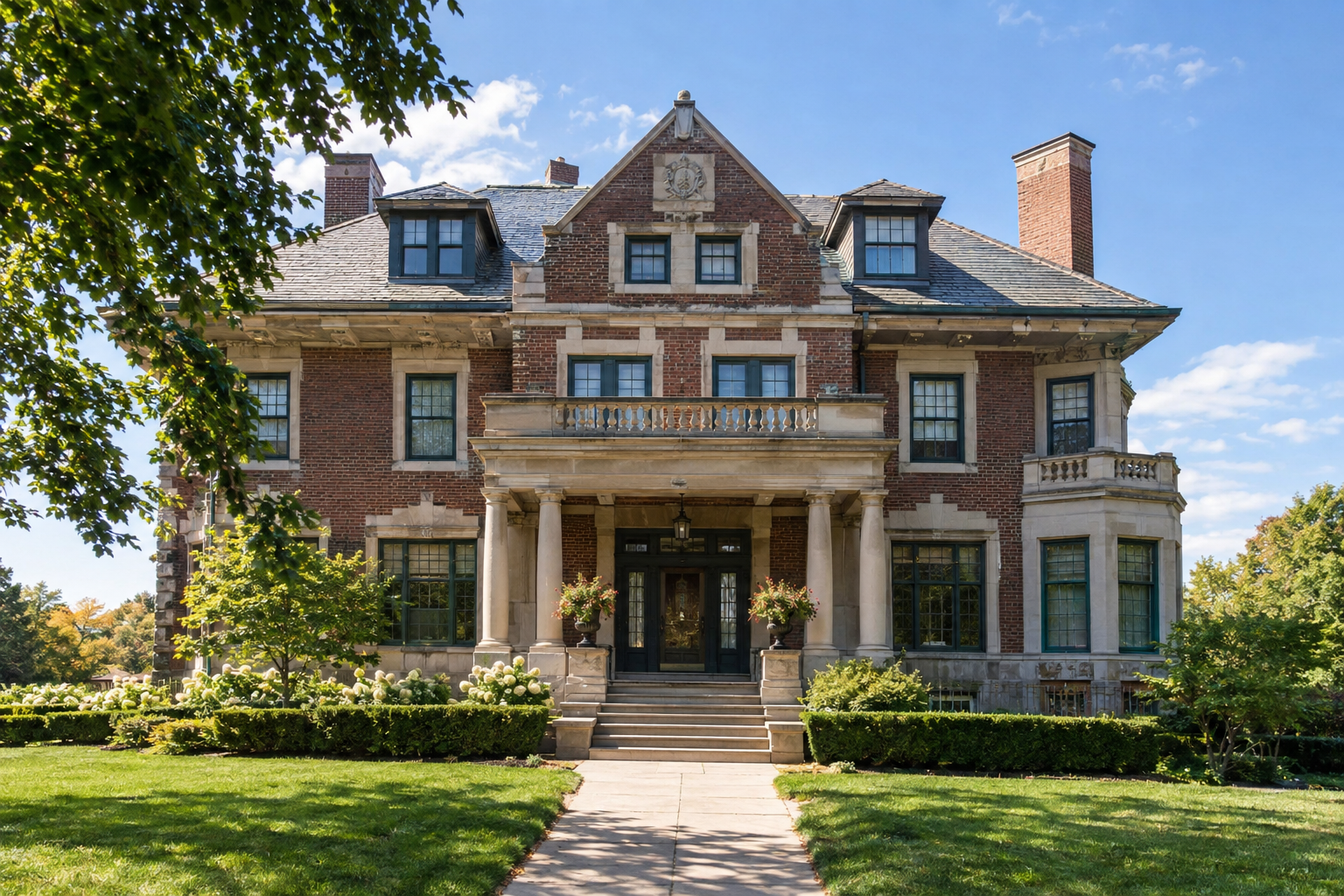
The family residence of Hormel meat-packing company founder Jay Hormel, this house is a well-preserved Edwardian mansion in Austin that tells the story of how one family shaped a Midwestern town. Built in 1909, it reveals the daily life, taste, and influence of one of Minnesota's industrial titans through original furnishings, art collections, and period details that illustrate early-20th-century wealth and design sensibility in this small community.
Fun fact: Jay Hormel was a pioneer of humane animal treatment in meatpacking at a time when the industry was known for brutal conditions—he implemented welfare policies that were revolutionary for his era and changed how Minnesota's meat industry operated.
Tip: Tours are by guided appointment and cost around $10–12. Austin is home to both the Hormel company headquarters and the Spam Museum, making it a unique heritage destination. Combine both visits for a full day exploring Minnesota's food industry roots.
6. The American Swedish Institute
Minneapolis, Minnesota
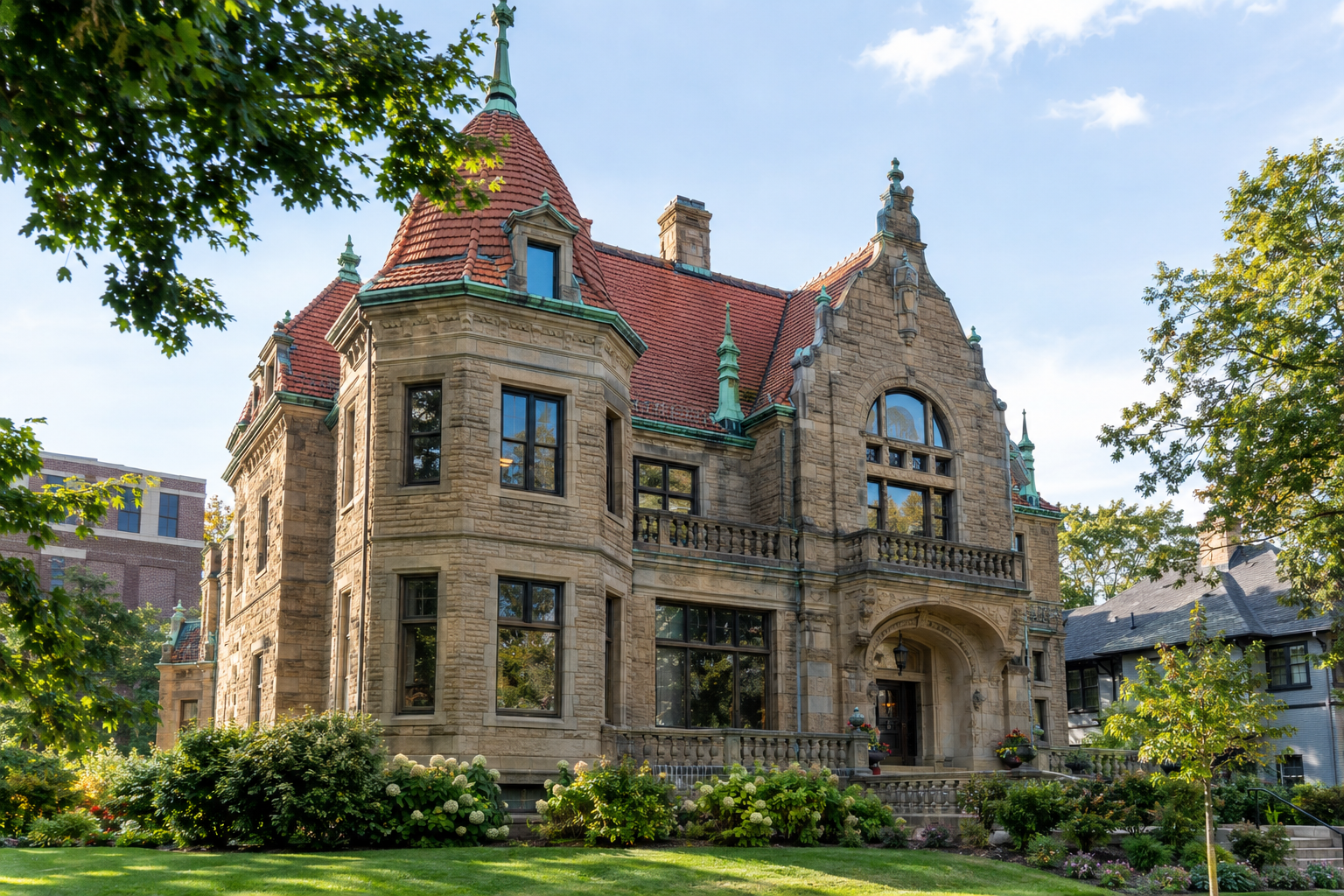
Housed in a Swedish-inspired mansion in south Minneapolis, this cultural institution preserves and celebrates Swedish-American heritage across art, design, and history. The building itself, called the Turnblad Mansion, is an architectural marvel with hand-painted ceilings and intricate woodwork showcasing Scandinavian craftsmanship. Rotating exhibits explore everything from traditional crafts to contemporary art by Swedish-American artists, making it an unexpected cultural gem in the Twin Cities.
Fun fact: The mansion was built in 1908 by a Swedish-American newspaper publisher as his personal residence and was later donated as a cultural center; every interior detail reflects his vision of Swedish aesthetics and design philosophy.
Tip: Admission is around $8–10 for adults. The institute café serves Swedish-inspired food and fika (coffee breaks). Plan 1.5–2 hours for the mansion and galleries. Free admission is offered one evening per month. It's located near .
7. The World's Largest Ball of Twine
Cando, North Dakota—visible from Waubun, Minnesota
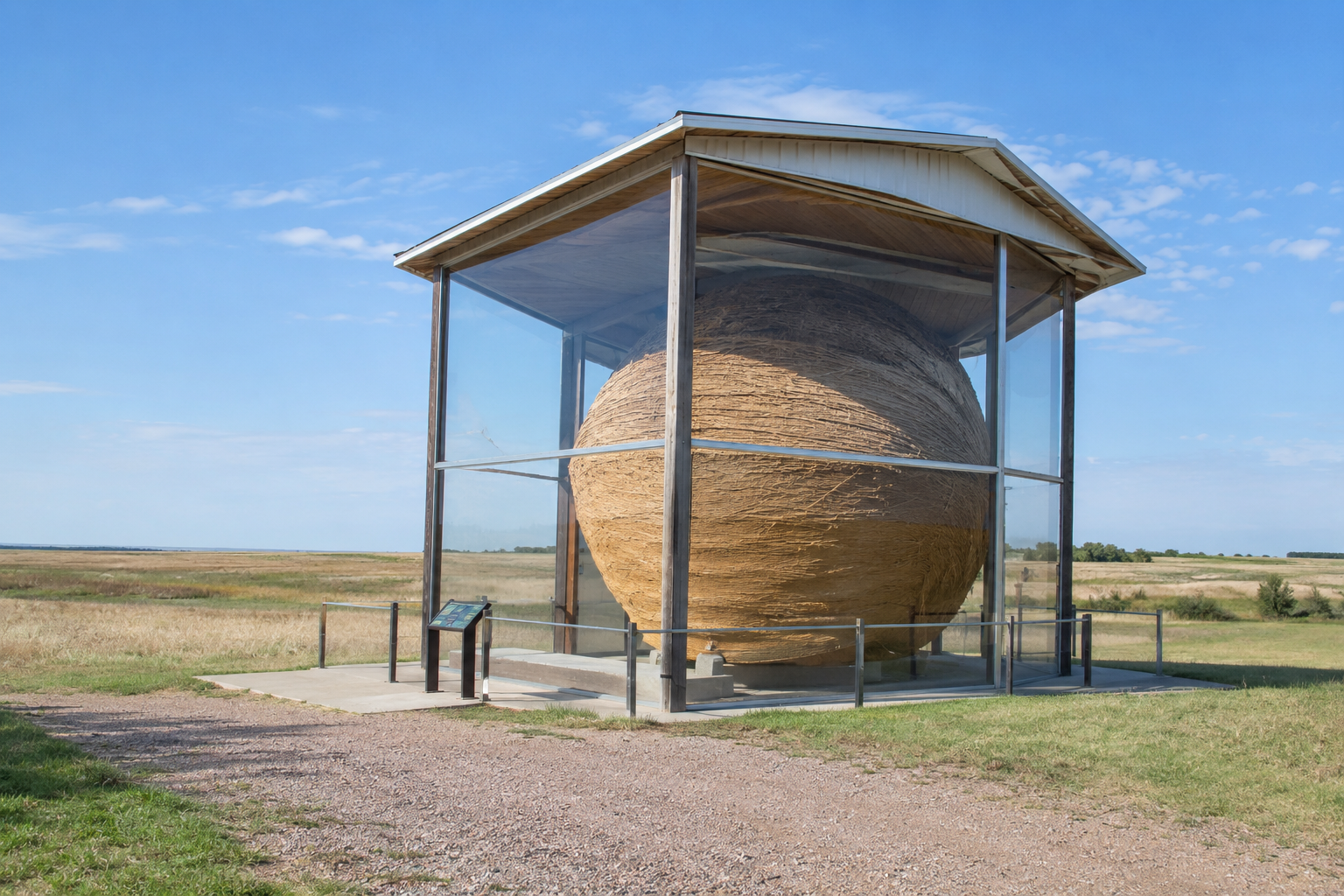
While technically located just across the North Dakota border near Cando, this quirky roadside attraction draws curious Minnesotans from the northwest region, particularly from Waubun. The ball weighs over 18 tons and measures 40 feet in circumference, created by a farmer over a 29-year period starting in 1950. The covered shelter now protecting it allows visitors to see this absurdist masterpiece up close, and the visitor center shares the story behind this eccentric creation that straddles the Minnesota-North Dakota border.
Fun fact: Frank Stoeber, the farmer who created it, rolled the ball by hand and incorporated ragweed twine, jute twine, and plastic strapping as he accumulated materials over nearly three decades, making it a true one-person labor of love.
Tip: Admission is free to view the twine ball from outside; a small optional donation helps maintain the site. It's just 10 minutes from Waubun, Minnesota, making it an easy detour on a northwest Minnesota road trip or a quirky weekend destination.
8. The Edinborough Park
Edina, Minnesota
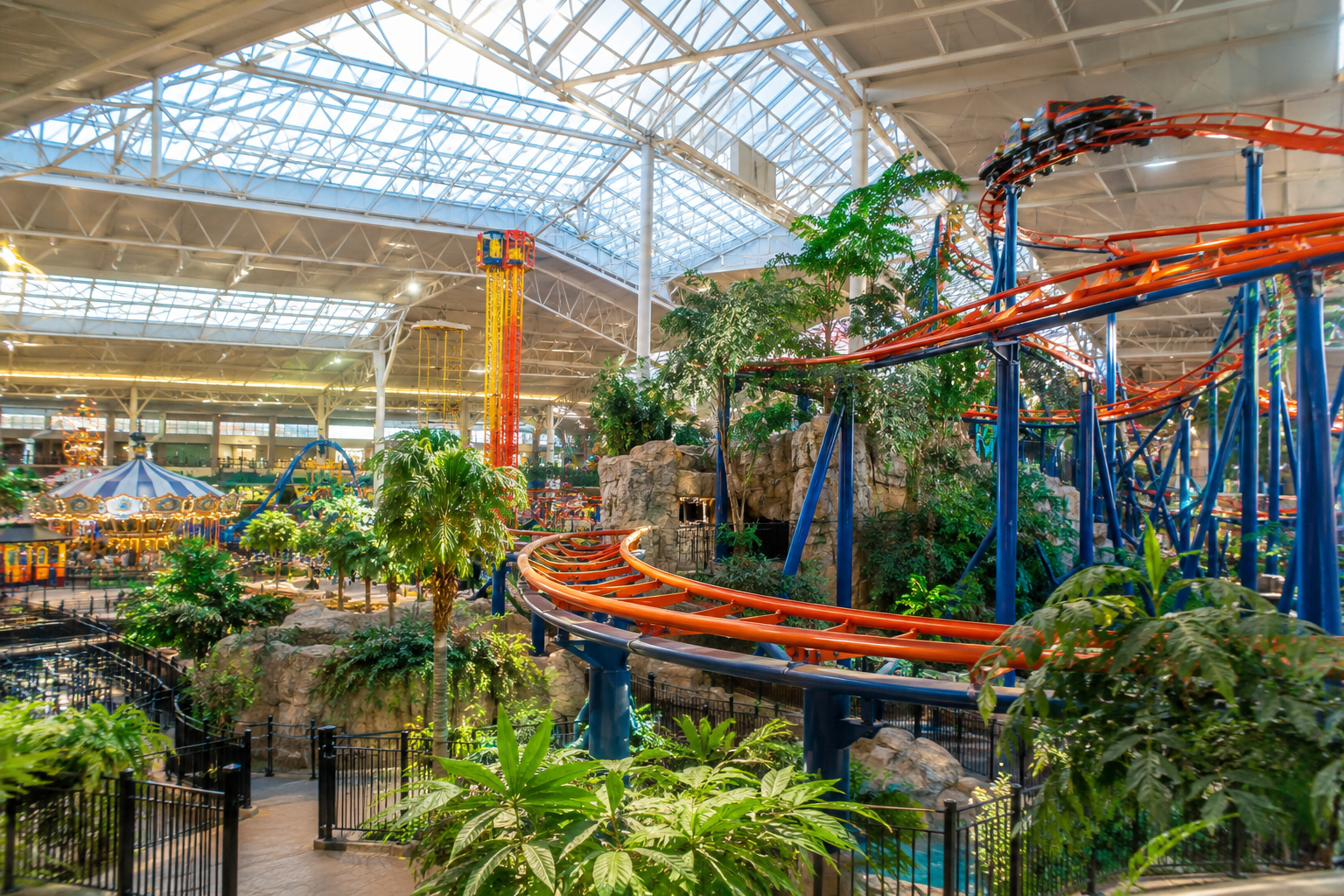
An unusual indoor amusement park built inside a shopping center in Edina, a suburb west of Minneapolis, Edinborough Park features rides, gardens, and attractions all under a climate-controlled roof. The park includes a roller coaster, log ride, food vendors, and lush plantings that create an inexplicable tropical garden environment in suburban Minnesota. It's an artifact of 1980s mall culture and remains oddly charming in its commitment to entertainment indoors, offering a nostalgic experience.
Fun fact: The park opened in 1985 as an entertainment anchor for the Edinborough Center mall and at one point was among the largest indoor amusement parks in the United States, representing peak 1980s mall culture innovation.
Tip: Day passes are around $30–40 depending on attractions chosen; some rides are additional pay-per-ride. The park is best for families with kids or nostalgia seekers exploring Minnesota's quirky attractions. It's easily accessible from Minneapolis.
9. The Harley-Davidson Museum in York
York, Minnesota
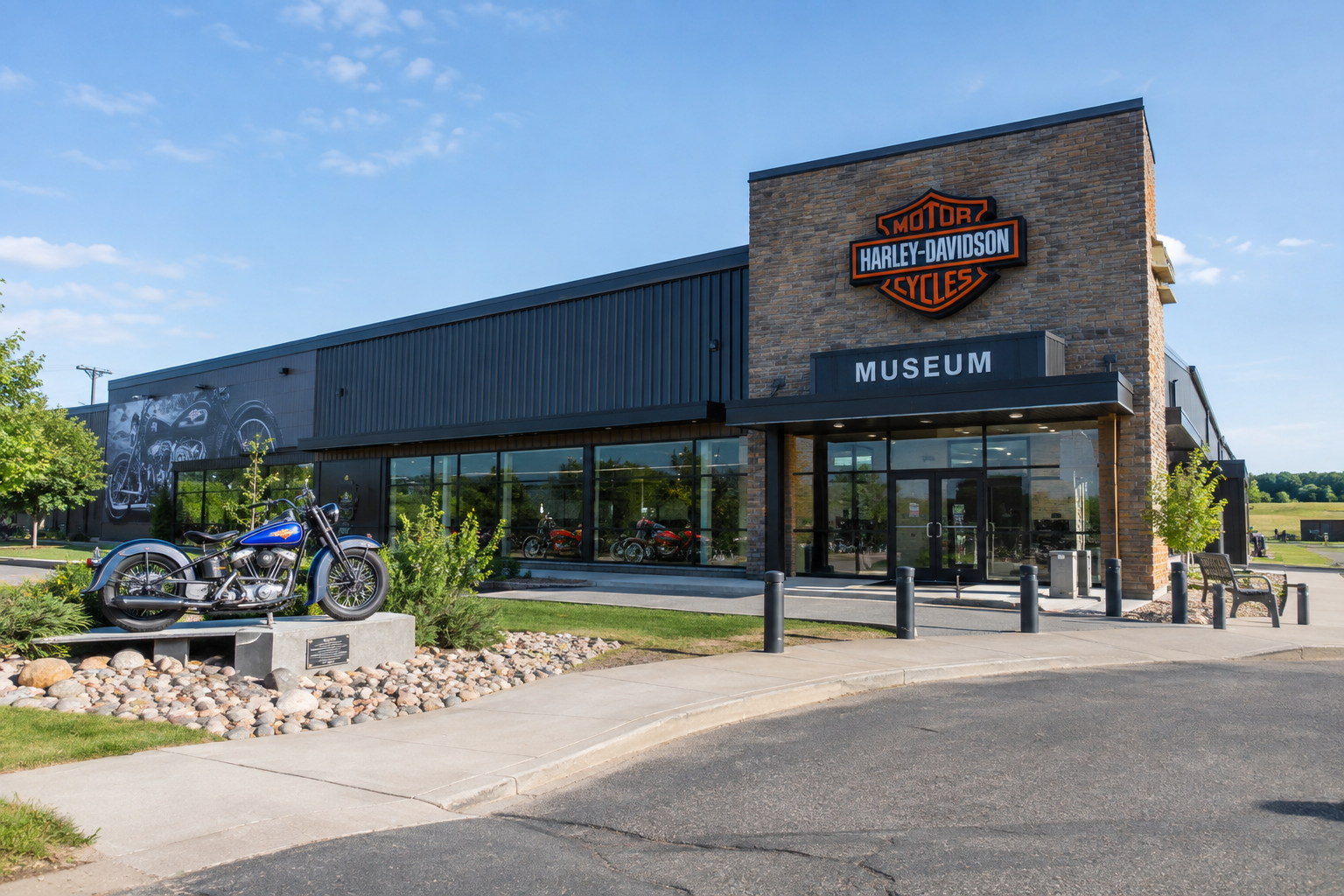
A small community in southeastern Minnesota has become an unlikely home to a substantial motorcycle museum focused on Harley-Davidson history and culture. York's museum houses vintage bikes, memorabilia, and exhibits celebrating the American motorcycle brand and the riders who built its legend. This quiet rural town has leveraged this niche collection into a destination for motorcycle enthusiasts across the Upper Midwest seeking authentic Americana and hidden gems.
Fun fact: York was chosen as the museum location not because of any Harley connection, but because the collector was from the area and wanted to preserve the collection near his roots, turning this rural Minnesota town into an unexpected destination.
Tip: Museum admission is around $8–10. The best time to visit is spring through fall when motorcycle riders often make a pilgrimage to the site. York is about 45 minutes south of Rochester, making it accessible for a day trip from central Minnesota.
Minnesota rewards travelers who dig beneath the surface and seek authentic local stories. Each of these nine places tells a narrative that changes how you see the state and its people.
Frequently asked questions
What are the best things to do in Minnesota if I enjoy quirky attractions and local history?
Minnesota offers unexpected destinations that reveal authentic local stories. The Spam Museum in Austin showcases food industry innovation, the Soudan Underground Mine near Tower provides geological history, and the Anoka fallout shelter offers Cold War-era insights. The Glensheen Mansion in Duluth combines architectural grandeur with true crime intrigue. Each destination tells a unique Minnesota story beyond typical tourist attractions.
When is the best time to visit these Minnesota attractions and hidden gems?
Most destinations are open year-round, but late spring through early fall (May–September) offers the most reliable weather and full hours of operation. The Soudan Underground Mine tours are seasonal (May–October only). Winter is beautiful for some outdoor sites but limits access to others. Summer and early fall see peak visitor numbers, so book Glensheen Mansion tours in advance.
Can I combine multiple Minnesota destinations into a road trip itinerary?
Yes—several destinations cluster efficiently. Austin has the Spam Museum and Hormel Historic Home within minutes of each other. Duluth (Glensheen) and Tower (Soudan Mine) are about 1.5 hours apart. Minneapolis attractions (American Swedish Institute, Edinborough Park) are nearby each other. The World's Largest Ball of Twine is just 10 minutes from Waubun in northwest Minnesota.