You've spotted the perfect memento at a beach shop or national park gift stand, but that innocent-looking souvenir could land you in serious federal trouble. Across the United States, certain items that seem harmless—or even patriotic—are actually illegal to possess or transport home. Understanding these rules before you pack your suitcase could save you from fines, confiscation, or worse.
1. Sand and Shells from National Parks
Multiple US Locations
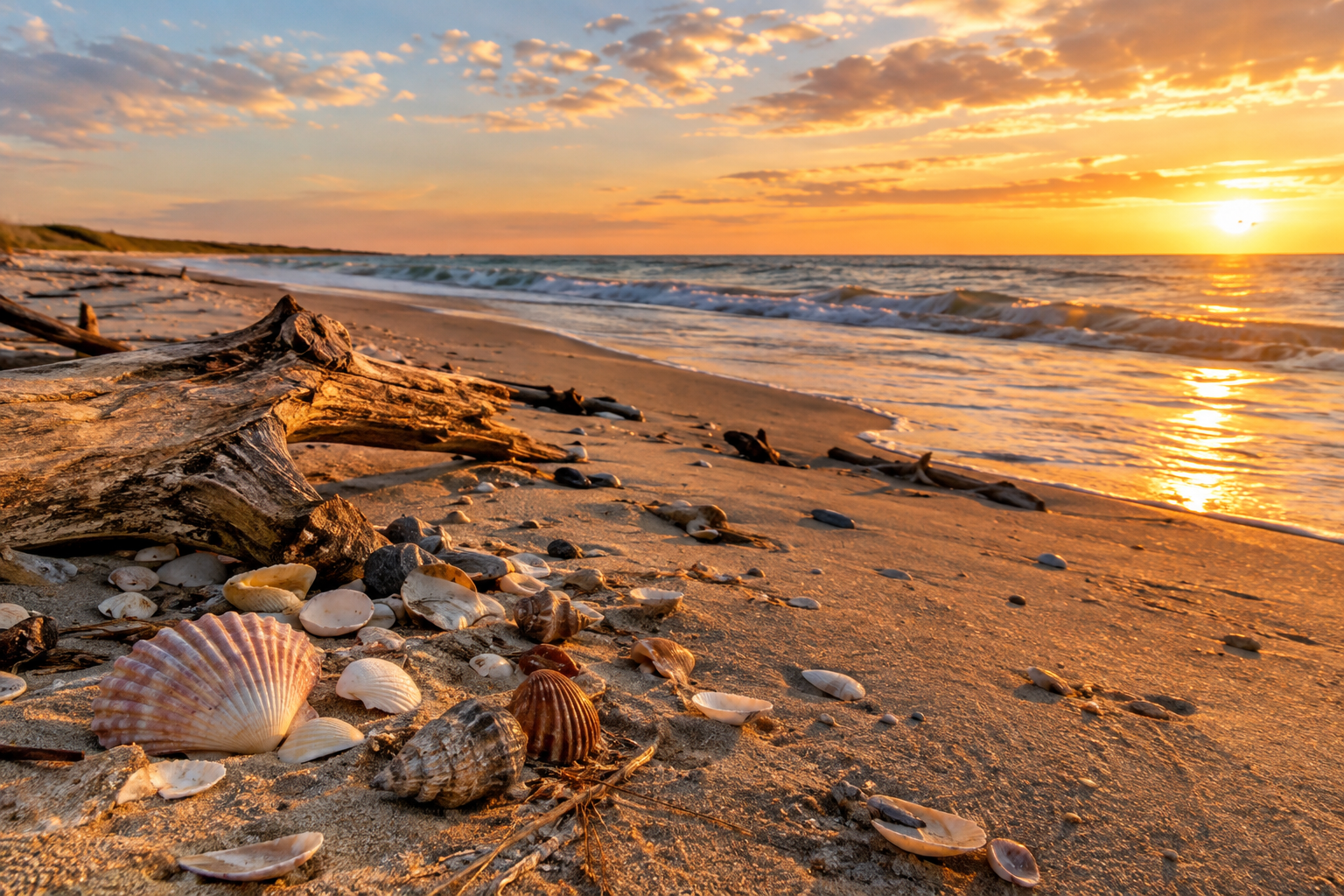
Collecting sand and shells from protected areas like national seashores and parks violates the Archaeological Resources Protection Act. Many visitors grab handfuls of sand or bags of shells from beaches in locations like Cape Hatteras National Seashore, the Florida Keys, and Hawaiian shores without realizing they're removing protected natural resources. Even small amounts can result in fines exceeding $20,000 and potential criminal charges.
Fun fact: The National Park Service estimates that millions of pounds of sand and shells are illegally removed from protected shores annually, threatening the ecosystems that depend on them.
Tip: Purchase sand and shells from authorized gift shops instead. Most national parks and beaches offer legally collected souvenirs that fund conservation efforts.
2. Eagle Feathers and Native American Artifacts
Throughout United States
Federal law strictly prohibits possession of eagle feathers, bones, and nests, even if you find them on the ground. The Bald and Golden Eagle Protection Act makes it illegal for non-Native Americans to own these items. Additionally, removing any Native American artifacts—pottery, arrowheads, or ceremonial items—from federal land in regions like the Southwest, Great Plains, and Pacific Northwest violates federal law regardless of where you find them.
Fun fact: Penalties for illegal eagle feather possession can include up to one year in jail and fines of $100,000, making this one of the most serious souvenir violations.
Tip: Never collect feathers or artifacts from national parks or public lands. If you want authentic Native American crafts, purchase directly from enrolled tribal members or authorized galleries.
3. Coral and Marine Life from Coastal Areas
Florida, Hawaii, US Virgin Islands, and All Coastal States
Collecting coral, sea stars, sea urchins, or other marine life from beaches and reefs is a federal crime under the Marine Protection Act. Even dead coral pieces or shells with living organisms attached are protected in destinations like the Florida Keys, Hawaiian reefs, and the US Virgin Islands. Many visitors don't realize that souvenir coral sold legally in some countries is completely illegal in the United States.
Fun fact: A single piece of coral can take 25 to 100 years to grow, yet thousands of pieces are illegally removed from US waters annually, damaging reef ecosystems that support marine biodiversity.
Tip: Visit authorized marine centers and aquariums instead. These facilities educate visitors about marine conservation while legally displaying the specimens you want to see.
4. Migratory Bird Parts and Feathers
Throughout United States
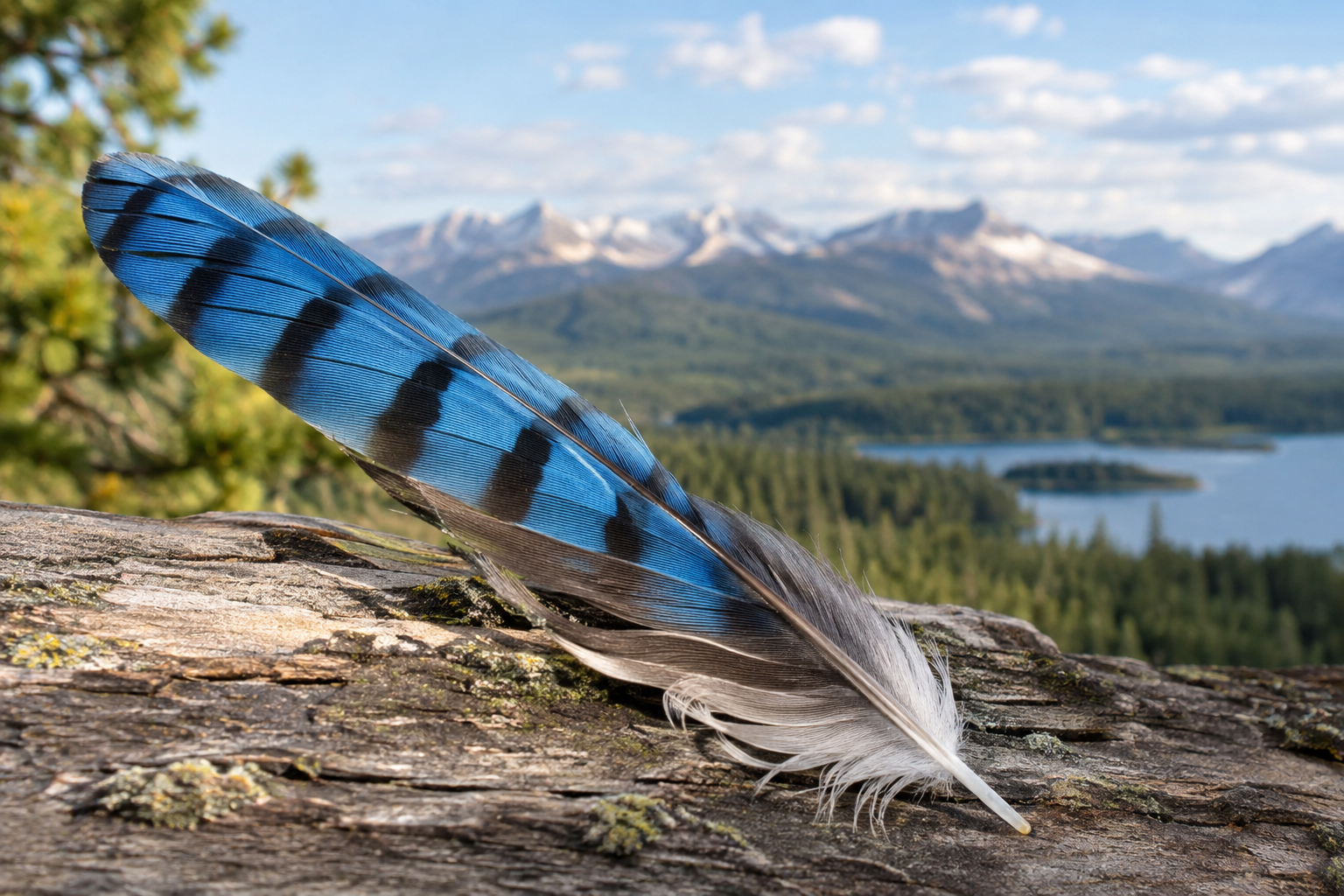
The Migratory Bird Treaty Act prohibits collecting feathers, bones, eggs, or nests from most wild bird species found across the United States. Unlike eagle feathers, which have specific legal status, feathers from common birds like crows, hawks, or songbirds are also protected. Many craft enthusiasts unknowingly violate this law by collecting decorative feathers at hiking trails and natural areas for DIY projects.
Fun fact: Over 1,000 bird species are protected under federal law, and the penalties include fines up to $15,000 and potential jail time for commercial violations.
Tip: Purchase ethically sourced feathers and bird crafts from licensed suppliers who document legal acquisition. Farmed feathers and imported items from regulated sources are legal alternatives.
5. Protected Plant Species and Seeds
National Forests and Parks Across USA
Removing plants, seeds, or cuttings from national forests, parks, and protected habitats in areas like the Pacific Northwest, Rocky Mountains, and desert Southwest violates federal law. This includes popular items like native wildflower seeds, cacti, and rare orchids. Even taking cuttings from botanical gardens or hiking trail wildflowers can result in federal charges and restoration costs.
Fun fact: Some rare wildflowers like lady's slipper orchids can take 15 years to reach maturity, and a single illegal collection can devastate a population that took centuries to establish.
Tip: Buy seeds and native plants from licensed nurseries that propagate their own stock. Many states offer native plant guides so you can grow the same species legally at home.
6. Pre-Columbian Artifacts and Antiquities
Throughout USA, especially Border States and Archaeological Sites
Removing, purchasing, or importing pre-Columbian artifacts—pottery, stone tools, ceremonial items—without proper permits violates the Archaeological Resources Protection Act and the Native American Graves Protection and Repatriation Act. Border shops in Arizona, New Mexico, and Texas, along with street vendors, often sell these items illegally, and buyers face the same federal penalties as sellers.
Fun fact: Federal agents have prosecuted souvenir buyers who purchased artifacts at border markets, resulting in fines, restitution, and criminal records even for first-time offenders.
Tip: Support archaeological preservation by donating to or purchasing from museums. Many institutions sell replica artifacts and have educational programs about authentic indigenous cultures.
7. Whale Bone, Ivory, and Protected Animal Parts
Alaska, Hawaii, and Coastal States
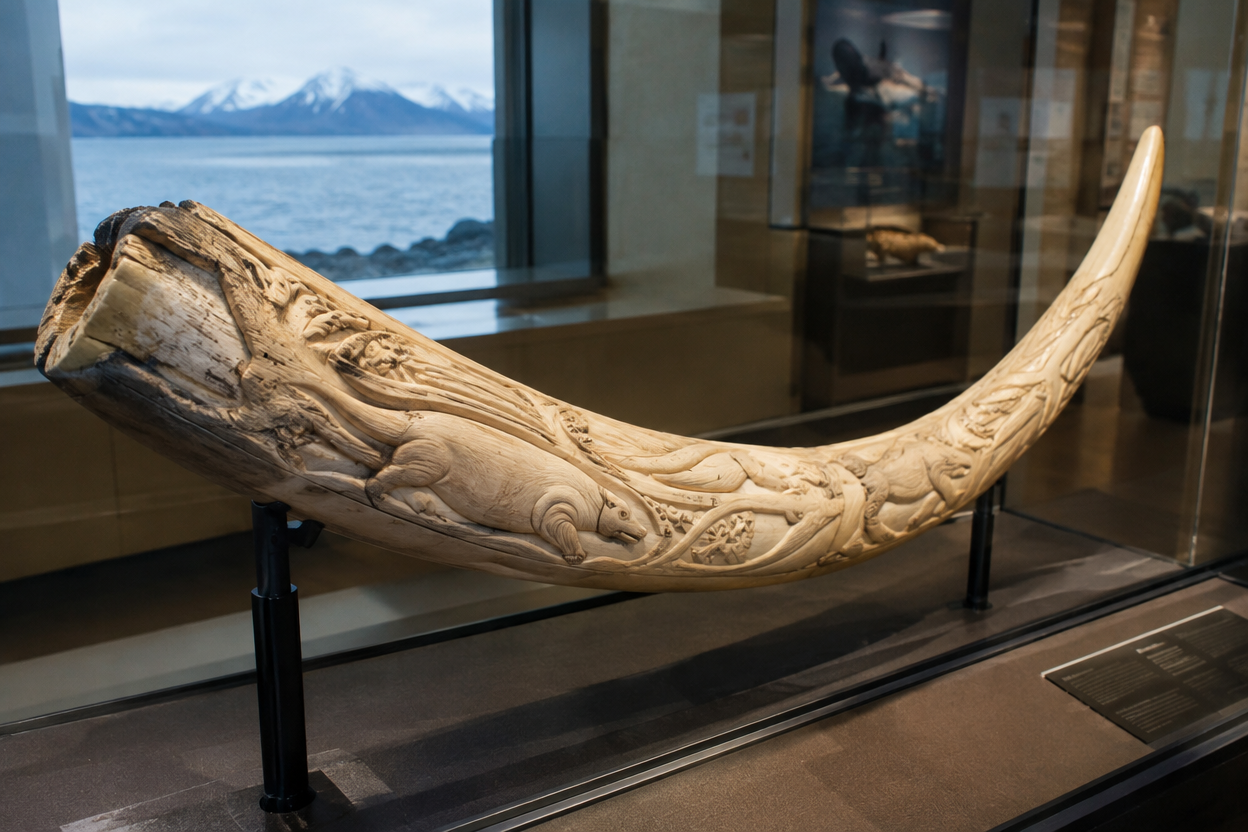
Whale bones, walrus tusks, and ivory—whether from mammoth, elephant, or marine mammals—are strictly regulated under the Endangered Species Act and Marine Mammal Protection Act. Purchasing these items even at legal shops in Anchorage, Alaska or Hawaiian native craft markets can be illegal when transported across state lines or internationally. Many tourists buy these souvenirs without understanding federal restrictions apply nationwide.
Fun fact: A single piece of whale bone or ivory can cost you $10,000 or more in fines, and items are confiscated at customs regardless of where purchased or how the animal died.
Tip: If you want marine mammal or indigenous-inspired souvenirs, look for certified ethically made items from authorized tribal enterprises that comply with federal law and support indigenous communities directly.
Before you buy that seemingly perfect travel memento, know the federal laws protecting wildlife, ecosystems, and cultural artifacts. Check with customs and park regulations at your destination to ensure your souvenirs are legal, and enjoy your travels without unexpected legal consequences.
Frequently asked questions
What souvenirs are actually illegal to bring home from US national parks?
Federal law prohibits collecting sand, shells, rocks, plants, seeds, feathers, bones, and artifacts from national parks and protected lands. The Archaeological Resources Protection Act, Migratory Bird Treaty Act, and Marine Protection Act make even small amounts illegal, with fines starting at $20,000. Purchase souvenirs only from authorized park gift shops.
Can I get fined for buying souvenirs at shops in border towns or tourist markets?
Yes. Buying pre-Columbian artifacts, eagle feathers, or protected animal parts at border shops, tourist markets, or street vendors is illegal, and buyers face the same federal penalties as sellers. Federal agents actively prosecute souvenir buyers, not just sellers. Always verify that items are legally made and comply with federal law before purchasing.
What happens if customs finds illegal souvenirs in my luggage?
Customs will confiscate illegal items and may assess fines ranging from $10,000 to $100,000 depending on the violation. You could face criminal charges, jail time for serious offenses, and a permanent record. Even items you didn't know were illegal can result in penalties. Declare items you're unsure about, and when in doubt, ask park rangers or customs officials before purchasing.