In an age where artificial intelligence can convincingly create landscapes that don't exist, travelers planning water vacations face a growing challenge: distinguishing genuine lake destinations from digitally fabricated ones. The recent story of a CEO canceling a Canadian vacation after discovering a viral photo was AI-generated serves as a stark reminder that not every stunning lakeside scene online is real. Before you book accommodations for your next water vacation or plan a weekend trip to an unfamiliar lake, here's how to verify you're heading to an actual destination worth the drive.
1. Google Reverse Image Search Verification
Online Tool, Accessible Nationwide
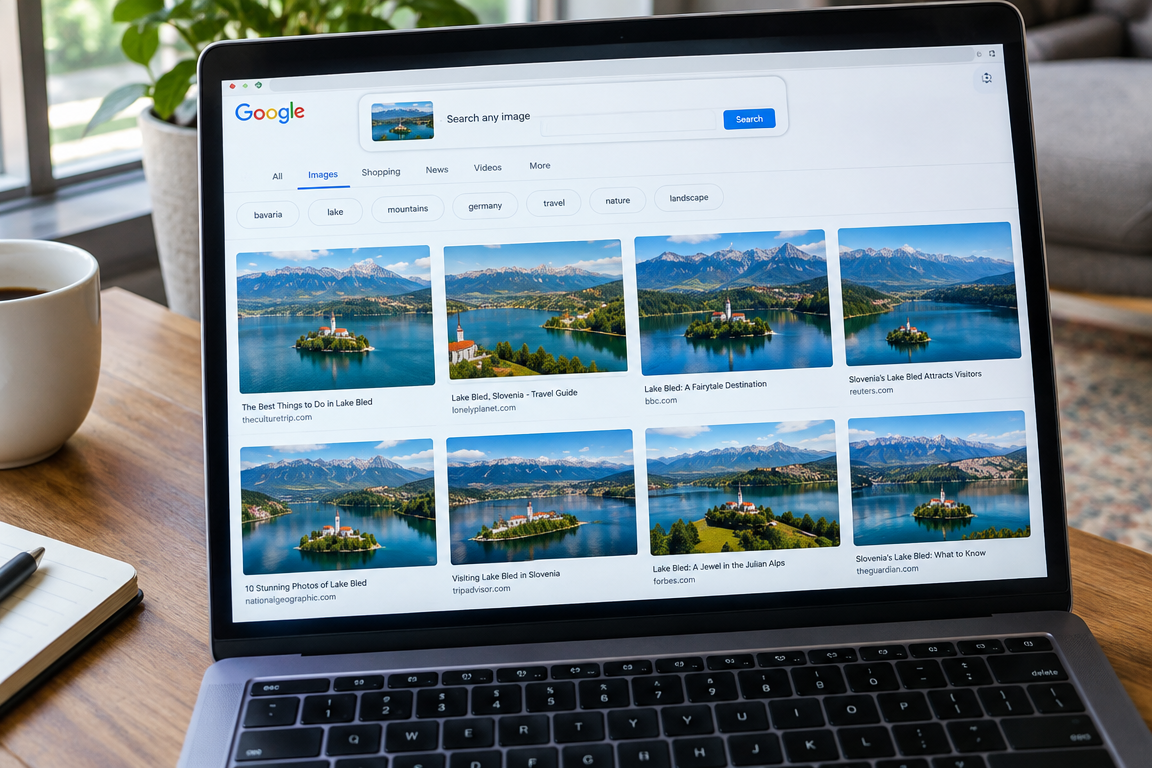
This free browser tool is your first line of defense when evaluating any lake photo for authenticity. Simply upload or paste any lake destination photo URL into Google's reverse image search, and it will show you where that image has appeared online, when it was first published, and whether it's been shared across multiple legitimate travel websites and tourism resources. Real lake destination photos typically appear consistently on official state tourism sites, established travel blogs, regional news outlets, and photography platforms with verifiable metadata and historical usage patterns spanning years.
Fun fact: Google's reverse image search can trace an image back through years of internet history, making it nearly impossible for newly created AI-generated lake photos to masquerade as authentic travel content once they circulate online.
Tip: Use this verification tool before booking accommodations near any unfamiliar lake destination you've discovered. A legitimate lake photo should appear on the official tourism website for that state or region with publication dates and attributions going back several years, not just weeks.
2. Check State Tourism Board Websites
Every U.S. State, Official Tourism Domains
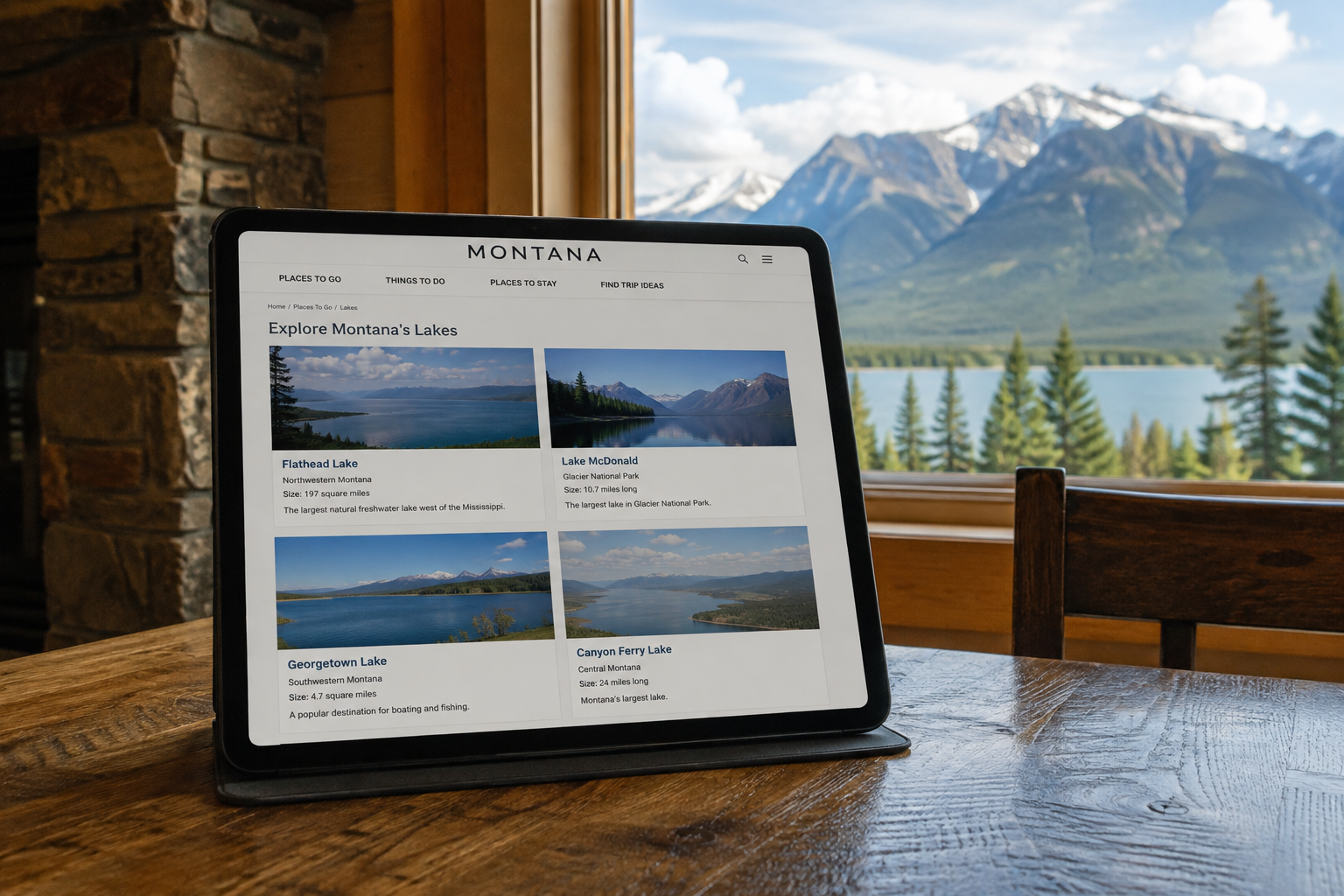
Each state maintains an official tourism website featuring verified destination photos and detailed descriptions of real lakes and water attractions. These organizations invest substantially in professional photography of actual locations and maintain strict accuracy standards for all featured destinations. Searching for a specific lake's name directly on the official state tourism website (typically ending in .gov or official branded domains) provides immediate confirmation of whether the destination exists, is accessible to visitors, and warrants a weekend trip or longer vacation. States like Montana, Minnesota, and Colorado maintain particularly comprehensive lake destination guides.
Fun fact: State tourism boards employ professional photographers and geographic specialists to ensure every featured lake destination is real, accessible to the public, and photographed under actual conditions, making them among the most reliable sources for verifying genuine American water destinations.
Tip: Bookmark your state's official tourism website before planning any water-based trip or weekend getaway. Most offer downloadable guides, verified attraction lists with infrastructure details, seasonal accessibility information, and direct contact information for regional tourism bureaus that can answer specific questions about lesser-known lakes.
3. Cross-Reference Multiple Travel Photography Sources
Travel Blogs, Photography Sites, Nationwide
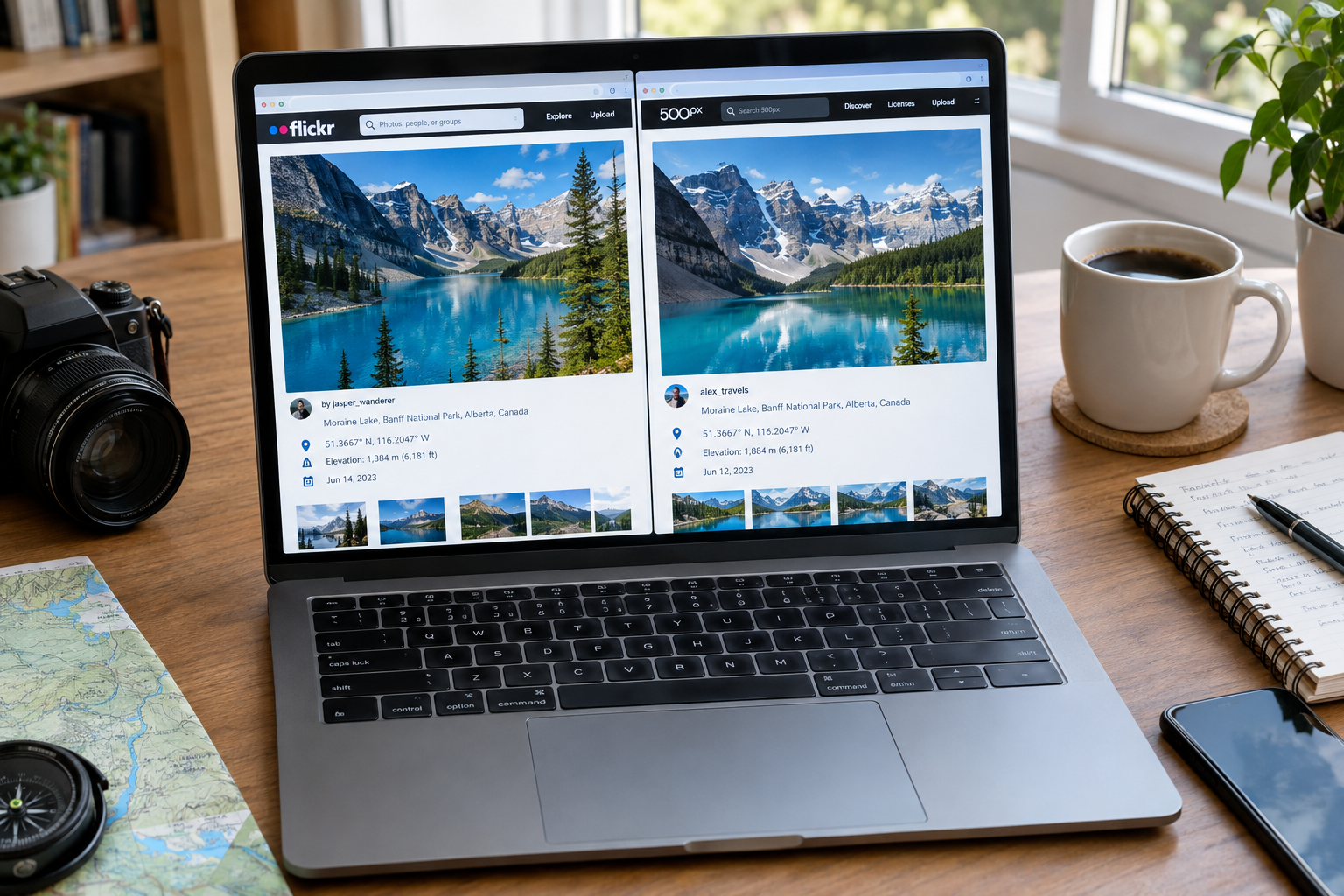
Legitimate lake destinations appear consistently across multiple independent sources including established travel photography platforms like Flickr and 500px, National Geographic travel features, respected travel blogs, and regional outdoor guides. AI-generated lake images rarely make it into these curated platforms because editorial teams verify the authenticity of featured destinations. If you find a lake photo appearing only on one or two websites, primarily circulating on social media without proper attribution or location data, or lacking any historical publication record, it's worth investigating further before committing to travel plans. Cross-referencing helps distinguish genuine hidden gems from fabricated scenes.
Fun fact: Professional travel photographers typically geotag their lake images with exact GPS coordinates and preserve camera metadata, making it possible to verify not just that a place exists, but the precise conditions, time of day, and season when the photograph was taken.
Tip: Look for travel lake photos that display visible EXIF metadata or geotags showing the exact location coordinates and date captured. You can view this information on most photography platforms by clicking the photo information button or properties section. If a stunning lake image lacks any location data or metadata, treat it as a potential red flag.
4. Verify Accessibility and Infrastructure
Real Destinations, Across United States
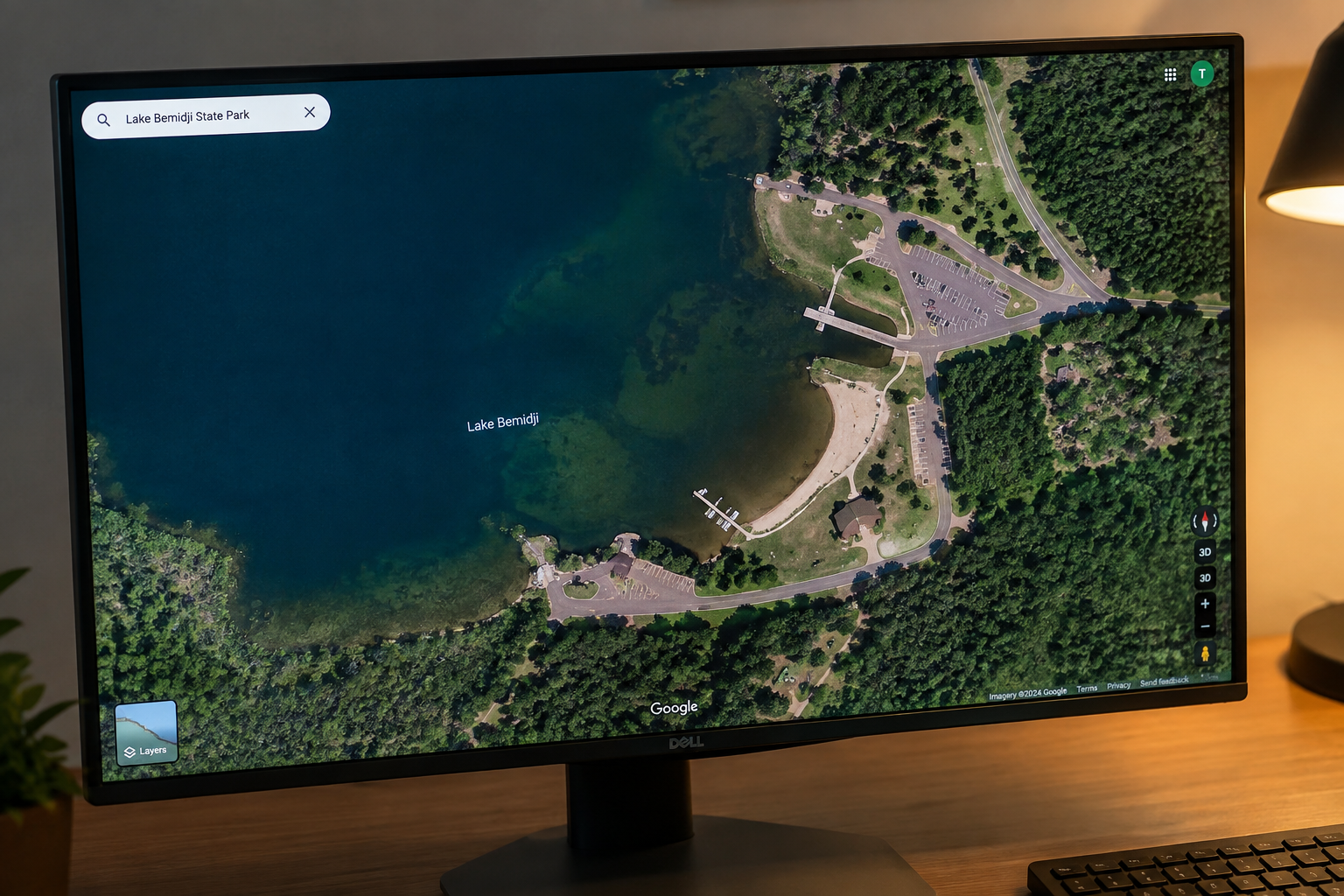
Genuine lake vacation destinations have verifiable infrastructure like parking areas, visitor centers, boat launch facilities, lodging options, and road access visible through public records and satellite imagery. AI-generated lake photos often depict impossibly pristine scenes without any evidence of human access, necessary amenities, or realistic environmental details. Before booking a trip, confirm the lake has actual facilities listed on Google Maps, abundant reviews from real visitors complete with their own photos, and official confirmation from local authorities that the location exists and welcomes tourists. Check satellite view for roads, parking areas, and development patterns consistent with real public destinations.
Fun fact: AI-generated landscapes rarely include realistic practical details like power lines, road markers, parking lots, boat docks, or the subtle environmental wear patterns that naturally develop from years of actual public use, making these infrastructure elements surprisingly useful for identifying fake lake photos.
Tip: Check Google Maps reviews, visitor photos, and satellite imagery for any lake destination before committing money to accommodations or travel plans. Real public lakes should display multiple visitor reviews with authentic photos, accessible roads leading to the location with clear directional markers, and visible parking areas or boat launch infrastructure in satellite view.
5. Contact Local Tourism Offices Directly
Tourism Bureaus, Every Region, United States
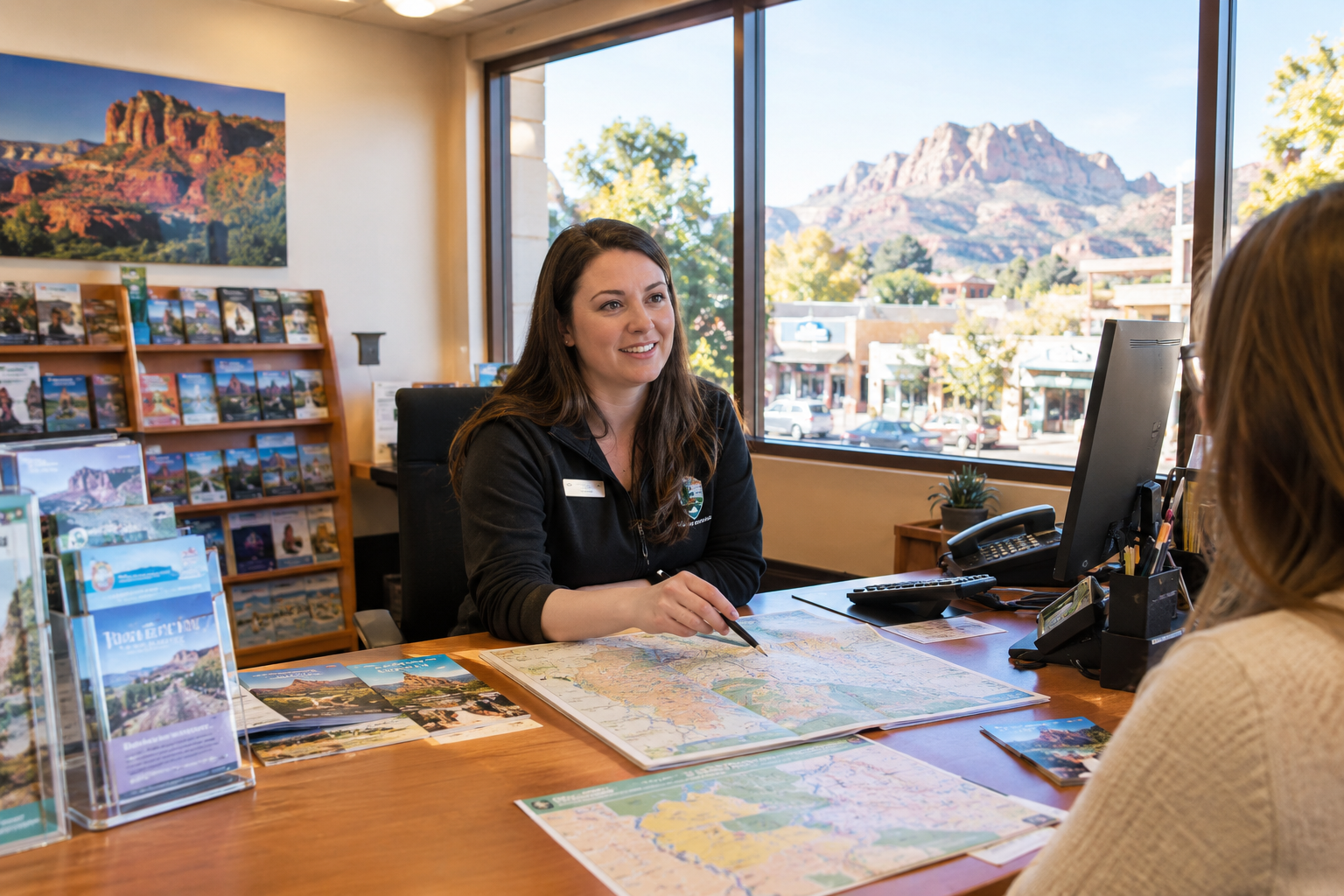
When verification through online research leaves any doubt, contacting the local tourism bureau or visitor center for the region is the most reliable method. Real tourism professionals can instantly confirm whether a destination exists, provide current access information, explain seasonal conditions, and answer specific questions about infrastructure or travel considerations. This direct verification method eliminates any possibility of confusion and often provides insider tips about less-visited lakes and hidden water destinations that aren't fully covered online. Tourism offices serve destinations across every region and are accustomed to fielding destination verification questions.
Fun fact: Many small-town tourism bureaus and regional visitor centers maintain personal relationships with local business owners, park managers, and guides, allowing them to provide real-time updates on lake conditions, seasonal access restrictions, closures, or special events happening during your intended visit dates.
Tip: Keep a list of regional tourism office phone numbers and email addresses for destinations you're seriously considering visiting. A five-minute phone call or email can save you from booking expensive accommodations for a lake that doesn't actually exist, isn't currently accessible, or isn't suitable for your planned activities.
Authentic travel experiences start with authentic destination research. Use these verification techniques before your next water vacation to ensure the lake you're dreaming about actually exists, maintains real infrastructure, and lives up to the photos you've found online.
Frequently asked questions
How can I tell if a lake photo is AI-generated vs. real?
Look for impossible physics (water defying gravity), missing realistic details (no boats, roads, power lines, or people), inconsistent lighting across the image, or distorted text elements. AI images often contain subtle errors in water reflections, unnatural symmetry, or textures that appear too perfect. Your best verification method combines reverse image search to check the photo's history, verifying it appears on legitimate tourism websites with attribution, and confirming the lake exists on Google Maps with real visitor photos and infrastructure visible in satellite view.
Why do fake travel destination photos exist online?
Fake lake photos circulate for various reasons including social media engagement tactics, misleading travel advertisements, AI art experiments, and unvetted content on clickbait travel websites. As AI technology has improved dramatically, the visual quality of fabricated images has become nearly indistinguishable from real photographs, making it essential for travelers to verify destinations through official sources before spending money and time planning trips.
Should I trust all lakes featured on travel blogs and social media?
The vast majority of lakes featured on established travel blogs and tourism websites are real, but AI-generated imagery is increasingly appearing on unvetted websites, social media accounts, and clickbait travel articles. Established travel publications and official state tourism boards maintain strict verification standards and editorial oversight, making them your most reliable sources. When exploring lesser-known or newly discovered destinations, always verify with official state tourism websites and contact local tourism offices directly to confirm authenticity before booking.