Ketchikan, Alaska stands out as one of the Pacific Northwest's most distinctive cruise ports, combining authentic Tlingit cultural heritage, temperate rainforest landscapes, and accessible outdoor adventures within a single day visit. Unlike larger Alaska ports focused on mass tourism infrastructure, Ketchikan maintains its character as a genuine Southeast Alaska community while delivering substantial visitor experiences. This guide covers the best attractions, practical logistics, and cultural highlights that make Ketchikan worth exploring during your Alaska cruise.
1. Saxman Totem Pole Park
Ketchikan, Alaska
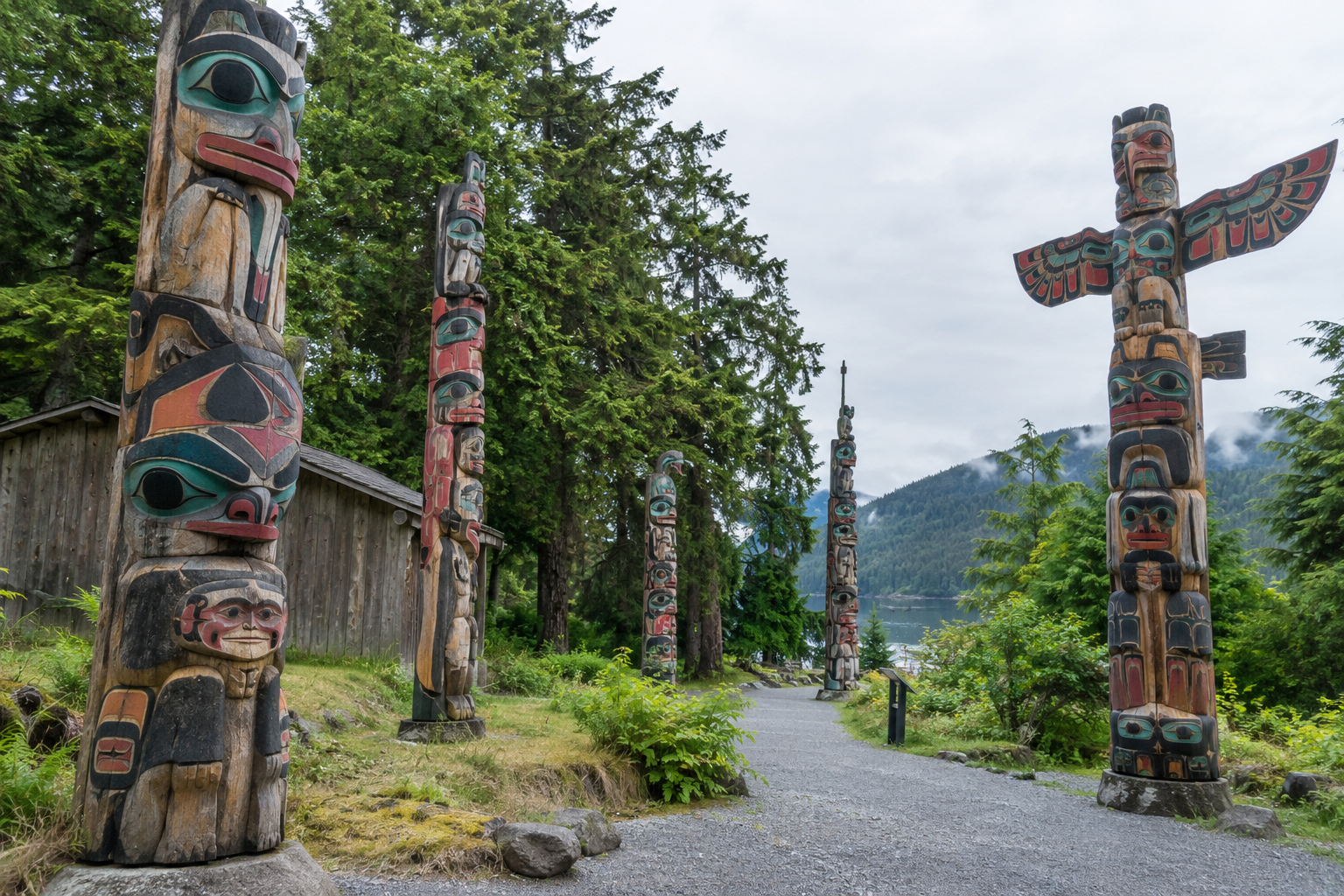
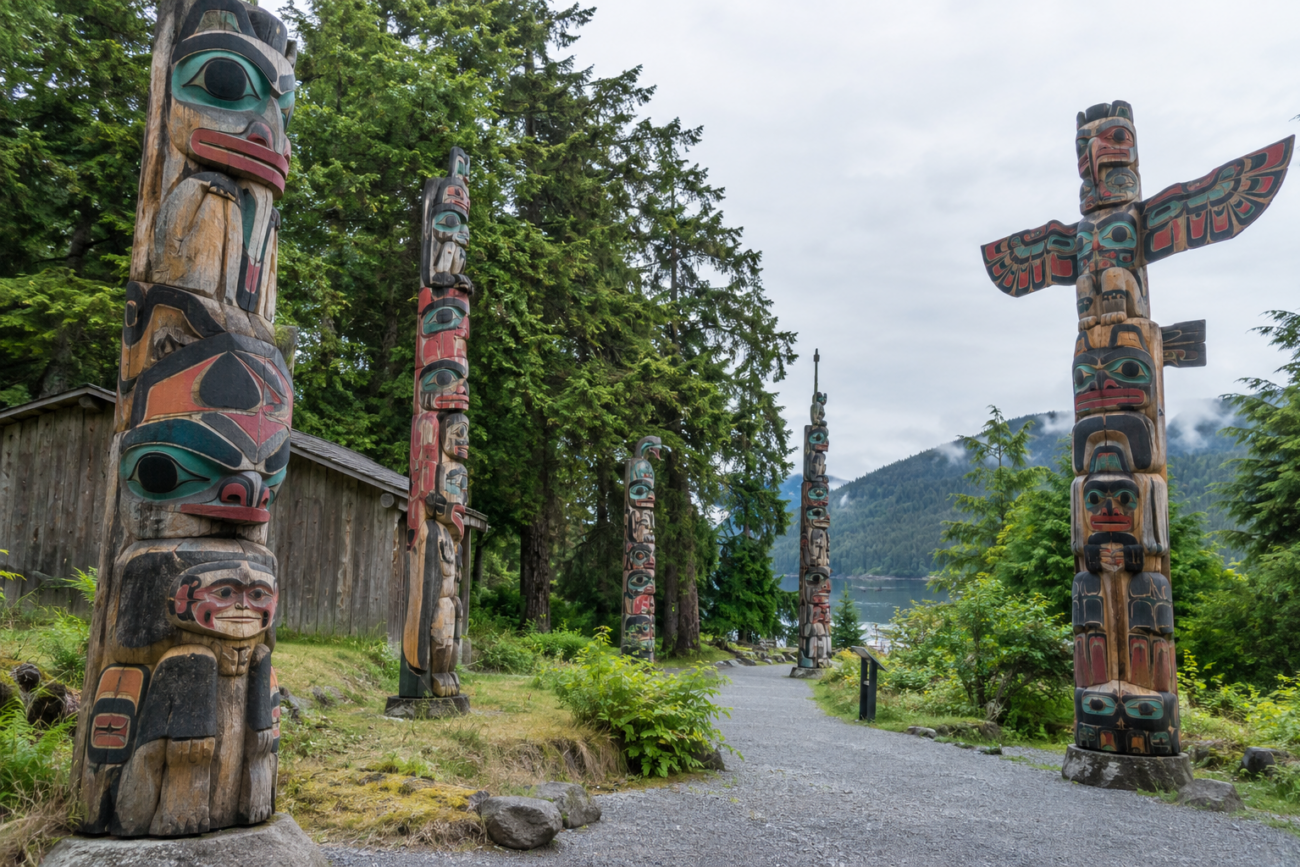
Saxman Totem Pole Park, located two miles south of downtown Ketchikan, showcases one of the world's largest collections of standing totem poles—over two dozen authentic and replica works representing artistic traditions of the Tlingit, Haida, and Tsimshian peoples. Walking among these monumental cedar carvings, visitors encounter narrative poles depicting family lineages, spiritual beings, and historical events crucial to Southeast Alaska's Indigenous cultures. The park's visitor center provides detailed context about the symbolism and craftsmanship behind each pole, transforming a photo stop into a genuine cultural learning experience. Best things to do in Ketchikan include spending unhurried time reading the stories carved into wood that has stood for generations.
Fun fact: Many of the original totem poles at Saxman were relocated from abandoned villages throughout Southeast Alaska during the 1930s cultural preservation movement, making the park a living archive of regional Native heritage rather than a static museum.
Tip: Plan at least 90 minutes for a thorough visit including the visitor center. Ground access is free; guided interpretive tours (approximately $20-30 per person) offer deeper cultural insights unavailable from plaques alone. Arrive early on cruise ship days to explore before tour groups accumulate. The site has limited parking but shuttle service from downtown Ketchikan runs regularly during cruise season.
2. Creek Street Historic District
Ketchikan, Alaska
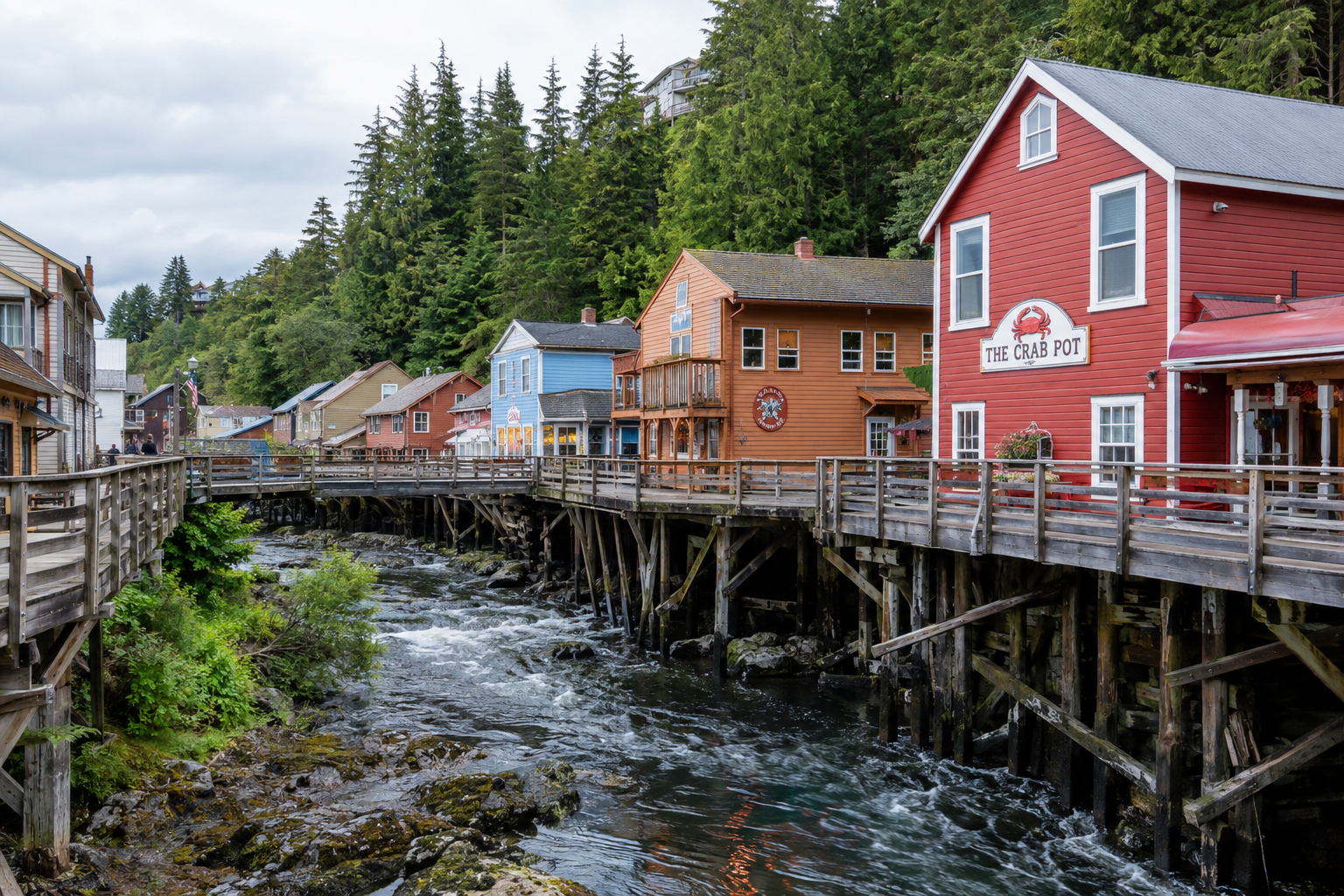
Creek Street in downtown Ketchikan stretches along Ketchikan Creek as a narrow wooden boardwalk lined with colorful buildings perched on pilings directly above rushing water, creating one of Southeast Alaska's most photographed streetscapes. Historic structures once housing fish processing operations and early 1900s businesses now contain galleries, gift shops, restaurants, and museums, many preserving original architectural character from Ketchikan's gold rush era. The compact, pedestrian-only design makes Creek Street the heart of accessible exploration for cruise passengers, offering cultural history, local art, and modern visitor services in a single walkable district. Visitors exploring things to do in Ketchikan Alaska almost always prioritize Creek Street for its combination of authenticity and convenience.
Fun fact: Creek Street earned its notorious reputation during the early 1900s gold rush as Ketchikan's red-light district; the former brothel operated by Dolly, one of Alaska's most famous madams, now operates as a museum welcoming cruise ship visitors to explore this candid chapter of Southeast Alaska history.
Tip: Visit in late afternoon when morning cruise ship crowds thin but daylight remains excellent for photography and shopping. Most galleries and attractions stay open until 5 p.m., giving you a two-hour window after initial lunch-hour crowds disperse. Walking the boardwalk is free; individual museums and attractions charge separate admission (typically $5-15). Wear non-slip footwear, as the wooden boardwalk becomes slippery when wet—a frequent condition in Southeast Alaska's marine climate.
3. Misty Fiords National Monument
Ketchikan, Alaska
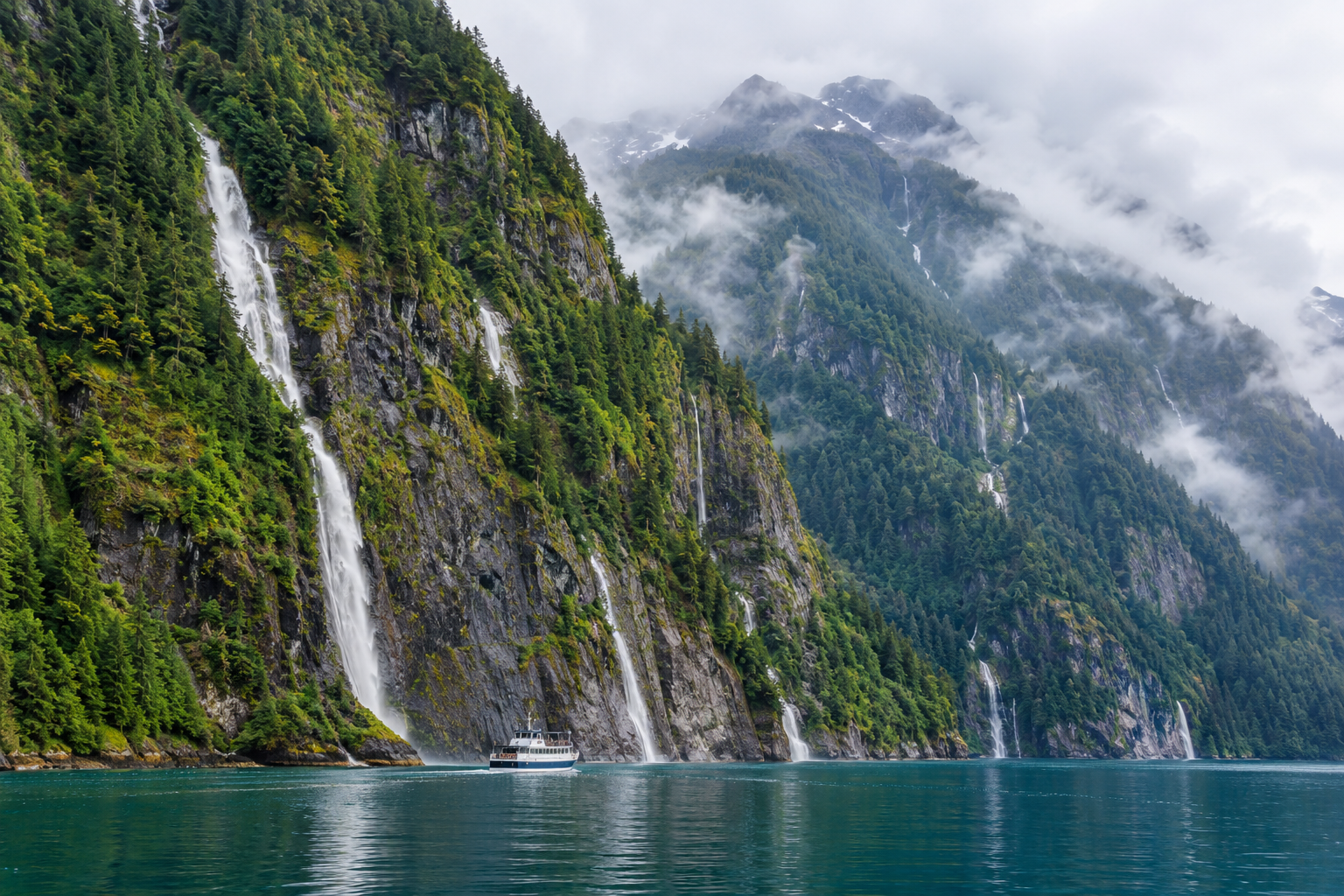
Misty Fiords National Monument, situated just 25 miles east of Ketchikan, protects 2.3 million acres of dramatic Southeast Alaska wilderness featuring granite cliffs rising directly from teal saltwater, cascading waterfalls dropping hundreds of feet, and pristine inlets surrounded by old-growth temperate rainforest. Day cruises and chartered floatplane tours depart regularly from Ketchikan's waterfront, making this remote marine sanctuary accessible to cruise passengers without requiring overnight stays or extended travel. The monument represents one of Alaska's premier scenic destinations and a highlight for visitors seeking wilderness experience beyond downtown Ketchikan's cultural attractions. Exploring Misty Fiords ranks among the best things to do in Ketchikan Alaska for nature photographers and outdoor enthusiasts.
Fun fact: Misty Fiords experiences such extreme precipitation that it ranks among North America's wettest regions, receiving up to 400 inches of annual rainfall—feeding the spectacular waterfalls and maintaining the perpetual mist that gives the monument its evocative name.
Tip: Book day cruises or floatplane tours through your cruise line's shore excursion desk or local outfitters at least 24 hours in advance, especially during peak season (July-August). Floatplane tours run $300-400 per person and offer unique aerial perspectives of cliff faces and waterfalls impossible to experience from water level; boat-based day cruises typically cost $150-200 and provide more time for wildlife observation. Morning departures offer clearer visibility and better photography light. Budget 5-7 hours total including travel time from Ketchikan's cruise dock.
4. Alaska Wildlife Conservation Center
Ketchikan, Alaska
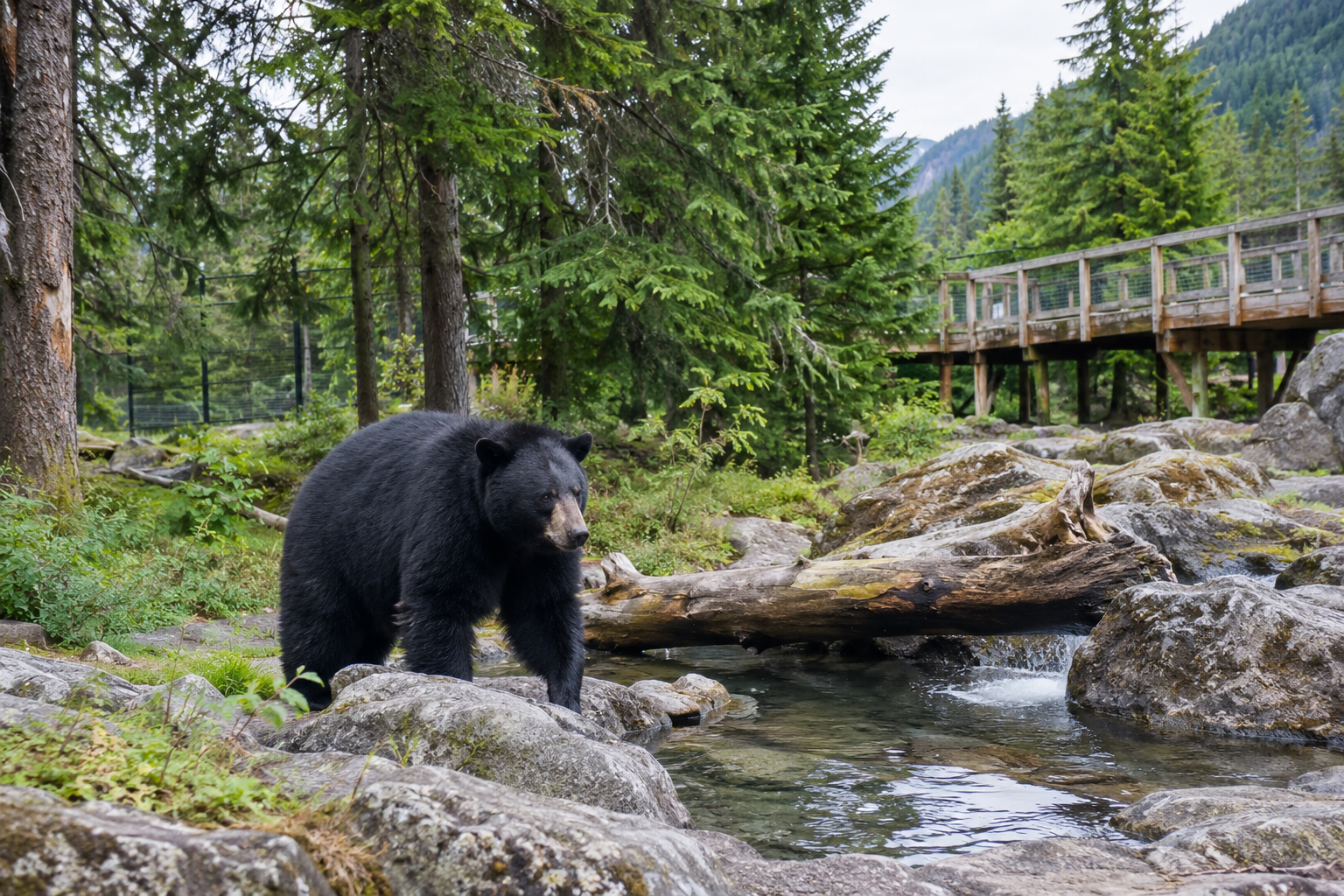
Ketchikan's wildlife observation facilities allow cruise visitors to see native Southeast Alaska species including black bears, brown bears, Sitka black-tailed deer, bald eagles, and spawning salmon in naturalistic habitats without requiring backcountry hiking. Multiple walking trails wind through spacious enclosures designed to replicate forest and wetland environments, providing reliable wildlife viewing when wilderness encounters prove elusive during brief port visits. The center operates a rehabilitation program for injured eagles, educating visitors about raptor biology and conservation challenges in Southeast Alaska. Located on the outskirts of Ketchikan, the facility represents one of the best things to do in Ketchikan Alaska for families and visitors with limited mobility seeking authentic wildlife experience.
Fun fact: Ketchikan's temperate rainforest location creates genuinely realistic opportunities for black bear sightings during port visits—either at the conservation center's viewing areas or occasionally around town itself—making it one of few Alaska cruise ports where bear encounters are probable rather than theoretical.
Tip: Allow 1.5 to 2 hours for a complete visit including all enclosures and interpretive exhibits. Admission runs approximately $20 per adult, with discounts for children and groups. The facility operates year-round but reaches peak activity during cruise season (May-September). Wear waterproof jackets and sturdy, closed-toe hiking boots; paths can be muddy and terrain slopes steeply in sections. The center provides shuttle service from downtown Ketchikan during cruise ship days.
5. Chief Shakes House and Island
Ketchikan, Alaska
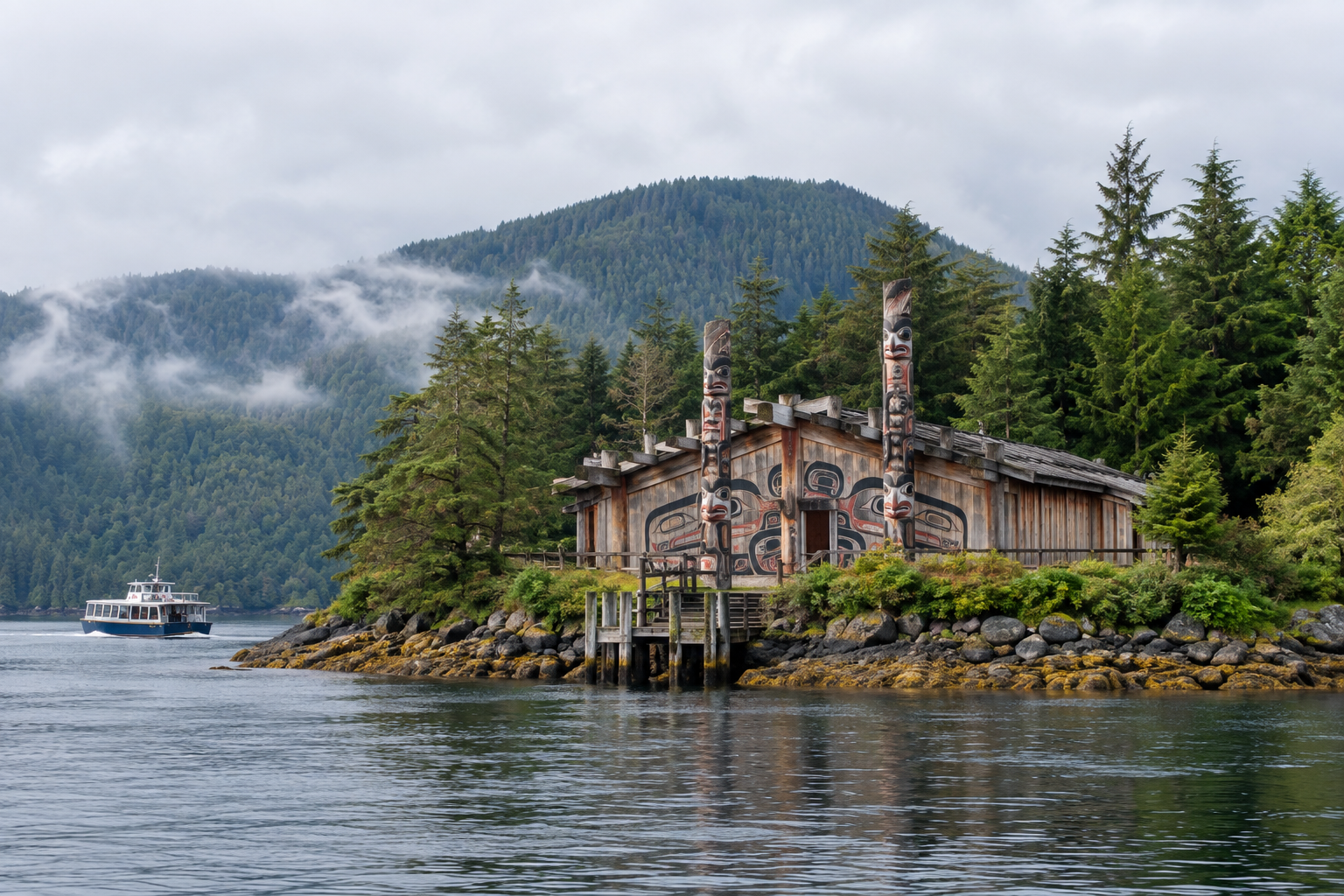
Chief Shakes House, a reconstructed 19th-century Tlingit longhouse situated on Chief Shakes Island in downtown Ketchikan's harbor, preserves the traditional architecture and communal living patterns of Southeast Alaska's Indigenous peoples. The structure features a central fire pit, intricately carved houseposts, and period furnishings demonstrating how extended Tlingit families organized domestic and ceremonial spaces. Guided interpretive tours explain the social hierarchy, seasonal occupation patterns, and spiritual significance of longhouse design—knowledge that transforms a visual experience into genuine cultural understanding. This attraction offers cruise passengers direct exposure to Tlingit heritage that complements the monumental scale of Saxman's totem poles with intimate domestic context.
Fun fact: The original Chief Shakes House dates to approximately 1840 and was home to one of Southeast Alaska's most powerful Tlingit leaders; the reconstructed version, built in 1967, employs traditional construction methods and materials, making it an authentic recreation rather than a modern approximation.
Tip: Interpretive tours depart from downtown Ketchikan's waterfront and require approximately 1.5 hours total time (30-minute round-trip boat passage plus hour-long guided tour). Book through your cruise line's shore excursion desk or local outfitters; expect per-person costs of $80-120 during peak season. The tour involves active walking and extended standing, so wear comfortable boots. Ferry service operates during daylight hours, typically 10 a.m. to 4 p.m., aligning with standard cruise ship docking windows.
6. Tongass National Forest Scenic Drives and Hiking
Ketchikan, Alaska
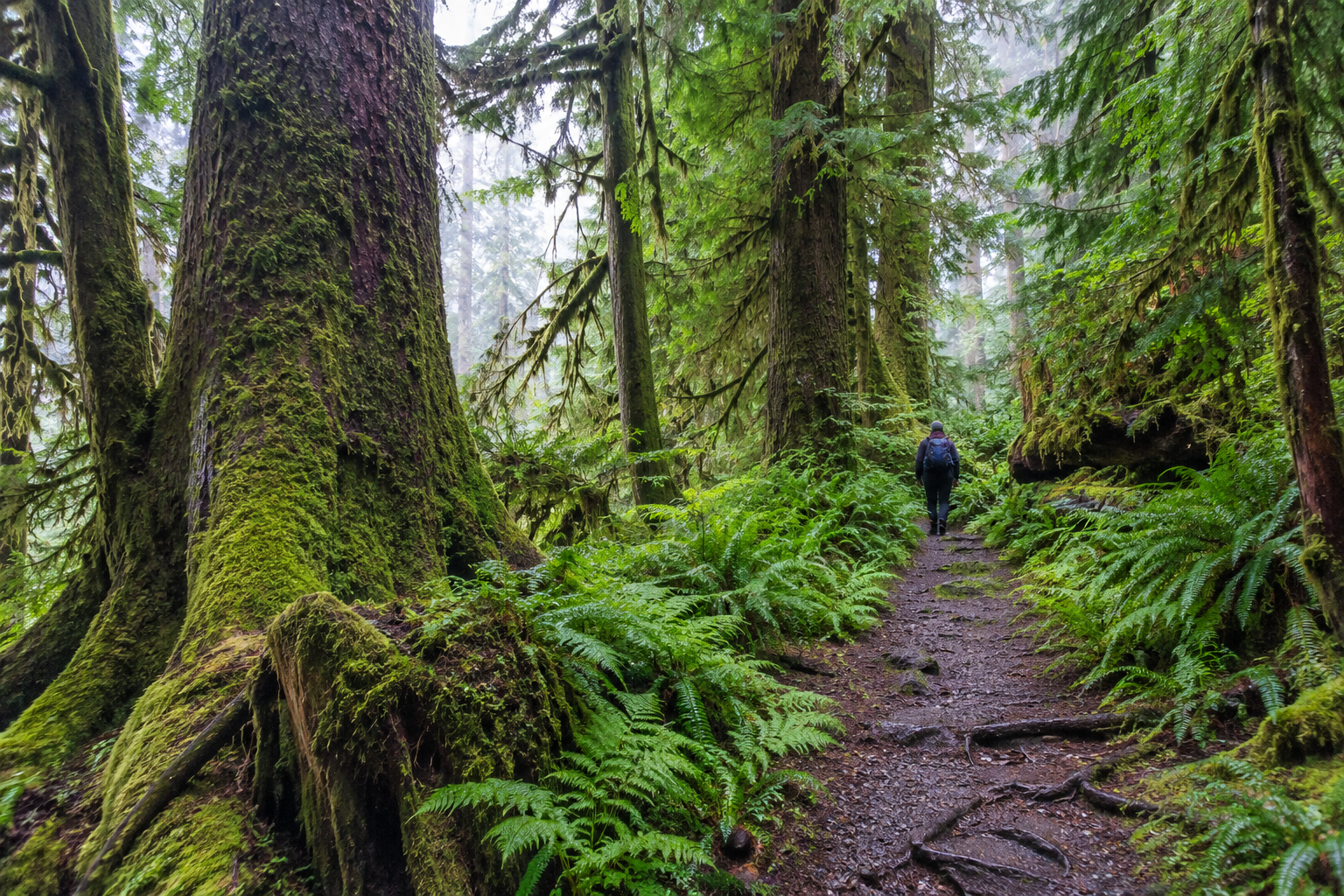
The Tongass National Forest, at 16.7 million acres the largest national forest in the United States, surrounds Ketchikan and offers accessible day hikes and scenic driving loops through old-growth temperate rainforest. The popular Deer Mountain Trail, starting just minutes from downtown Ketchikan, climbs through Sitka spruce and western hemlock draped in moss and lichen, providing elevated views of Ketchikan's waterways and surrounding islands. Additional routes like Totem Bight Road and State Route 3 toward Saxman feature shorter forest walks and roadside pullouts. Most trails range from 1 to 5 miles round-trip with moderate elevation gain, requiring no technical climbing skills. These hiking opportunities represent the best things to do in Ketchikan Alaska for visitors seeking immediate immersion in Southeast Alaska's distinctive rainforest ecosystem.
Fun fact: The Tongass encompasses the largest intact temperate rainforest in North America, yet Ketchikan's accessible trailheads allow cruise passengers to experience genuine old-growth forest—complete with 500-year-old spruce trees and rare wildlife—within 15 minutes of the downtown cruise dock.
Tip: Rent a vehicle or join a guided forest tour if you want flexibility beyond downtown walking distance; rental cars typically cost $50-80 per day from agencies near the cruise terminal. All trails are well-marked and free to access. Wear waterproof outer layers and apply insect repellent, particularly during July and August when mosquito activity peaks. The Deer Mountain Trail features approximately 1,500 feet of elevation gain, requiring 3-4 hours round-trip at a moderate hiking pace; start by 10 a.m. to complete the route before afternoon rain or cruise ship departure.
Ketchikan proves that mid-sized Alaska cruise ports can deliver outsized adventure, cultural richness, and natural beauty. Plan multiple activities across your port day, or consider a return visit on a future voyage to experience the full depth of what this remarkable Southeast Alaska destination offers. Book time-intensive excursions like Misty Fiords floatplane tours in advance, and leave room for spontaneous discoveries along Creek Street and downtown waterfront areas.
Frequently asked questions
How many hours do cruise ships typically spend docked in Ketchikan?
Most Alaska cruise ships spend 8-12 hours in Ketchikan, allowing time for 1-2 shore excursions or independent downtown exploration. Some premium itineraries include overnight docking, which is less common but permits evening and early-morning activities unavailable during standard port days.
Can cruise passengers easily walk from Ketchikan's dock to downtown attractions?
Yes. Downtown Ketchikan and Creek Street are compact and pedestrian-friendly, located within 10-15 minutes' walking distance from most cruise ship docks. Taxis, shuttle buses, and car rental agencies operate near terminal areas for visitors exploring distant attractions like Saxman Totem Pole Park, Chief Shakes Island, or Tongass National Forest trailheads.
What are the best months to visit Ketchikan on an Alaska cruise?
Summer months (May-September) offer optimal weather stability and accessibility to all attractions. July and August provide warmest temperatures but also experience heaviest rainfall and largest cruise ship concentrations. June and September deliver favorable balance with comfortable conditions and fewer passenger crowds typical of peak season.
Which Ketchikan activities are completely free for cruise passengers?
Walking Creek Street boardwalk requires no admission fee, as does exploring downtown Ketchikan's waterfront areas and public spaces. Saxman Totem Pole Park grounds are free to enter, though guided interpretive tours carry separate fees. Many small galleries and museums along Creek Street charge modest admission ($5-15), while some operate on donation-based systems.
Should I pre-book Ketchikan shore excursions or can I arrange activities after arriving?
For time-intensive and popular options like Misty Fiords floatplane tours, Chief Shakes Island ferries, and guided rainforest hikes, advance booking 24-48 hours ahead through cruise line shore excursion desks or local outfitters is strongly recommended during peak season. Self-guided activities like Creek Street walking tours, downtown exploration, and casual retail shopping can typically be arranged on arrival without advance reservations.