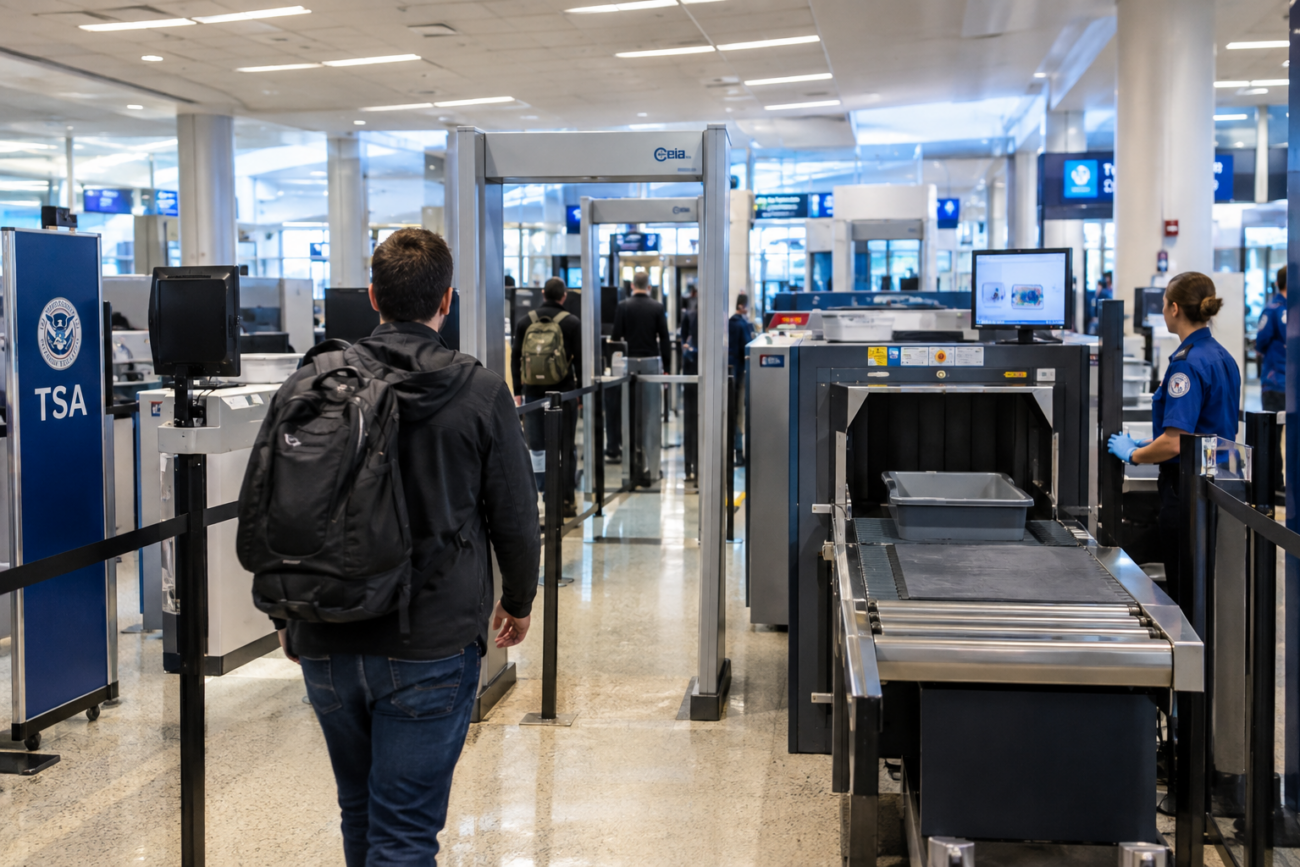
Whether you're heading to the beach in Florida or catching a flight from New York, understanding TSA's latest scanner technology could save you time and frustration at the airport. Recent upgrades to security screening equipment have fundamentally changed TSA carry-on rules and restrictions. Recent upgrades to security screening equipment have changed the game when it comes to carry-on bag dimensions and contents, even if your airline technically allows larger bags. We're breaking down exactly what you need to know about TSA carry-on scanner requirements before packing for your next domestic trip.
1. TSA Checkpoint Scanner Technology
All U.S. Airports
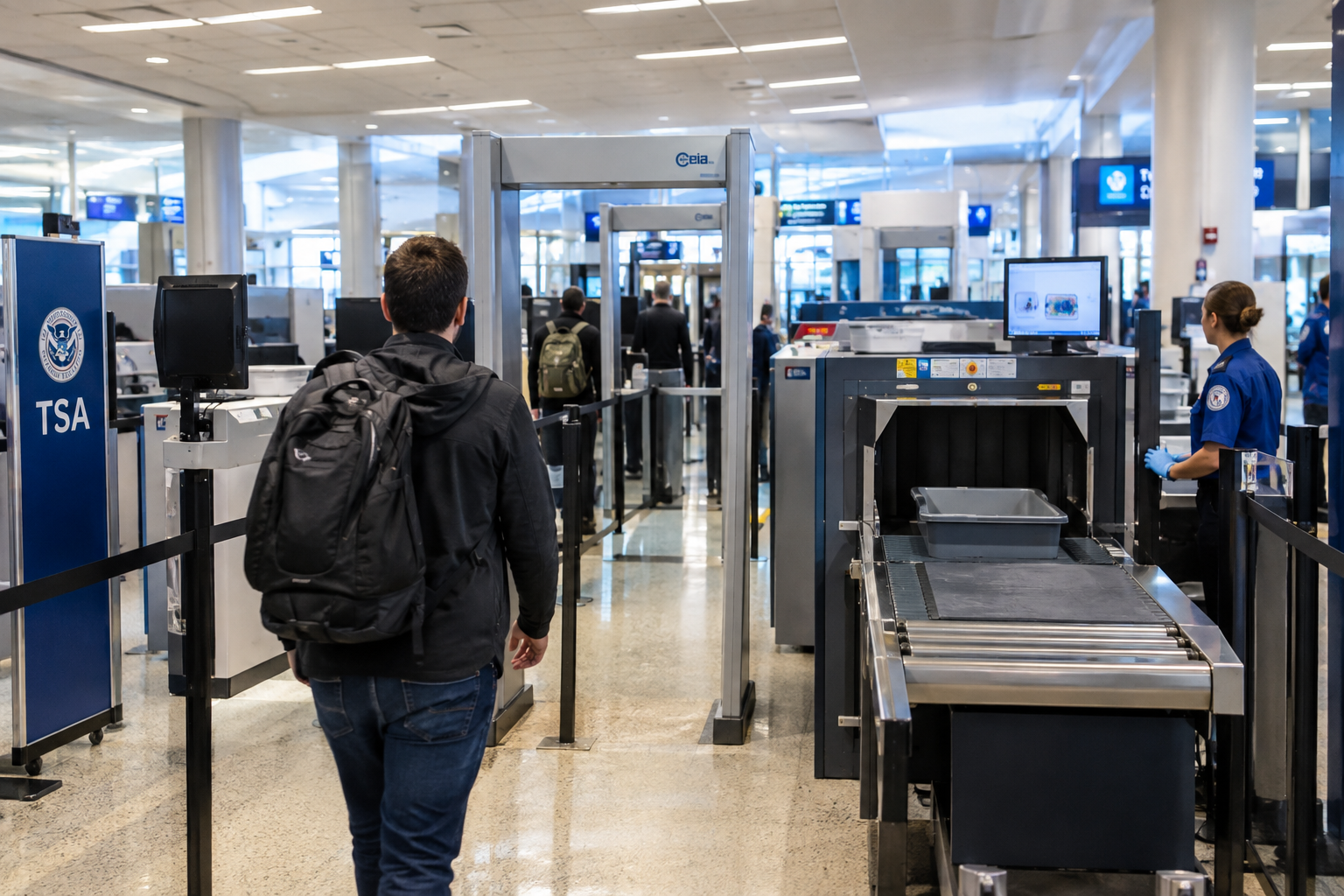
Modern CT scanners at TSA checkpoints across the nation now provide 3D imaging that can detect items in ways traditional X-ray machines cannot. These advanced machines are stricter about bag dimensions and density because they're designed to flag anything that doesn't match expected carry-on profiles. Understanding that your bag might pass your airline's sizing template but fail TSA's scanner requirements is crucial for any traveler navigating U.S. airports.
Fun fact: TSA's newer CT scanners can detect prohibited items hidden inside everyday objects like laptops, cameras, and even cosmetics containers with unprecedented accuracy.
Tip: Always pack liquids in a clear, quart-sized bag and place it on top of your carry-on where TSA officers can easily access it during screening. This speeds up the process and prevents your bag from being flagged for additional inspection.
2. Carry-On Dimension Standards vs. Scanner Reality
U.S. TSA Checkpoints
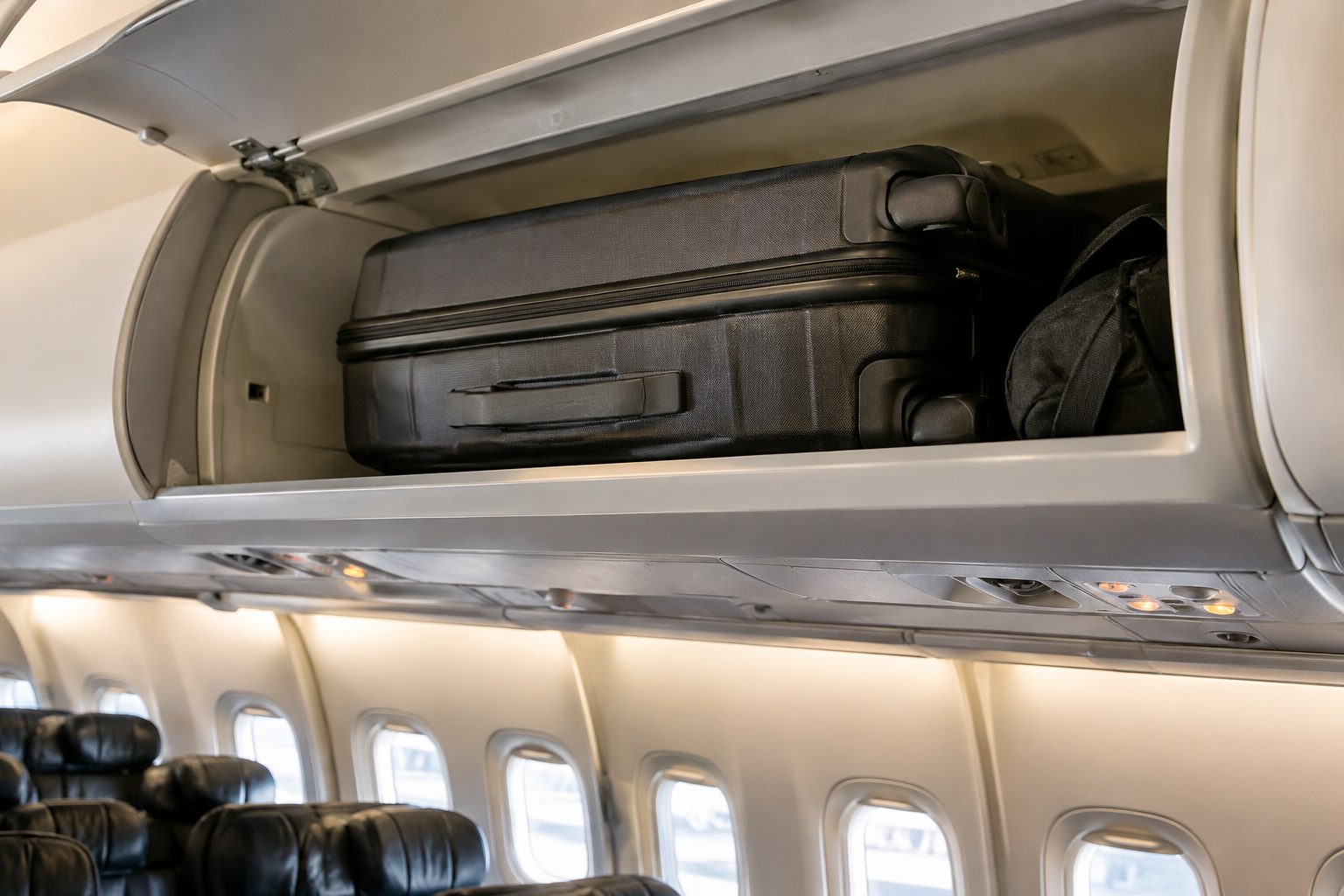
While airlines like Southwest, American, and United have their own carry-on dimension allowances (typically 22 x 14 x 9 inches), TSA scanners often reject bags that technically meet airline requirements. The scanners use algorithms that factor in not just dimensions but also how items are packed inside the bag. A bag that's overstuffed or unevenly packed may trigger rejection even if it technically fits the measurements at TSA checkpoints nationwide.
Fun fact: TSA scanners can detect the difference between an overpacked carry-on and one with properly distributed weight, sometimes flagging bags as security concerns based on internal density patterns.
Tip: Pack your carry-on strategically by placing heavier items at the bottom and distributing weight evenly. Remove your bag from the scale if it feels heavy—TSA screening isn't just about size, it's about how the bag's contents align with security protocols.
3. Prohibited Items That TSA Scanners Excel at Detecting
U.S. TSA Security Lines
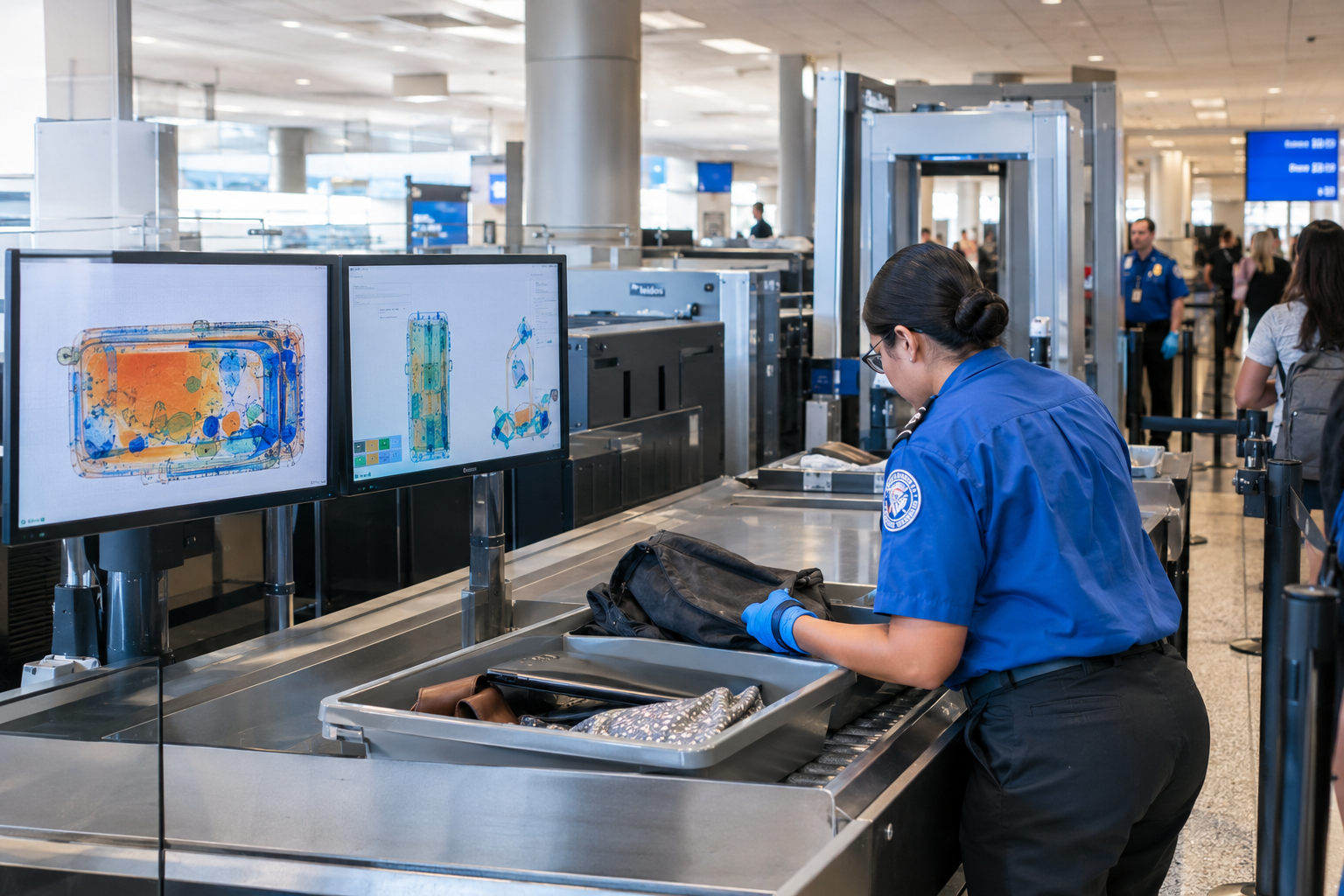
TSA's advanced scanning technology is particularly effective at identifying items that were previously harder to detect, including certain power tools, sporting equipment, and items with sharp edges. Even if you thought something was permitted, the new scanners may reveal details that trigger additional questioning or confiscation. Common culprits include corkscrews, pocket knives, and multi-tools that many travelers pack without thinking when passing through TSA checkpoints.
Fun fact: TSA scanners can now identify counterfeit electronics and detect whether batteries are properly secured, catching dangerous items that older screening methods would have missed.
Tip: Check the TSA's official prohibited items list on their website before packing, and when in doubt, pack questionable items in your checked luggage instead. Items like corkscrews, small pocket knives, and nail clippers are frequently confiscated at carry-on screening.
4. Liquid and Gel Restrictions Under New Scanners
U.S. Airport TSA Checkpoints
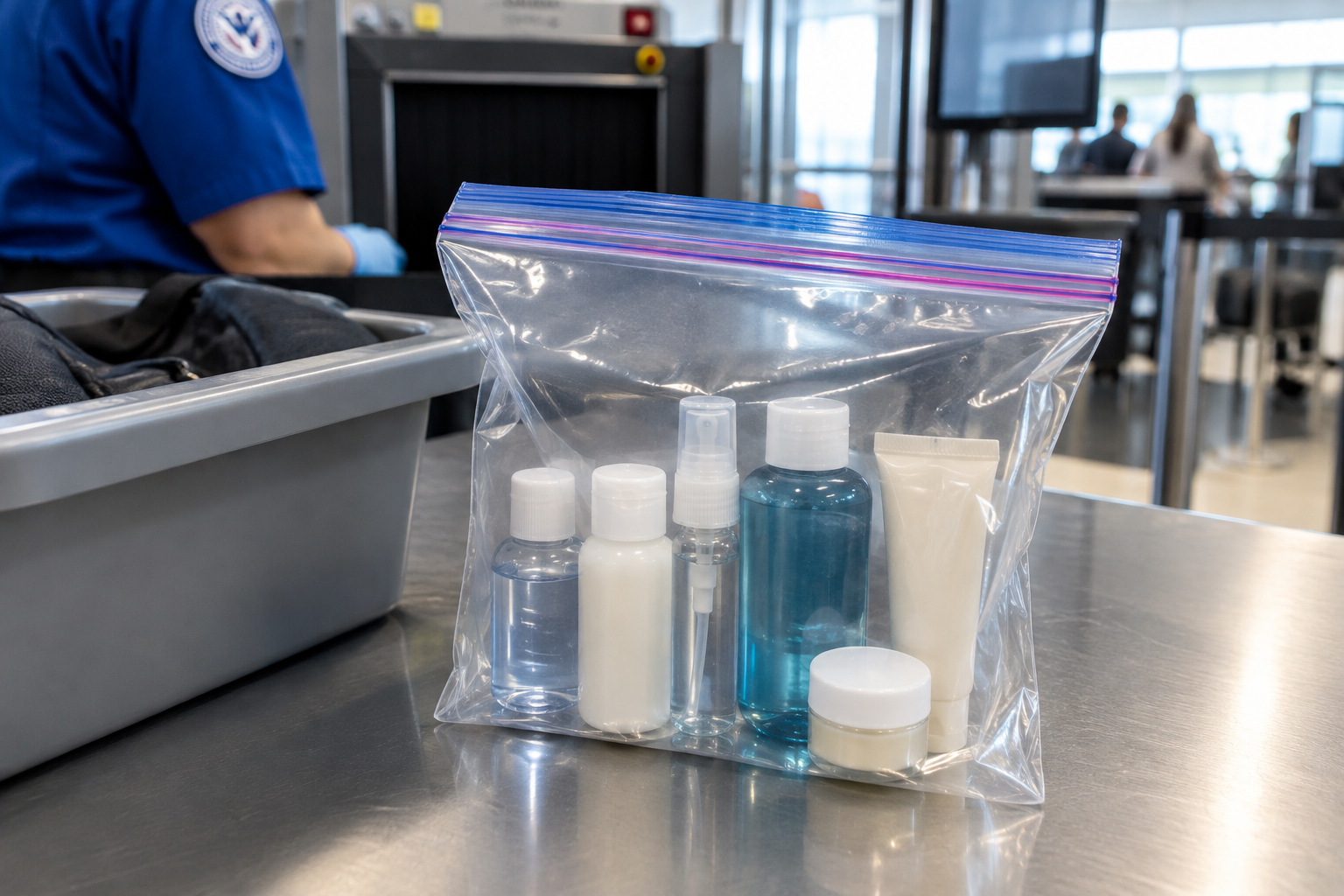
The 3-1-1 liquid rule (3.4 ounces per container, 1 quart-sized bag per person, 1 bag per traveler) remains strict under TSA carry-on scanner rules, but new scanners are better at detecting when travelers attempt to circumvent these rules. Gels, creams, peanut butter, and thick cosmetics are scrutinized more carefully because scanners can now distinguish between different densities and compositions. Even properly-sized containers may be opened for testing if the scanner flags them as questionable at TSA checkpoints.
Fun fact: TSA's newer technology can now differentiate between water, gel, and other substances without opening containers, but officers retain the right to test any liquid they deem suspicious.
Tip: Place all liquids in a clear, transparent quart-sized bag and have it ready before you reach the security scanner. Position it on top of your carry-on for easy access, and be prepared to remove shoes, belts, and electronics from your bag as well.
5. Electronics and Battery Restrictions
U.S. TSA Checkpoints
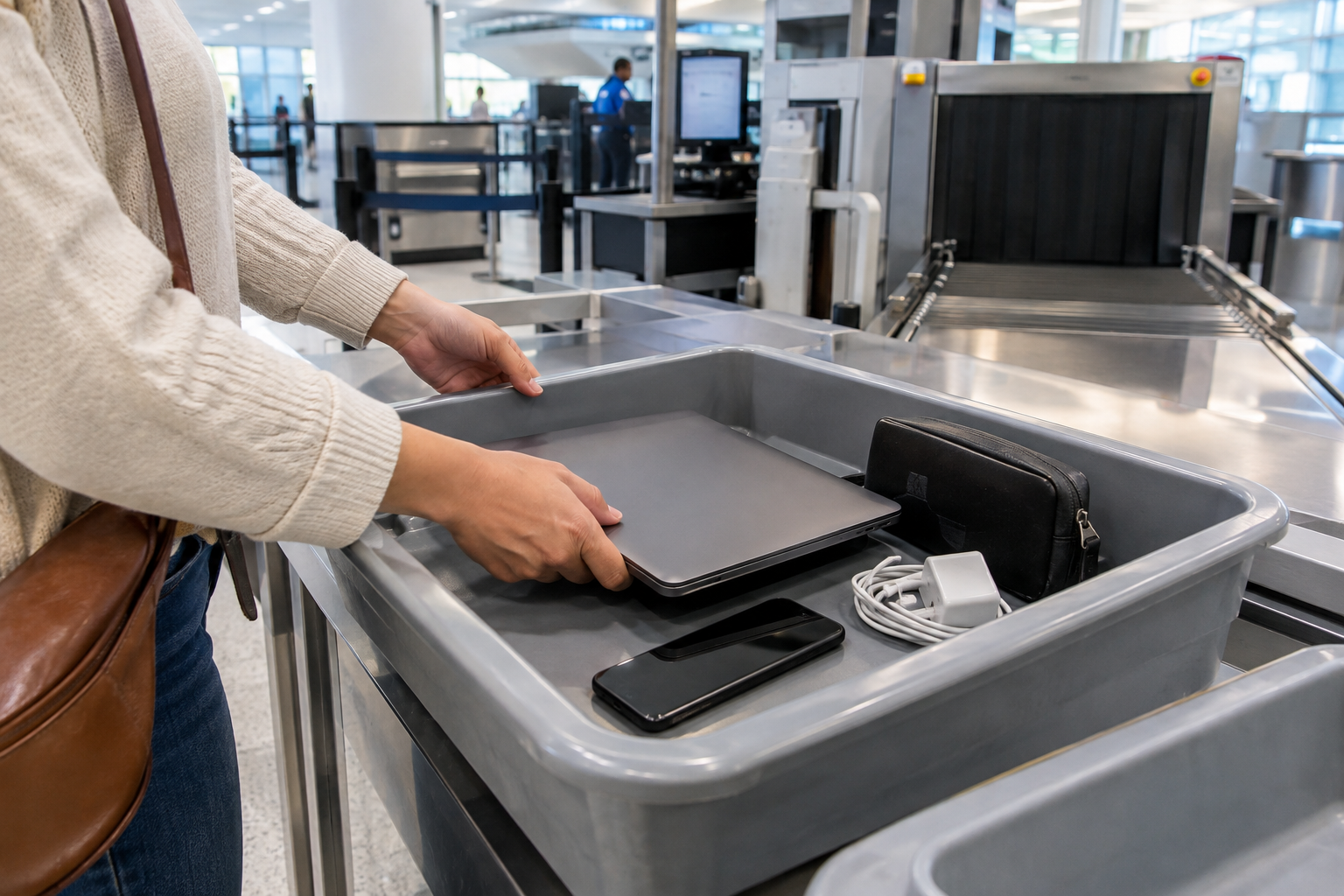
Large lithium batteries and certain electronic devices must be declared or checked, but new scanners make it nearly impossible to hide electronics in carry-on bags passing through TSA security lines. Power banks, laptops, tablets, and external hard drives all show up clearly on 3D scans, and oversized batteries are automatically flagged. TSA officers are now trained to look specifically for batteries that could pose fire hazards, which the scanners highlight during screening at U.S. airports.
Fun fact: TSA scanners can now determine the wattage and type of battery in a device, automatically flagging batteries that exceed the 160 watt-hour limit allowed in carry-on luggage.
Tip: Remove all electronics larger than a smartphone from your carry-on bag before reaching the scanner and place them in a separate bin for screening. Pack power banks and batteries in your carry-on (not checked baggage) but declare them if they're particularly large.
6. Soft-Sided vs. Hard-Sided Carry-On Compression
U.S. Airport Security Checkpoints
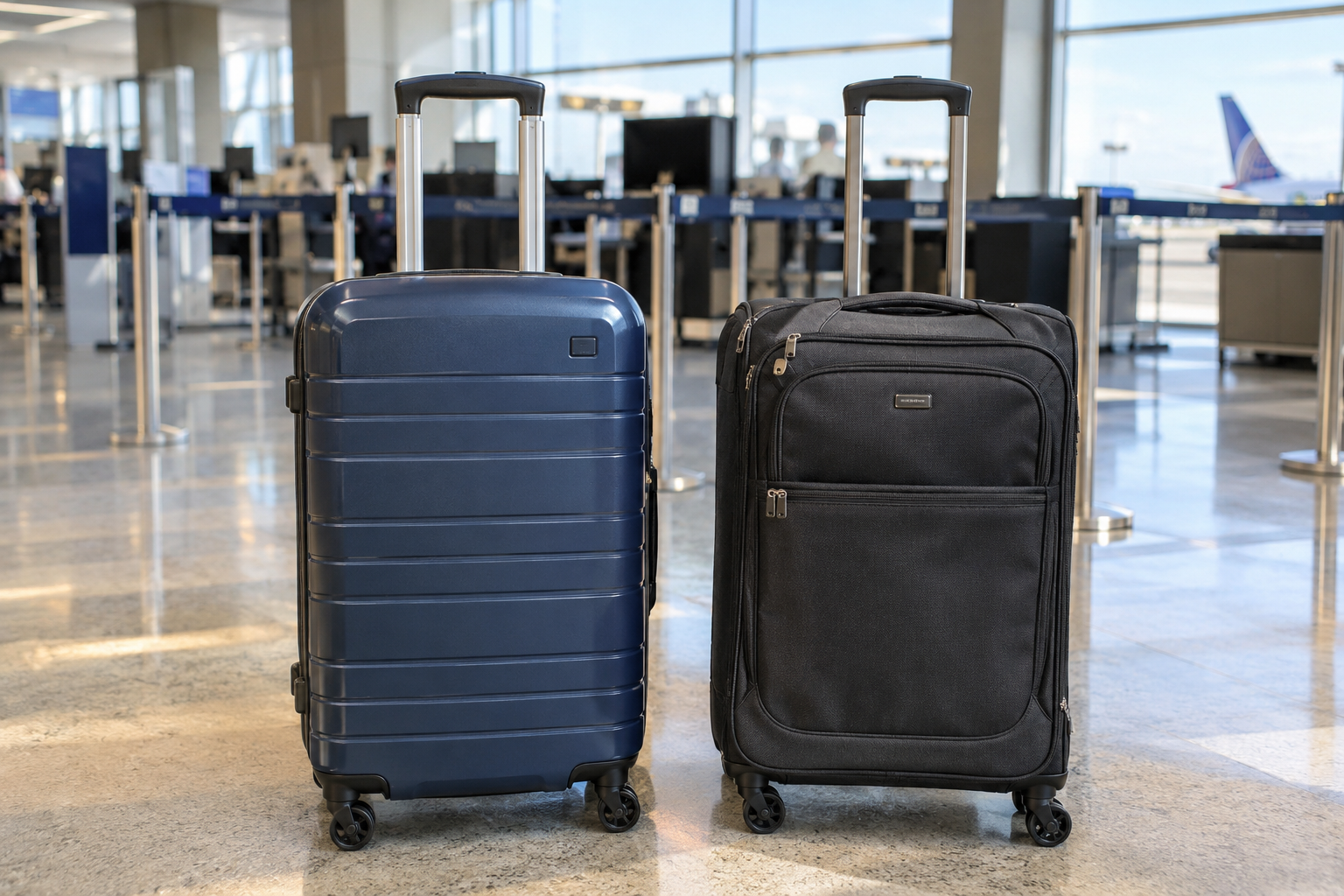
Soft-sided carry-ons can compress in ways that hard-sided luggage cannot, which means travelers often overpack them beyond TSA carry-on scanner approval limits. TSA's new scanners detect when soft-sided bags are over-compressed and stuffed beyond capacity, even if they technically fit the airline's size gauge. Hard-sided luggage, by contrast, provides a more predictable profile on scanners, making it less likely to be flagged or opened for inspection at TSA checkpoints.
Fun fact: TSA's 3D scanning technology can identify when soft-sided bags have been artificially compressed or when zippers have been strained, sometimes triggering secondary screening.
Tip: Choose a hard-sided carry-on for stress-free airport security, or if you prefer soft-sided luggage, pack it conservatively and leave room for movement. Avoid rolling your packed carry-on tightly or sitting on it to compress it—this raises red flags at security.
7. Secondary Screening and What Triggers It
U.S. TSA Checkpoints Nationwide
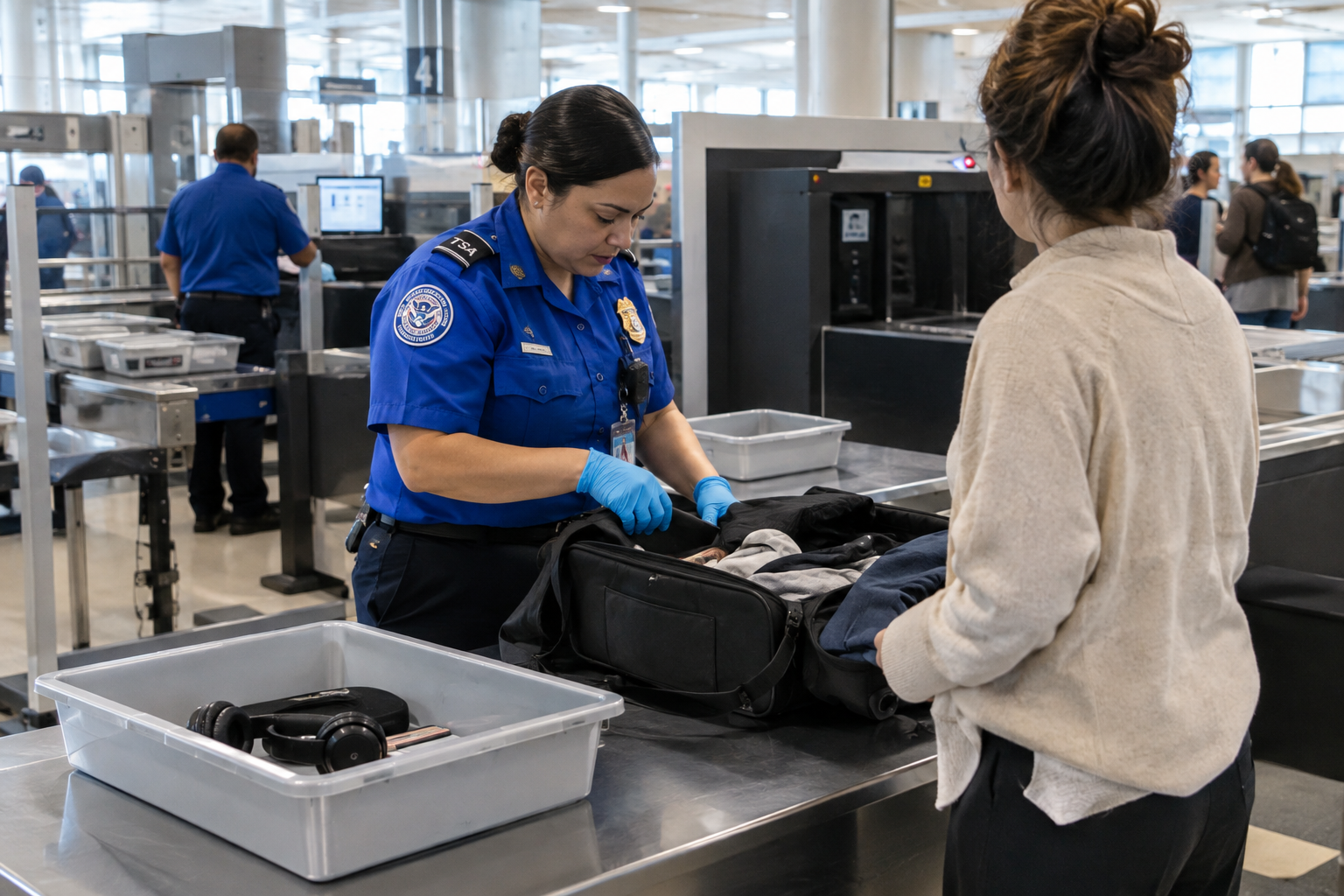
When TSA scanners flag a carry-on, you'll be directed to secondary screening where officers manually inspect your bag's contents. This happens when the scanner detects something that doesn't match the expected profile for that item type, when density is uneven, or when liquids aren't properly organized. Secondary screening can add 10-30 minutes to your airport security experience, which is why understanding what triggers it is so valuable for TSA carry-on rules.
Fun fact: TSA officers can now request that you remove every single item from your carry-on during secondary screening, and they're trained to detect when items have been deliberately hidden or disguised.
Tip: Arrive at the airport earlier than recommended if you're traveling with a full or oddly-shaped carry-on. Budget extra time for potential secondary screening, and pack your carry-on in a way that makes sense—don't randomly pile items in hopes they'll fit.
Don't let packing mishaps derail your vacation plans. Master these TSA carry-on scanner rules by checking TSA's official website before heading to the airport, and always err on the side of caution when sizing up your carry-on. Your stress-free travel experience starts with smart packing decisions and understanding TSA carry-on scanner protocols.
Frequently asked questions
Will my airline-approved carry-on fit through TSA scanners?
Not always. While your airline might approve a bag's dimensions, TSA scanners evaluate both size and how items are packed inside. An overstuffed or unevenly packed bag can be rejected even if it technically fits airline requirements. Always pack strategically to ensure even weight distribution and compliance with TSA carry-on scanner rules.
What happens if TSA rejects my carry-on at the scanner?
You'll typically be directed to secondary screening where officers manually inspect your bag's contents. If items are prohibited or the bag remains problematic, you may need to repack, check the bag, or leave items behind. Understanding TSA carry-on scanner protocols helps you avoid this situation by packing wisely.
Are TSA scanner rules the same at every U.S. airport?
Yes, TSA scanning protocols and prohibited item lists are standardized across all U.S. airports. However, individual TSA officers may interpret rules differently, so consistency isn't guaranteed. Always reference the official TSA website for the most up-to-date information on carry-on scanner requirements.
Can I pack a power bank in my carry-on?
Yes, but only in your carry-on—not checked luggage. Power banks must have a capacity of 100 watt-hours or less. Larger power banks may be confiscated. Always declare large batteries and ensure they're easily accessible in your bag.
What's the best way to pack a carry-on to avoid TSA issues?
Pack strategically with heavier items at the bottom, distribute weight evenly, keep liquids in a clear quart-sized bag on top, and remove electronics before reaching the scanner. Choose hard-sided luggage when possible, and never overcompress your bag to make it fit.