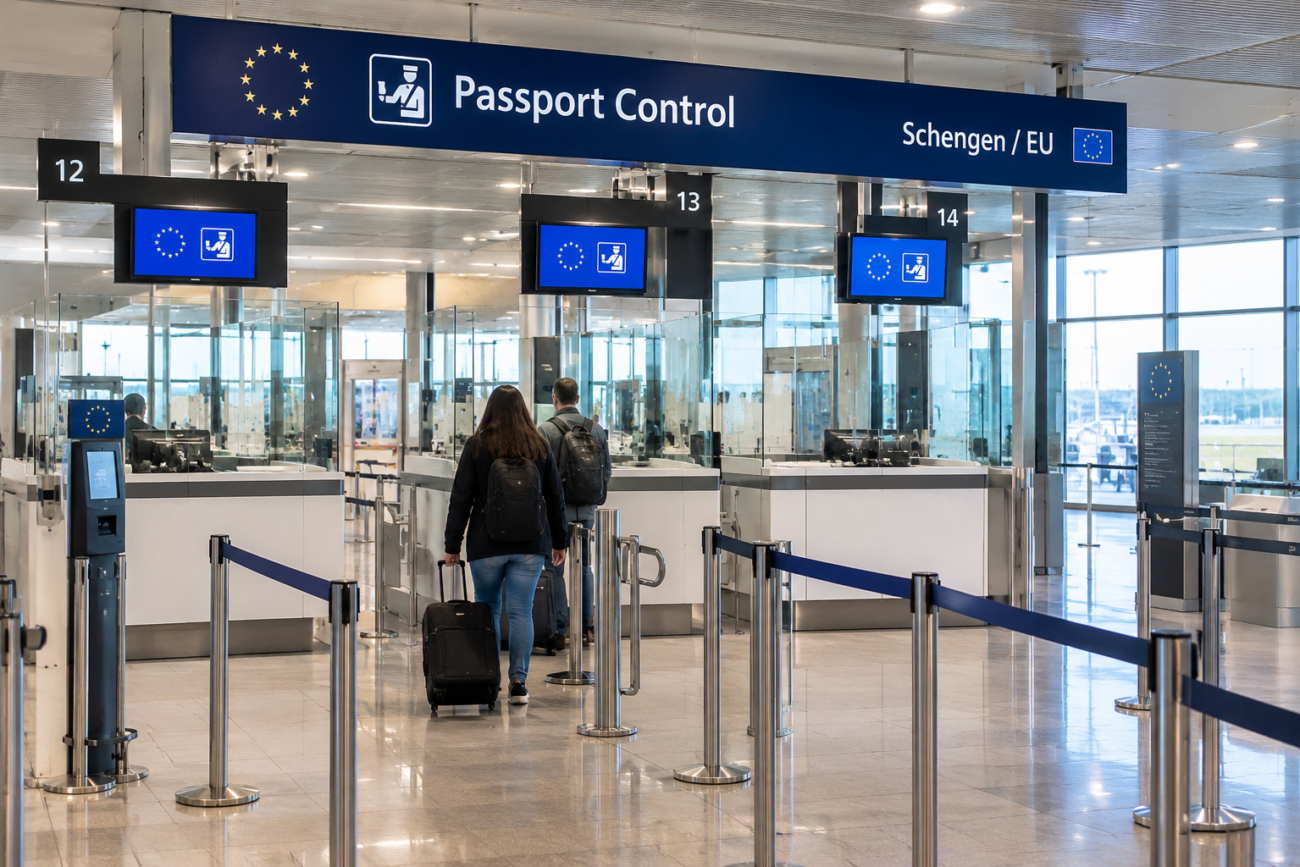
If you're planning a European vacation, understanding ETIAS and EES entry systems is essential before booking your transatlantic flight. These two new digital authorization systems are becoming mandatory for US passport holders traveling to the Schengen Area, and they'll directly affect how quickly you clear European borders and which airports experience the longest processing delays.
1. European Travel Information and Authorization System (ETIAS)
European Union Schengen Area
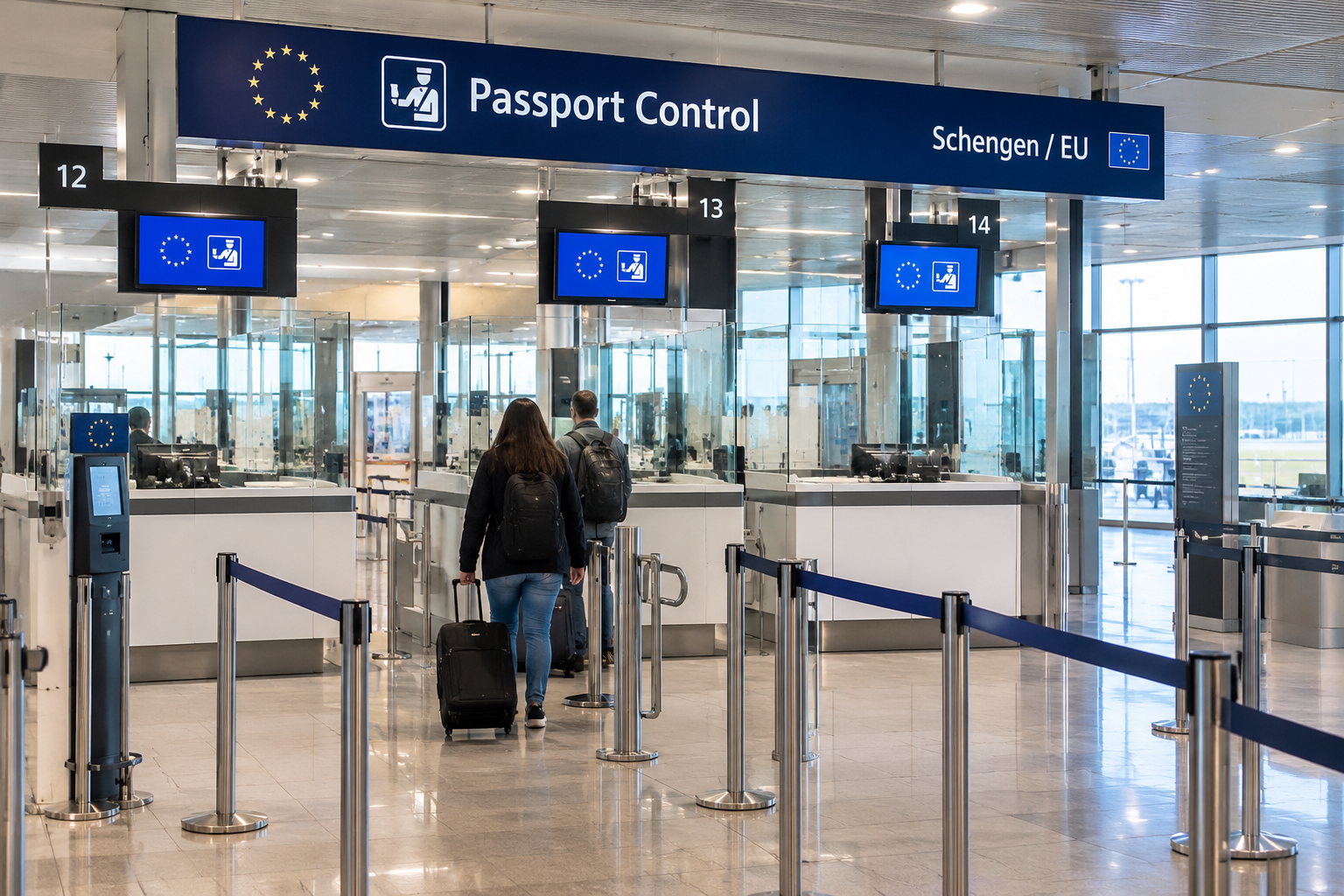
ETIAS is a digital authorization system similar to the US ESTA program that Americans use to enter the country. Starting in late 2024 or early 2025, US citizens will need ETIAS approval before boarding any flight to a Schengen Area country. The application process takes roughly 10 minutes and costs approximately €7 (about $7.50 USD). Most applicants receive approval within minutes, though the standard processing window allows up to 72 hours. This digital travel permit sits in a shared European database across all 27 EU member states, so you'll need approval before departure but won't carry physical documentation through borders.
Fun fact: ETIAS isn't a visa; it's a digital travel permit stored in a shared European database, so once approved, you don't need any physical documentation at European borders.
Tip: Apply for ETIAS at least two weeks before your trip, though earlier is better. Set a reminder the moment you book your European flight to avoid last-minute delays that could affect your travel dates.
2. Entry/Exit System (EES)
European Union Schengen Area Borders
The EES digitally records when you enter and exit the Schengen Area, replacing the traditional passport stamp system at airports in Dublin, Amsterdam, Frankfurt, and other major European hubs. When you arrive at any Schengen border, you'll scan your biometric data—fingerprints and photograph—at an automated kiosk before speaking with an officer. This process typically adds 5–15 minutes per traveler during standard periods, but peak summer travel season can extend waits to 45 minutes or longer at the busiest airports. EES data is stored for three years and automatically tracks your 90-day visa-free allowance within any 180-day period.
Fun fact: EES data automatically prevents accidental overstays by digitally tracking your 90-day limit within any 180-day period, so you can't claim you lost count of entry and exit dates.
Tip: Arrive at the airport at least three hours before international flights to account for EES processing delays, especially during peak summer travel season when European airports are busiest.
3. Top US Departure Airports with Expected Processing Increases
Newark (New Jersey), Boston (Massachusetts), Atlanta (Georgia)
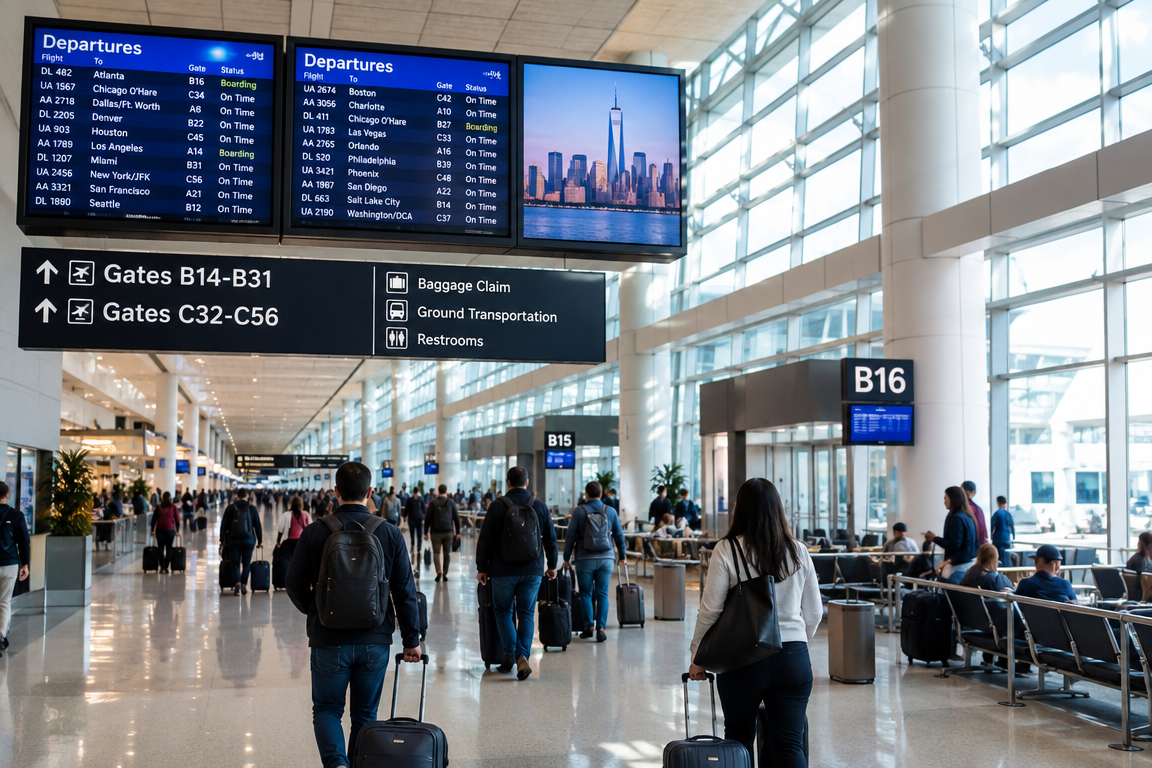
Major gateways including Newark Liberty International Airport in New Jersey, Boston Logan International in Massachusetts, and Atlanta Hartsfield-Jackson in Georgia will likely experience increased pre-departure processing times during peak European travel seasons. These airports don't control ETIAS approval, but congestion in pre-departure and security areas can delay flights if documentation is incomplete. Atlanta Hartsfield-Jackson is consistently the world's busiest airport by passenger volume, making even small percentage increases in European-bound travelers noticeable during summer months. Airlines now require confirmed ETIAS approval before boarding, adding an extra verification step that wasn't necessary before.
Fun fact: Atlanta Hartsfield-Jackson handles over 110 million passengers annually across domestic and international routes, so a small percentage increase in European travel creates significant ripple effects during summer.
Tip: Check that your ETIAS approval confirmation is saved on your phone and printed before arriving at the airport; having proof prevents backups in security or gate areas if staff require verification of your travel authorization.
4. European Airports Most Affected by EES Delays
Dublin (Ireland), Amsterdam (Netherlands), Frankfurt (Germany)
Dublin Airport, Amsterdam's Schiphol, and Frankfurt International are first points of entry for many transatlantic flights and are experiencing the highest traffic volumes under the new EES system. Processing lines regularly stretch 30–45 minutes during peak hours in summer months, though these airports are investing in additional biometric kiosks and staff. Dublin Airport operates outside the formal Schengen Area for border control, but travelers continuing to mainland Europe still encounter EES processing before connecting flights. Frankfurt and Amsterdam, both major European hubs, handle connecting passengers bound for cities across the continent. Coordination between EU member states means standardized processing times are still being refined.
Fun fact: Dublin Airport is technically outside the Schengen Area's border control jurisdiction, but international travelers heading onward to mainland Europe still pass through EES before their connecting flights.
Tip: If connecting to a smaller European city through Dublin, Amsterdam, or Frankfurt, allow at least two hours between your transatlantic arrival and a domestic Schengen connection to account for EES delays, passport control, and baggage handling.
5. Required Documentation Before US Departure
United States (Home Preparation)
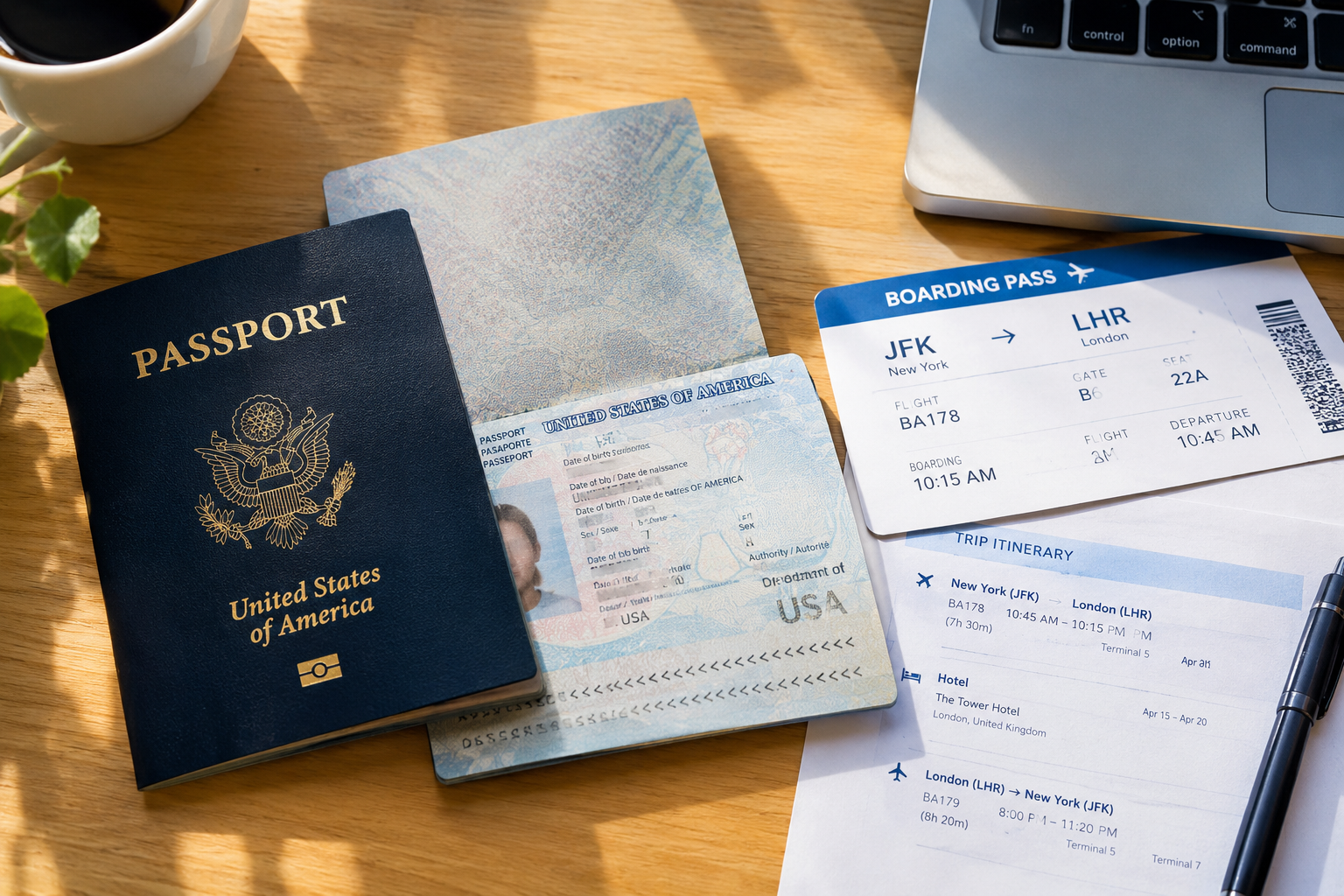
Before traveling to Europe, ensure your US passport has at least six months of validity remaining from your intended return date. Gather travel insurance documentation or accommodation proof if requested during ETIAS approval, and prepare copies of your flight itinerary, hotel reservations, and proof of return travel. ETIAS occasionally requests supplementary information from applicants, particularly those with employment gaps or unusual travel patterns, but these follow-ups occur digitally and rarely result in denial. Storing backups in a password-protected cloud folder accessible from any device ensures you can access proof of approval if printed copies are lost or your phone battery fails during travel. Some travelers report follow-up questions from border officials if the system flags an incomplete application, so thorough initial preparation prevents delays.
Fun fact: ETIAS requests additional information from a small percentage of applicants, but these digital follow-ups usually resolve within 24 hours and almost never result in application denial.
Tip: Store your ETIAS approval confirmation, passport copies, and travel documents in a password-protected cloud folder accessible from any device; this backup prevents delays if your printed copies are lost or your phone dies during travel.
Start your ETIAS application at least two weeks before departure, gather required documents now, and allow extra time at both US departure terminals and European arrival airports. Preparation today ensures a smoother border experience and keeps your European adventure on schedule.
Frequently asked questions
When does ETIAS officially launch for US travelers?
ETIAS is expected to launch in late 2024 or early 2025. During the first six months after launch, the system may operate under a grace period where non-compliant travelers face reduced enforcement, but applications should still be submitted as soon as possible to avoid confusion and last-minute stress.
What happens if I board a flight without ETIAS approval?
Airlines are required to verify ETIAS approval before allowing passengers to board flights to Europe. Without approval in the system, you will not be permitted to depart the United States. This is why submitting your application weeks in advance is critical.
Do I need separate ETIAS approval for each country I visit in Europe?
No. A single ETIAS approval is valid across all 27 Schengen Area countries, including France, Italy, Spain, Germany, the Netherlands, and 22 other member states. You apply once and travel freely between them.