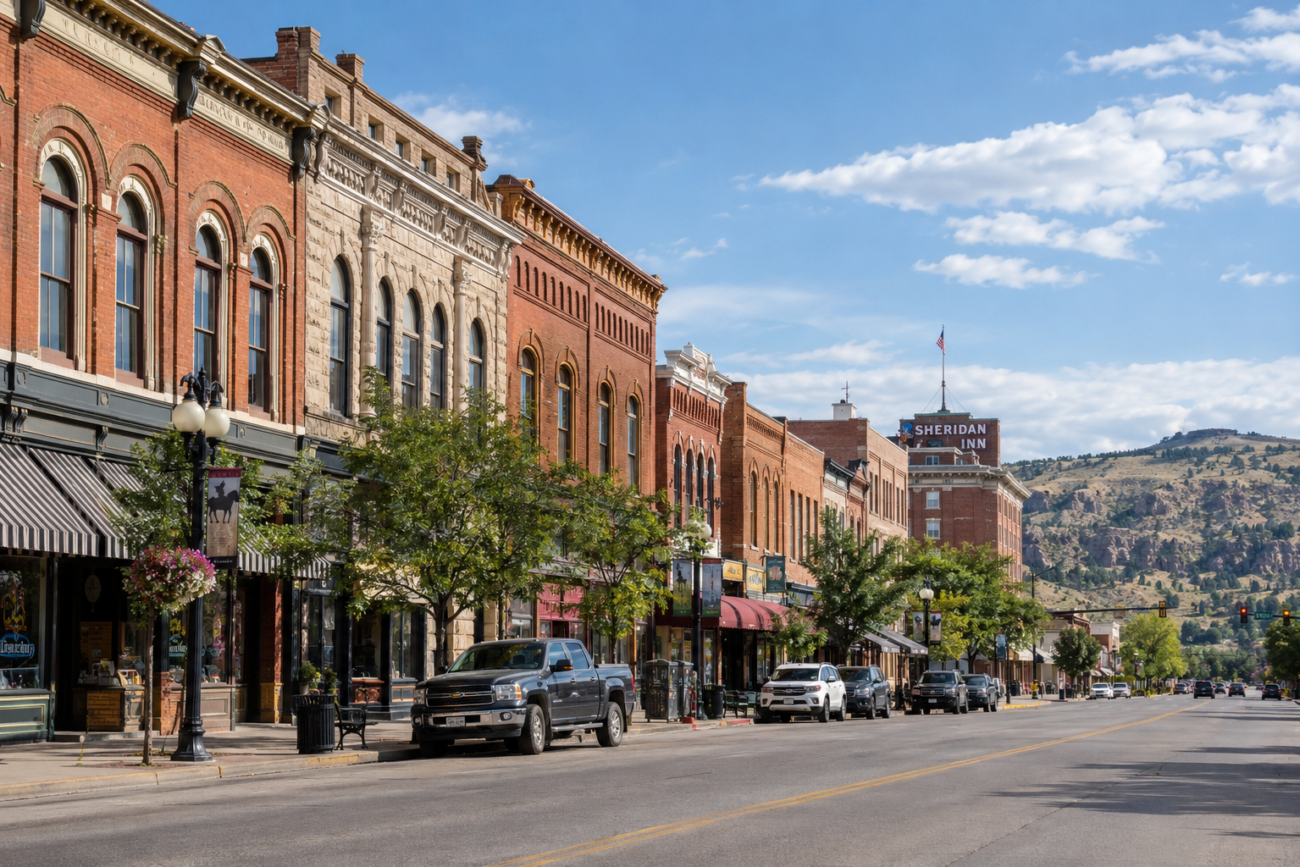
Historic Main Streets across Wyoming tell the story of the American frontier in brick, wood, and weathered stone. From cattle-boom era saloons to Victorian storefronts, these ten towns preserve authentic Old West character while welcoming visitors eager to walk streets where outlaws once roamed and pioneers built permanent communities. Each downtown offers a genuine glimpse into Wyoming's pioneer past without the manufactured feel of tourist traps, making them ideal destinations for a meaningful .
1. The Historic Main Street of Sheridan
Sheridan, Wyoming
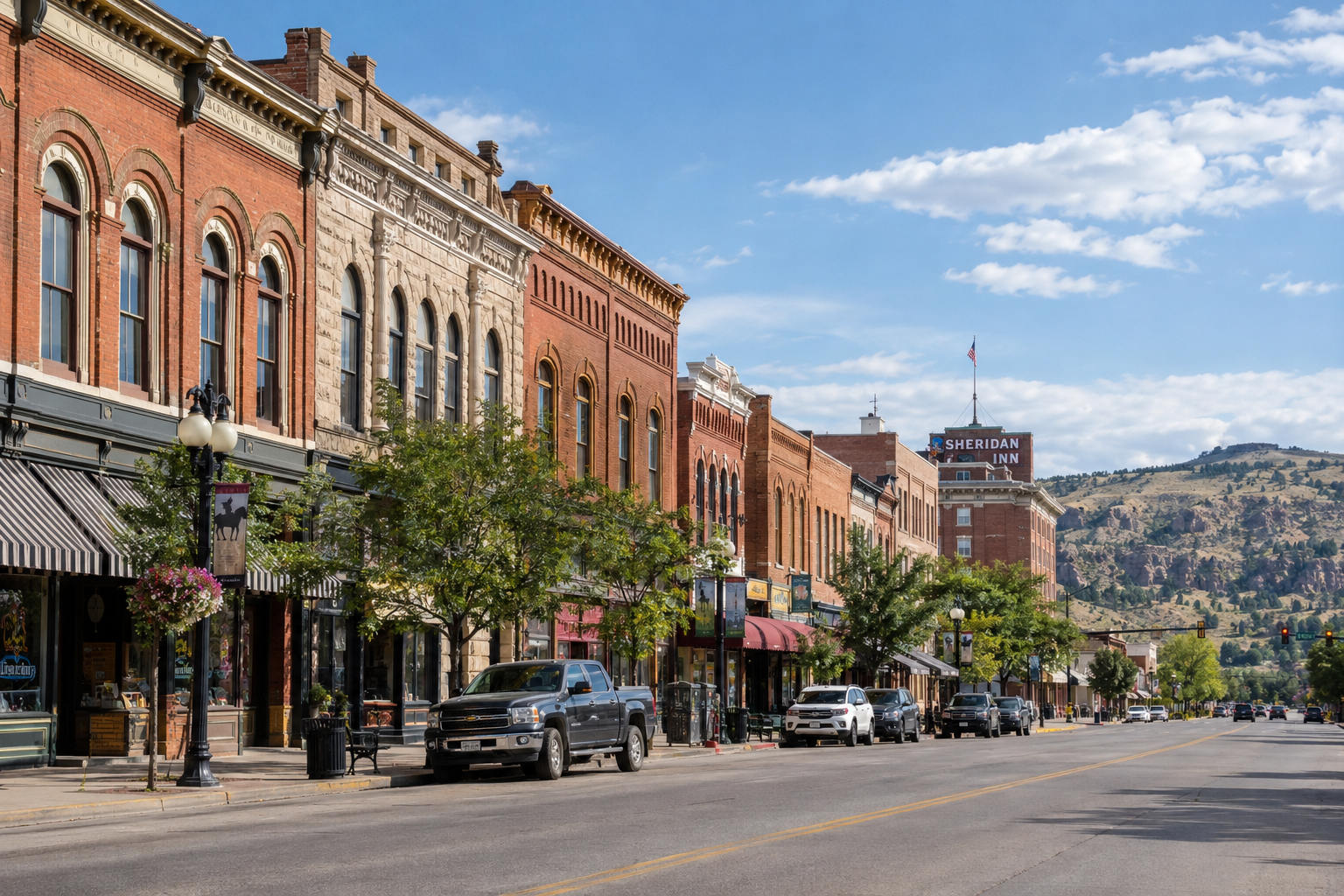
Sheridan's Main Street stretches along Broadway with brick buildings dating to the 1880s and 1890s, featuring ornate cornices and original storefronts now housing galleries, restaurants, and antique shops. The street maintains a working Western town atmosphere in Sheridan rather than a theme-park feel, with locals and visitors mixing on sidewalks lined with period details. The Sheridan Inn, a sprawling 1893 landmark, anchors the district and once hosted Buffalo Bill Cody and Teddy Roosevelt, making it one of Wyoming's most significant historic downtown corridors.
Fun fact: Sheridan's Main Street was once the center of one of the largest cattle ranching operations in the nation, and many original building owners were ranch owners who invested heavily in civic infrastructure during the boom years.
Tip: Visit on a weekday morning to photograph the historic architecture with fewer crowds. Free street parking is available on Broadway; paid lots are nearby if needed. The Sheridan County Museum (nominal admission) provides detailed history of local buildings and is located within walking distance of downtown.
2. Main Street in Laramie: A Railroad Boom Town
Laramie, Wyoming
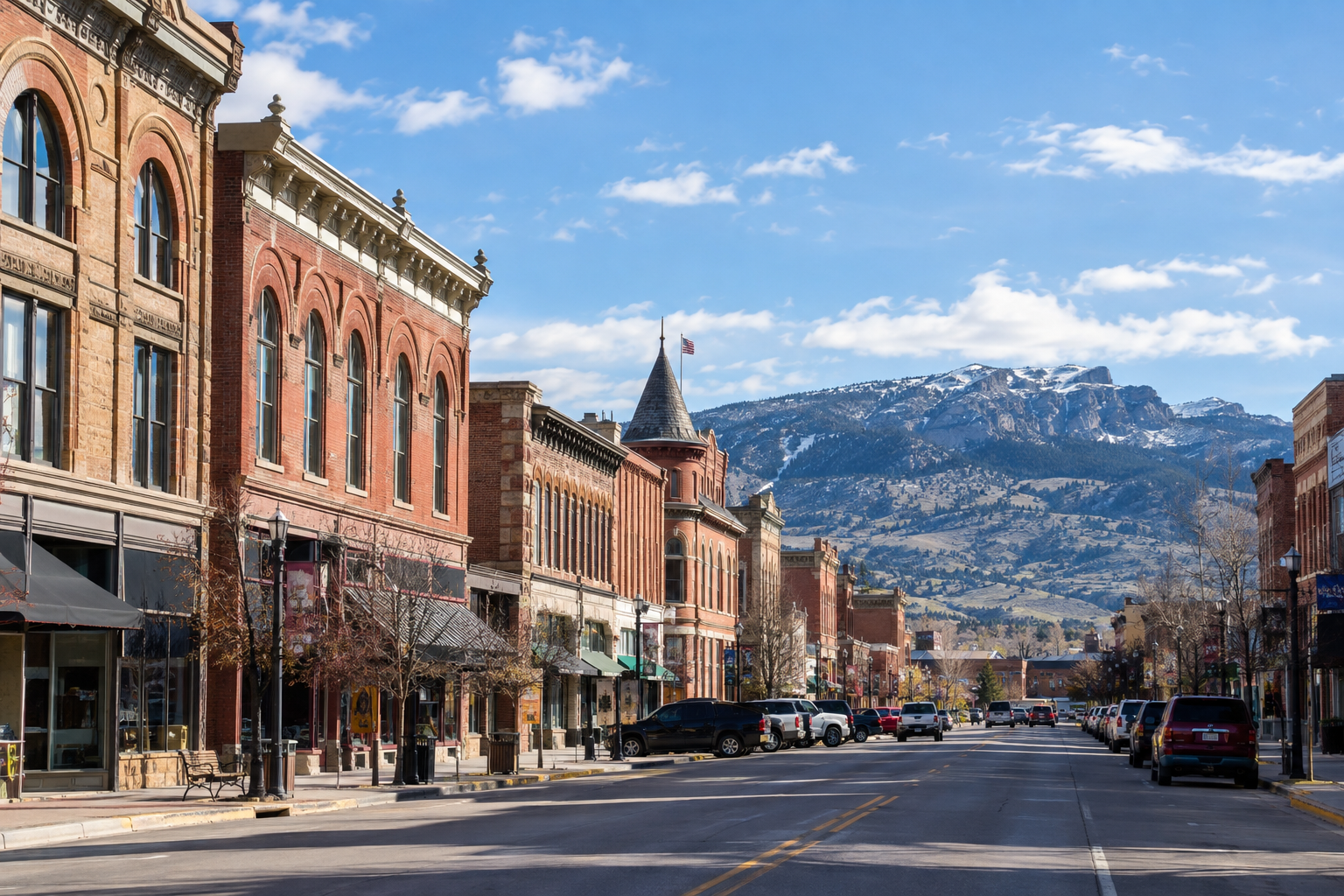
Laramie's downtown grew during the 1880s railway boom and retains original depot architecture alongside Victorian commercial buildings in the heart of this university town. The street showcases Romanesque Revival and Classical Revival styles, with many structures now converted to modern uses while preserving facades and interiors. Live music venues, craft breweries, and independent bookstores occupy restored storefronts in Laramie, creating an active gathering place that blends frontier heritage with contemporary vitality.
Fun fact: Laramie's Main Street developed rapidly after the Union Pacific Railroad arrived in 1868, transforming it from a remote outpost into a thriving city within five years and establishing patterns of growth seen across Wyoming.
Tip: Parking is metered on Main Street but free in nearby lots; arrive early on weekends. The Wyoming Territorial Prison (admission charged) sits adjacent to downtown Laramie and provides context for the rough-and-tumble frontier era that shaped the street's character and development.
3. The Frontier Town of Saratoga
Saratoga, Wyoming
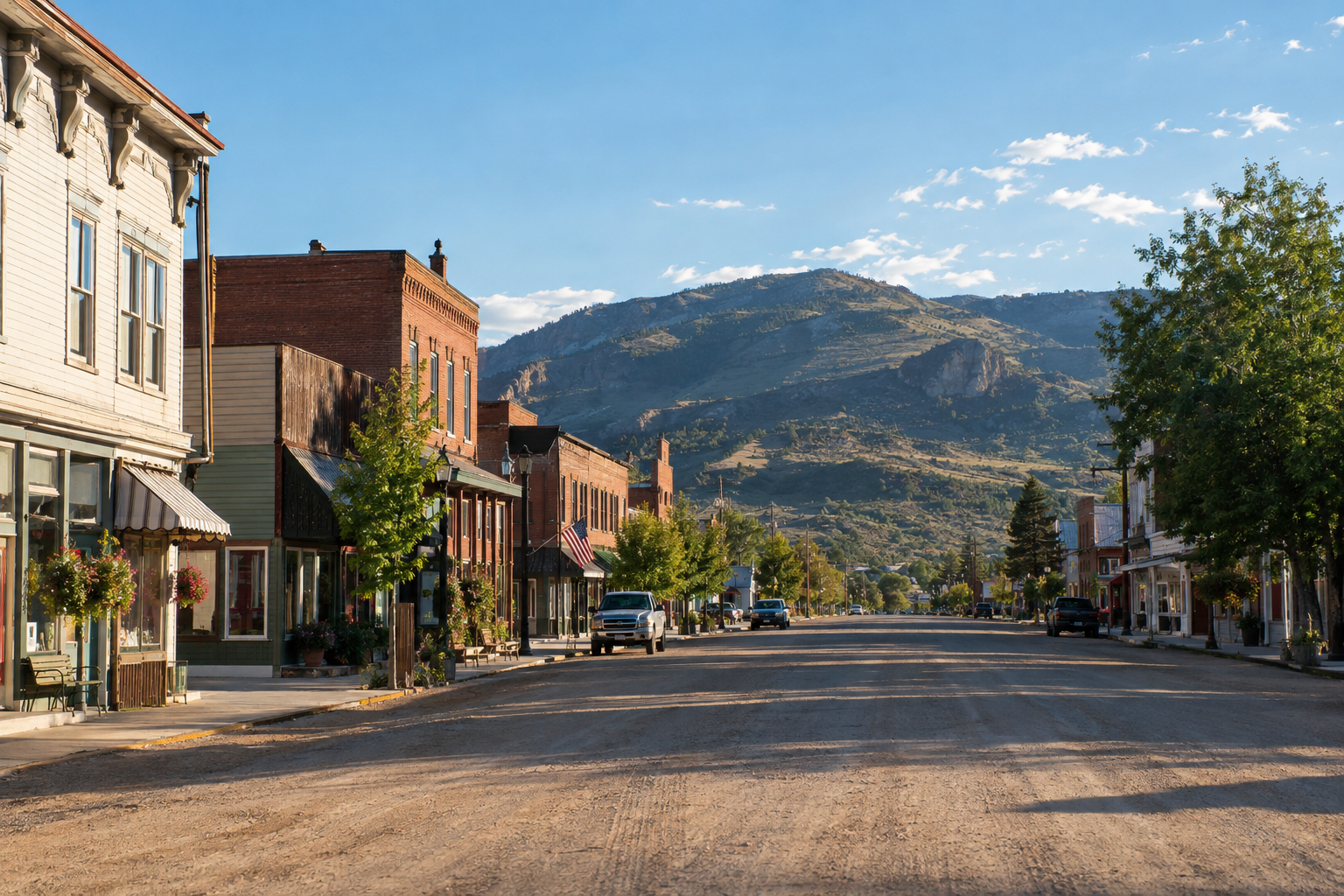
Saratoga's small Main Street preserves the character of a 1890s logging and ranching town with early 20th-century wood-frame and brick buildings still in active use by local residents and businesses. The street is genuinely quiet and unrushed, giving visitors a true sense of how a rural Wyoming town actually functions rather than how it's been packaged for tourism. Historic saloons, a general store, and modest hotels line the avenue in Saratoga, several with original tin ceilings and wood details visible inside.
Fun fact: Saratoga's name was borrowed from Saratoga Springs, New York, by a homesick railroad official—the town bears no connection to its Eastern namesake beyond the title, reflecting common naming patterns across Wyoming's frontier era.
Tip: Saratoga is a 45-minute drive from Laramie and makes an excellent half-day stop during a Wyoming road trip. Free parking is ample throughout town. The Saratoga Hot Pool nearby offers free soaking year-round, making a visit here a comfortable break during extended travels.
4. Historic Downtown Cody: Buffalo Bill's Legacy
Cody, Wyoming
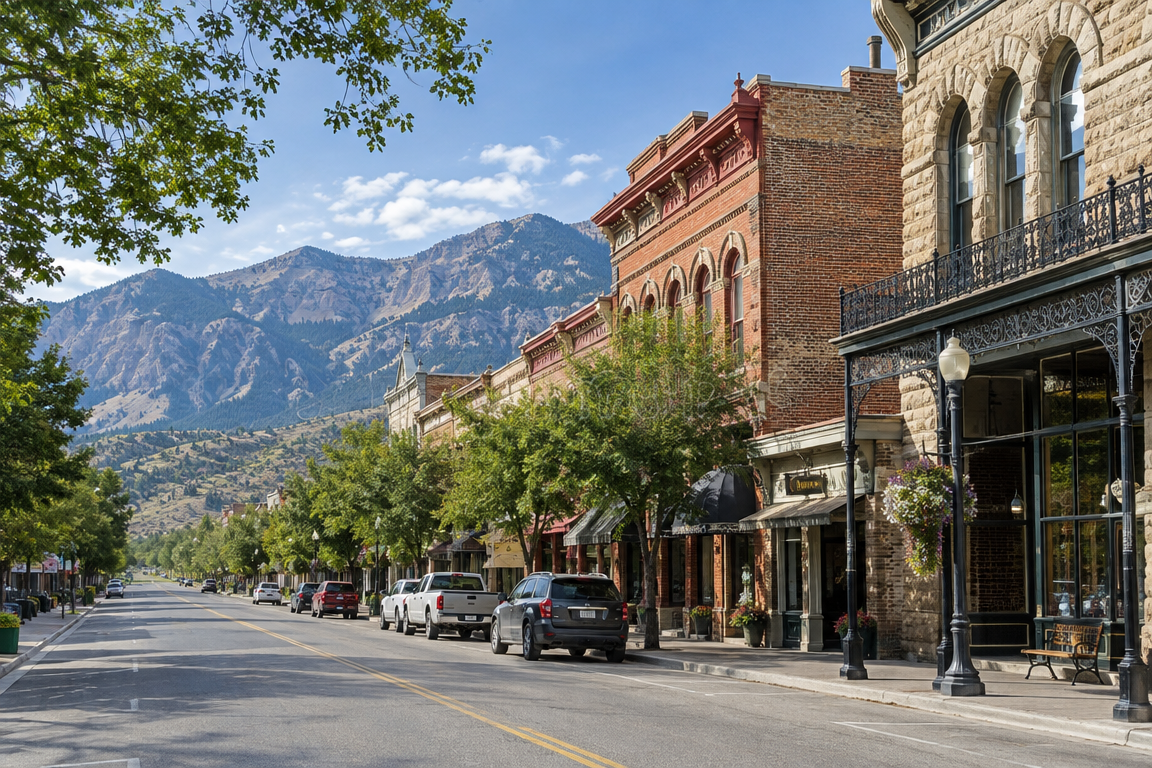
Cody's Main Street was built around the turn of the 20th century and reflects the vision of William F. Cody (Buffalo Bill), who founded the town and invested in permanent structures meant to support tourism and settlement. Saloons, hotels, and storefronts display elaborate ironwork and period details, many original to the 1900s and 1910s in Cody's historic district. The street connects to major Western heritage institutions including the Buffalo Bill Center of the West, making it a natural stop for visitors exploring the region's cultural significance and frontier history.
Fun fact: Buffalo Bill deliberately planted cottonwood trees along Cody's streets in the early 1900s as part of his vision to create a civilized, tree-lined city—many of those same trees still shade the downtown today and represent one of the earliest planned civic landscapes in Wyoming.
Tip: Summer crowds are significant; visit Cody in May, September, or October for better access to downtown restaurants and shops. Paid parking lots are available; the Buffalo Bill Center (admission charged) justifies a full day in town and provides essential context for Main Street's development.
5. The Preserved District of Rawlins
Rawlins, Wyoming
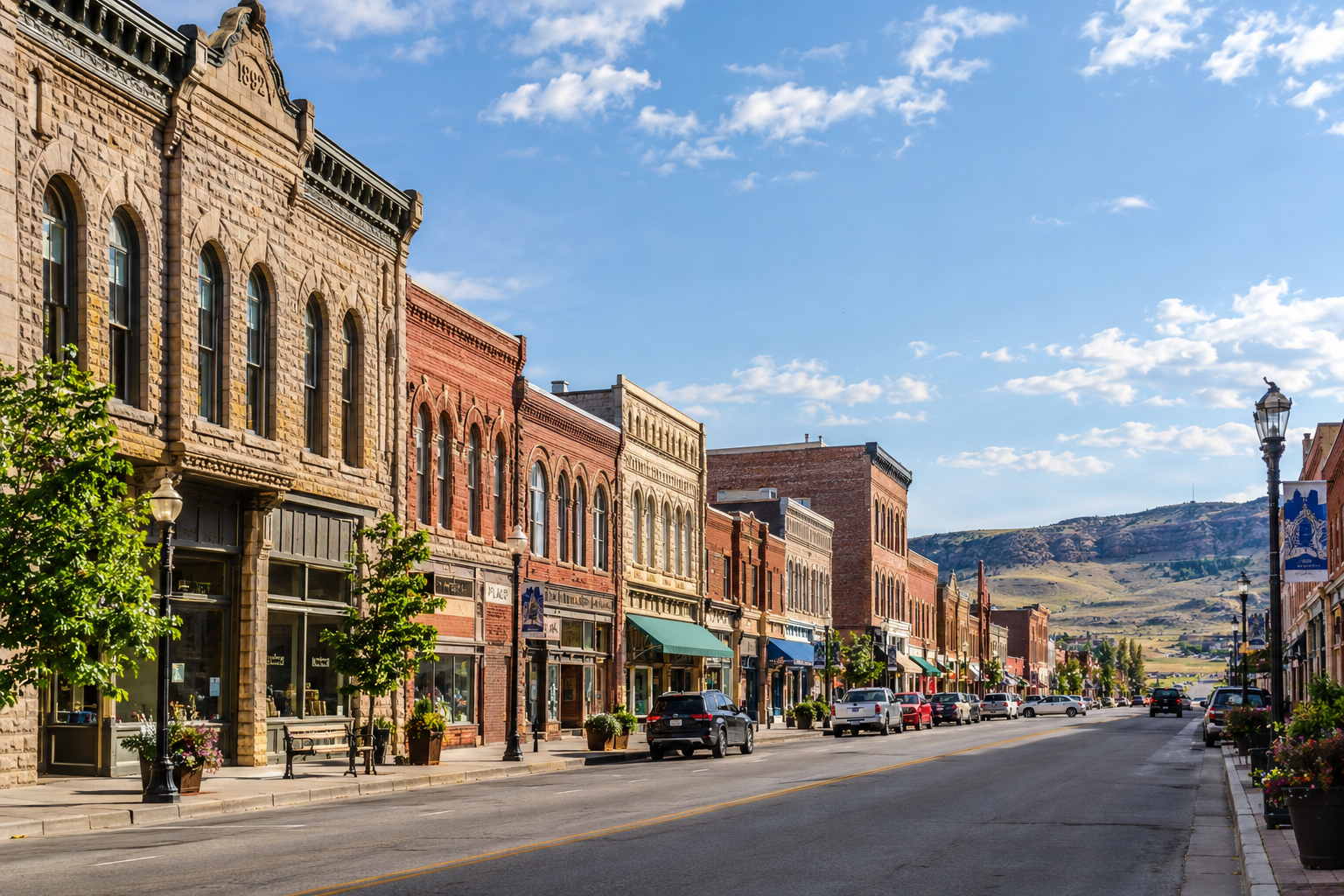
Rawlins' historic downtown reflects the town's identity as a major stop on the Union Pacific Railroad and later a regional hub for oil and coal development in south-central Wyoming. Late 1800s stone and brick structures feature solid, functional design with Victorian ornamentation typical of thriving railroad towns of the era. The Rawlins-Sinclair Historic District comprises multiple blocks of intact period buildings, many restored in recent decades while maintaining exterior integrity and historic character.
Fun fact: Rawlins once served as Wyoming's temporary capital during the territorial days, and the town was named after a Union Pacific railroad official rather than being established by settlers seeking land, reflecting the railroad's dominant role in Wyoming's development.
Tip: The Rawlins-Sinclair Historic District in Rawlins can be explored on foot; free parking is available throughout the downtown area. Stop by the Carbon County Museum (small admission) to learn about the town's railroad and mining heritage before walking the district.
6. Alpine's Authentic Small-Town Main Street
Alpine, Wyoming
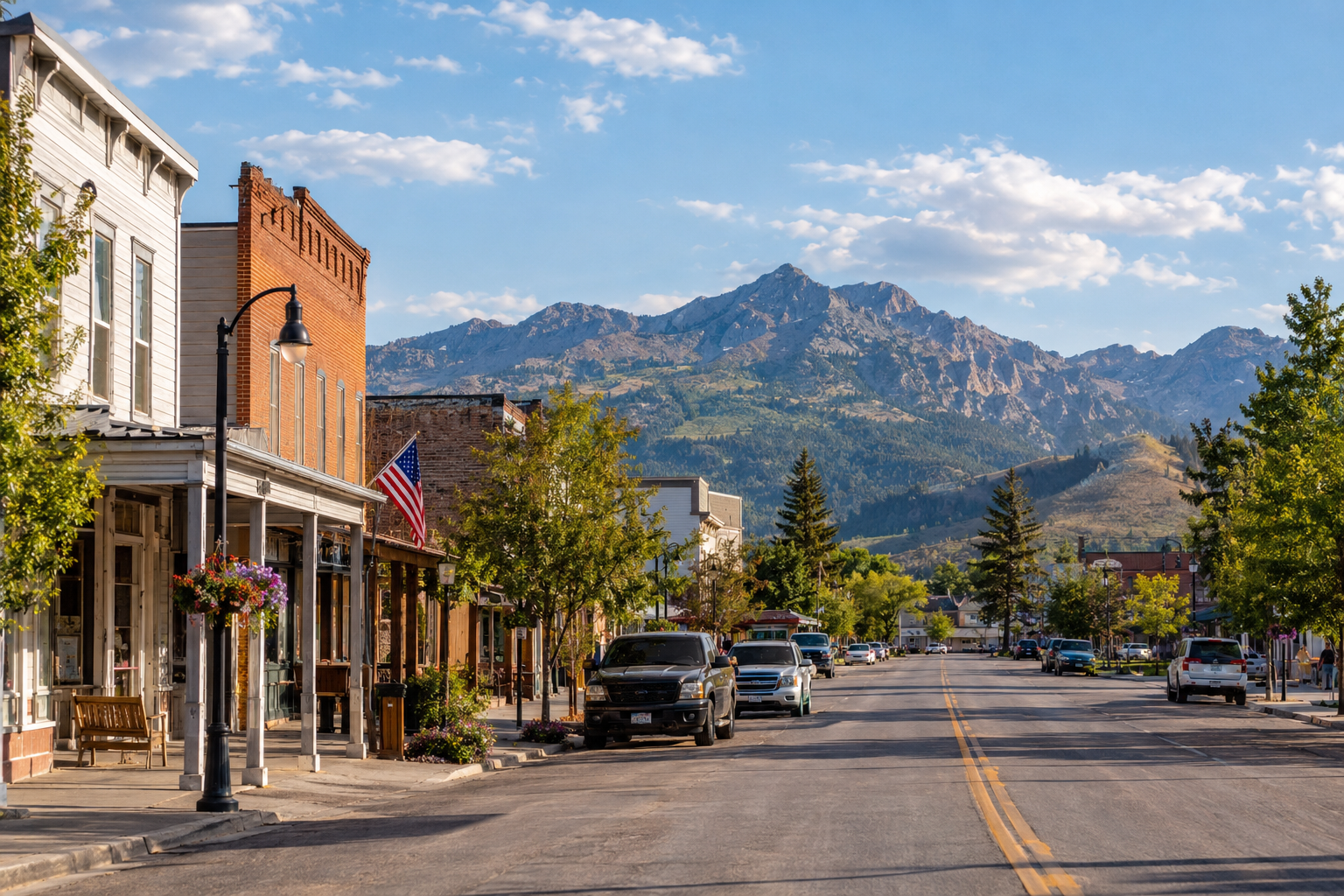
Alpine sits in Star Valley and maintains one of Wyoming's most authentic small-town Main Streets, where the commercial district still serves primarily local residents rather than tourists seeking Old West novelties. Simple wood-frame and brick structures from the 1910s and 1920s line the street in Alpine, including a working general store and community gathering places that have operated continuously for decades. The town's modest scale and genuine functionality make it an excellent example of how historical Main Streets actually evolve in rural America.
Fun fact: Alpine was established as a stop on the Oregon Trail alternate routes and developed primarily as a regional center for Star Valley's ranching and agricultural communities rather than as a boom-driven railroad town, giving it a different character than neighboring Wyoming settlements.
Tip: Alpine is a 90-minute drive from Jackson Hole, making it a worthwhile detour for travelers seeking authentic small-town Wyoming experiences. Free parking is abundant; several local cafes and diners provide genuine local fare. Spring through fall offers the best weather for walking the street and exploring the surrounding region.
7. The Historic District of Pinedale
Pinedale, Wyoming
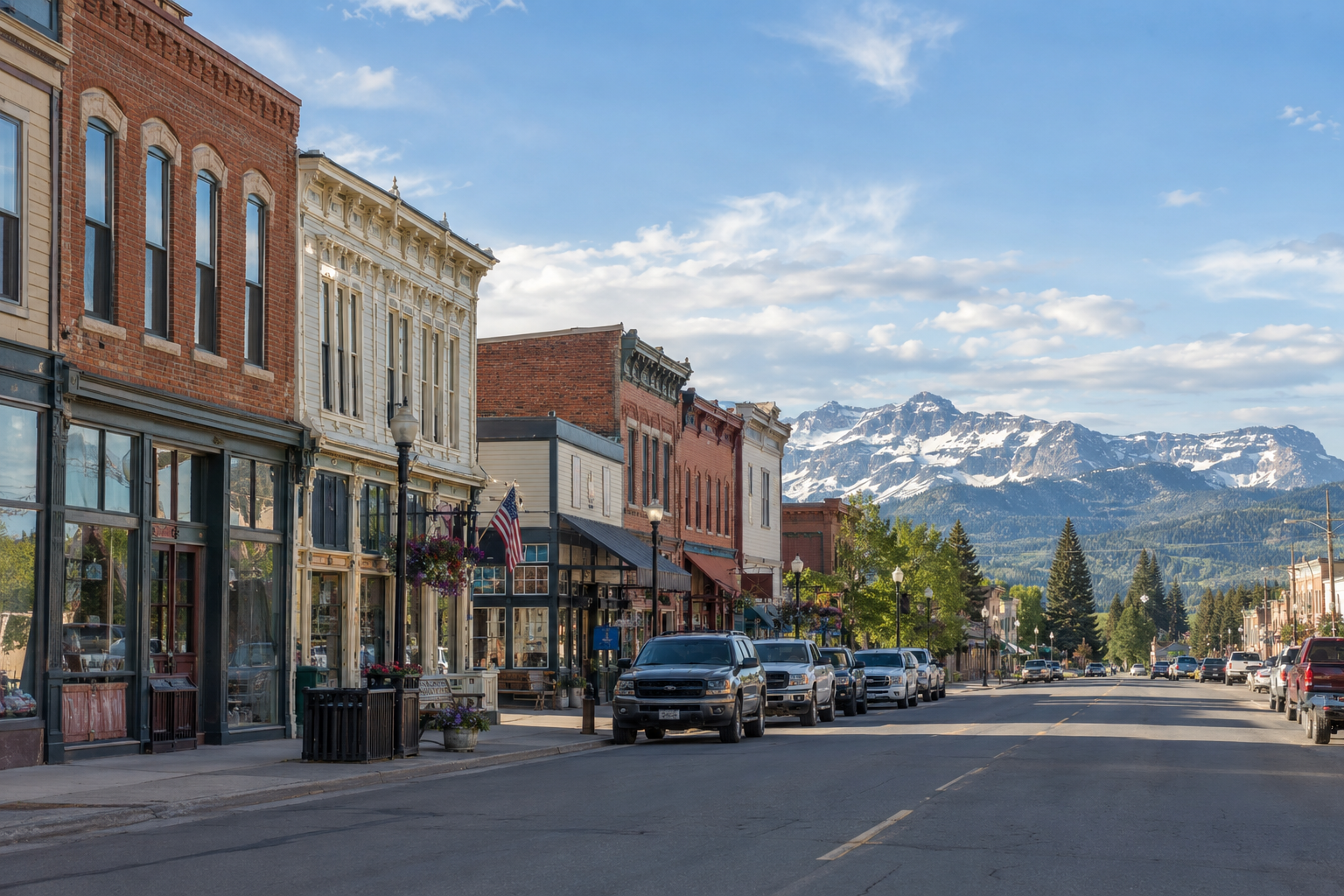
Pinedale's downtown developed during the 1880s and 1890s as a ranching and logging center, with commercial buildings reflecting frontier practicality mixed with modest Victorian details throughout the district. The Main Street in Pinedale retains much of its original layout and a significant percentage of period-appropriate structures, many recently restored to their original appearance. The town now serves as a gateway to outdoor recreation and maintains an active community role alongside its heritage value, making it a destination for style explorations of Wyoming's past.
Fun fact: Pinedale was named after a local rancher's daughter, Pinckney Sublette, though the spelling evolved into the current form—many early Wyoming settlements took similar liberties with naming conventions reflecting the informal nature of frontier expansion.
Tip: Pinedale is near the scenic Upper Green River and serves as a base for outdoor activities and historic exploration. Free street parking is available; visit in June through September for the best weather and full access to regional attractions. The Museum of the Mountain Man (admission charged) complements a downtown walking tour.
8. Lander's Historic Downtown: An Early Preservation Success
Lander, Wyoming
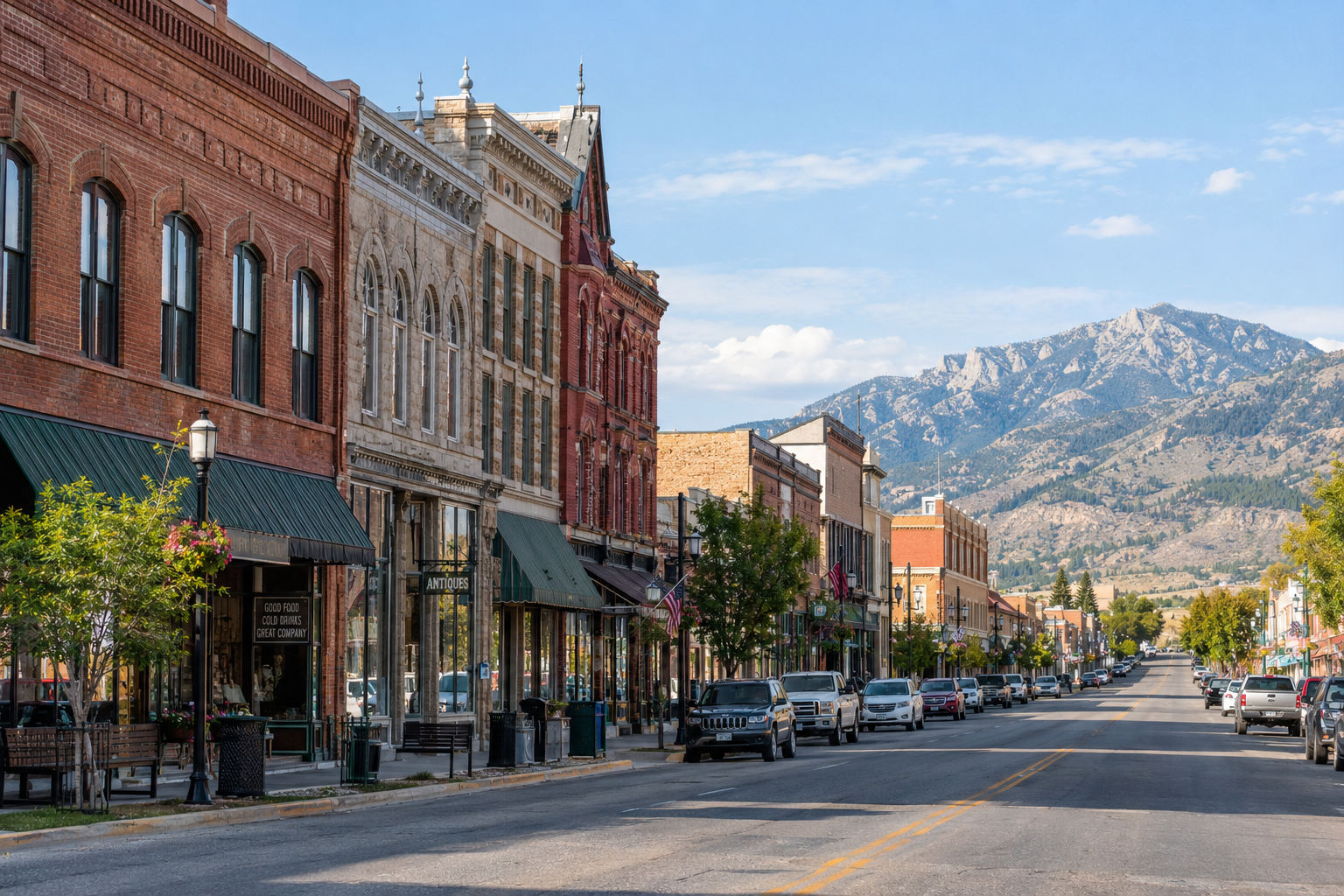
Lander's Main Street reflects boom-era architecture from the 1880s-1920s, with an unusually high percentage of well-preserved original structures in daily commercial use throughout the historic district. The downtown area features diverse architectural styles from Victorian to early Modern, representing different waves of investment as Lander's economy shifted from mining to ranching to tourism. Walking the six-block historic district in Lander reveals intact storefronts, hotels, and civic buildings that maintain both exterior and interior period character.
Fun fact: Lander was one of Wyoming's first towns to invest in historic preservation, beginning restoration efforts in the 1970s before most Western towns recognized the economic and cultural value of their older districts, establishing a model followed by communities across the state.
Tip: The Lander Downtown District is entirely walkable and free to explore. Parking is free and ample throughout downtown. The Lander Pioneer Museum (small admission) is located on Main Street and provides excellent context for identifying architectural styles and understanding the town's development periods.
9. The Frontier Character of Meeteetse
Meeteetse, Wyoming
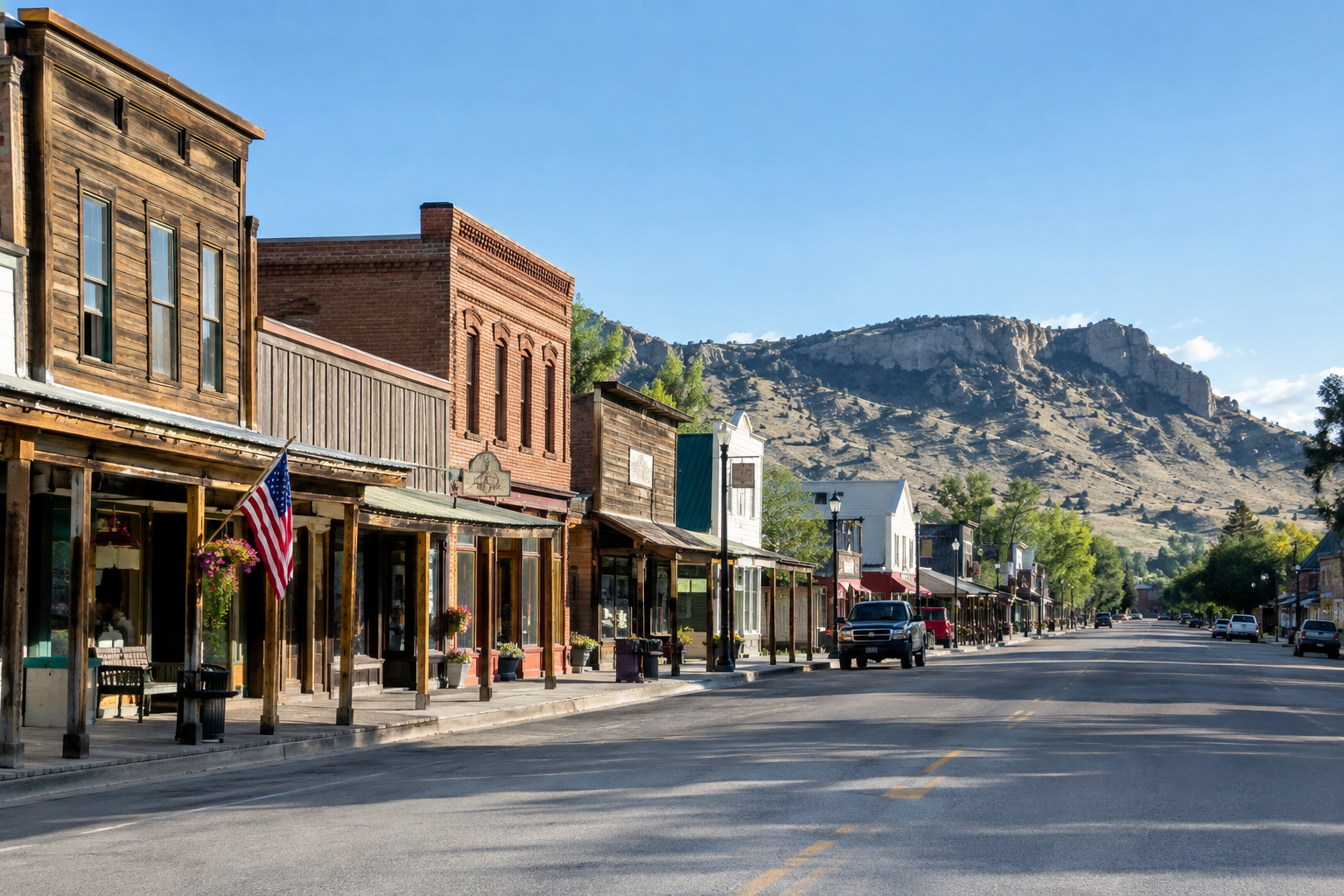
Meeteetse's small Main Street preserves the genuine character of an early 1900s frontier ranching and oil town that never underwent extensive modernization or commercialization for tourism purposes. Simple wood-frame and brick structures display original hardware, signs, and details worn by genuine age and use rather than restoration in Meeteetse's historic district. The town's small scale and continued local use make it feel like stepping back into functioning historical reality rather than a preserved museum street.
Fun fact: Meeteetse's name derives from Shoshone language meaning 'meeting place,' reflecting the location where Native American tribes and later settlers gathered on trails leading through the Absaroka Mountains during trade and migration periods.
Tip: Meeteetse is a 40-minute drive northwest of Thermopolis and serves well as a scenic detour during a Wyoming road trip. Free parking is abundant; the town has minimal commercial services, so plan accordingly. Visit spring through fall for reliable weather and access to nearby outdoor recreation and historic sites.
10. Dayton's Historic Main Street: Mountain Valley Setting
Dayton, Wyoming
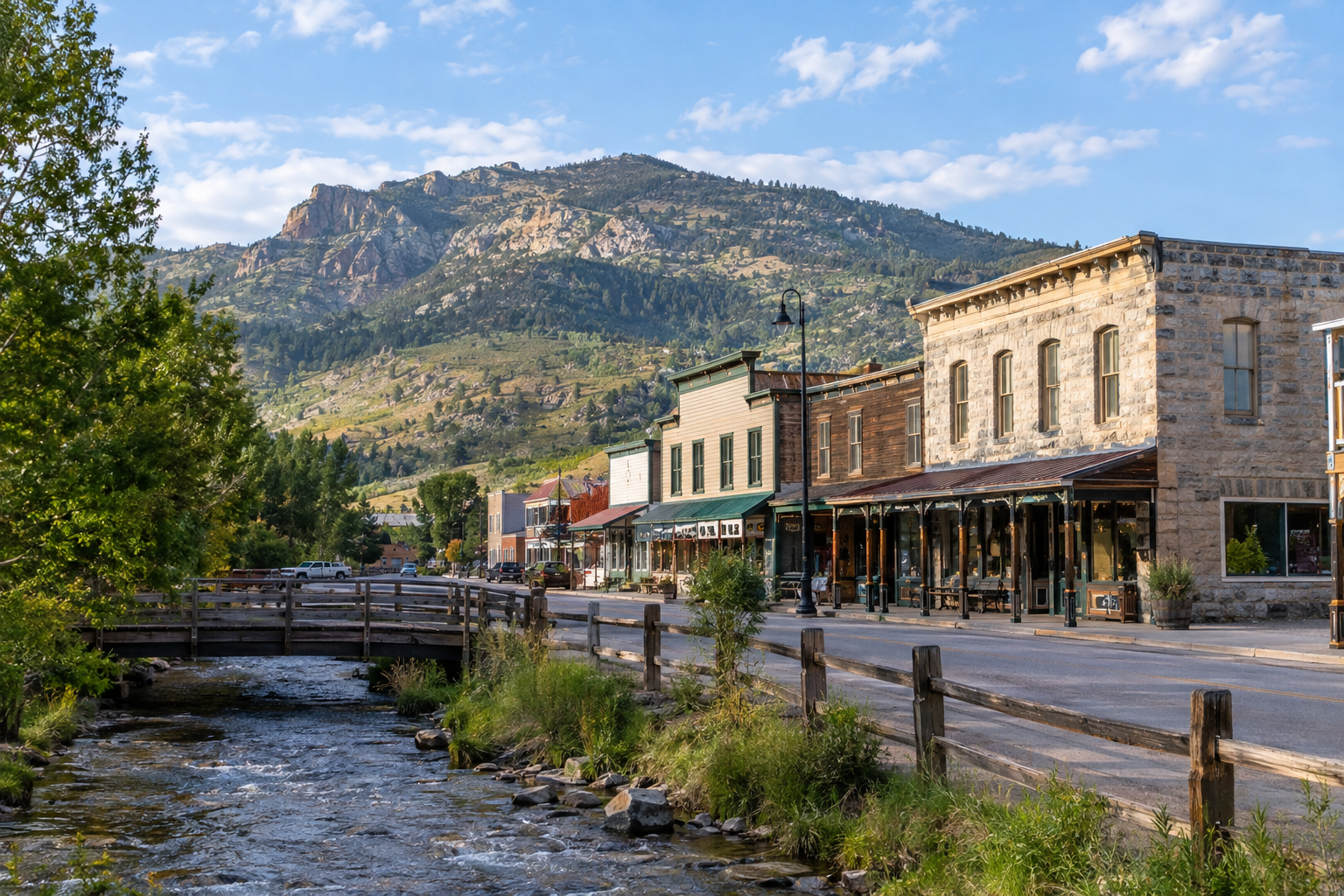
Dayton's tiny downtown comprises a cluster of original 1880s-1890s buildings positioned along a creek valley in the Bighorn Mountains foothills, creating one of Wyoming's most picturesque small-town settings for historic exploration. The historic saloon, hotel, and general store still operate or are carefully maintained in Dayton, providing authentic texture to a district that has resisted development pressure. The natural mountain backdrop and relatively unchanged street layout create a preserved time-capsule quality that appeals to heritage enthusiasts.
Fun fact: Dayton was established as a stop on the Bozeman Trail, an alternative route to the Oregon Trail, and served as a supply point for miners and settlers heading into Montana mining regions during the 1880s gold rushes, making it a crucial waypoint in Western expansion.
Tip: Dayton is a scenic 30-minute drive north of Sheridan and makes an excellent pairing with a Sheridan visit for a comprehensive northern Wyoming road trip. Free parking is adjacent to the historic district. The Dayton Mercantile building is worth exploring; several local businesses operate seasonally, so summer and early fall provide the best access.
Wyoming's historic Main Streets reward travelers who slow down and step off the highway. Plan your next road trip around these authentic towns and experience the frontier heritage that shaped the American West, discovering how preservation efforts have maintained these districts as living, functioning communities rather than museum exhibits.
Frequently asked questions
What is the best time of year to visit Wyoming's historic Main Streets?
Late May through September offers the most reliable weather and full access to historic buildings, museums, and local businesses throughout these small towns. Many rural Wyoming communities have limited winter hours or seasonal closures for museums and specialty shops. Spring and fall provide excellent visiting conditions with fewer crowds than peak summer months, making these seasons ideal for unhurried exploration.
Are Wyoming's historic downtowns accessible year-round?
Most historic Main Streets remain accessible year-round for walking tours, though some museums and specialty shops operate seasonally. Winter weather in Wyoming can be severe, particularly in higher elevations around towns like Saratoga and Pinedale. Call ahead to confirm hours during winter months, and check road conditions before traveling to remote communities.
Do I need to hire a guide to explore these historic districts?
Guides are not necessary for walking tours of the Main Streets themselves, which are free to explore independently. However, local museums and heritage organizations offer guided tours that provide deeper historical context and architectural knowledge. Individual town visitor centers, often located on or near Main Street, provide free self-guided tour maps and historical information.
Which Wyoming historic towns are closest together for an efficient road trip?
Sheridan, Dayton, and Buffalo form a compact cluster in northern Wyoming (45-60 minutes apart), ideal for a 2-3 day itinerary. Saratoga and Laramie are 45 minutes apart in south-central Wyoming. Cody and Meeteetse are 40 minutes apart in northwestern Wyoming. These regional groupings allow efficient multi-day road trip planning.
Are these historic towns appropriate for families with children?
Yes, these Main Streets are family-friendly destinations with accessible sidewalks, free public spaces, and nearby recreational activities. Museums vary in their appeal to different age groups; several towns have outdoor attractions like hot springs, parks, and fishing alongside historic exploration, making them suitable for mixed-age family groups.