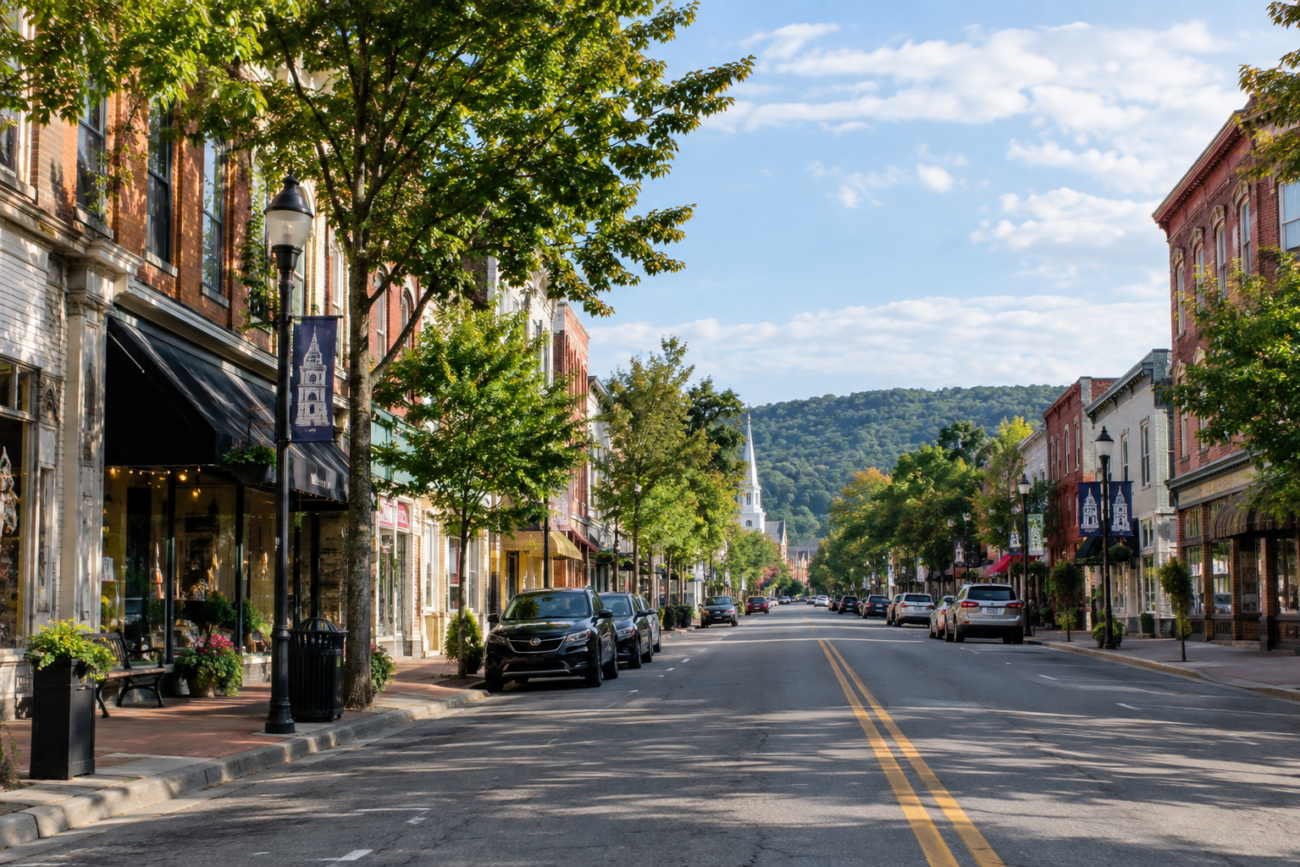
West Virginia's most compelling cities often sit quietly beyond the main highways and popular destinations. These five underrated West Virginia cities—Lewisburg, Harpers Ferry, Wheeling, Charleston, and Martinsburg—offer authentic Appalachian character, thriving local arts scenes, and genuine reasons to linger longer than a quick pit stop. Whether you're seeking Civil War history, riverside walks, or Victorian architecture, these mountain towns reward curious travelers willing to venture beyond the typical tourist trail.
1. Lewisburg
Lewisburg, West Virginia
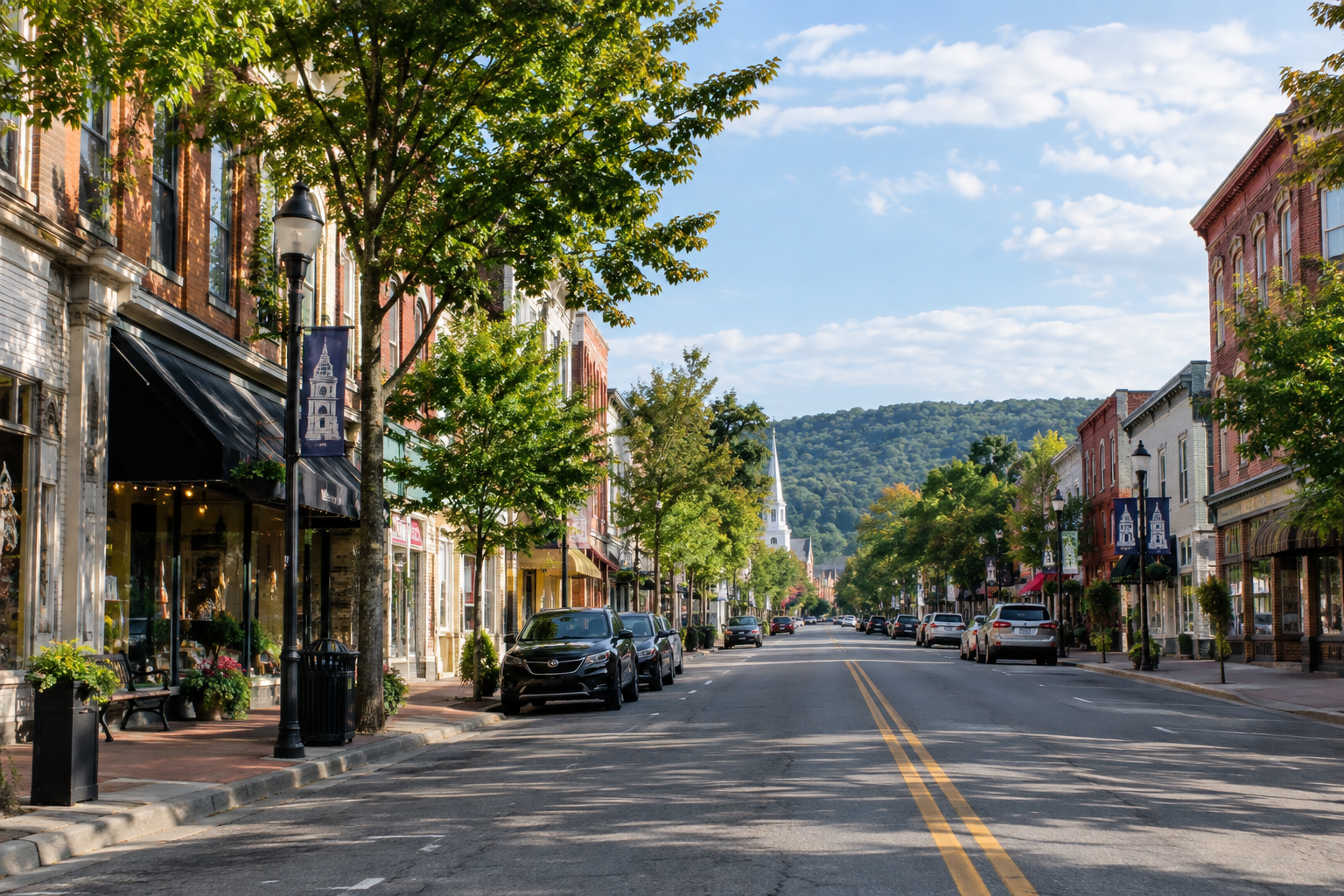
Lewisburg's tree-lined downtown in Greenbrier County showcases 19th-century brick buildings housing locally owned shops, galleries, and restaurants. This antebellum town offers genuine cultural activity through seasonal farmers markets, art galleries, and a growing restaurant scene without the infrastructure crowds of larger destinations. The city sits within reach of New River Gorge National Park, making Lewisburg an ideal base for hiking and outdoor exploration while maintaining small-town hospitality. Walking tours reveal Civil War history and the town's former prominence as a health resort destination.
Fun fact: Lewisburg served as a Confederate camp during the Civil War and later attracted wealthy visitors seeking mineral spring treatments in the 1800s, establishing itself as a destination spa town before modern tourism infrastructure existed.
Tip: Visit on Saturday morning for the seasonal farmers market (spring through fall). Free downtown parking is available, and the Lost River Brewing Company offers locally made beer while exploring the historic district. Plan two to three hours for a thorough downtown walk.
2. Harpers Ferry
Harpers Ferry, West Virginia
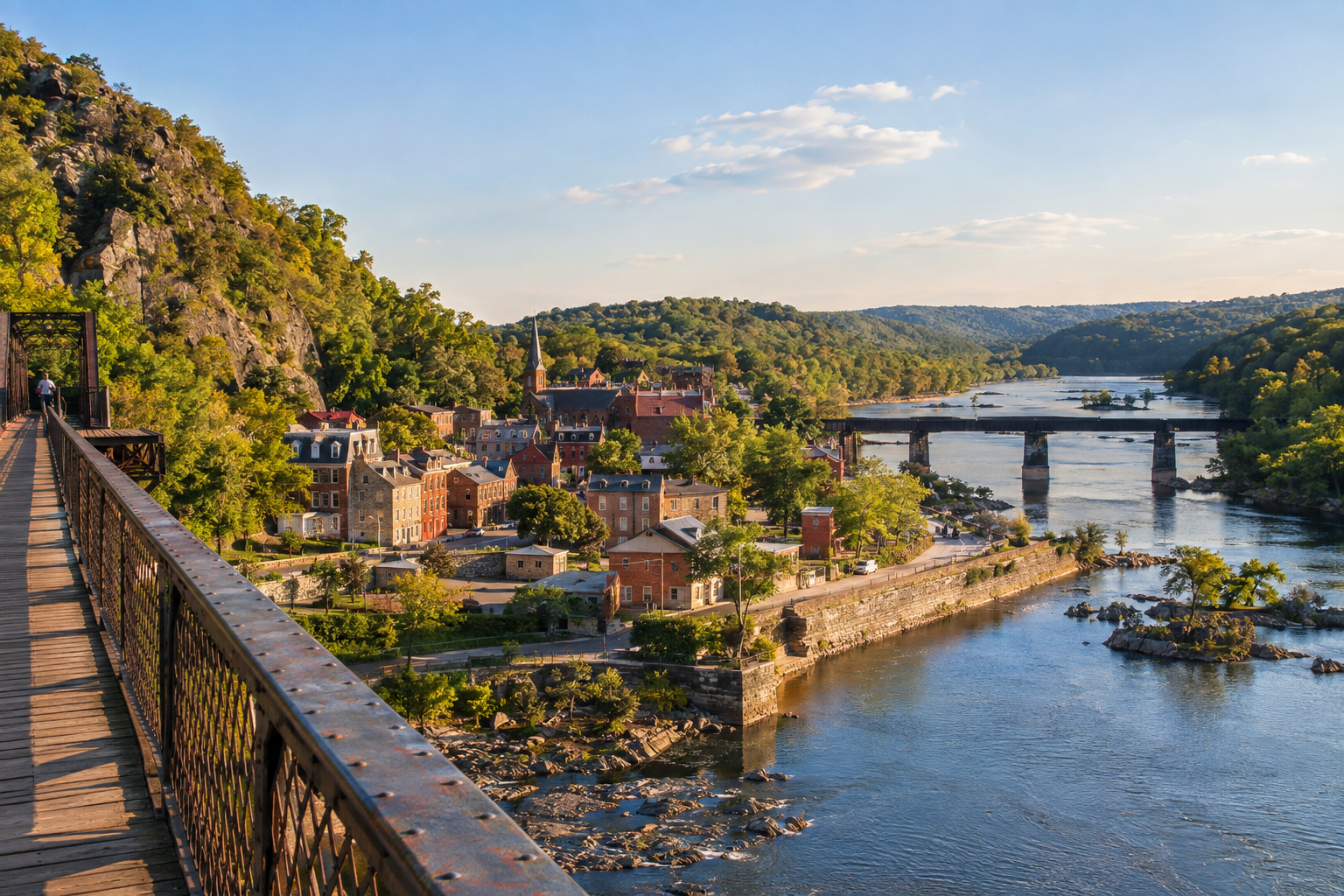
Harpers Ferry sits at the confluence of the Shenandoah and Potomac Rivers, blending Civil War history with outdoor recreation and a walkable village atmosphere. The National Historical Park preserves the town's pivotal role in American history through restored buildings and interpretive exhibits, while the Appalachian Trail runs directly through Harpers Ferry, making it beloved by hikers and history buffs alike. Quieter residential streets reveal a living community beyond the famous raid site, with local restaurants and galleries serving both visitors and year-round residents. The town's compact footprint makes it accessible for a weekend trip from nearby Virginia or Washington, D.C.
Fun fact: John Brown's 1859 raid on the federal armory became a catalyst event leading toward the Civil War, and the restored buildings now tell stories of enslaved people, abolitionists, and the conflict's origins through primary source exhibitions.
Tip: Park at the visitor center lot and walk everywhere—the historic district is compact and pedestrian-friendly. Visit on a weekday in fall for fewer crowds and pleasant hiking weather on nearby Appalachian Trail sections. The town quiets considerably after 5 PM, offering peaceful evening exploration.
3. Wheeling
Wheeling, West Virginia
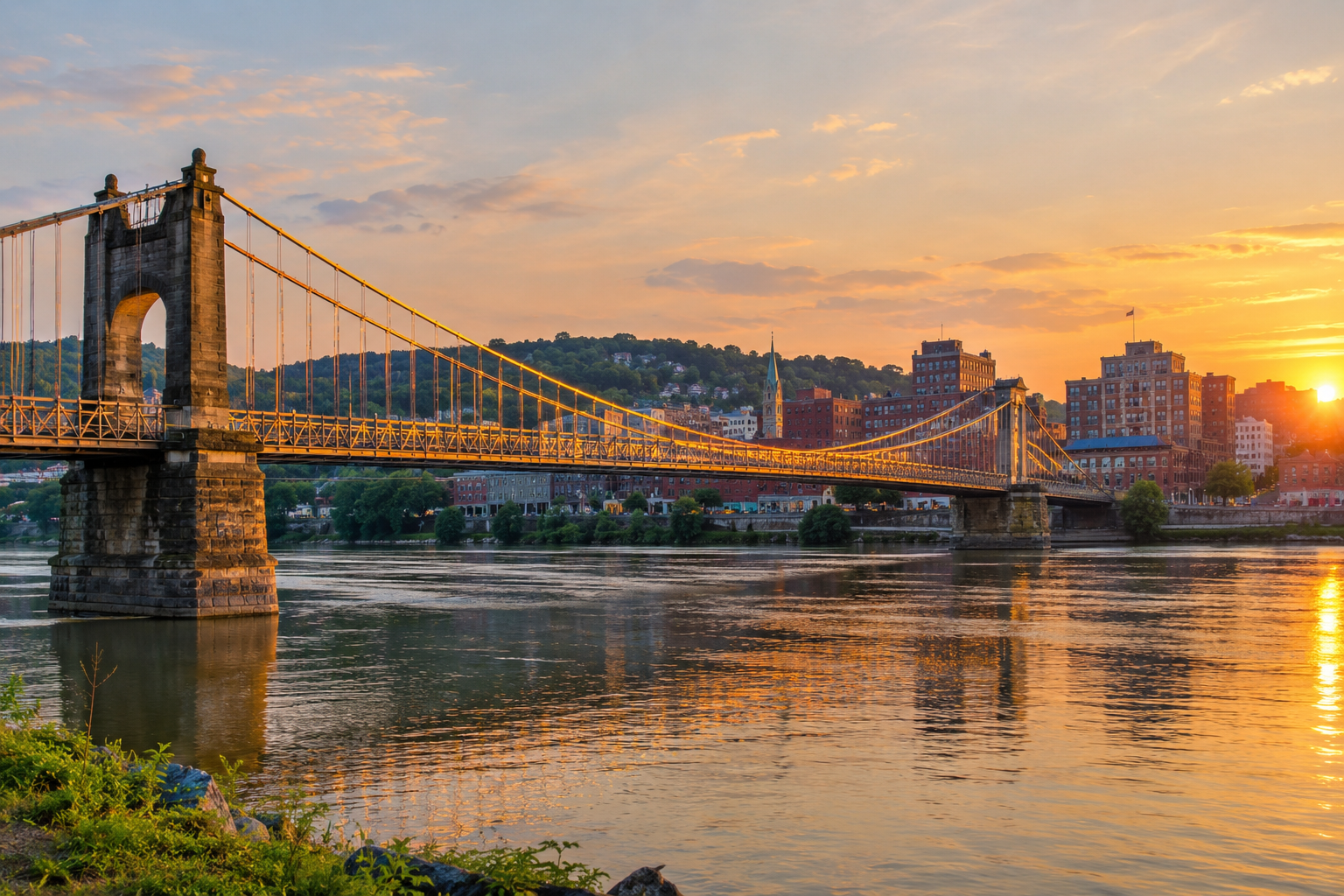
Wheeling, West Virginia's northern gateway on the Ohio River, is a Victorian-era manufacturing hub quietly reclaiming its cultural identity through restored theaters, a growing food scene, and river district revitalization. The Wheeling Suspension Bridge stands as a 19th-century engineering marvel that feels less touristy than comparable structures elsewhere. The city's compact downtown invites walking, with residents taking genuine pride in supporting local businesses, galleries, and eateries. The nearby Wheeling Island offers river recreation, while Oglebay Park provides natural beauty and free admission for scenic overlooks and seasonal gardens.
Fun fact: The Wheeling Suspension Bridge, completed in 1849, was the longest single-span suspension bridge in the world at that time and remains one of the oldest continuously used suspension bridges in America.
Tip: Oglebay Park offers free admission and features gardens, wildlife exhibits, and scenic overlooks—perfect for a free afternoon activity. Street parking downtown is plentiful and free. Visit during the Festival of Lights (November-January) for festive atmosphere, or in spring and fall for pleasant weather and minimal crowds.
4. Charleston
Charleston, West Virginia

Charleston, West Virginia's capital, deserves attention as an overlooked East Coast destination with a riverfront walkway, respected cultural institutions, and a growing local restaurant and brewery scene. The city center maintains genuine walkability without the crowds typical of larger regional hubs, and Yeager Airport provides direct access from multiple regions. The West Virginia State Capitol's architectural distinction, combined with nearby Kanawha Falls for river recreation and natural beauty, makes Charleston a compelling weekend destination. The Clay Center for the Arts and Sciences offers frequent performances and exhibitions rooted in regional culture.
Fun fact: The West Virginia State Capitol's distinctive golden dome is made of 24-karat gold leaf and was rebuilt in the 1930s after the original structure burned in 1921, symbolizing the state's resilience during economic hardship.
Tip: Park downtown with inexpensive metered parking and explore on foot. Check the Clay Center for the Arts and Sciences schedule before visiting—they frequently host free or discounted community performances. The riverfront walkway offers free access for walking, running, or cycling regardless of season.
5. Martinsburg
Martinsburg, West Virginia
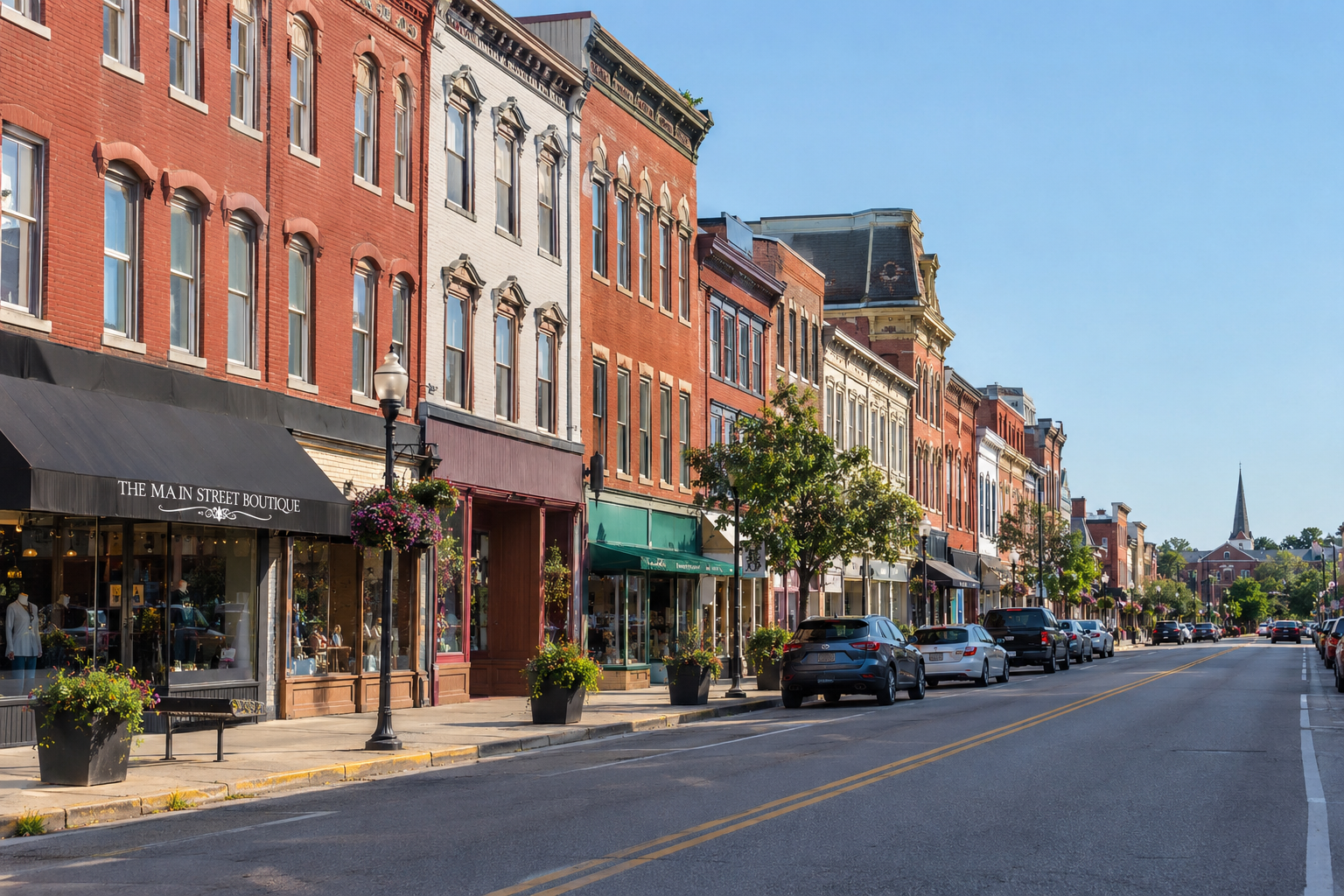
Martinsburg in Berkeley County sits at the crossroads between Washington, D.C., and the Shenandoah Valley, making it an easy drive from major cities while maintaining thoroughly West Virginian character. Historic Queen Street features antique shops, coffee roasters, and galleries in restored Victorian storefronts, while B&O Railroad heritage runs deep through the town's identity and museums. Martinsburg offers mountain proximity without the isolation of higher ridge communities, positioning it as an ideal base for exploring both the state's interior and nearby Virginia destinations. The town's walkable downtown and preserved architecture reflect its significance during the railroad era and industrial boom.
Fun fact: Martinsburg's B&O Railroad Roundhouse, built in 1866, was one of the largest roundhouses in the world and remains a testament to the town's industrial significance during the railroad expansion era across Appalachia.
Tip: Visit the Martinsburg Railroad Museum for free on weekdays or by appointment; call ahead to confirm hours. Street parking is plentiful downtown. The Apple Harvest Festival in October draws locals and visitors without overwhelming the small-town character. Spring and fall offer ideal walking weather for exploring Queen Street.
Each of these West Virginia cities reveals a different facet of the state's identity: antebellum history, railroad heritage, river culture, and Appalachian resilience. Plan a long weekend exploring one or two, or string them together into a regional road trip, and you'll discover why locals keep returning to these overlooked mountain communities.
Frequently asked questions
When is the best time to visit these underrated West Virginia cities?
Fall (September-October) offers comfortable hiking weather, stunning foliage, and fewer crowds than summer, making it ideal for exploring downtown areas and nearby trails. Spring (April-May) brings wildflowers, mild temperatures, and outdoor recreation opportunities. Winter visitors enjoy quieter streets and access to indoor attractions like museums and galleries without peak-season crowds.
How far are these West Virginia cities from major cities?
Harpers Ferry and Lewisburg are within two hours of Virginia and Washington, D.C. Wheeling sits directly on the Ohio border, accessible from Pittsburgh and Cincinnati. Martinsburg is just an hour from the Virginia state line and 90 minutes from D.C., making it ideal for weekend trips from the East Coast. Charleston has commercial air service via Yeager Airport for access from multiple regions.
What outdoor activities are available in these underrated West Virginia cities?
Lewisburg offers hiking access to and local trails. Harpers Ferry sits directly on the and provides river recreation. Wheeling offers riverfront walking paths and free Oglebay Park access. Charleston provides river kayaking and the Kanawha Falls area for outdoor exploration. Martinsburg connects to nearby Shenandoah hiking and mountain biking opportunities.
Are these cities walkable for downtown exploration?
Yes. Lewisburg, Harpers Ferry, Wheeling, Charleston, and Martinsburg all feature compact, pedestrian-friendly downtown areas where parking is free or inexpensive and attractions sit within 15-20 minute walks of each other. Each downtown has locally owned shops, galleries, and restaurants accessible on foot, making them ideal for weekend day-trip exploration.
Can I visit multiple cities in one trip?
Absolutely. Lewisburg and Harpers Ferry work as a long weekend loop separated by 90 minutes of driving. Wheeling and Martinsburg pair well together in northern West Virginia, separated by 90 minutes. Charleston works as a standalone destination or a central hub for exploring the state's interior.