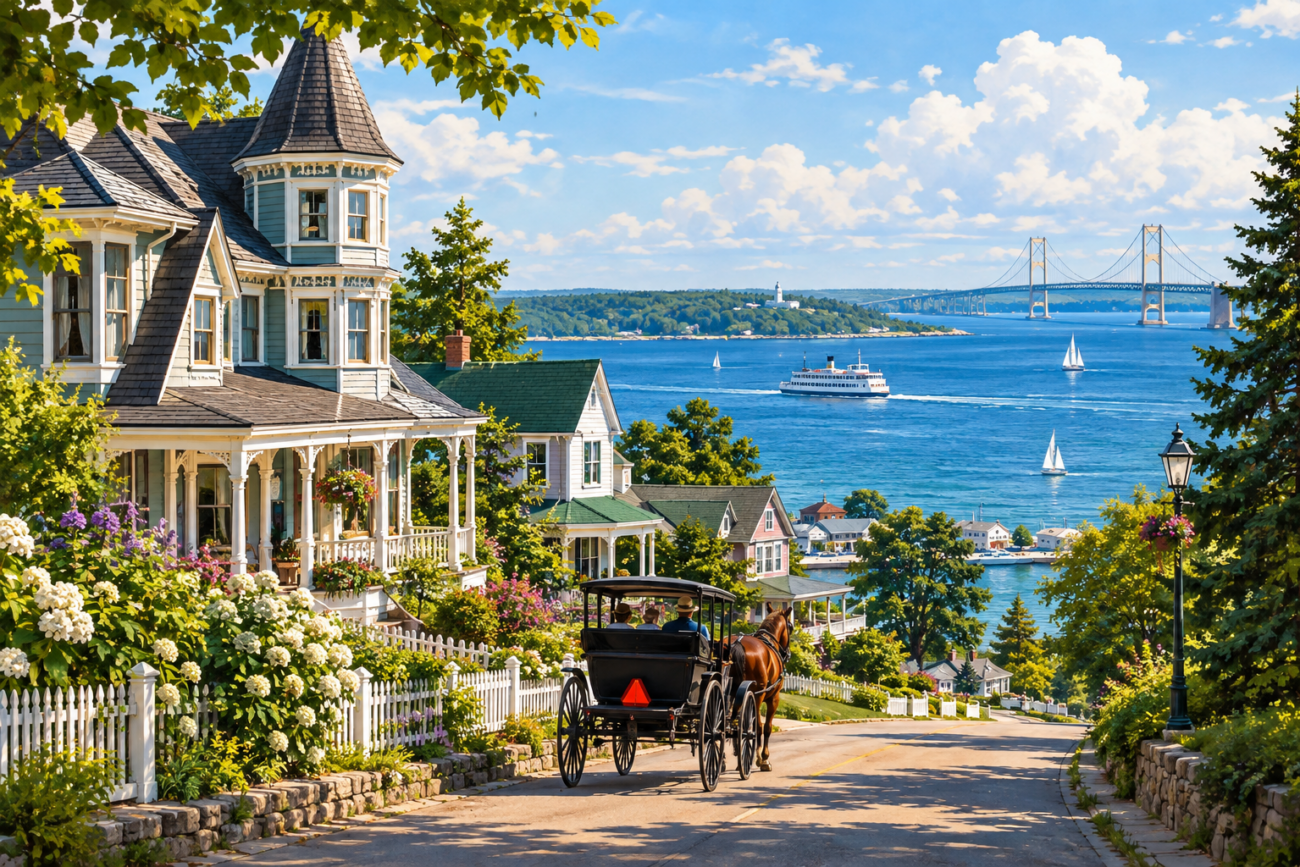
America’s small towns frozen in time hold some of the nation’s most authentic and nostalgic treasures, offering visitors a genuine glimpse into earlier eras. These 15 charming small towns across the United States have managed to preserve their historic character, vintage architecture, and small-town spirit despite the march of modernity. Whether you’re seeking a peaceful escape or a step back in time, these hidden gems and best places to visit deliver genuine Americana at its finest. Planning a weekend trip or road trip to these preserved towns is the perfect way to experience authentic American heritage.
1. Mackinac Island, Michigan
Mackinac Island, Michigan
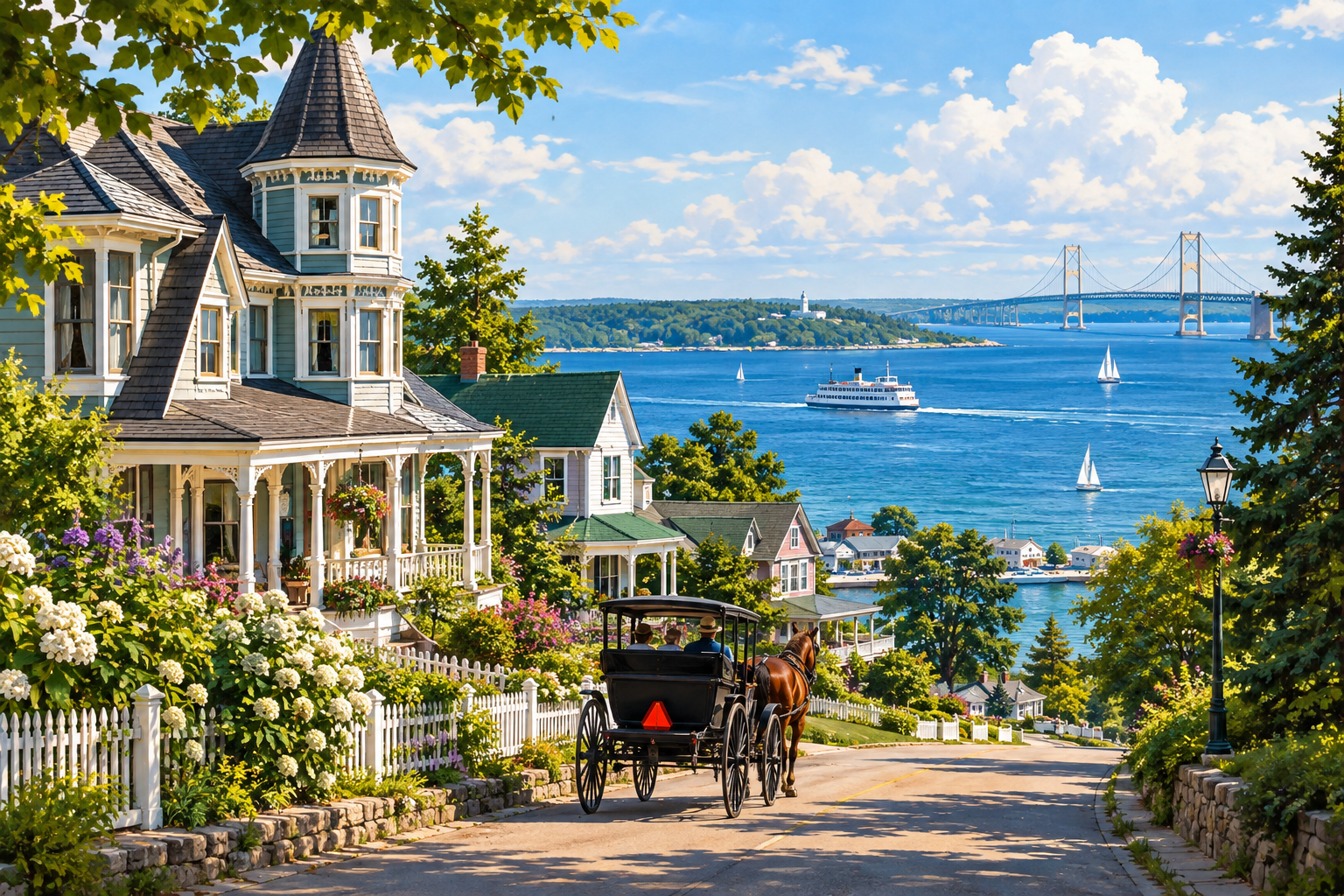
This Victorian-era island community in Michigan bans automobiles, making it feel genuinely frozen in the 1800s as visitors navigate via horse-drawn carriages and bicycles. The Grand Hotel, built in 1887, still welcomes guests with its famous 660-foot porch overlooking the Strait of Mackinac. Salt water taffy shops and Victorian cottages line the streets of this Michigan gem, transporting you straight into the past.
Fun fact: Mackinac Island has maintained its no-car policy since 1898, making it one of the few places in America where horses outnumber vehicles.
Tip: Visit in late spring or early fall for fewer crowds and better weather; ferry fare runs about $30 per person roundtrip, plus island attractions have admission fees.
2. St. Genevieve, Missouri
St. Genevieve, Missouri
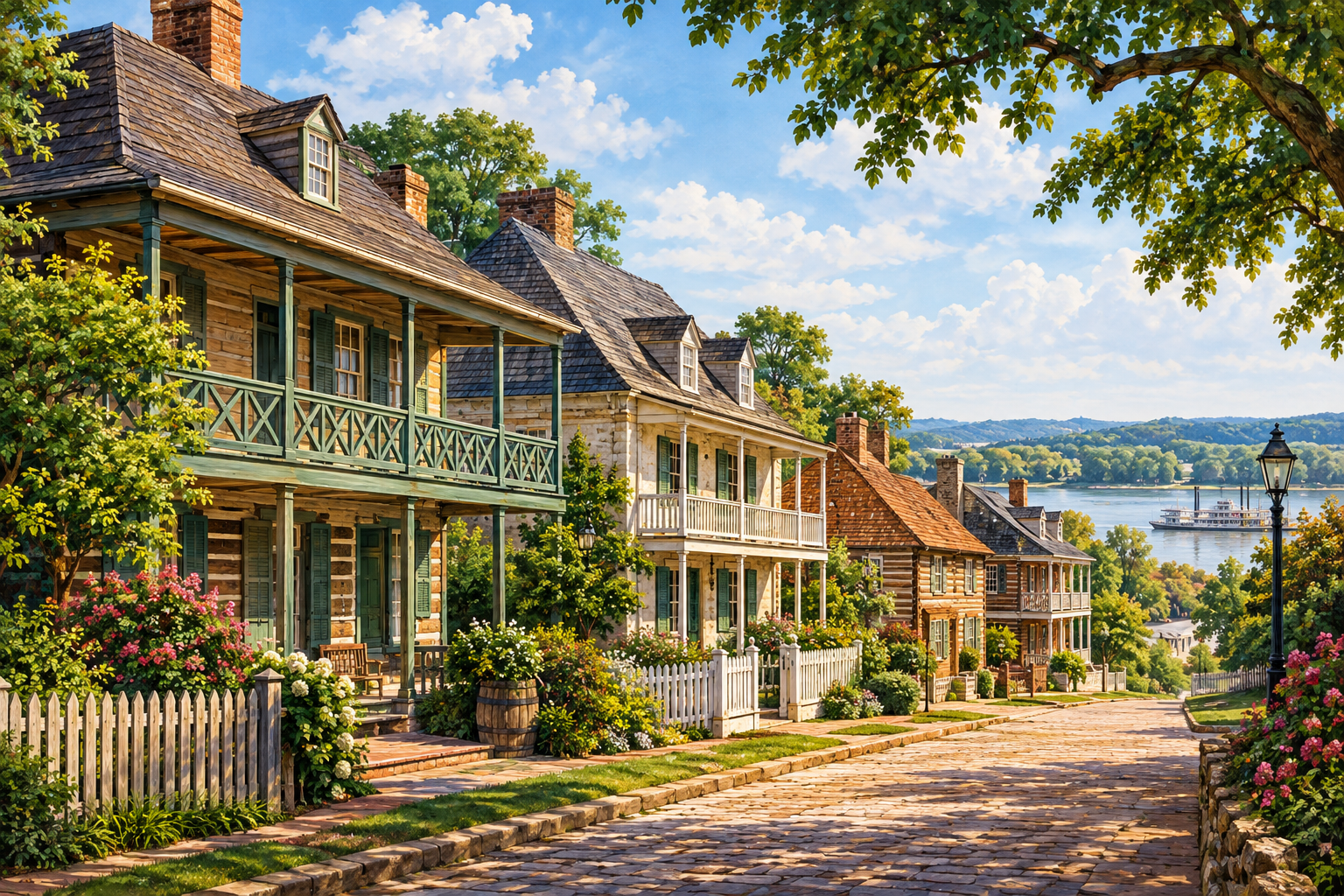
Missouri’s oldest permanent European settlement preserves rare French Colonial architecture dating to the 1700s that survived the great fire of 1794. Located in eastern Missouri along the Mississippi River, this charming small town features Creole-style homes with steep roofs and external galleries creating an authentically preserved French village atmosphere in the American heartland. Museums and historic house tours in St. Genevieve offer windows into 18th-century frontier life.
Fun fact: St. Genevieve is home to the oldest continuous European settlement west of the Mississippi River, established in 1735.
Tip: Many historic homes offer free exterior viewing; paid guided tours inside homes typically cost $5-8 each; visit during spring to see blooming gardens.
3. Takoma Park, Maryland
Takoma Park, Maryland
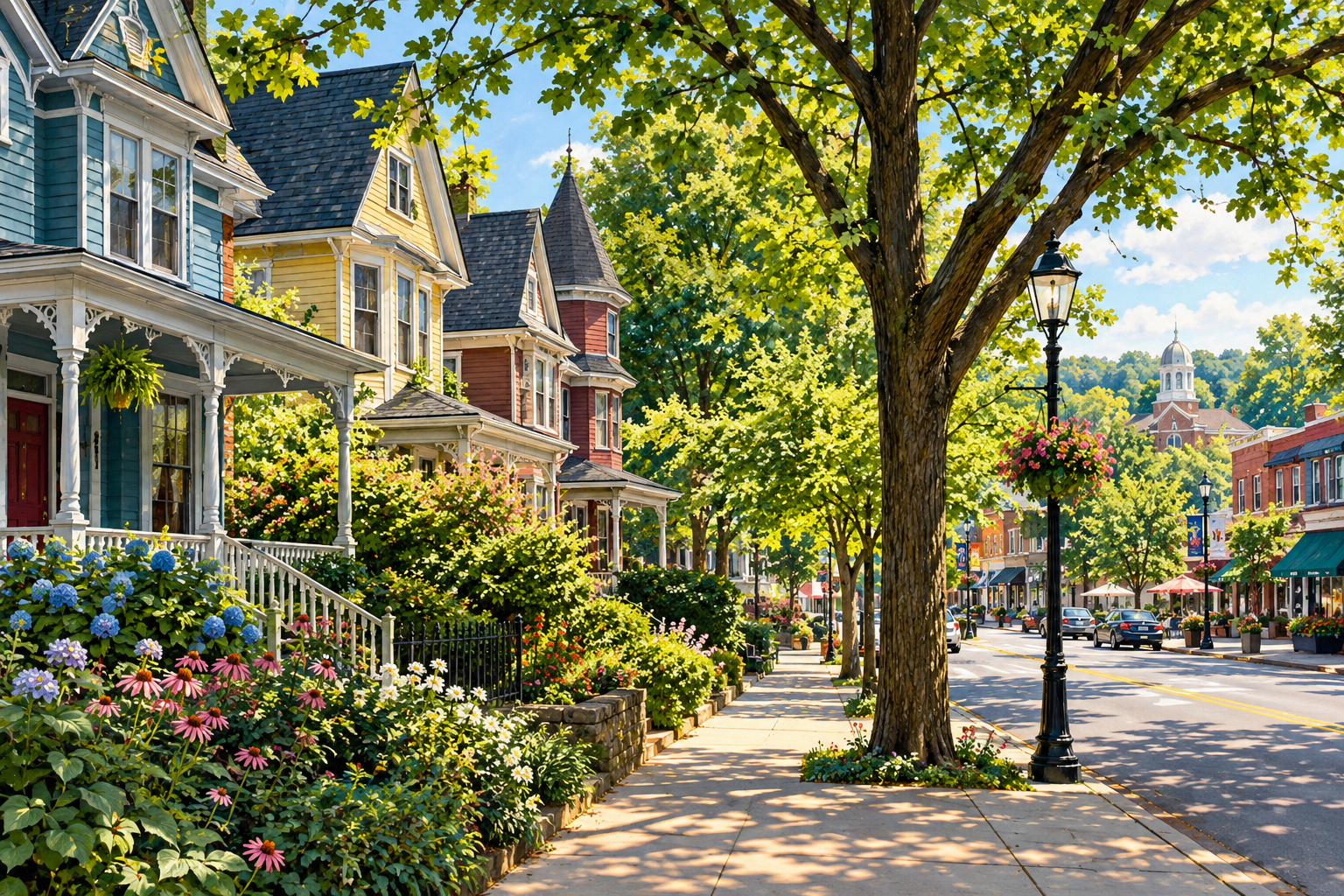
This Victorian streetcar suburb just outside Washington, D.C. maintains its early 1900s charm with tree-lined streets in Maryland, gingerbread-trimmed cottages, and a car-free downtown district. Local shops and cafes preserve the intimate community feel despite proximity to the nation’s capital. The town of Takoma Park embraces its bohemian, progressive heritage while maintaining historic aesthetics perfect for a weekend trip.
Fun fact: Takoma Park was designed as a planned community in 1883 and was originally named after a Native American word meaning ‘high and dry.’
Tip: Parking is free at the municipal lot on Philadelphia Avenue; most shops and restaurants are walkable; visit the farmers market on Sundays year-round.
4. Harpers Ferry, West Virginia
Harpers Ferry, West Virginia
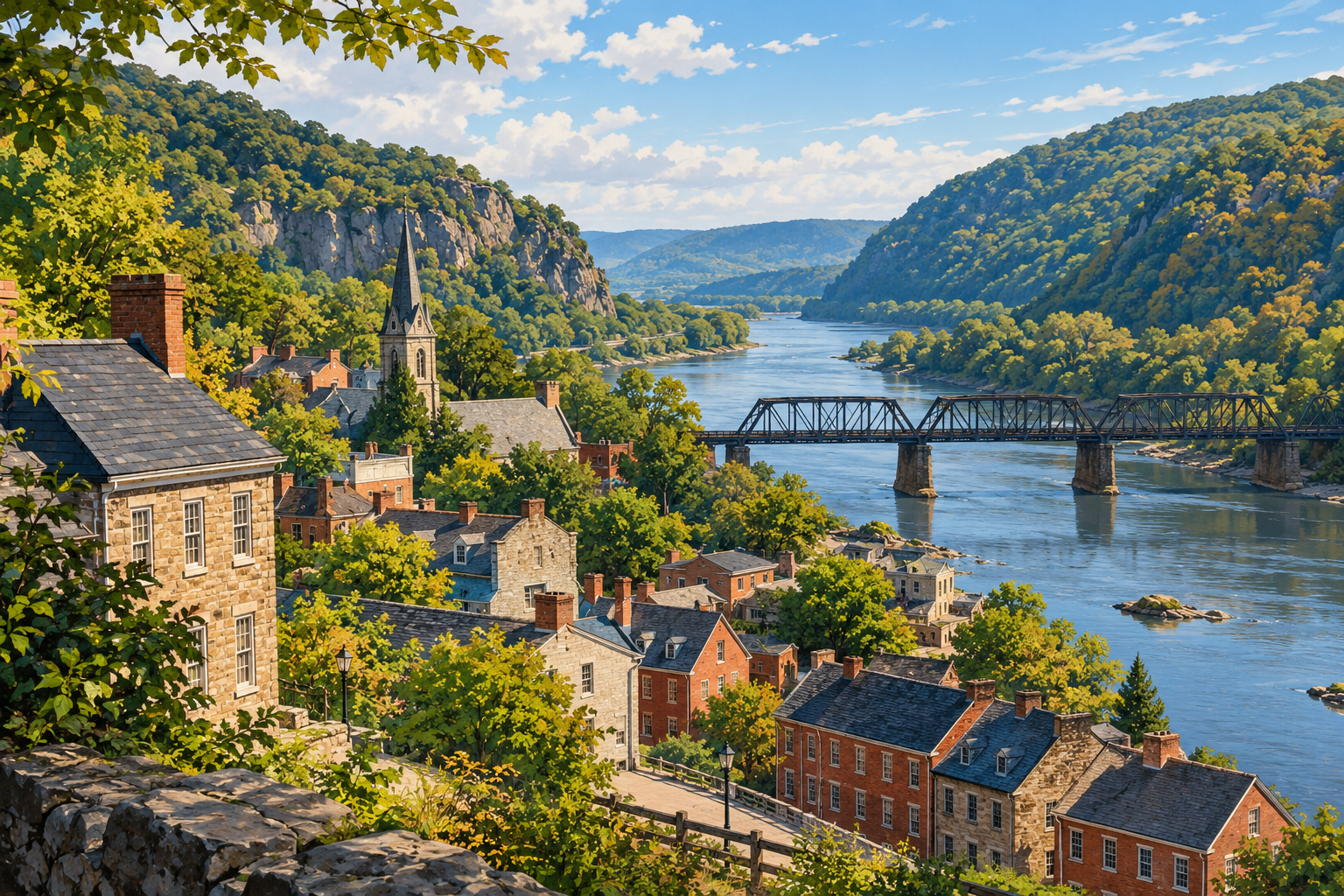
This historic river town in West Virginia where the Shenandoah and Potomac rivers meet retains its Civil War-era character with preserved brick buildings dating to the 1800s. The National Historical Park protects authentic structures including John Brown’s Fort and historic armory ruins in Harpers Ferry. Steep hillside streets and authentic period architecture create an immersive historical experience for visitors to this West Virginia destination.
Fun fact: Harpers Ferry was the site of John Brown’s 1859 raid on the federal armory, a pivotal event leading to the Civil War.
Tip: The National Historical Park charges $12 per vehicle or $6 per person; park on the outskirts and take the shuttle bus into town; best visited mid-week for smaller crowds.
5. Sag Harbor, New York
Sag Harbor, New York
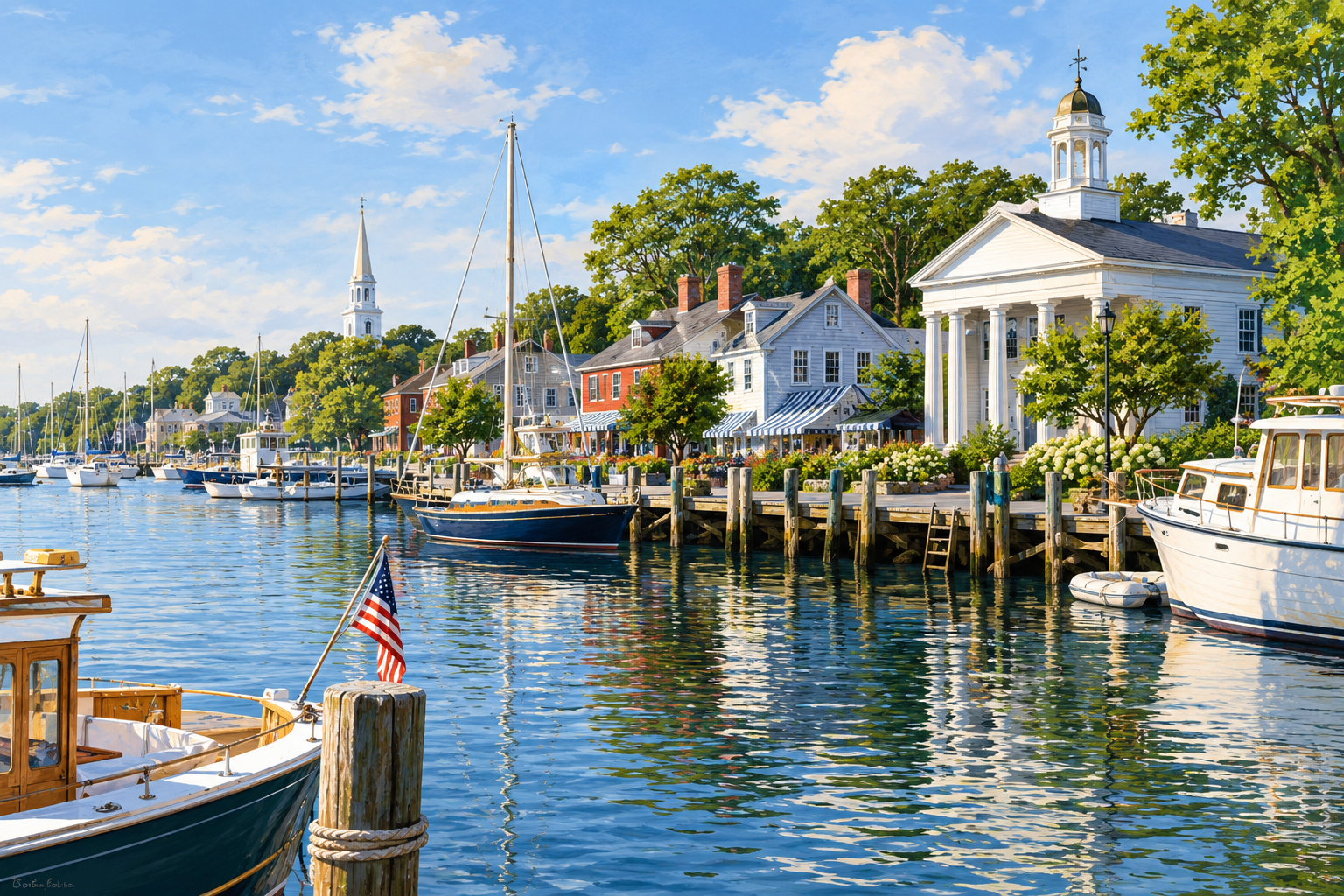
This charming Long Island whaling village features a perfectly preserved 18th and 19th-century waterfront with Greek Revival architecture and maritime heritage still evident throughout. The Main Street in Sag Harbor preserves the prosperity of the whaling era with elegant Federal-style homes and boutique shops. The picturesque harbor and intimate scale of this New York coastal town make it feel genuinely removed from time despite Hamptons proximity.
Fun fact: Sag Harbor was once the second-largest whaling port in America during the early 1800s, rivaling New Bedford, Massachusetts.
Tip: Visit on weekdays in shoulder seasons (May or September) to avoid weekend crowds and summer tourists; street parking is free but limited; the waterfront is perfect for strolling.
6. Galena, Illinois
Galena, Illinois
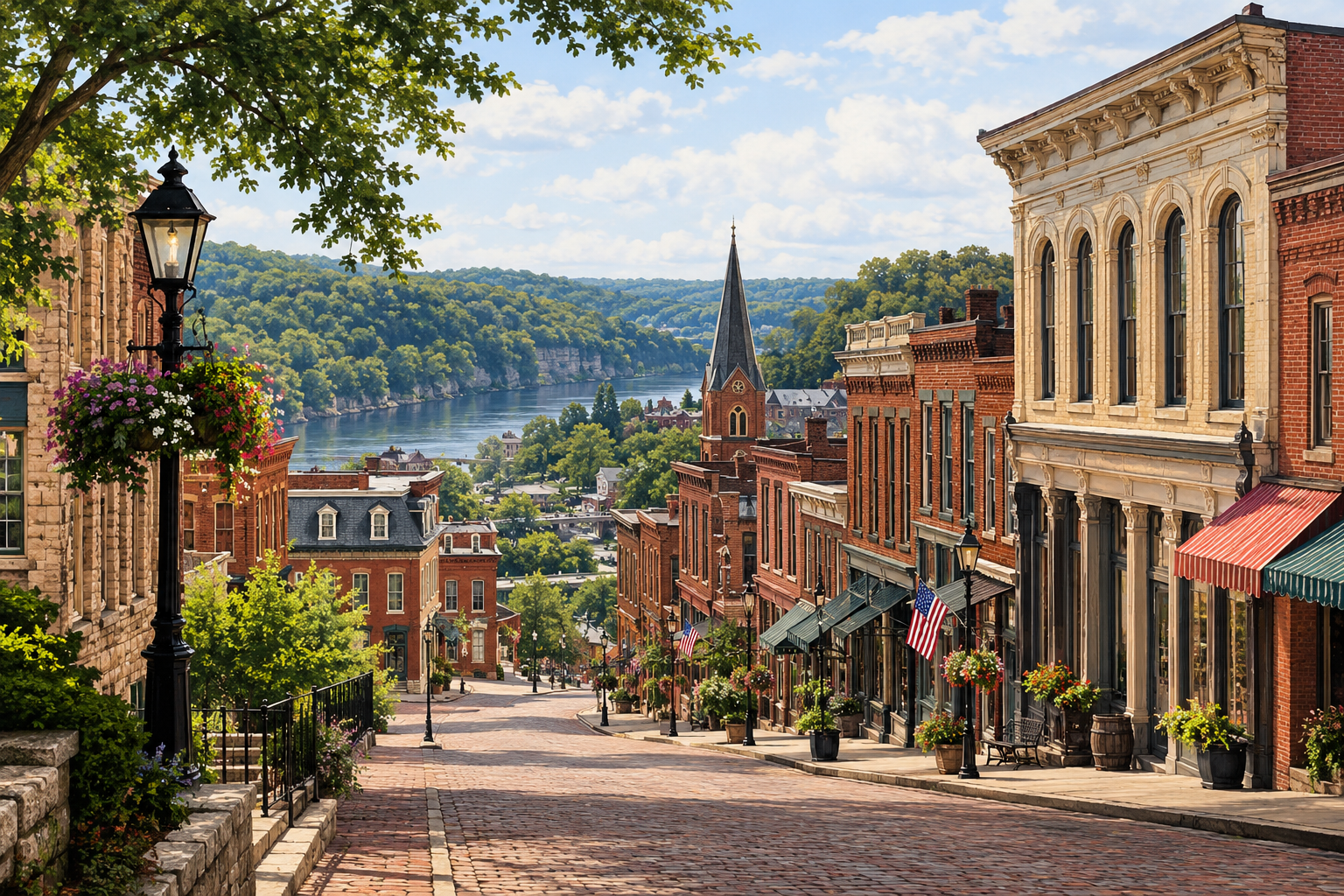
Perched in northwest Illinois, this hilltop lead-mining town’s Main Street is lined with perfectly preserved Federal and Greek Revival buildings from the 1800s. The town of Galena’s wealth from lead mining stopped development, sealing this Illinois gem in time with genuine historic character rather than modern recreations. Galleries, antique shops, and restaurants now occupy historic storefronts along the charming streets of Galena.
Fun fact: Galena was the home of President Ulysses S. Grant, whose house still stands as a museum overlooking the town and valley below.
Tip: Free street parking throughout downtown; many shops and galleries are free to browse; the Galena Historical Society charges $8 for home tours; visit weekdays for a quieter experience.
7. St. Augustine, Florida
St. Augustine, Florida
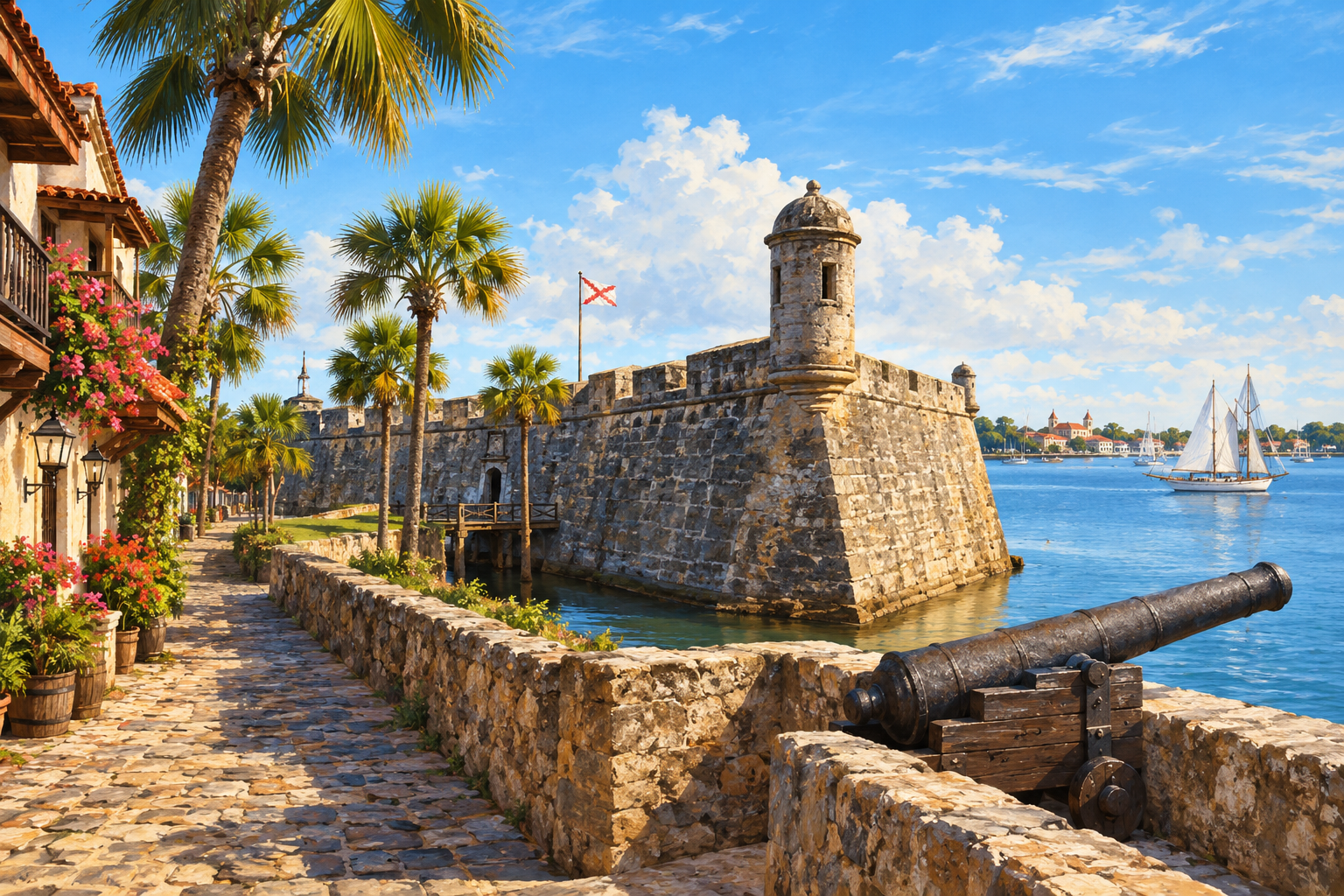
America’s oldest continuously occupied European settlement, St. Augustine preserves Spanish Colonial architecture and Castillo de San Marcos, a formidable 17th-century fort still standing guard over the historic district in Florida. Cobblestone streets wind past colonial buildings, horse-drawn carriages, and gas lamps creating an immersive experience of European settlement America. The city of St. Augustine successfully balances tourism with authentic historic preservation.
Fun fact: St. Augustine was founded in 1565, making it the oldest continuously occupied European settlement in the continental United States, 42 years before Jamestown.
Tip: Free street parking is limited in historic district; visit the Castillo de San Marcos ($15) early morning for fewer crowds; many historic buildings have free exteriors to view and photograph.
8. Jerome, Arizona
Jerome, Arizona
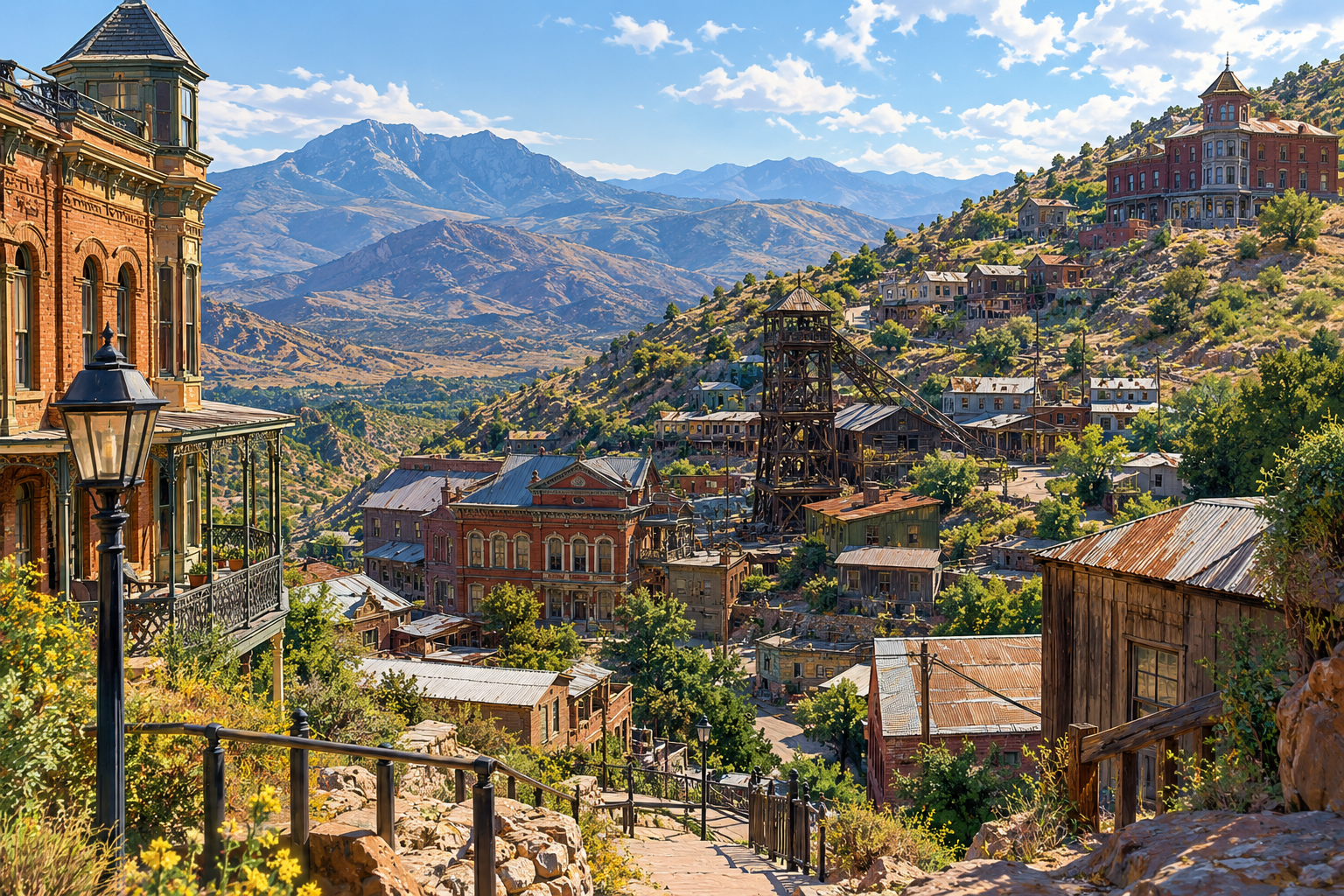
High in the Black Hills, this once-booming copper mining town in Arizona has been beautifully preserved as a living ghost town with original storefronts, galleries, and quirky shops housed in 1890s mining-era buildings. The town’s steep hillside streets and ramshackle Victorian structures create an authentically decrepit-yet-charming atmosphere. Jerome, Arizona maintains its genuine rough-around-the-edges character while serving as one of America’s best preserved ghost towns.
Fun fact: Jerome’s population plummeted from 15,000 during the mining boom to just 44 residents in 1953 before being revived by artists and tourists.
Tip: Free parking on the main street and side roads; most galleries and shops are free to browse; Jerome State Historic Mine charges $5 for museum entry; visit mid-week for authentic local interactions.
9. Natchitoches, Louisiana
Natchitoches, Louisiana
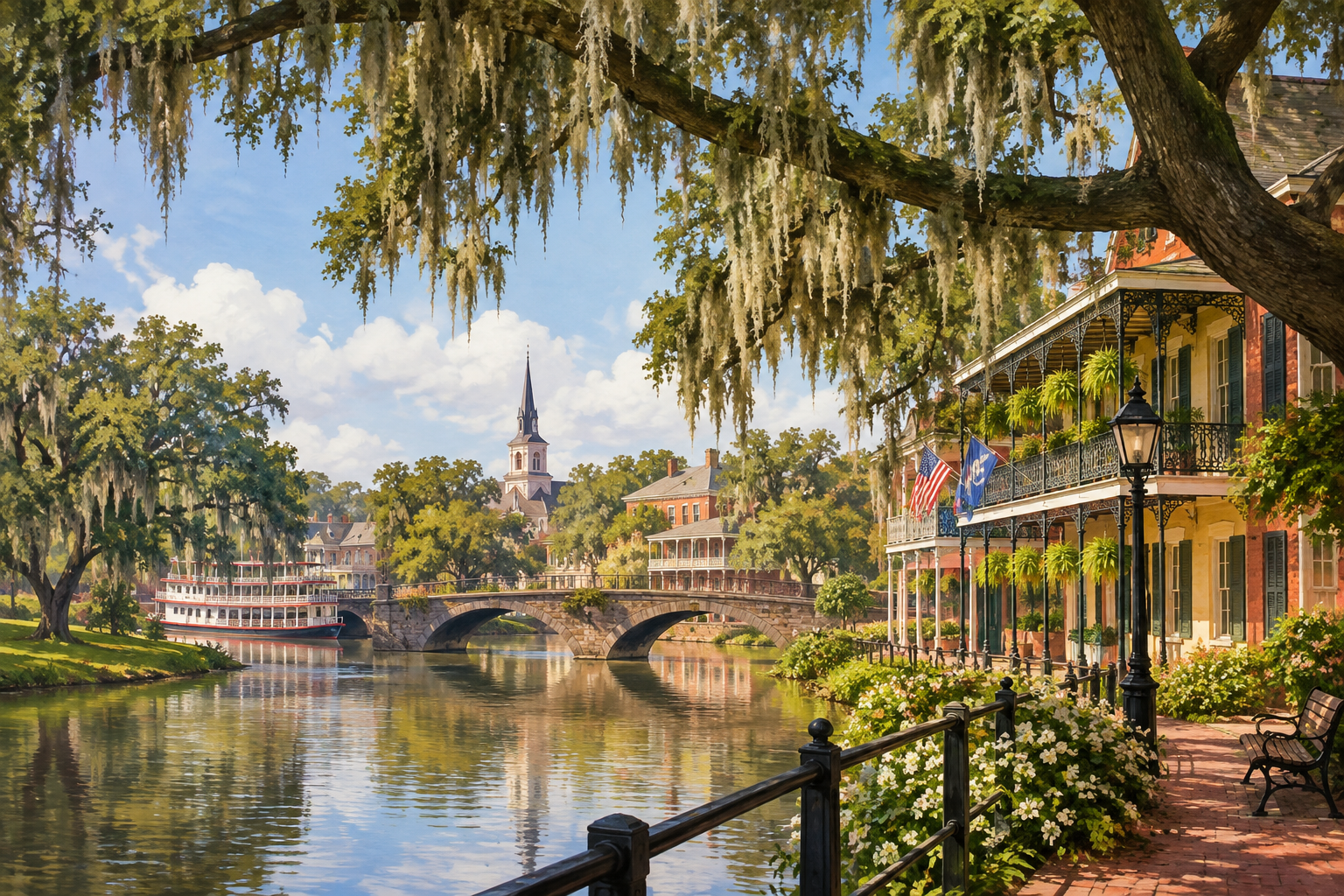
Louisiana’s oldest permanent European settlement, Natchitoches features Creole colonial architecture and Spanish moss-draped oaks lining the Cane River in a town that feels suspended in the antebellum South. Historic Cane River plantations and authentic Creole culture in Natchitoches create an immersive experience of Louisiana’s complex heritage. The Cane River National Heritage Area preserves this unique cultural landscape in Louisiana.
Fun fact: Natchitoches, founded in 1714, is the oldest permanent European settlement in the Louisiana Purchase territory, predating New Orleans by 47 years.
Tip: Free self-guided walking tours; paid plantation tours typically cost $10-15; visit during the Natchitoches Festival of Lights (November-December) for extra ambiance; park in public lots near Main Street.
10. Beaufort, North Carolina
Beaufort, North Carolina
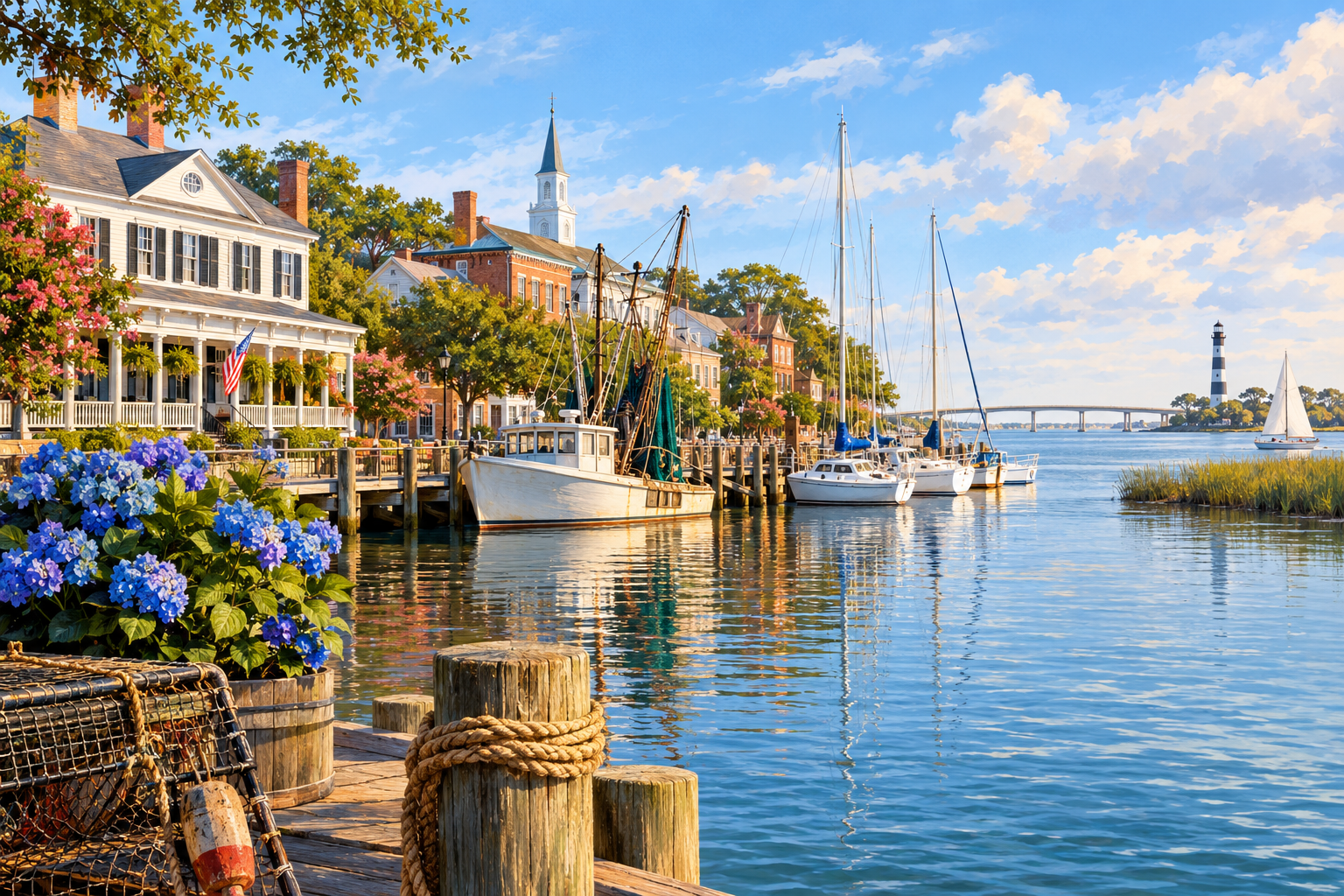
This charming coastal town in Beaufort on the North Carolina Outer Banks preserves 18th-century maritime heritage with colonial-era homes and the North Carolina Maritime Museum documenting the region’s pirate and seafaring history. The waterfront neighborhood in this North Carolina destination maintains its fishing village character despite modern tourism, with working watermen alongside art galleries. The town’s compact scale and historic district feel genuinely removed from contemporary development.
Fun fact: Beaufort is the third-oldest town in North Carolina, founded in 1709, and was home to the infamous pirate Blackbeard.
Tip: Free street parking throughout downtown; the North Carolina Maritime Museum charges $8 for entry; visit during shoulder seasons (April-May or September-October) for comfortable weather and fewer crowds.
11. Williams, Arizona
Williams, Arizona
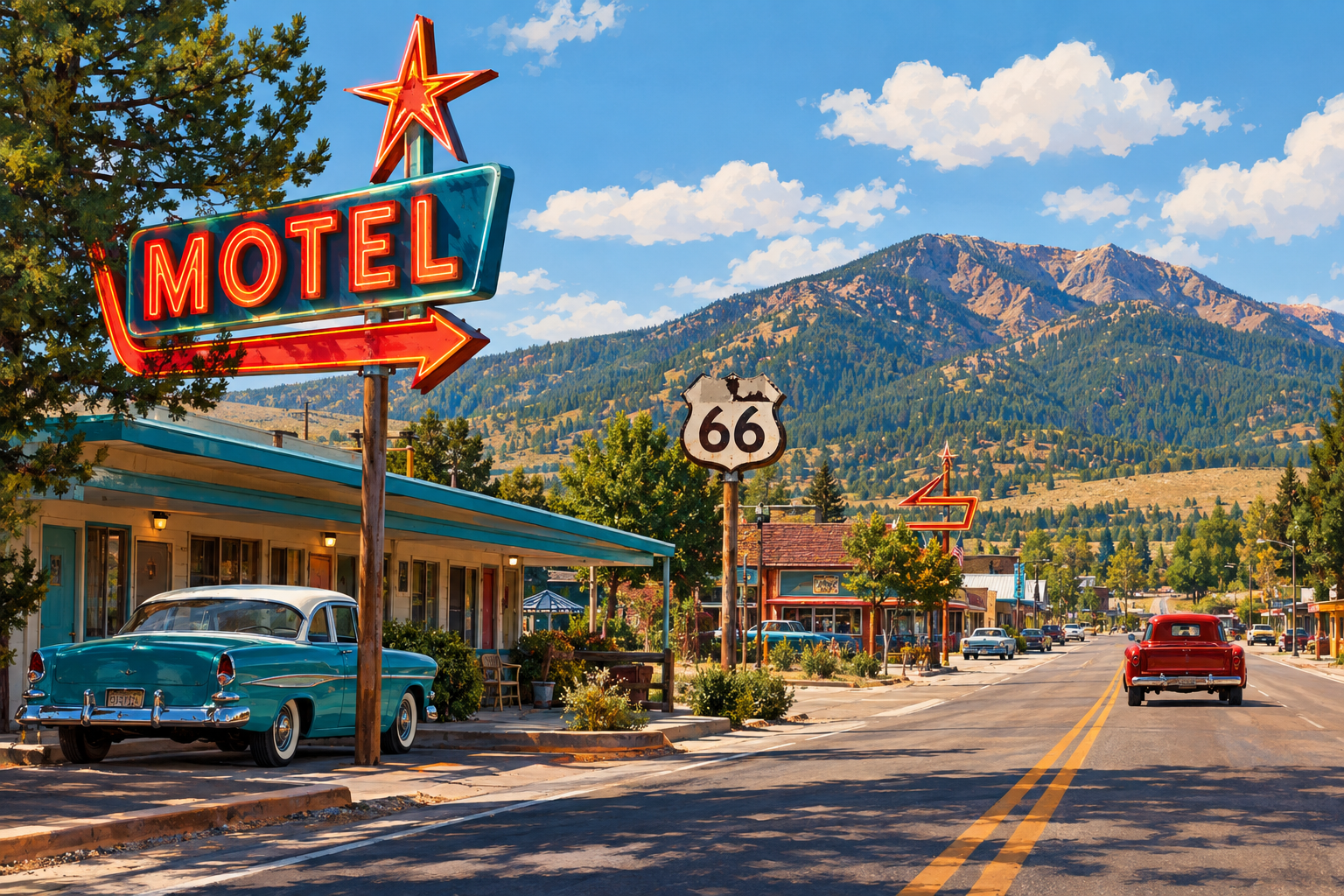
This Route 66 town in Arizona perfectly preserves Americana and automotive nostalgia with vintage neon signs, old diners, and motor lodges that haven’t significantly changed since the 1950s-60s. Williams became the last town bypassed by Interstate 40 in 1985, which ironically helped preserve its mid-century character. Driving down Route 66 here genuinely transports you to American road trip history in this Arizona gem.
Fun fact: Williams is often called the ‘Mother Road’ town because it was the last Route 66 community to be bypassed by I-40, in 1985, and celebrates this heritage enthusiastically.
Tip: Free street parking along Route 66; vintage motels offer affordable lodging with authentic mid-century character; visit in spring or fall for comfortable temperatures; many diners and shops are independently owned.
12. Batavia, Illinois
Batavia, Illinois
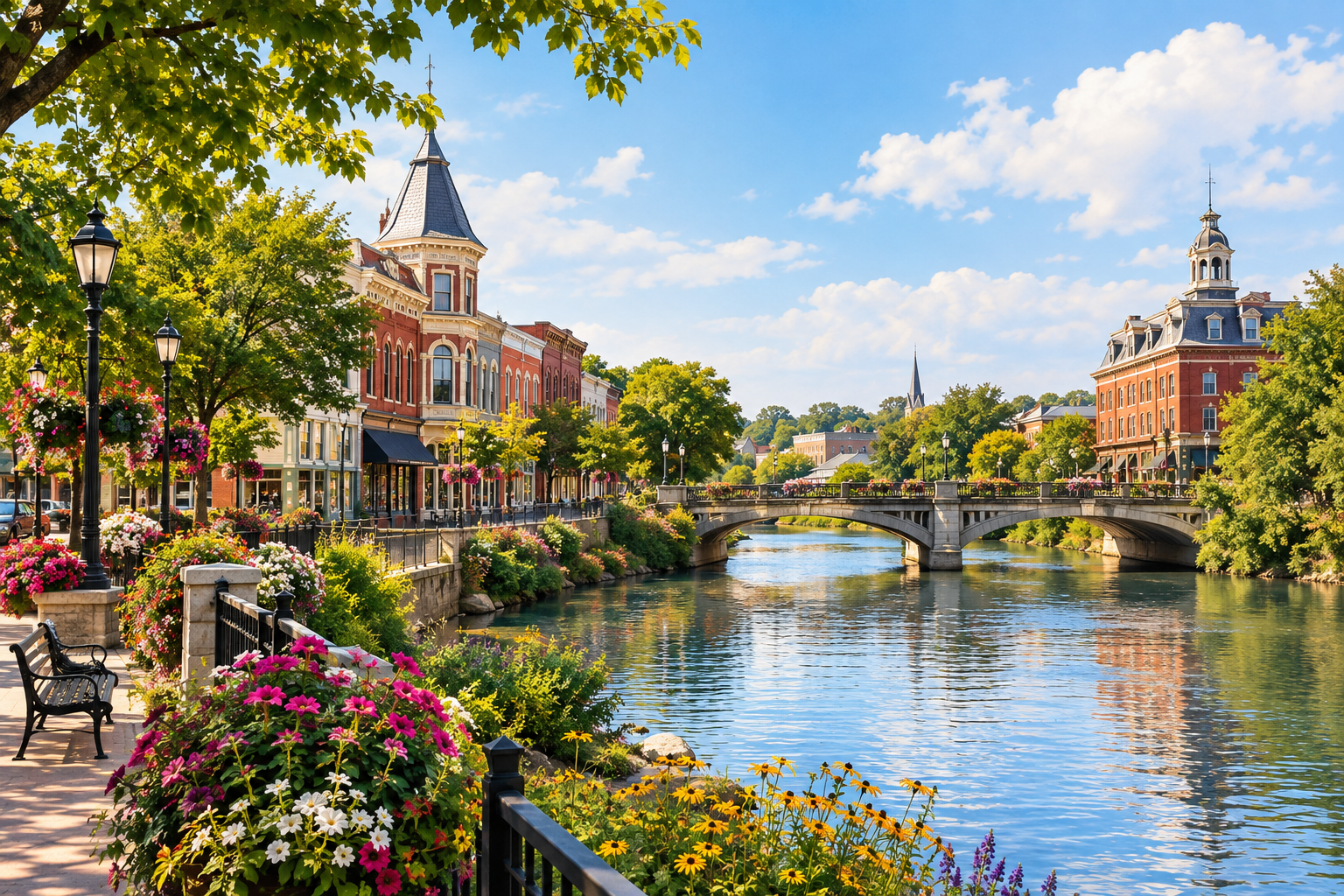
This Fox River town in Illinois features an exceptionally well-preserved downtown with Victorian storefronts and gas lamps that create an authentic 19th-century atmosphere despite Chicago’s proximity. The Batavia Historical Society maintains detailed documentation of the town’s industrial heritage, and the riverside setting in this Illinois destination adds picturesque charm. Boutique shops and restaurants in Batavia honor the town’s character while serving modern needs.
Fun fact: Batavia was founded along the Fox River specifically to harness waterpower for industry, making it one of Illinois’s first planned industrial communities.
Tip: Free parking in municipal lots; riverside parks offer free recreation; the Batavia Depot Museum charges minimal admission; visit Thursday evenings for Art in the Streets community events during summer.
13. Eureka, California
Eureka, California
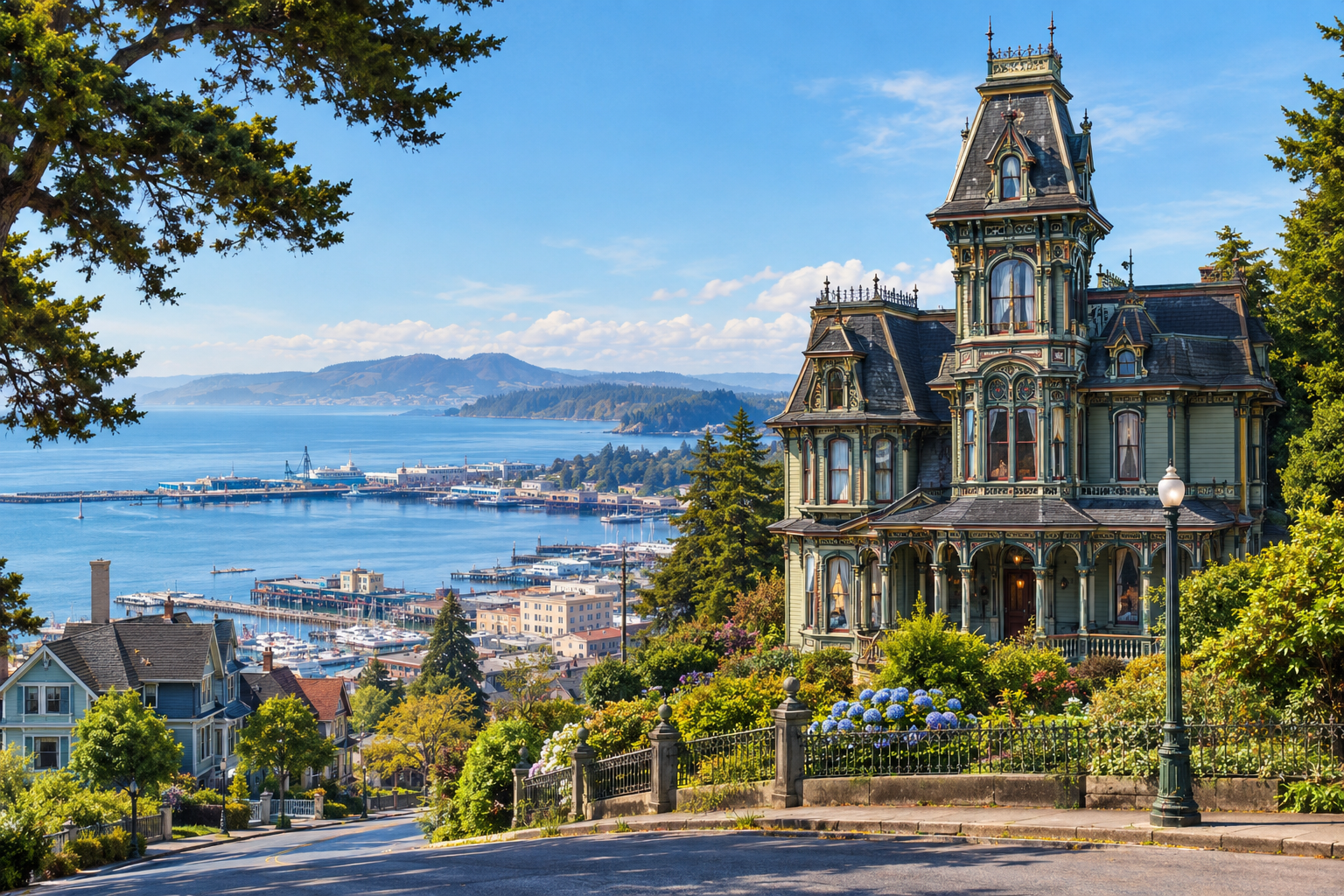
California’s largest collection of Victorian architecture in Eureka creates an entire town that feels like a living museum of Gilded Age prosperity from the 1800s lumber boom. The Carson Mansion, one of America’s most famous Victorian homes, dominates the skyline of this California destination, while hundreds of period homes maintain original architectural details. The waterfront fog adds atmospheric mystery to this perfectly preserved coastal Victorian town in California.
Fun fact: The Carson Mansion, built in 1885, is often called ‘the most important Victorian home in America’ and cost $125,000 to build when the average house cost $2,000.
Tip: Free street parking and walking tours throughout historic neighborhoods; the Carson Mansion exterior is free to view from the street; paid interior tours occasionally available through tourism office; visit in summer for clearest weather.
14. New Harmony, Indiana
New Harmony, Indiana
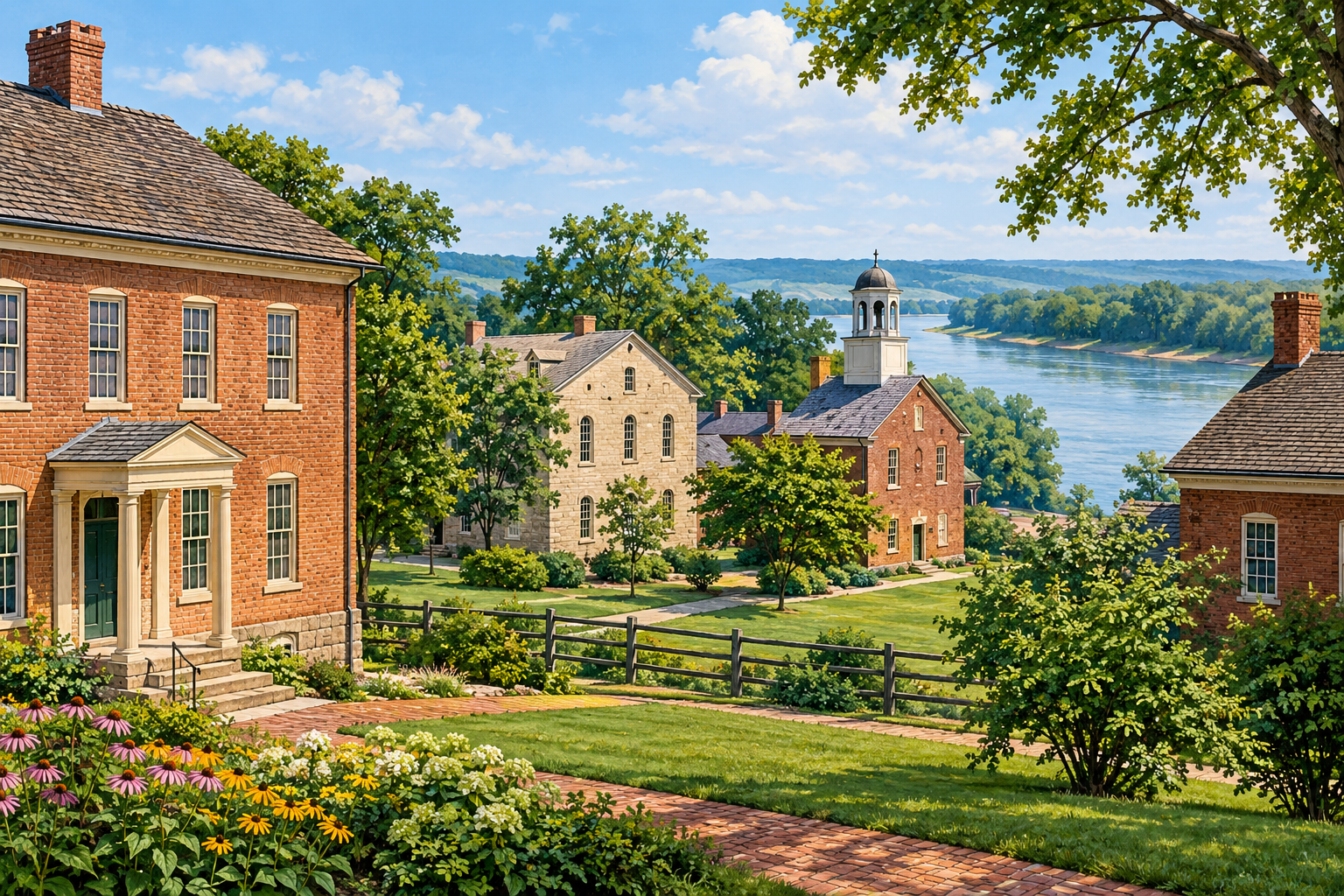
This Ohio River town in Indiana was founded as an experimental utopian community in 1814 and retains that idealistic, intentional character with exceptional architectural preservation and community-focused values. Historic buildings from the original communal settlement still stand in New Harmony, housing museums and cultural spaces dedicated to Indiana’s unique heritage. The town’s spiritual, progressive atmosphere creates a contemplative atmosphere rarely found elsewhere.
Fun fact: New Harmony was founded by separatist religious group the Harmonists and later purchased by Robert Owen, a social reformer who created an early utopian socialist community.
Tip: Free admission to most outdoor historic sites and streets; paid museum admissions typically $5-8; visit during the Symphony Season (May-October) when concerts enliven the historic venues; park near the Visitors Center.
15. Atchison, Kansas
Atchison, Kansas
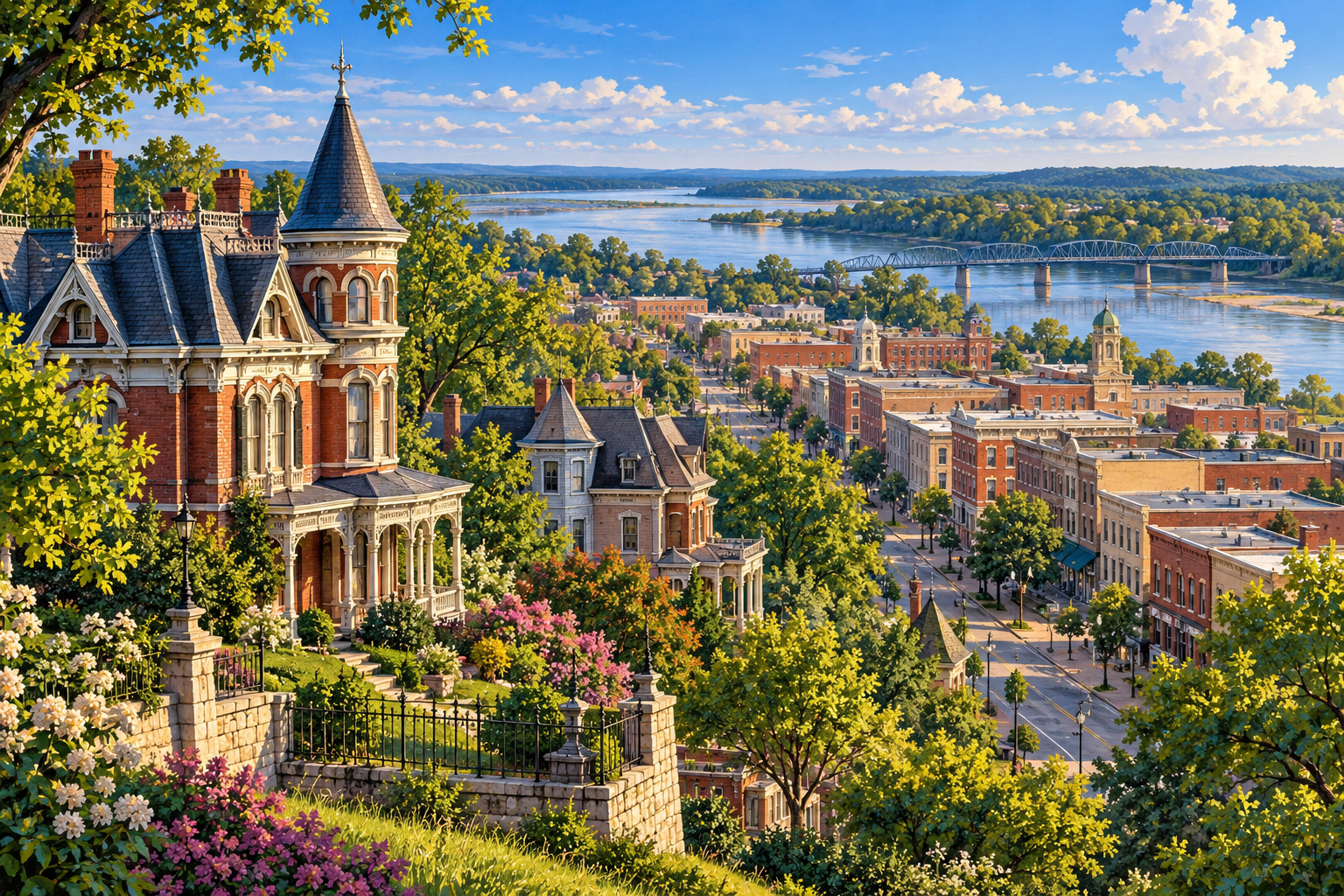
This Missouri River town in Atchison preserves 19th-century riverboat era architecture and culture with impeccably maintained Victorian mansions and brick commercial buildings creating an authentic period atmosphere. The river bluff location in this Kansas destination offers dramatic scenic views while downtown preserves the prosperity and character of Kansas’s frontier heritage. Walking the brick-paved streets in Atchison genuinely transports visitors to the 1880s.
Fun fact: Atchison was named after David Atchison, a controversial pro-slavery politician, and served as a critical Santa Fe Trail outpost and riverboat commerce hub in the 1800s.
Tip: Free street parking throughout downtown; many Victorian mansion exteriors are free to view; Evah Beulah Home Museum and other house tours charge $5-8; visit during spring or fall for comfortable temperatures.
These timeless towns remind us that sometimes the best American adventures aren’t found in major cities—they’re waiting in the quiet, charming places that have refused to change. Plan your next road trip to these historic small towns frozen in time and experience the authentic heart of America’s preserved heritage.
Frequently asked questions
What are the best small towns frozen in time to visit in the USA?
The 15 featured small towns frozen in time each offer unique historic character. Mackinac Island, Michigan provides Victorian charm with no cars; St. Augustine, Florida offers the oldest European settlement; Jerome, Arizona features preserved ghost town architecture; Galena, Illinois showcases Civil War-era buildings; and Williams, Arizona preserves Route 66 Americana. Choose based on your interests in maritime history, mining heritage, colonial architecture, or Americana nostalgia.
What’s the best time of year for a weekend trip to historic small towns frozen in time?
Spring (April-May) and fall (September-October) offer comfortable weather and fewer crowds than summer. Many of these small towns frozen in time are less congested on weekdays, especially outside holiday periods. Winter can be beautiful but some attractions have reduced hours. Late fall festivals like Natchitoches’ Festival of Lights add extra ambiance to your small town adventure.
How can I plan a road trip visiting multiple small towns frozen in time across America?
Group towns by region for efficient road trip planning. Arizona route: Jerome to Williams (1.5 hours). Illinois route: Galena to Batavia (3 hours). Midwest route: Atchison, Kansas to New Harmony, Indiana (8 hours). East Coast: Beaufort, North Carolina to Sag Harbor, New York (12+ hours). Southeast: St. Augustine, Florida to Natchitoches, Louisiana (18+ hours). Most small towns can be explored thoroughly in 4-6 hours, with overnight stays recommended for deeper exploration.
Are small towns frozen in time suitable for families with children?
Most of these charming small towns are very family-friendly with outdoor activities, interactive museums, and historic sites appealing to kids. Many charge minimal admission, and children often enjoy the novelty of car-free areas like Mackinac Island, living ghost towns like Jerome, or maritime heritage museums like those in Beaufort and St. Augustine.
Which small towns frozen in time offer budget-friendly options?
Yes! Many historic districts and exteriors are free to view in these small towns. Street parking is typically free throughout these towns, and many galleries and shops offer free browsing. Budget-friendly lodging in local motels costs $50-100 per night, and local diners serve affordable meals. Walking tours are often free or low-cost in most small towns.