Glacier National Park in Montana is one of America's most breathtaking destinations, attracting hundreds of thousands of visitors annually to its pristine lakes, towering peaks, and alpine meadows. Learning essential safety tips for Glacier National Park in Montana has become increasingly important after recent warnings about a rare disease found in local beaver populations. Whether you're planning a summer hike or a scenic drive along Going-to-the-Sun Road, understanding these critical guidelines will help you enjoy this incredible Montana treasure safely and responsibly.
1. Logan Pass Visitor Center
Essex, Montana
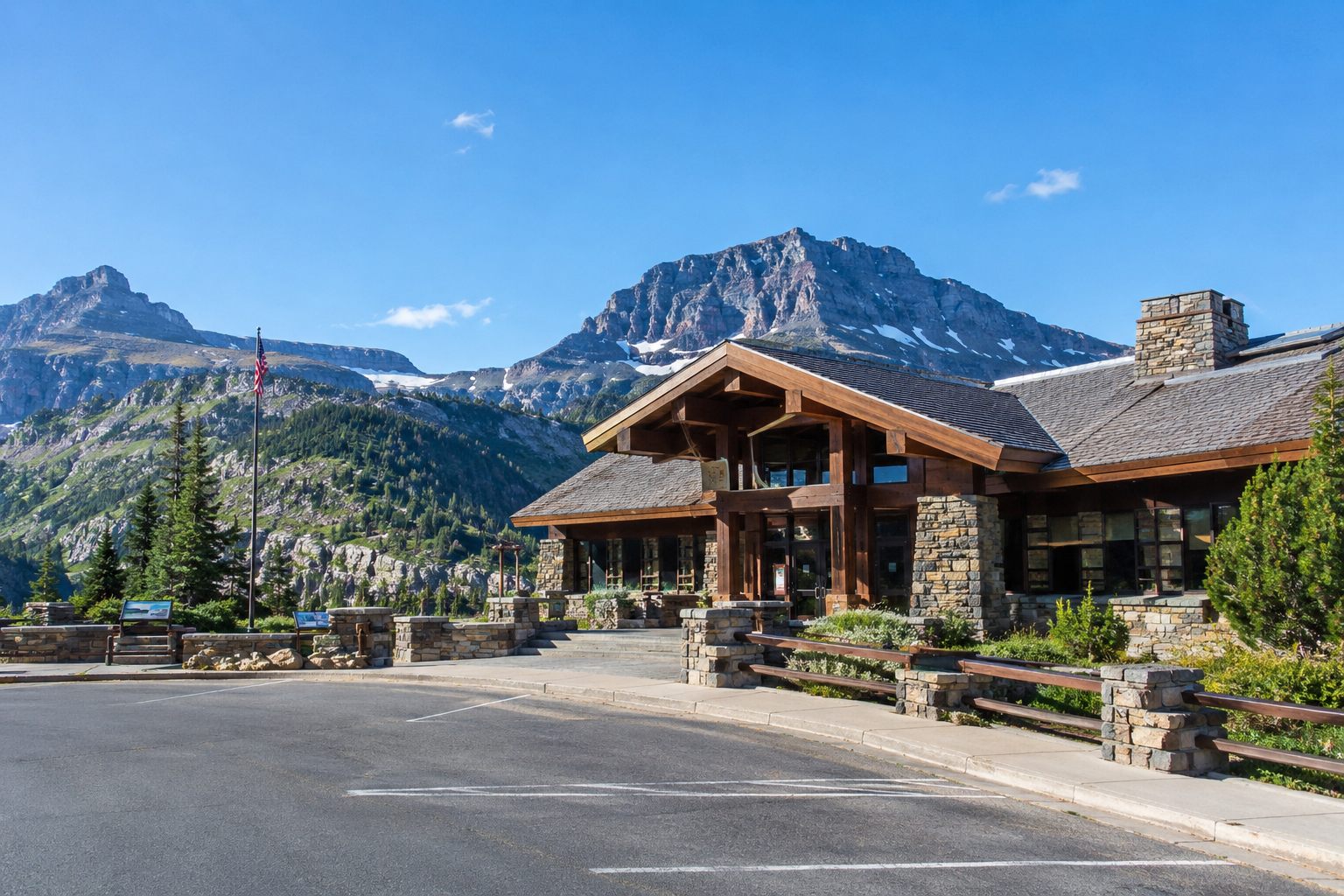
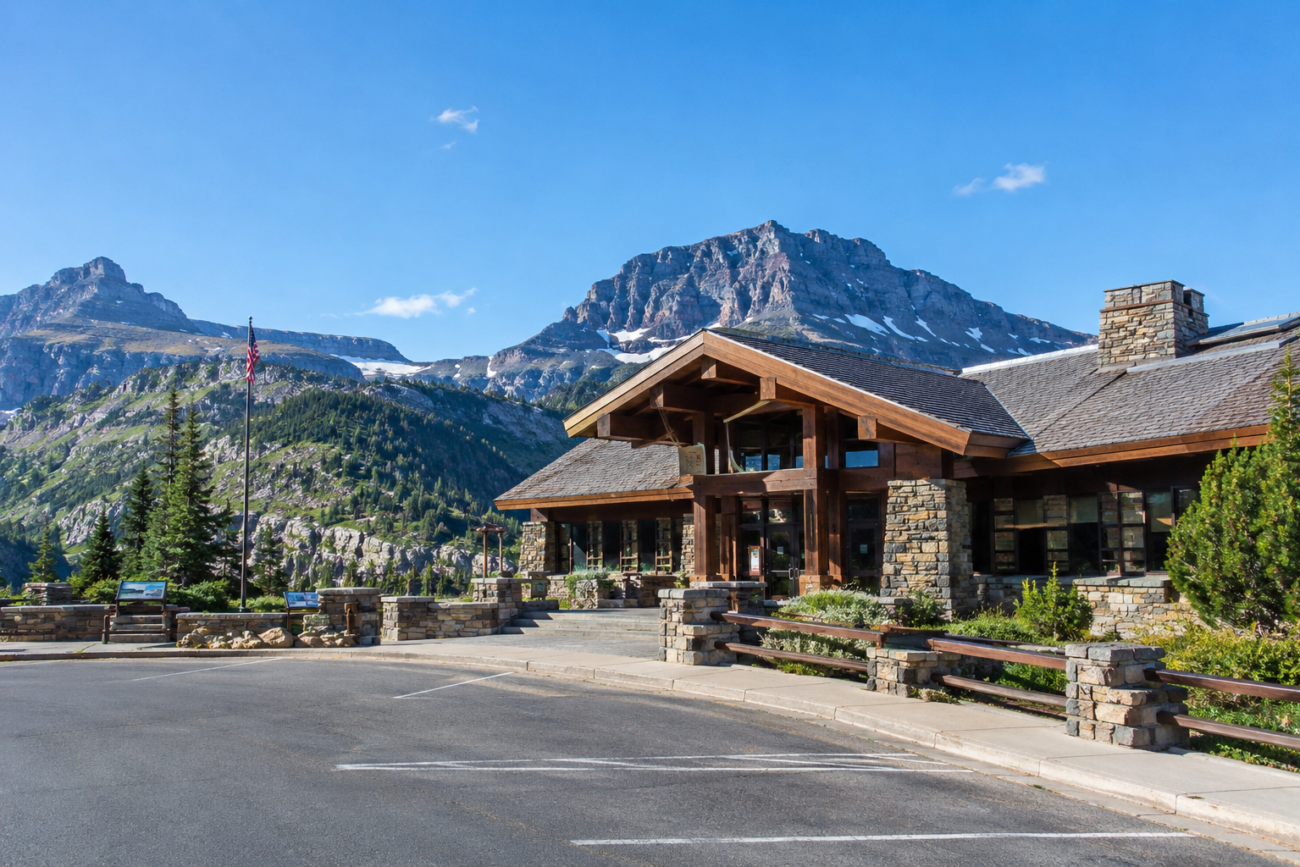
This high-altitude information hub sits at 6,680 feet along Going-to-the-Sun Road in Essex, Montana and serves as the perfect starting point for understanding park safety protocols. Rangers here provide up-to-date information about trail conditions, wildlife warnings, and water safety near beaver-inhabited areas. The center offers exhibits about local wildlife and ecosystems, helping visitors appreciate the delicate balance of Glacier National Park's environment.
Fun fact: Logan Pass is the highest point on Going-to-the-Sun Road, and it often doesn't open until June due to heavy snow accumulation.
Tip: Stop here first to pick up current safety advisories and speak with rangers about water sources. Water from streams and lakes should be filtered or purified regardless of beaver disease warnings—giardia has been a concern long before recent discoveries.
2. Lake McDonald
West Glacier, Montana
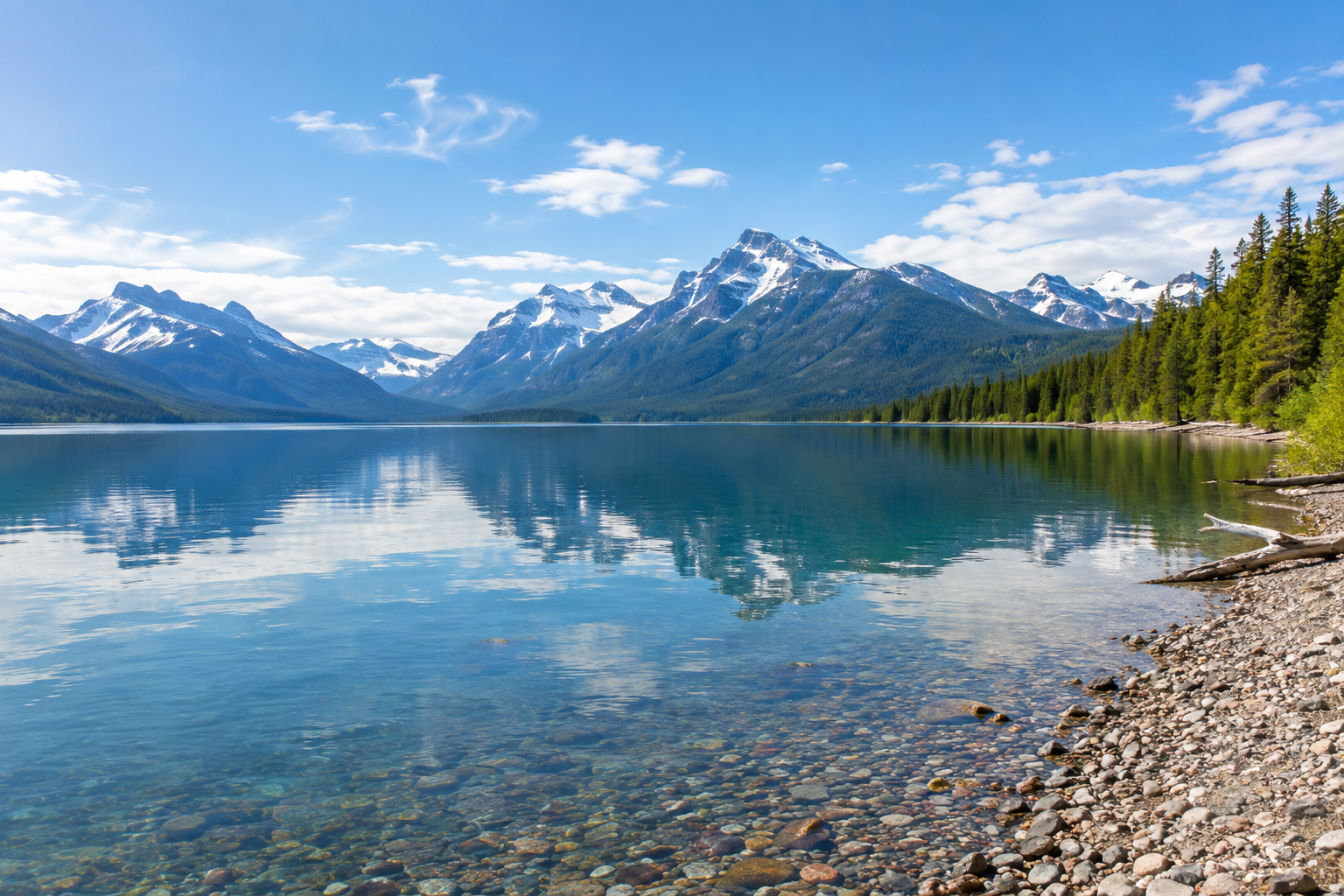
Montana's largest freshwater glacial lake spans 10 miles near West Glacier, Montana and is a stunning destination for fishing, kayaking, and scenic drives along its shoreline. The lake's pristine waters reflect the surrounding peaks, making it an iconic Montana photography spot. However, recent beaver activity in tributary streams feeding the lake means visitors to Glacier National Park should take extra precautions with water contact.
Fun fact: Lake McDonald was carved by glaciers during the last ice age and reaches depths of over 400 feet, making it one of the deepest lakes in Montana.
Tip: Enjoy the scenic Lake McDonald Loop drive without needing to enter the water. If you do boat or fish, avoid contact with beaver areas marked by rangers. Bring plenty of bottled drinking water for your visit to Glacier National Park.
3. Going-to-the-Sun Road
Glacier National Park, Montana
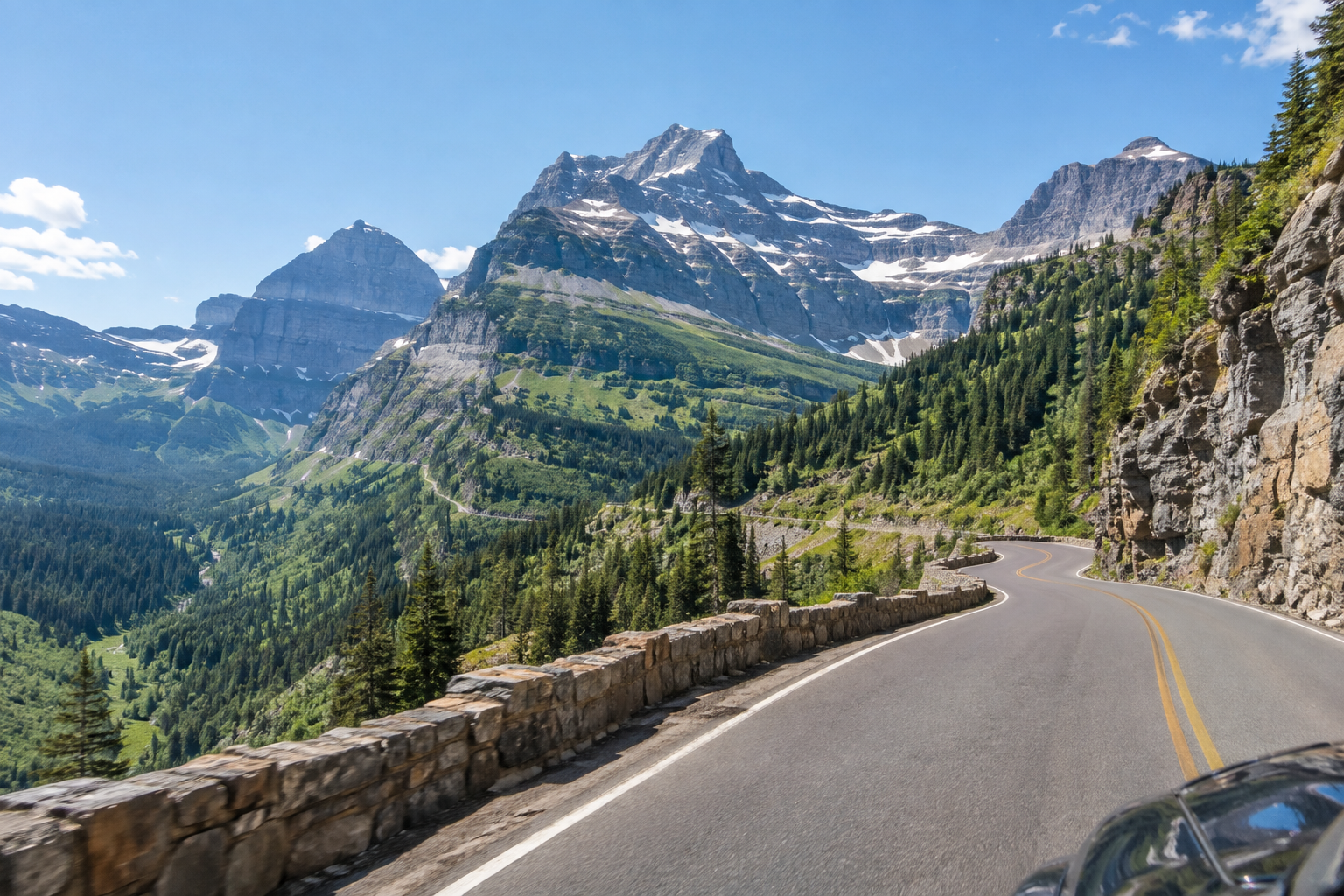
This iconic 50-mile scenic drive is one of America's most spectacular mountain roads in Glacier National Park, Montana, connecting the west and east sides with hairpin turns and breathtaking vistas. The road climbs 3,300 feet to Logan Pass and features numerous pullouts where visitors can safely view wildlife from a distance. The drive itself provides incredible scenery without requiring backcountry stream contact, making it one of the best things to do in Glacier National Park.
Fun fact: Going-to-the-Sun Road was completed in 1932 and is still maintained with the same historic stone guardrails, making it a National Historic Landmark.
Tip: Drive this route early in the morning to avoid crowds and have the best lighting for photography. The road typically closes in winter; check park conditions before visiting Glacier National Park. Pack snacks and water in your vehicle, and take your time at scenic overlooks rather than rushing to endpoints.
4. Apikuni Falls Trail
East Glacier Park, Montana
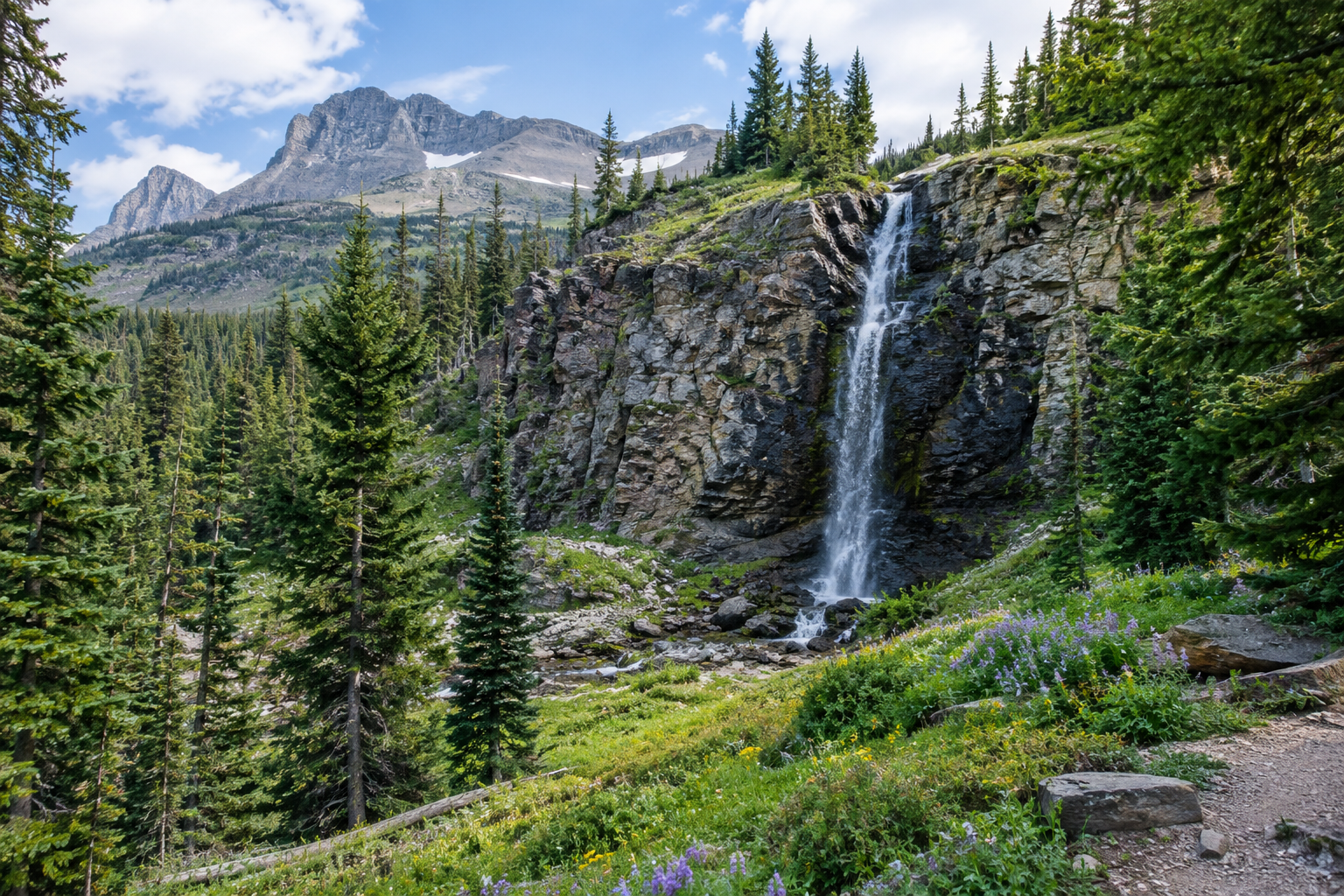
This 11-mile roundtrip hike features Apikuni Creek waterfall and alpine meadows with sweeping mountain views across Glacier's eastern side near East Glacier Park, Montana. The trail offers moderate difficulty with rewarding scenery, though hikers should be cautious near creek crossings and streams where beaver activity may be present. Elevation gain is about 1,900 feet, making it accessible for determined day-hikers visiting Glacier National Park.
Fun fact: Apikuni is a Blackfeet word meaning 'where the high rocks are,' reflecting the deep cultural connection between Native American tribes and this Montana landscape.
Tip: Never drink directly from Apikuni Creek or any backcountry water source. Bring a water filter, purification tablets, or carry sufficient bottled water from town. Hike this trail mid-morning to avoid afternoon thunderstorms common in Montana summers.
5. St. Mary Lake
St. Mary, Montana
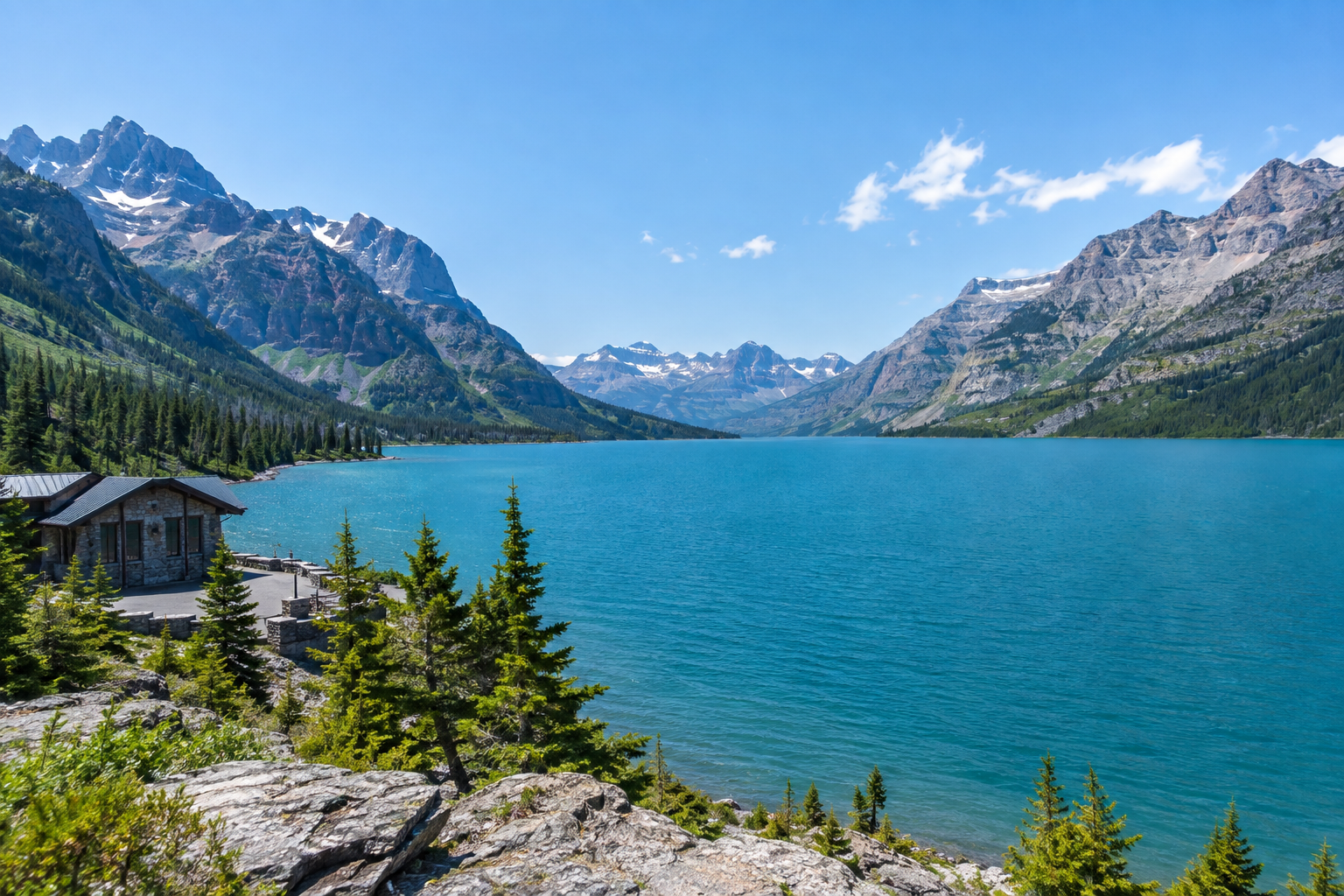
The second-largest lake in Glacier National Park, Montana, St. Mary Lake spans 10 miles near St. Mary and features stunning views of the Continental Divide and surrounding peaks. Visitors can enjoy scenic drives, boat tours, and shoreline walks without necessarily entering water where beaver populations concentrate. The lake's turquoise color makes it one of Montana's most photographed locations and best places to visit.
Fun fact: St. Mary Lake sometimes freezes so solidly in winter that locals have driven vehicles across its surface, showcasing extreme Montana winter conditions.
Tip: Take the ranger-led boat tour departing from the St. Mary Visitor Center to safely view the lake and learn about wildlife including beavers. Bring binoculars for wildlife viewing from shore. Stick to designated trails and avoid approaching beaver lodges or dams.
6. Gunsight Pass Trail
Lake McDonald, Montana
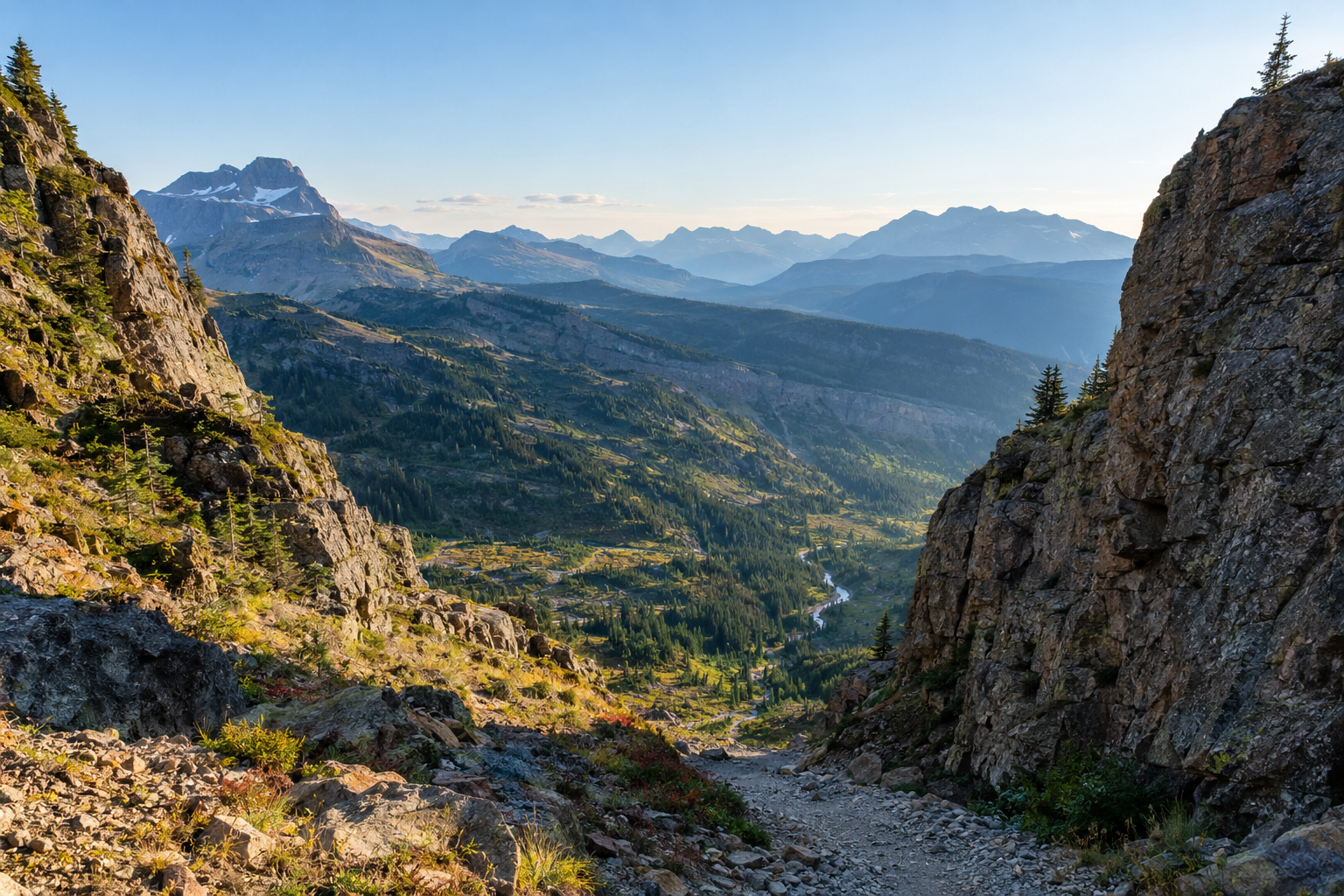
This challenging 10-mile roundtrip hike ascends to a high mountain pass near Lake McDonald, Montana with panoramic views of Glacier's interior peaks and valleys. The trail includes stream crossings and steep switchbacks, offering experienced hikers true alpine wilderness experiences in Glacier National Park. However, stream areas require extra caution regarding water contact and beaver presence.
Fun fact: Gunsight Pass was named for its distinctive shape when viewed from below, appearing like the sights of a rifle from certain angles.
Tip: This is a hike for experienced mountaineers with good fitness levels. Never cross streams directly; wait for official park guides if uncertain about crossings. Carry your own water supply and plan to start very early—this is an all-day expedition requiring 6-8 hours.
7. Many Glacier Hotel Area
Babb, Montana
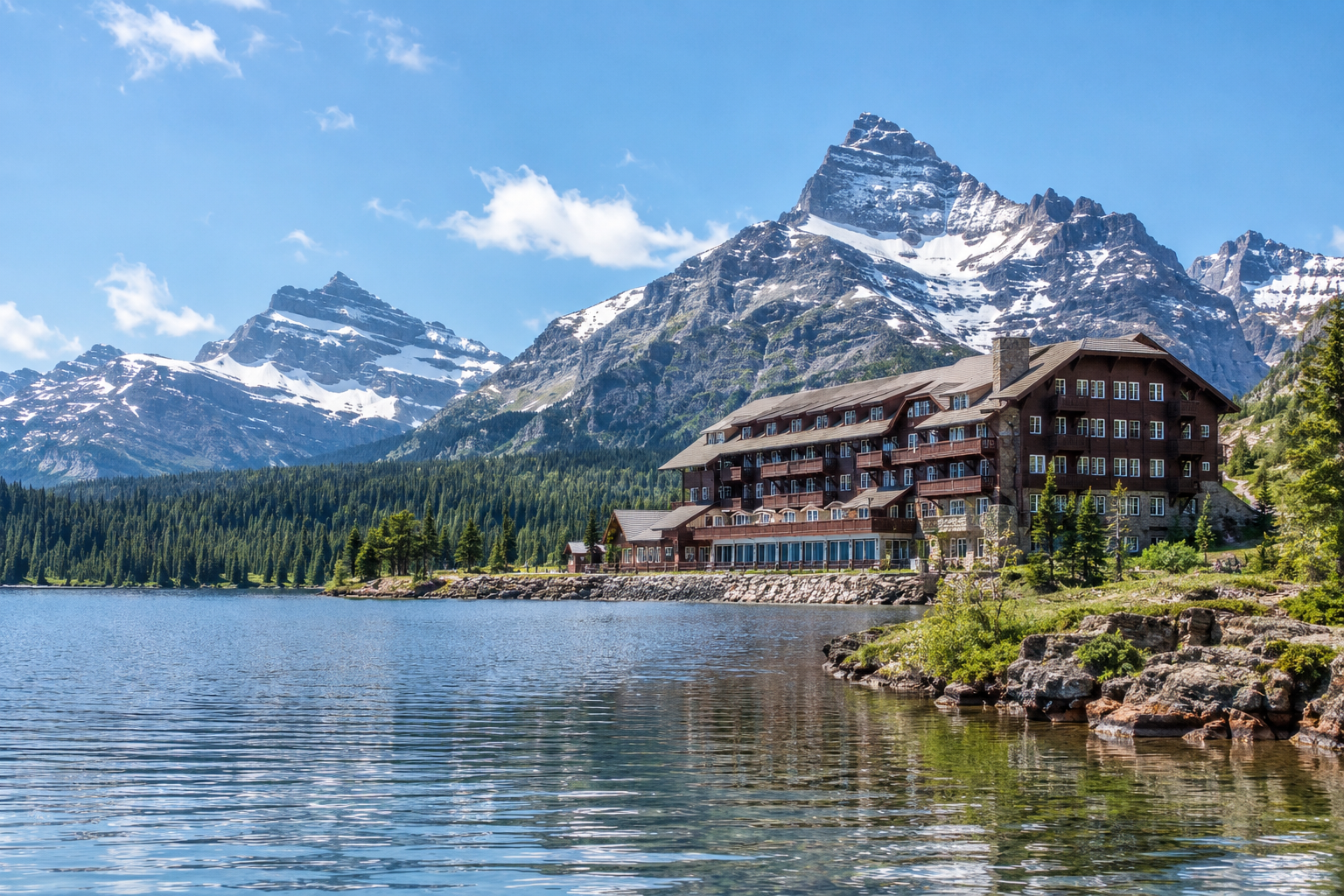
This historic lodge sits at the base of Swiftcurrent Lake near Babb, Montana and serves as a gateway to some of Glacier National Park's most popular trails and scenic areas. The area features stunning lake and mountain views accessible through day-hikes and scenic walks that don't require extensive backcountry travel through Glacier. The hotel itself is an architectural treasure built in 1915.
Fun fact: Many Glacier Hotel is the largest hotel in Glacier National Park and was built in a Swiss chalet style to reflect its mountain setting, making it an iconic Montana landmark.
Tip: You don't need a hotel reservation to enjoy the Many Glacier area—public parking and trails are available. Bring plenty of bottled water and snacks. Visit early morning before crowds arrive, and always stay on marked trails away from stream areas where beavers are active.
8. Two Medicine Lake
East Glacier Park, Montana
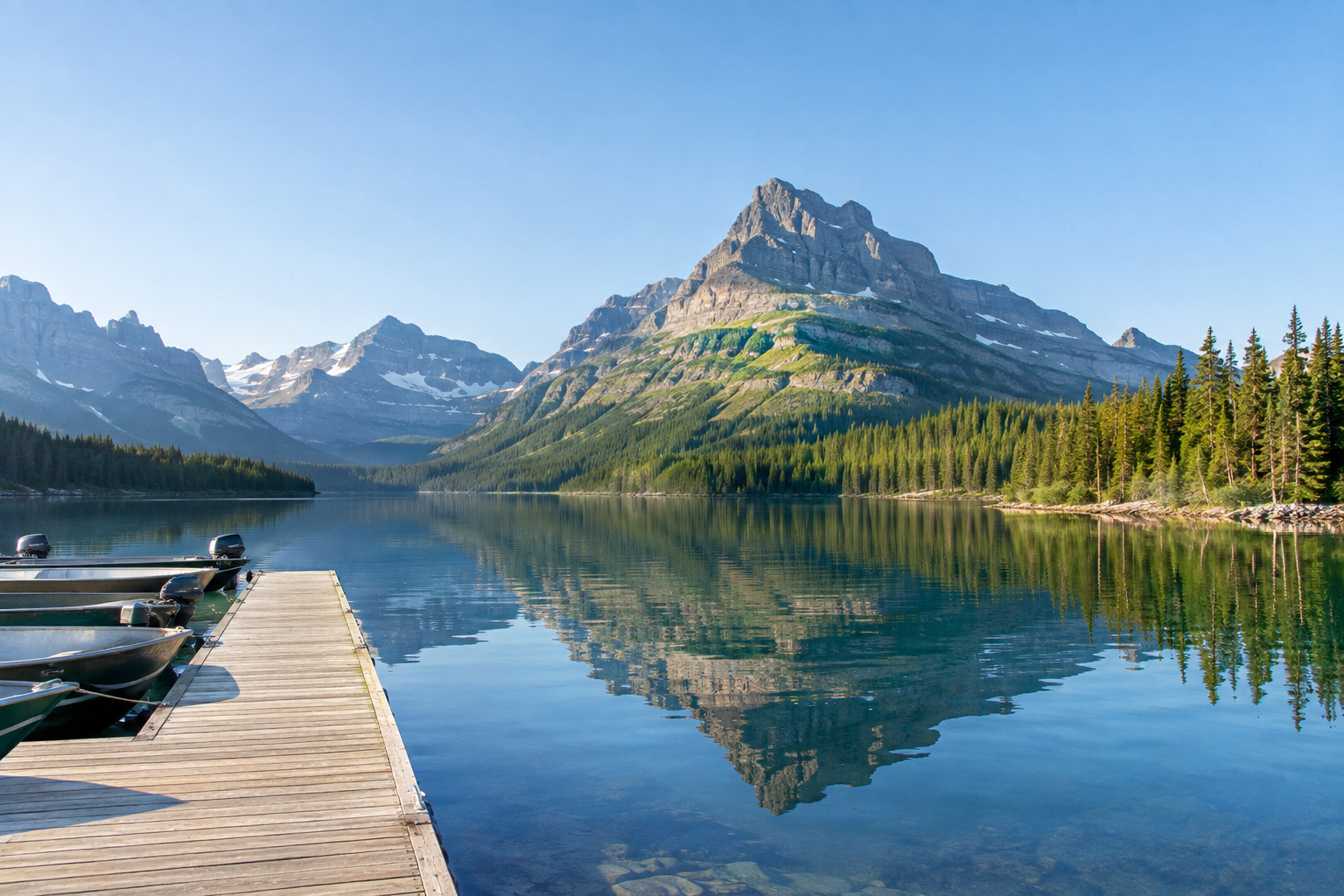
This scenic lake in the Two Medicine Valley near East Glacier Park, Montana offers boat tours, fishing, and numerous hiking trails with stunning mountain backdrops including Sinopah Mountain. The lake area provides excellent wildlife viewing opportunities while maintaining a more remote feel than other Glacier National Park destinations. Pristine alpine scenery makes it a photographer's paradise in Montana.
Fun fact: Two Medicine Lake was named after a traditional Native American healing practice and reflects the Blackfeet cultural heritage deeply connected to this Montana landscape.
Tip: Take the official boat tour to see the lake's interior safely while minimizing exposure to beaver-inhabited streams. Pack a picnic lunch and spend the full day exploring marked trails around the lake. Arrive early—the parking area fills quickly during summer weekends.
Glacier National Park in Montana remains a remarkable destination for adventure seekers and nature lovers, and with proper precautions, you can experience its magic responsibly. Plan your Montana getaway today and discover why Glacier continues to captivate visitors from around the world. Visit to explore other incredible destinations throughout Montana.
Frequently asked questions
What is the rare disease found in Glacier National Park beavers?
Park officials have identified a rare disease among beaver populations in Glacier National Park, Montana, likely giardiasis or a related waterborne pathogen. While the specific disease details are managed by Montana Fish, Wildlife and Parks, the general rule remains: never drink untreated water from any stream or lake in Glacier National Park, regardless of how clean it appears.
Is it safe to visit Glacier National Park in Montana right now?
Yes, Glacier National Park in Montana is completely safe to visit with proper precautions. Simply follow standard water safety guidelines: don't drink directly from streams or lakes, filter or purify any water you plan to drink, and avoid swimming in areas marked with wildlife warnings or recent beaver activity.
Can I still hike in Glacier National Park despite the beaver disease warning?
Absolutely. Hiking remains an incredible experience in Glacier National Park, Montana. Just bring plenty of bottled water from town, stay on marked trails, and avoid swimming in lakes or streams. The park remains open and accessible with these reasonable precautions.